
Home
About us
Destinations
Travel Guides
Recipes
Featured
Photos As Art
Abstract Prints
Locations
Travel Gear
Travel Resources
Favorites
Photo Framer
Explore Photos
ContactHeidelberg is the rare German city that World War II mostly passed by, so its baroque Old Town survives largely intact below a half-ruined Renaissance castle on the hillside above. The Neckar River splits the postcard view in two: sandstone rooftops and church spires on one bank, the wooded Heiligenberg and its famous footpath on the other.
Published July 8, 2026
Tap any photo to open it full-screen and order a print.
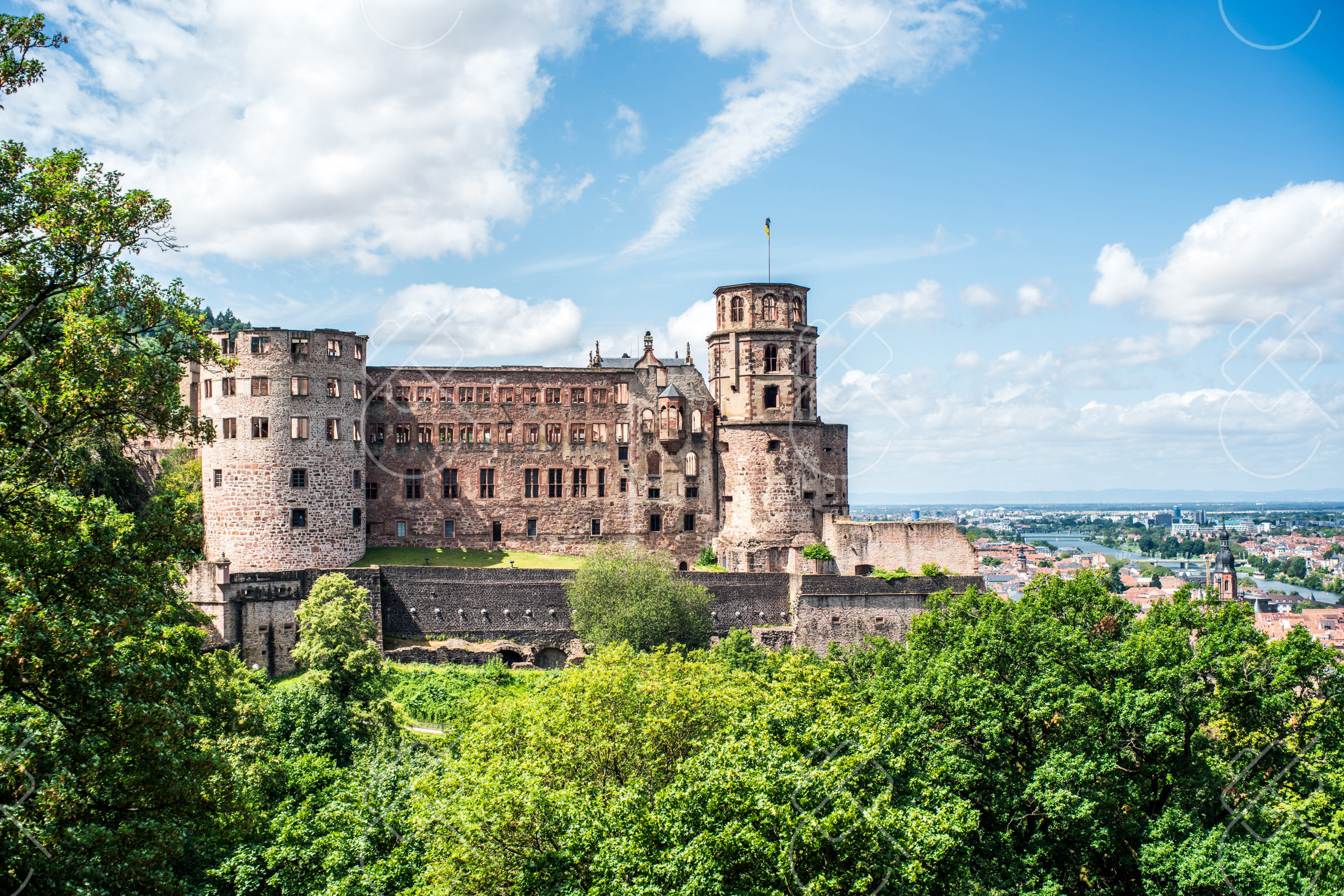
Heidelberg pairs a ruined hilltop castle with one of Europe's longest pedestrian shopping streets, the whole scene framed by the Neckar River and the wooded slopes of the Heiligenberg.
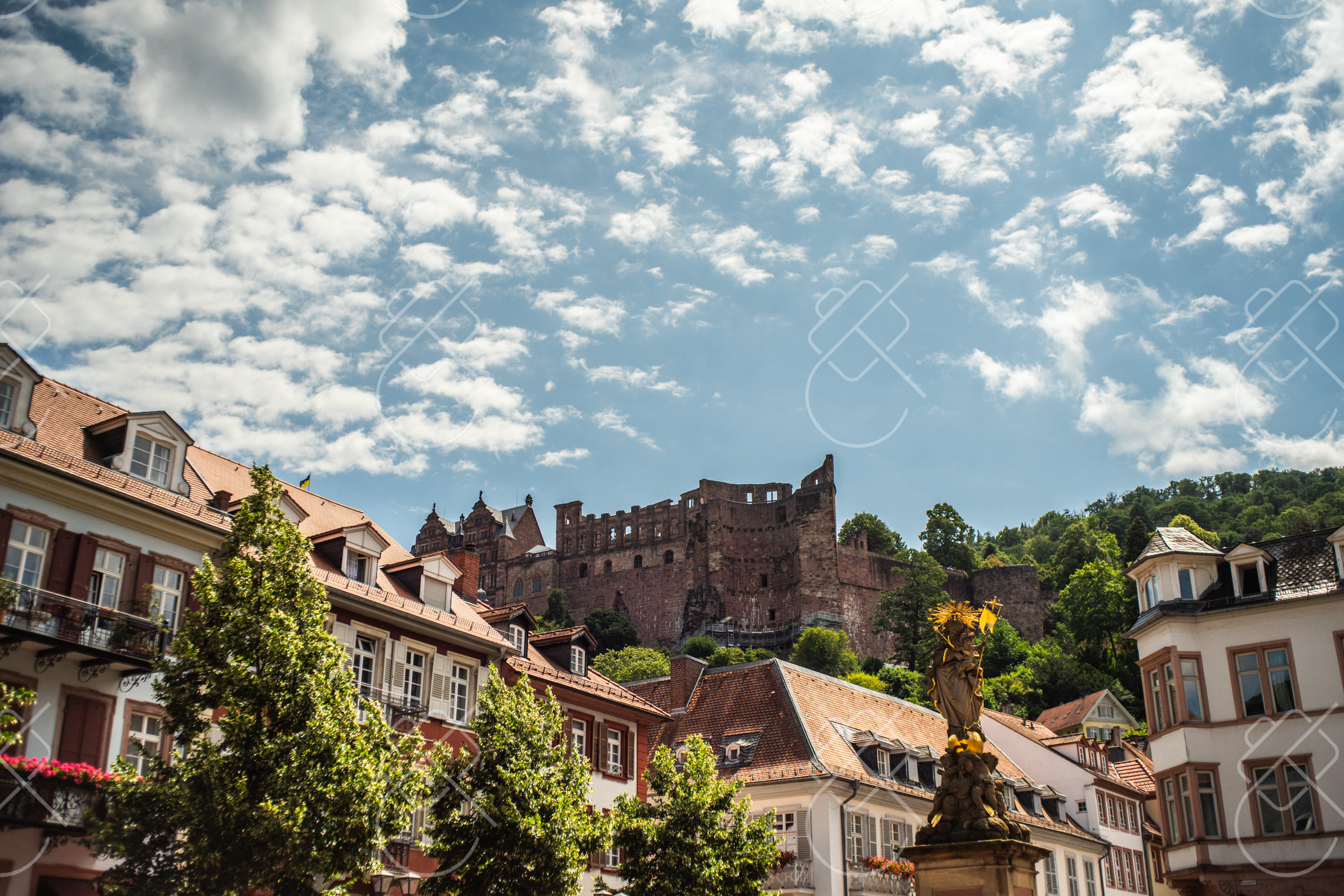
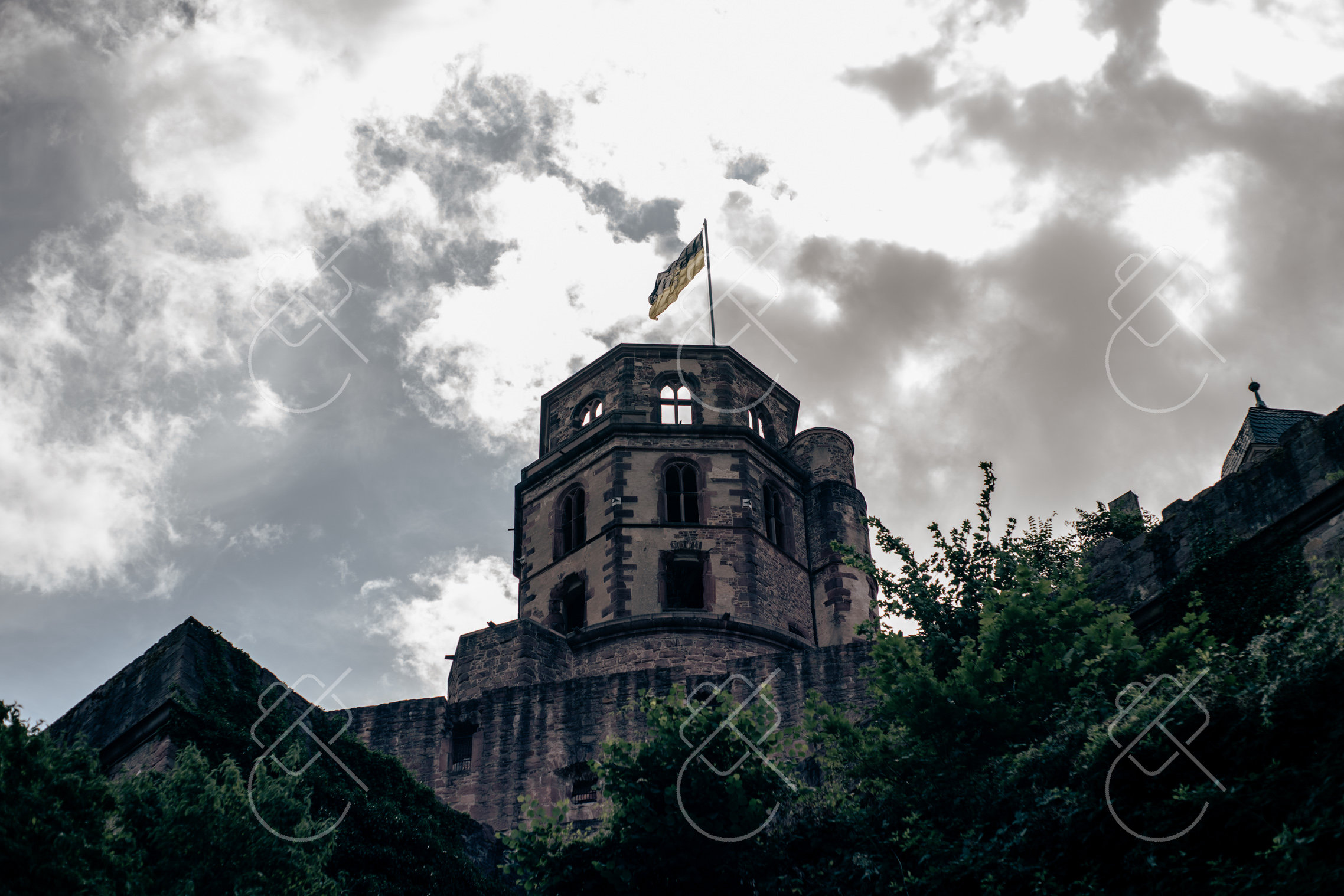
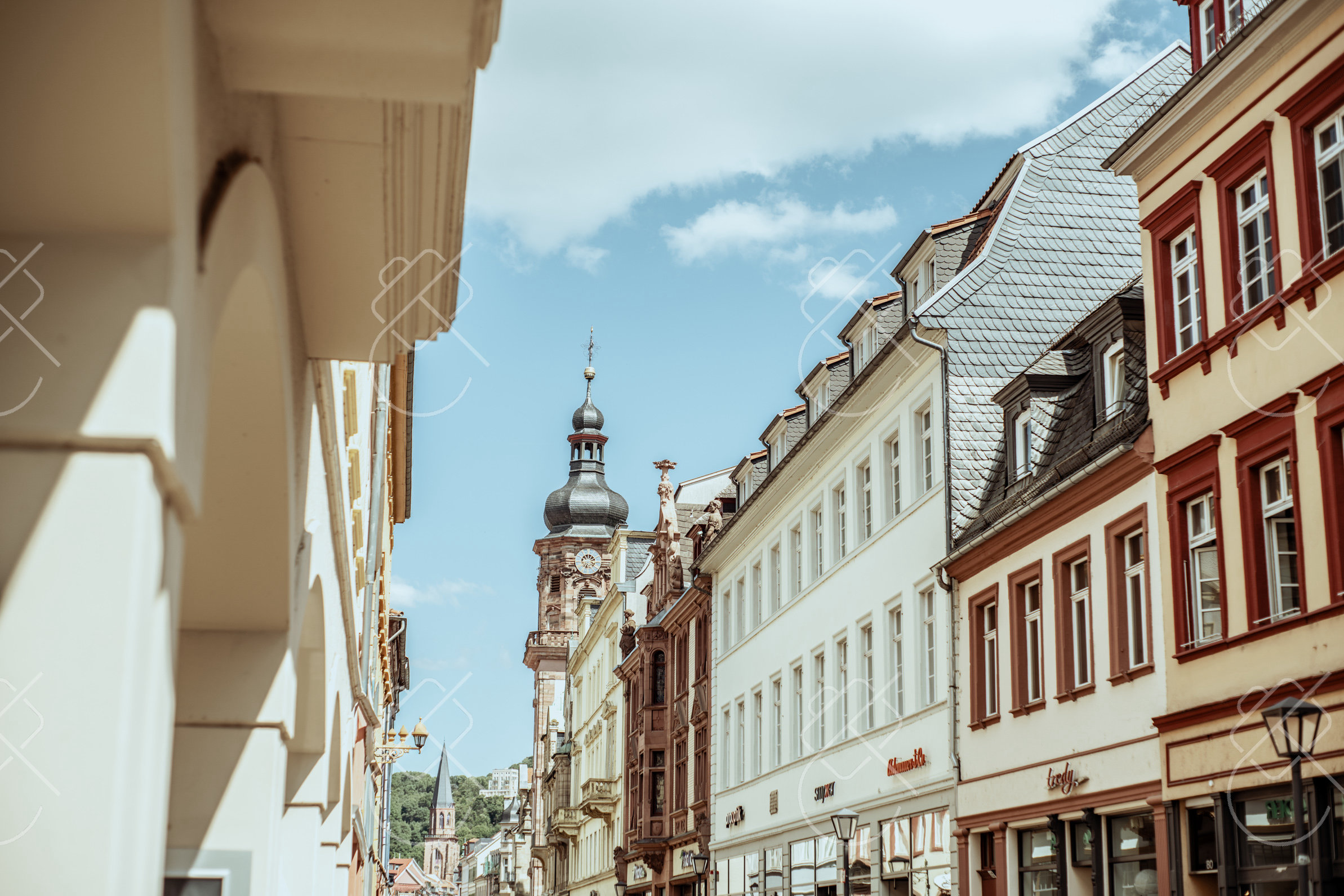
Heidelberger Schloss looms over the Old Town from a terrace halfway up the Königstuhl hill, a patchwork of Gothic and Renaissance wings that was never fully rebuilt after French troops blew up its fortifications during the Nine Years' War in 1689 and 1693, then a lightning strike in 1764 finished off what rebuilding had resumed. Inside the ruins sits the Großes Fass, a wine barrel with a capacity of roughly 220,000 liters, built in 1751 to store the Palatinate's wine-tax payments and topped with a dance floor once used for celebrations. The castle terrace is the single best viewpoint over the Old Town and the Neckar, especially in late afternoon when the light catches the red sandstone. Below the castle, the Hauptstraße runs for about 1.6 kilometers through the pedestrian core, lined with baroque townhouses rebuilt in stone after the same 17th-century wars leveled most of the Palatinate.
The castle ruins rising above the Old Town's rooftops, seen from street level
The Alte Brücke — officially the Karl Theodor Bridge — crosses the Neckar on nine sandstone arches completed in 1788, guarded on the Old Town side by twin medieval gate towers that predate the current bridge by centuries. A bronze monkey holding a mirror sits at the bridge's town-side end, a centuries-old joke aimed at anyone who thought too highly of themselves crossing into the city; rubbing it is supposed to guarantee a return trip to Heidelberg. Across the river, the Philosophenweg climbs the Heiligenberg in a series of switchbacks to a viewpoint that mirrors the castle's own outlook — this is the walk that gave Heidelberg University's philosophy faculty its reputation for thinking on the move, and it's still the quietest way to see the castle and Old Town together in one frame. Heidelberg University itself, founded in 1386, is Germany's oldest, and its old student prison — the Studentenkarzer, used until 1914 to lock up unruly students for offenses like dueling or public drunkenness — is covered floor to ceiling in a century of student graffiti.
Late spring or early autumn on a clear afternoon, when the light on the castle's red sandstone is best from the Alte Brücke and the Philosophenweg isn't crowded with summer tour groups.
Base yourself near the Marktplatz or lower Hauptstraße, within a flat walk of the Old Bridge and the path up to the castle.
Order a Studentenkuss ("student's kiss") — a chocolate-wrapped praline sold since the 1860s at a confectionery on the Hauptstraße, invented so university students could flirt with the shop's customers without their chaperones noticing.
Walk up to the castle rather than taking the funicular, then ride the funicular back down to the Kornmarkt — the uphill path through the Old Town gardens is free and better for photos than the queue for the train.
Get the best deals on your Heidelberg stay with Booking.com.
Transit cards, local customs, visa rules, and practical travel guides for this region.
See every destination from the 526-day journey:
Browse all destinationsCurious about the gear behind these photos? See the gear list.