
Home
About us
Destinations
Travel Guides
Recipes
Featured
Photos As Art
Abstract Prints
Locations
Travel Gear
Travel Resources
Favorites
Photo Framer
Explore Photos
ContactWürzburg sits on the Main river in Franconia, its skyline built around two landmarks facing each other across the water: the hilltop Marienberg Fortress, wrapped in vineyard terraces, and the Würzburg Residence, a Baroque palace with one of the largest ceiling frescoes ever painted. Gothic church spires rise over the old town's narrow streets in between, and the Old Main Bridge — lined with statues and, these days, wine stands — connects the two halves of a city that took sixty years to build and one night to nearly destroy.
Published August 10, 2026
Tap any photo to open it full-screen and order a print.
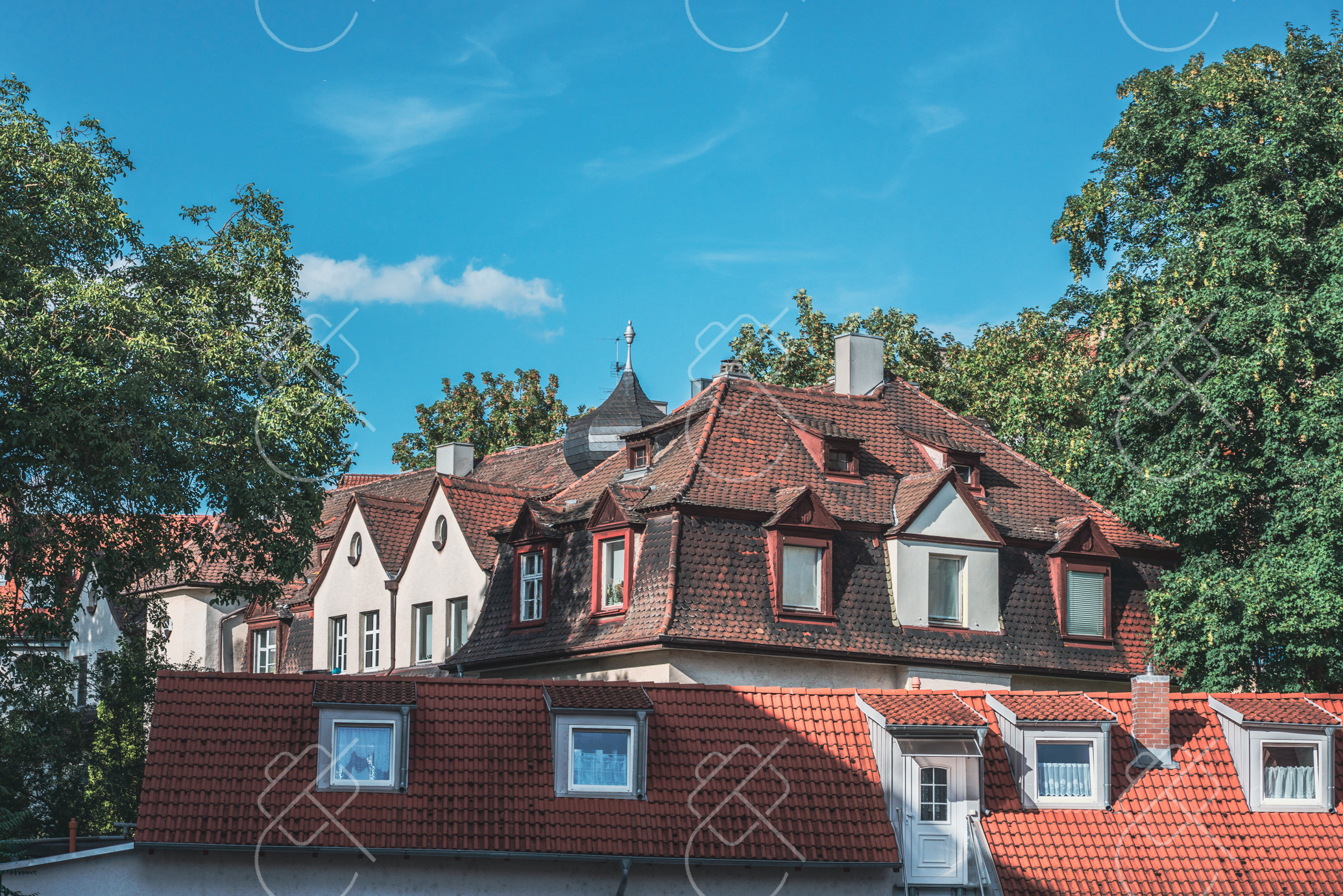
Würzburg is a Franconian city on the Main river built around the Würzburg Residence, a UNESCO-listed Baroque palace with a famous Tiepolo ceiling fresco, and the older Marienberg Fortress on the hill directly across the water.
The Würzburg Residence was commissioned in 1720 by Prince-Bishop Johann Philipp Franz von Schönborn, who decided to abandon the prince-bishops' medieval seat at Marienberg Fortress in favor of a grand new palace in the valley — a project that took sixty years, with the shell finished by 1744 and the interior completed in 1780. Its centerpiece is architect Balthasar Neumann's staircase, roofed by an unsupported vault and topped with a ceiling fresco painted by Giovanni Battista Tiepolo in 1752–53: at 18 by 30 meters, it's one of the largest frescoes ever created, personifying the four continents in a single composition. UNESCO listed the Residence and its gardens as a World Heritage Site in 1981, and the palace survived a 1945 firestorm that destroyed most of the rest of Würzburg largely because its vaulted stairwell held the roof up through the bombing.
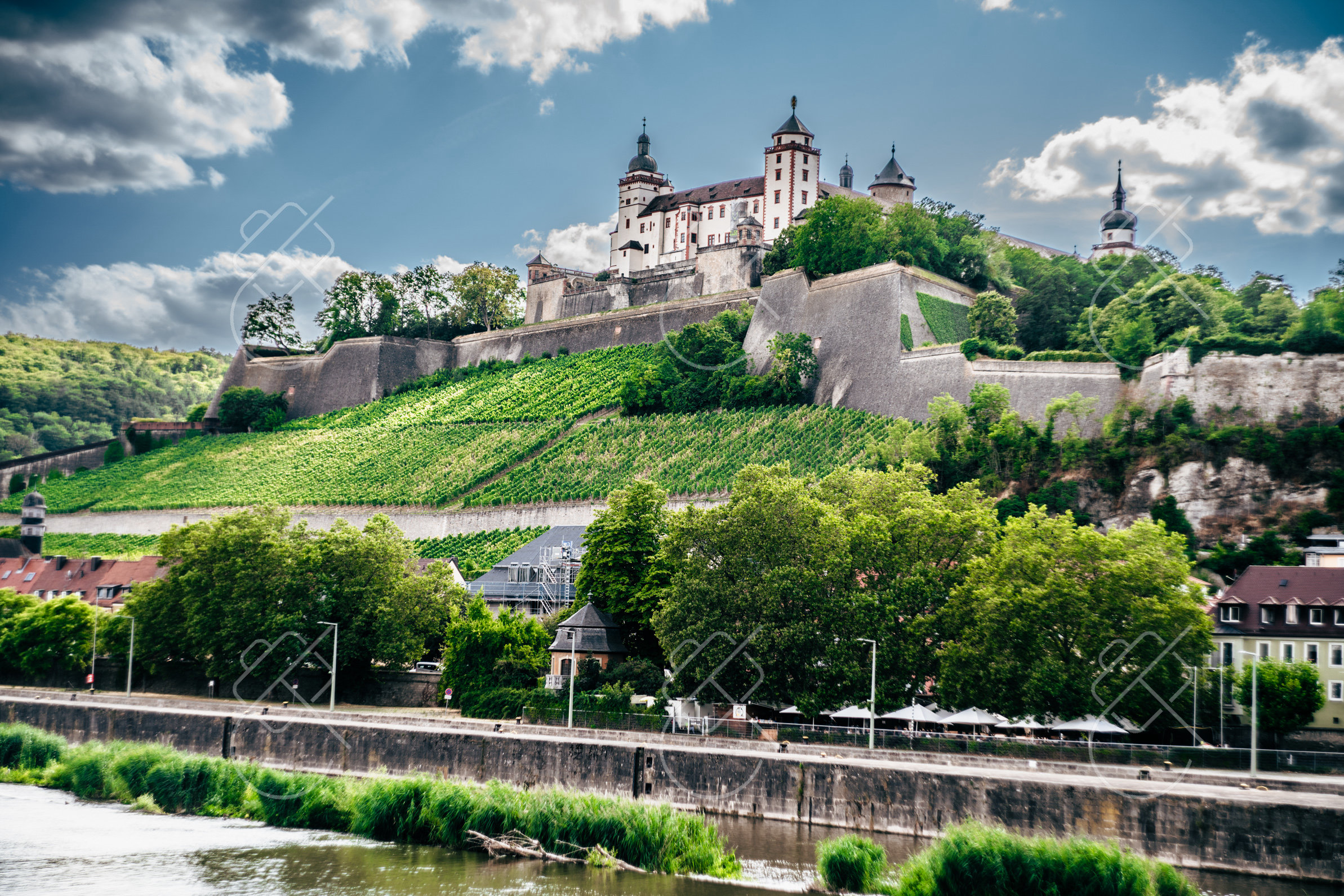
Marienberg Fortress above terraced vineyards on the hill across the Main
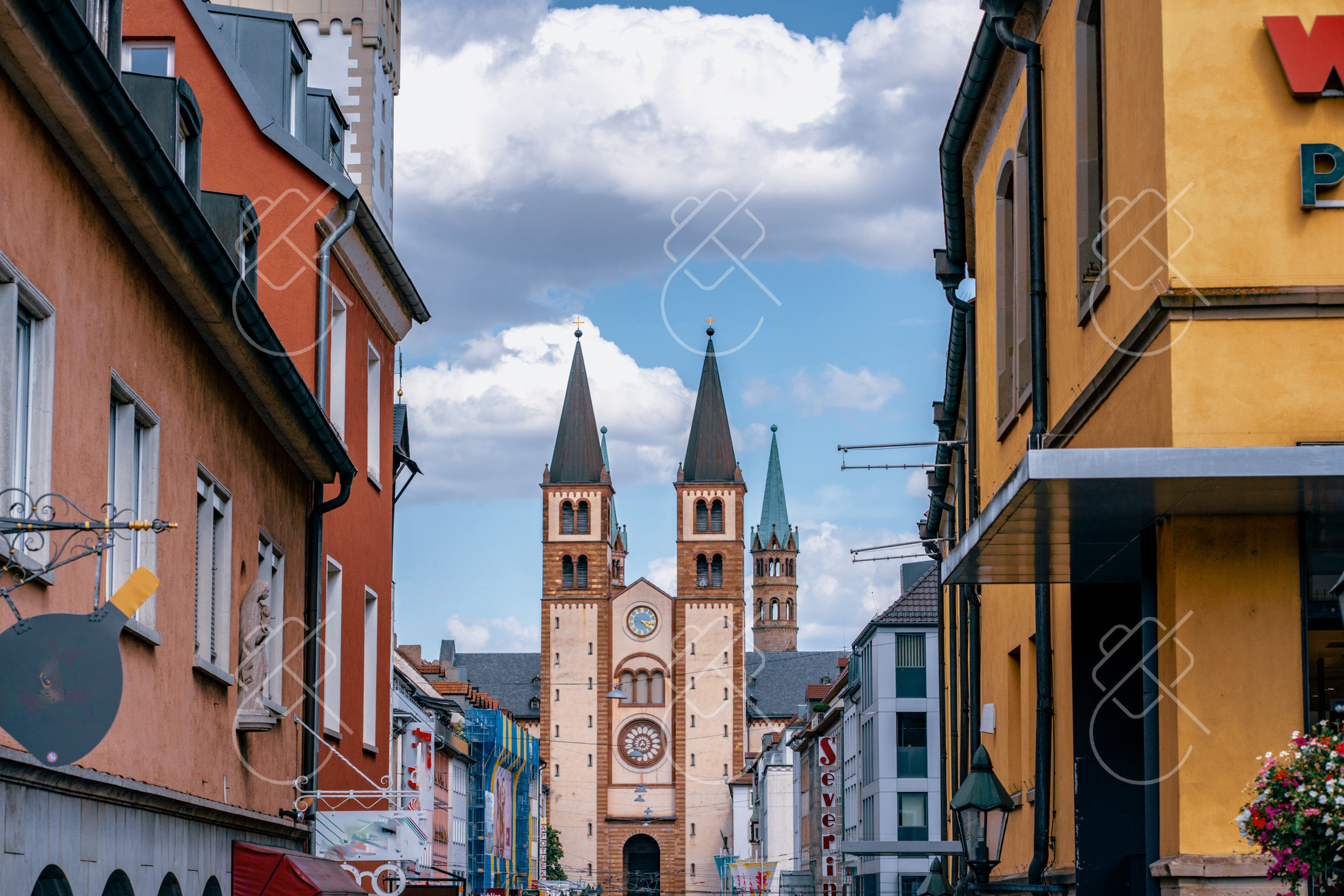
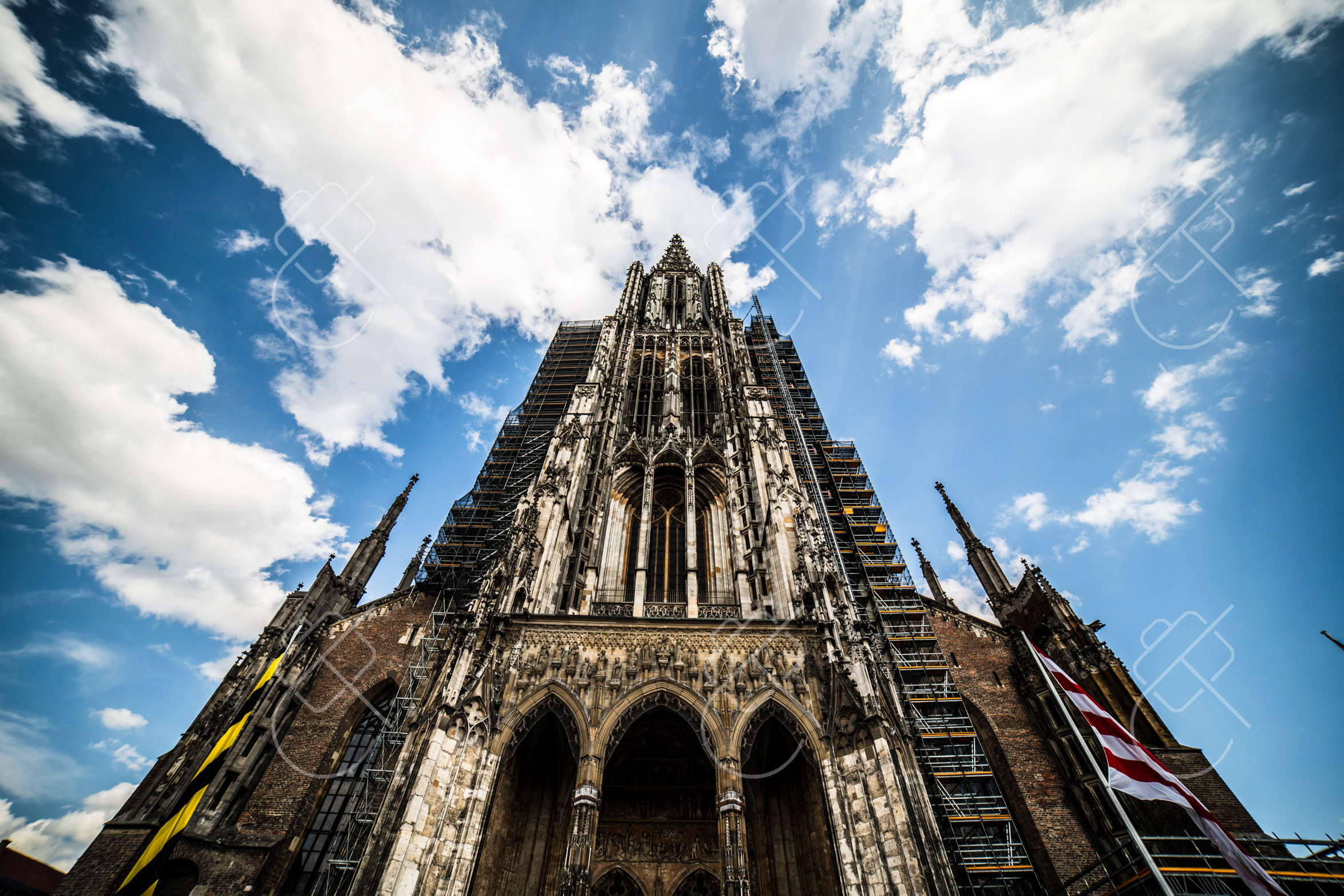
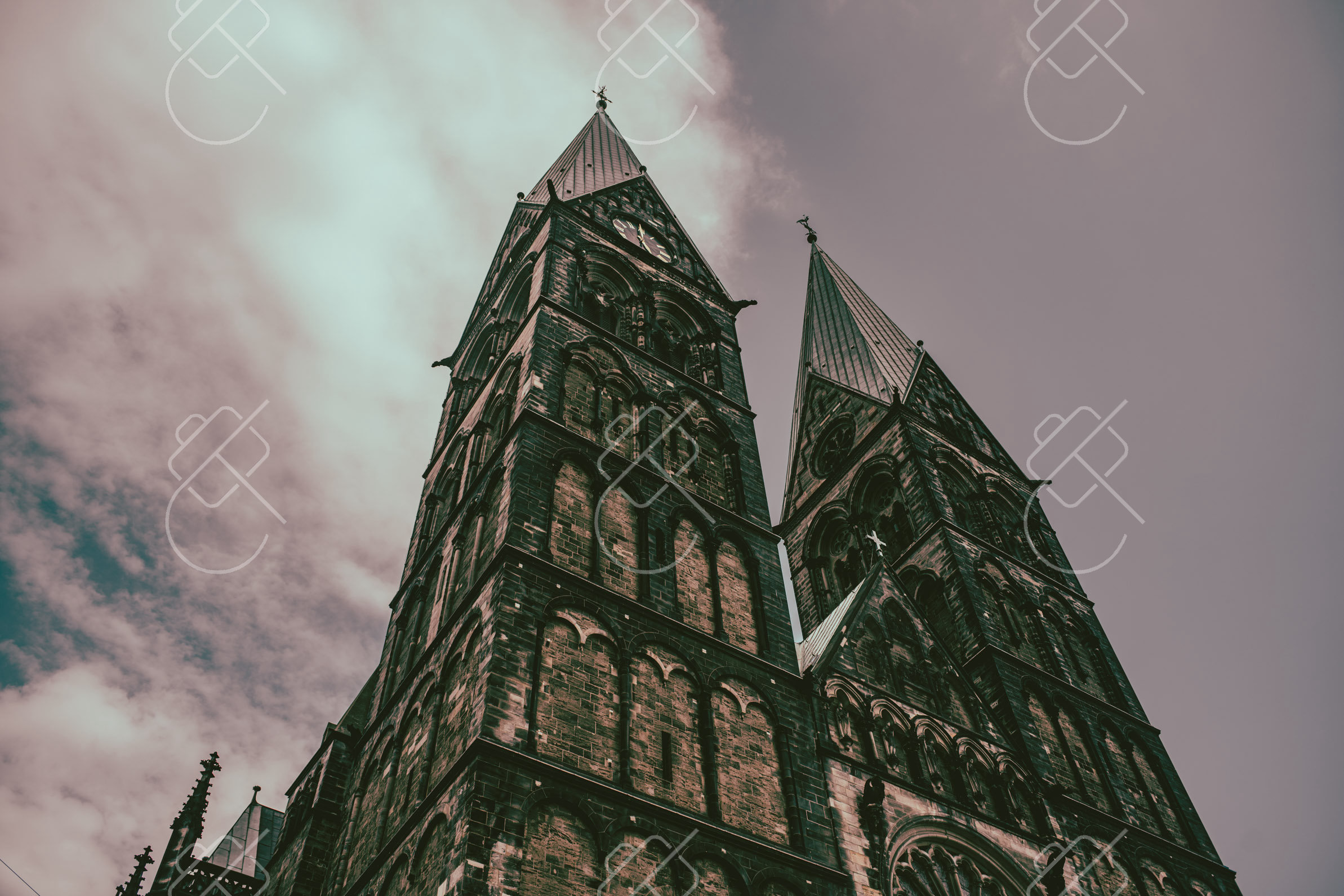
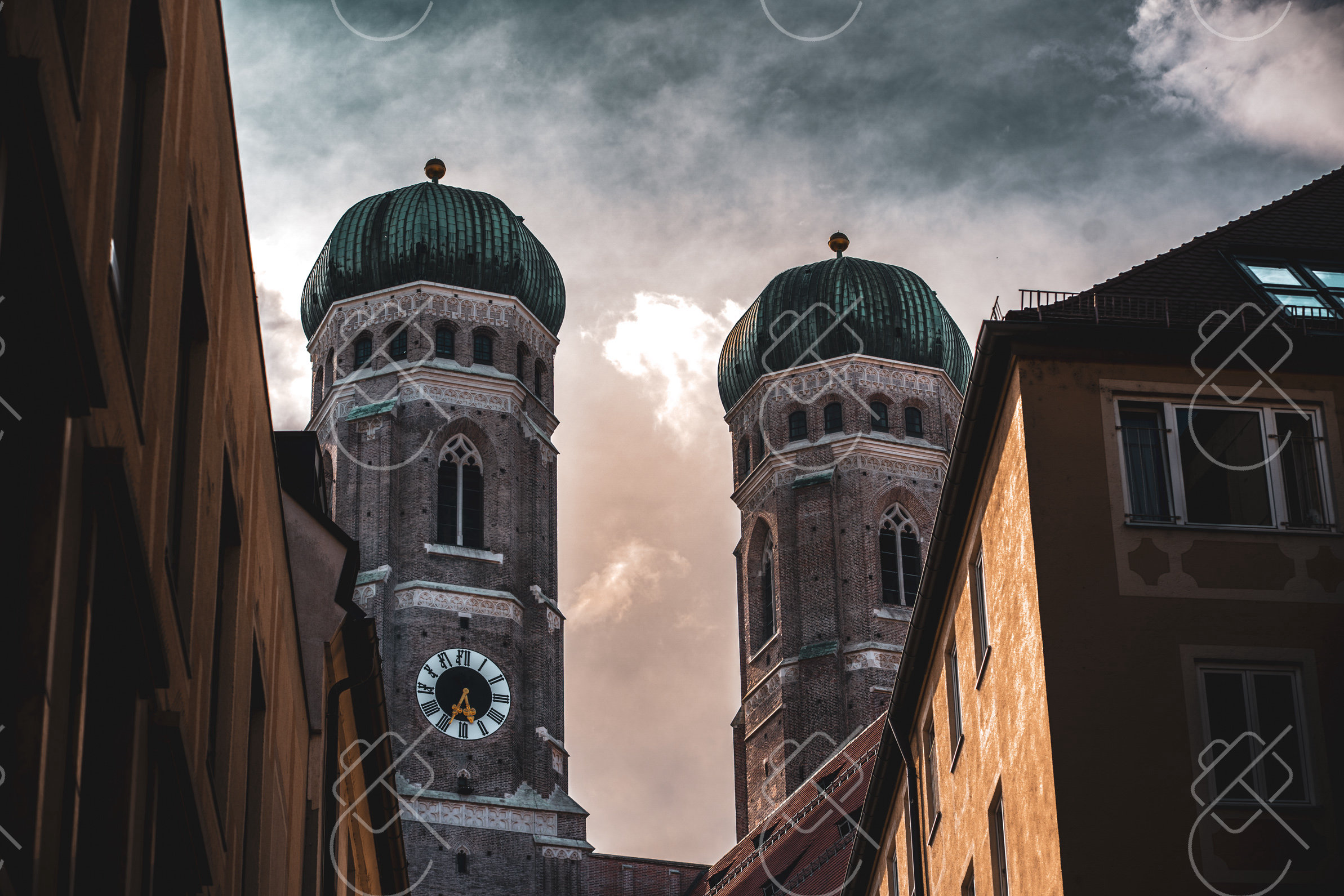
Across the Main, the Marienberg Fortress traces over a thousand years of Franconian history on the same hilltop the prince-bishops abandoned for the Residence, its ramparts now wrapped in the vineyard terraces that still produce Franconian wine. Between the two landmarks, the Old Main Bridge — built from the 12th century onward and lined with 12 Baroque saint statues — crowds with locals drinking wine standing up at dusk, a Würzburg tradition. The old town in between holds its own Gothic set pieces: the twin-towered Würzburg Cathedral, one of Germany's largest Romanesque churches, and the freestanding red sandstone spire of the Marienkapelle, visible over the rooftops from streets away.
Late spring through early autumn, when the vineyard terraces below Marienberg Fortress are green and evenings on the Old Main Bridge stay warm enough to linger with a glass of Franconian wine.
Stay in the old town within walking distance of the Residence and the Old Main Bridge, close enough to walk up to Marienberg Fortress in the morning.
Try Franconian wine — specifically a dry Silvaner in the distinctive flat Bocksbeutel bottle — at a Weinstube near the Old Main Bridge, paired with Fränkische Bratwurst.
Book the Residence's staircase and Tiepolo fresco as a guided or timed-entry visit in advance in summer — it's the single most-visited room in the palace and ticket lines back up fast.
Get the best deals on flights and hotels to Würzburg on Expedia.
Transit cards, local customs, visa rules, and practical travel guides for this region.
See every destination from the 526-day journey:
Browse all destinationsCurious about the gear behind these photos? See the gear list.