
Home
About us
Destinations
Travel Guides
Recipes
Featured
Photos As Art
Abstract Prints
Locations
Travel Gear
Travel Resources
Favorites
Photo Framer
Explore Photos
ContactBremen built its fortune as a Hanseatic League trading port, and its old town still shows it: the UNESCO-listed Rathaus and Roland statue anchor a market square ringed with stepped-gable merchant houses, while the narrow Expressionist facades of Böttcherstraße and the crooked medieval lanes of the Schnoor quarter make it one of northern Germany's most photogenic city centers.
Published January 8, 2026
Tap any photo to open it full-screen and order a print.
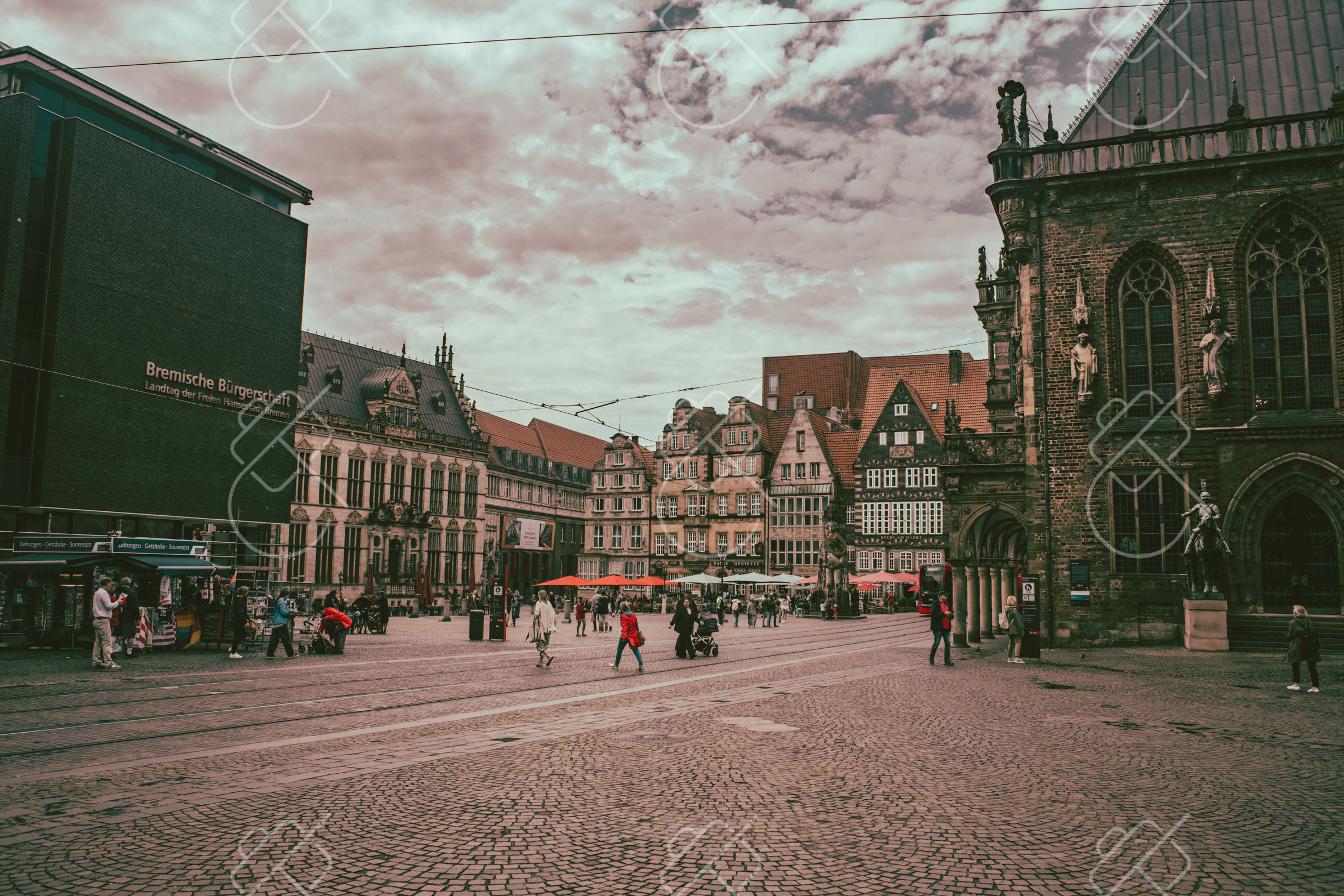
Bremen is a Hanseatic port city on the Weser River, where the UNESCO-listed Rathaus and Roland statue preside over a market square of stepped-gable merchant houses, and the narrow lanes of Böttcherstraße and the Schnoor quarter recall the medieval town beneath the modern city.
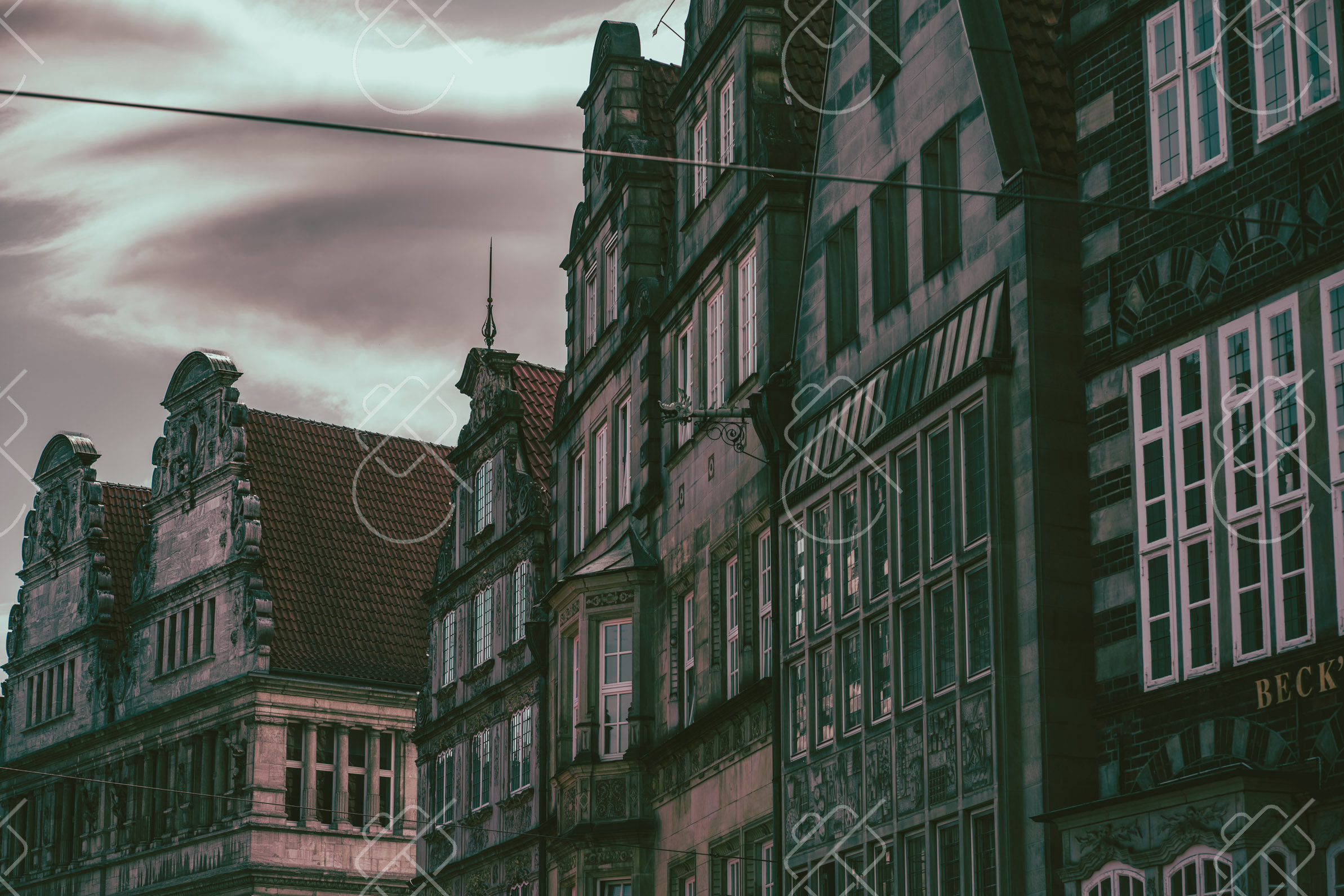
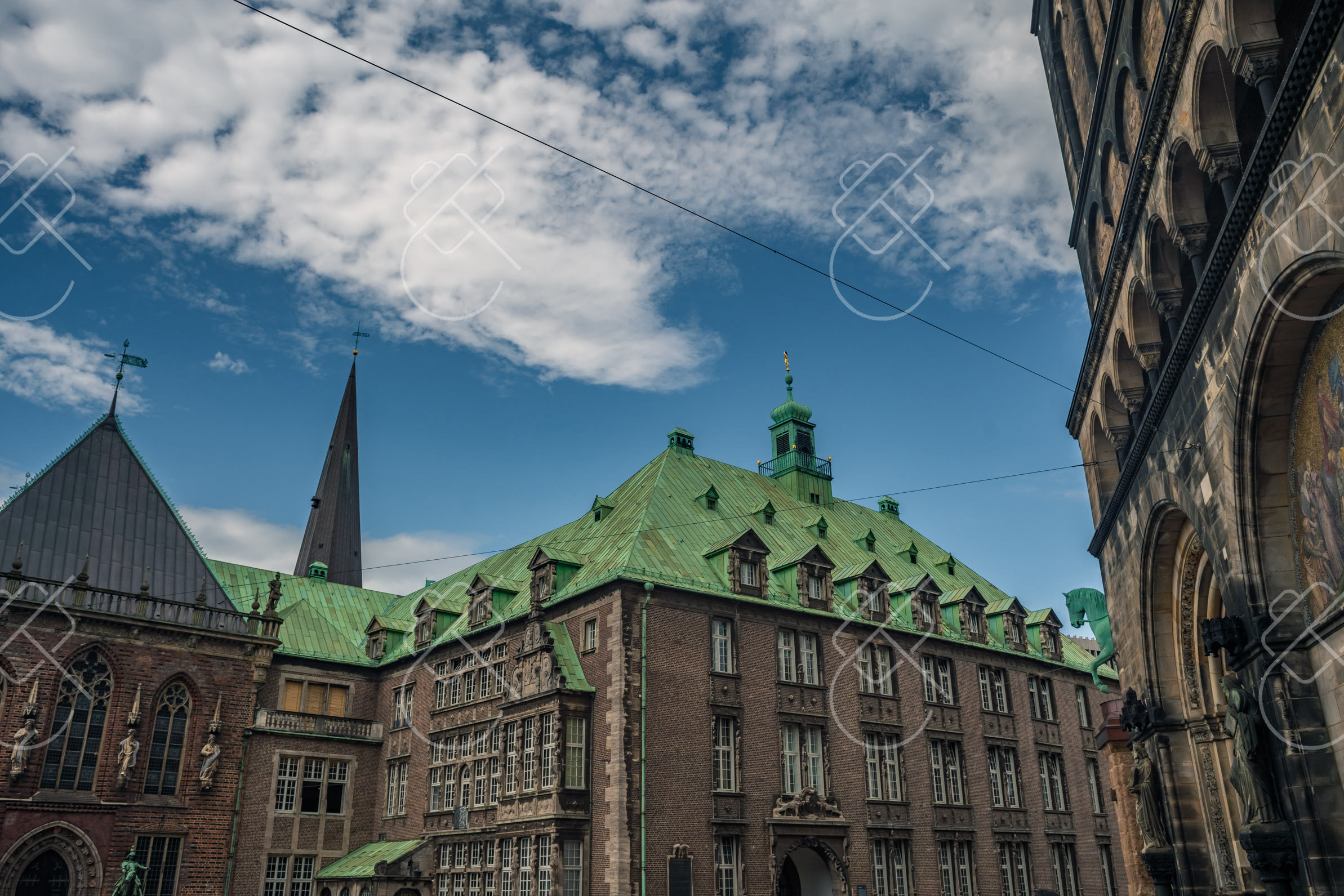
Bremen joined the Hanseatic League in the 13th century, and the wealth from that trading network still shows on the Marktplatz, where the Rathaus's ornate Weser Renaissance facade and steep green copper roof face the Roland statue — a 1404 stone knight that the city hoisted specifically to assert its independence from the local bishop and archbishop. Both the Rathaus and Roland were named a joint UNESCO World Heritage Site in 2004, one of the few civic rather than religious monuments to earn that status in Germany. Just off the square, the twin brick spires of St. Petri Dom rise over rows of stepped-gable merchant houses; climb the south tower for a view over the old town's red rooftops, or step inside to see the ribbed Gothic vaulting and stained glass over the choir. The market square still functions as the city's civic heart, hosting markets and the twice-yearly Freimarkt fair in a space that's changed remarkably little since the 15th century.
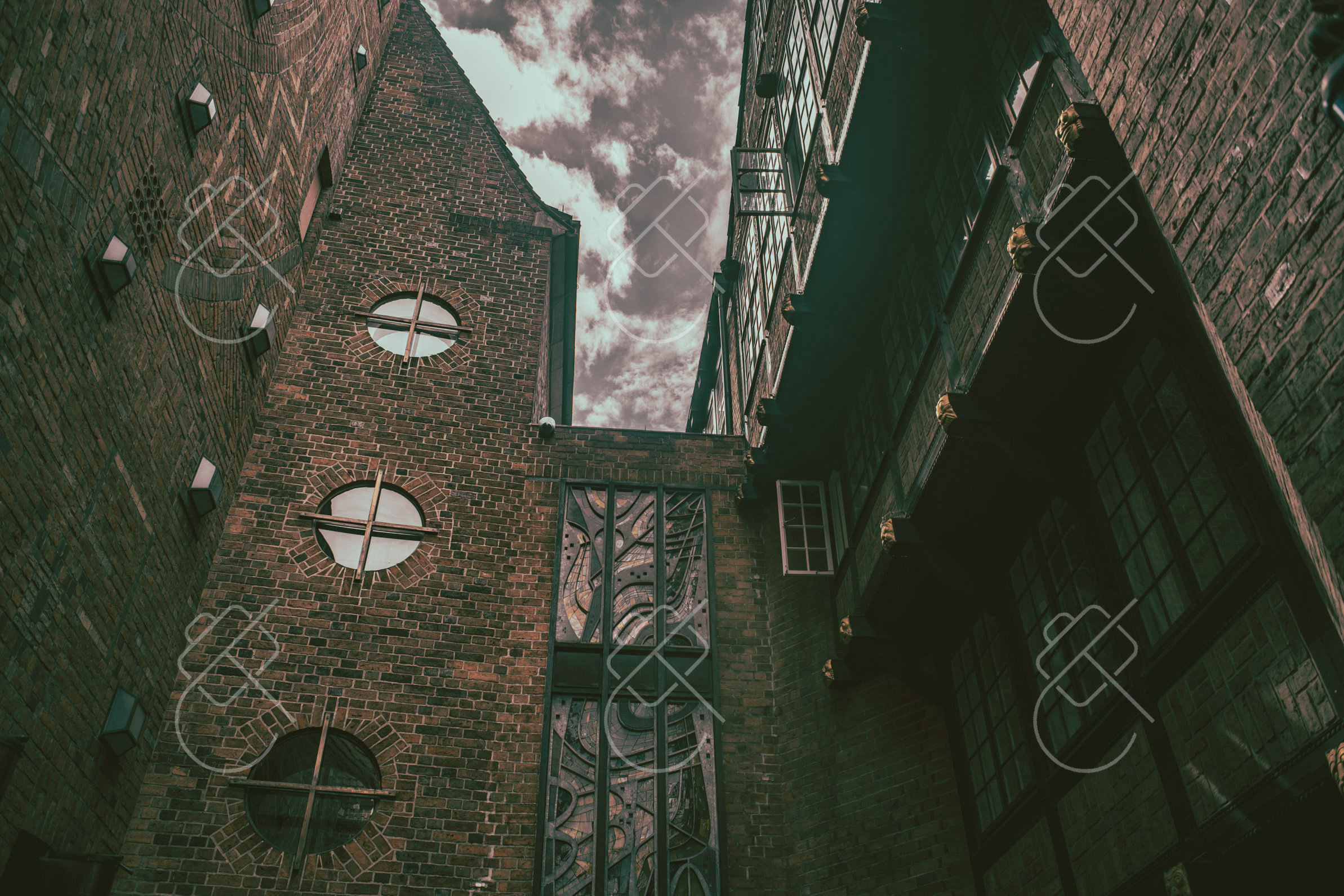
The Expressionist brick facade and gold relief of Böttcherstraße's tower
A block from the Rathaus, Böttcherstraße is barely 100 meters long but unlike anything else in the old town: coffee merchant Ludwig Roselius rebuilt the medieval coopers' street in the 1920s as a showcase of Brick Expressionist architecture, capped by Bernhard Hoetger's gilded relief of the Archangel Michael over the entrance arch. It's now lined with small museums, a glockenspiel with rotating wooden panels, and craft workshops that keep the street feeling handmade rather than corporate. East of the Rathaus, the Schnoor quarter is Bremen's oldest surviving neighborhood, a tangle of lanes barely wide enough for two people to pass, built up around a medieval fishing and craftsmen's settlement and now filled with jewelers, glassblowers, and cafes in houses that lean into each other over the cobbles. Bremen's most famous export is arguably fictional: the Brothers Grimm's 'Town Musicians of Bremen' — a donkey, dog, cat, and rooster stacked on each other's backs — never actually reach the city in the story, but a bronze statue of them stands by the Rathaus, its front legs polished gold by tourists rubbing the donkey for luck.
Late spring through early autumn (May to September) brings the mildest weather and the longest evenings for wandering the old town after the day-trip crowds thin out.
Base yourself in the Altstadt within walking distance of the Marktplatz, so the Rathaus, Böttcherstraße, and Schnoor quarter are all reachable on foot.
Try Bremer Knipp (a pan-fried oat-and-pork dish), Birnen, Bohnen und Speck (pears, green beans, and bacon), and a pilsner from Beck's, the brewery still based in the city.
Climb St. Petri Dom's south tower right when it opens at 10am — it's a narrow one-way spiral stair, and by midday you'll be queuing behind tour groups off the river cruises.
Get the best deals on a place to stay in Bremen on Booking.com.
Through Bremen, Germany and everywhere else on this trip, World Nomads was the travel insurance we carried the whole way.
Transit cards, local customs, visa rules, and practical travel guides for this region.
See every destination from the 526-day journey:
Browse all destinationsCurious about the gear behind these photos? See the gear list.