
Home
About us
Destinations
Travel Guides
Recipes
Featured
Photos As Art
Abstract Prints
Locations
Travel Gear
Travel Resources
Favorites
Photo Framer
Explore Photos
ContactSouth Korea occupies the southern half of the Korean Peninsula and compresses dense, high-tech cities, ancient palaces, mountainous national parks and a long coastline into a compact, easily traveled country. A fast and extensive rail network links Seoul in the north to Busan in the south in under three hours, and the four sharply defined seasons each transform the landscape — cherry blossom in spring, monsoon green in summer, blazing foliage in autumn and snow in winter. Traditional hanok architecture, Buddhist temples and Joseon-era palaces sit alongside some of the world's most modern urban skylines.
Published January 28, 2026
Tap any photo to open it full-screen and order a print.
Seoul, the capital, is a vast metropolis of more than nine million people set along the Han River and ringed by mountains. It juxtaposes grand Joseon-dynasty palaces and traditional hanok quarters with neon-lit shopping districts and futuristic architecture.
At the city's historic heart stand five Joseon-era palaces, of which Gyeongbokgung is the largest and grandest, its throne hall framed by the peak of Bugaksan behind. Nearby, the Bukchon Hanok Village preserves narrow lanes of traditional tile-roofed houses between the palaces, and the changing of the royal guard is staged daily at the main gates. Many visitors rent hanbok, the traditional dress, to wander these sites.
Modern Seoul rises right alongside the old. The 236-meter N Seoul Tower crowns Namsan mountain with panoramic city views, the curving Dongdaemun Design Plaza is a landmark of contemporary architecture, and districts such as Gangnam, Myeongdong and Hongdae blaze with signage after dark. The restored Cheonggyecheon stream threads a green corridor through downtown, and the mountains surrounding the city give elevated lookouts over the skyline.
Spring (April–May) for cherry blossoms and autumn (September–November) for crisp weather and foliage are ideal; avoid the humid summer monsoon and bitterly cold winter.
Staying near Gyeongbokgung and Insadong places the palaces, hanok villages and downtown all on foot, while Myeongdong suits shoppers.
Korean barbecue grilled at the table, bibimbap, kimchi in countless forms, and street snacks such as tteokbokki and hotteok in the night markets.
The hanok lanes of Bukchon are residential and quietest at dawn, when you can walk the sloping streets and tiled rooftops before the crowds and rented hanbok arrive.
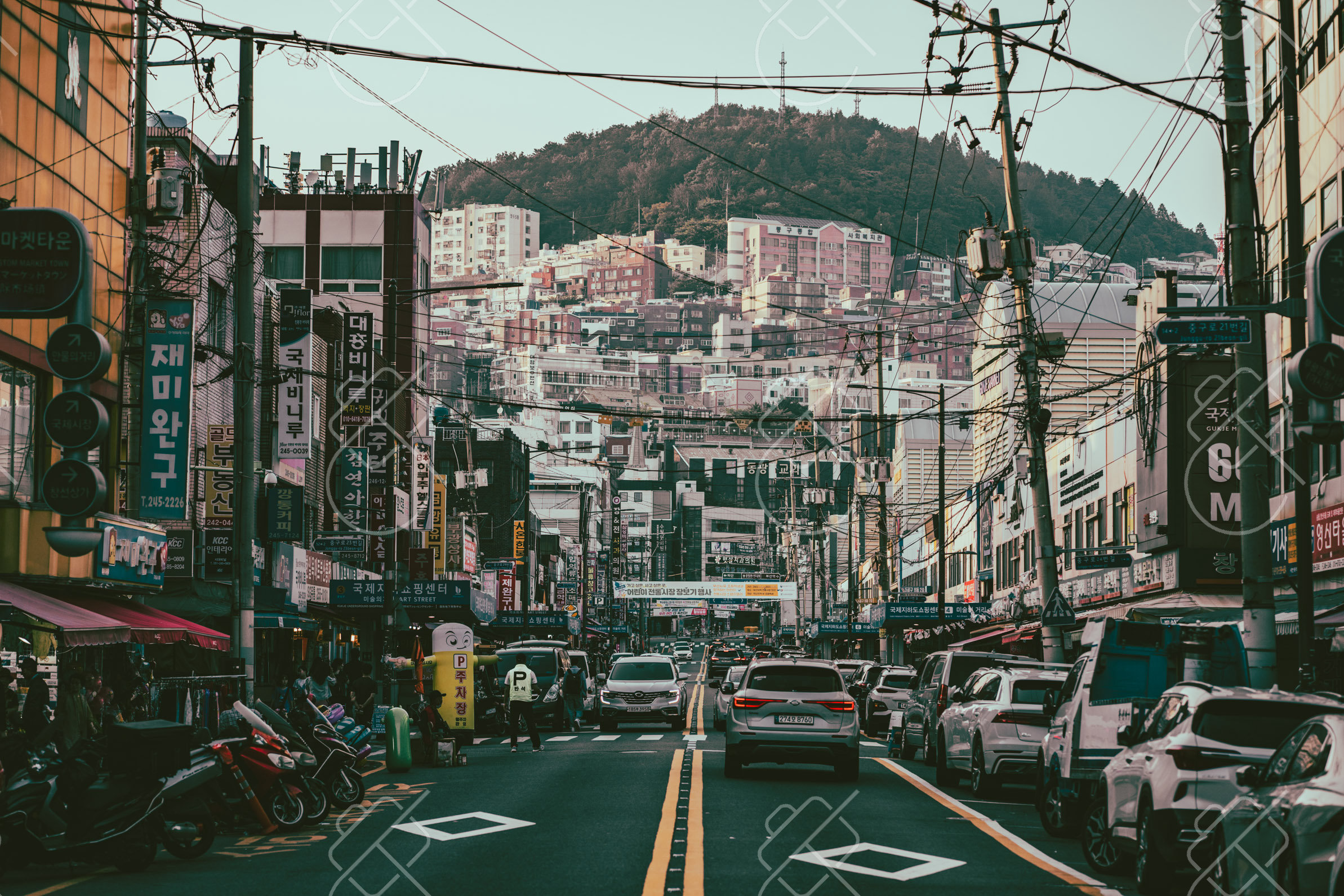
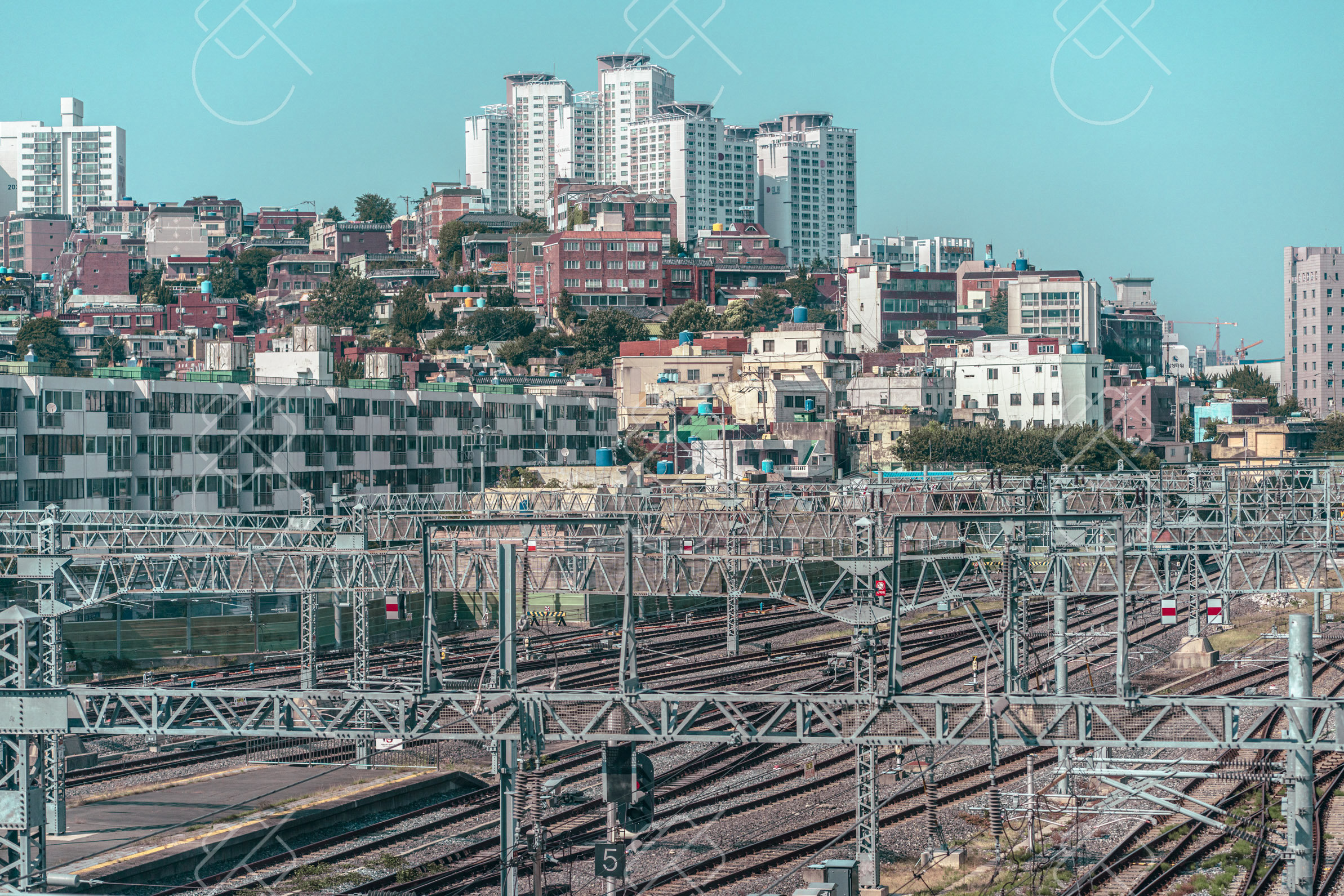
Busan is South Korea's second city and largest port, a coastal metropolis spread between mountains and the sea on the country's southeastern tip. It is celebrated for its beaches, its vast seafood market, and a brightly painted hillside village.
Set around natural harbors, Busan combines city beaches such as Haeundae and Gwangalli with the bustle of Jagalchi, the largest seafood market in the country, where the morning catch is sold and cooked on the spot. The Gwangan Bridge spans the bay and is illuminated at night above the beach and skyline. The city hosts a major international film festival each autumn.
On a steep hillside, the Gamcheon Culture Village is a maze of pastel houses stacked above the harbor, originally a refugee settlement and now a lively arts district threaded with murals, cafés and tiny galleries. To the east, the Haedong Yonggungsa temple is unusual among Korean temples for its perch directly on the rocky coast, where waves break beneath its pavilions.
Late spring and early autumn bring mild weather; summer is warm and beach-perfect but crowded, while the city hosts its renowned international film festival in October.
Haeundae offers beachfront hotels and dining, while staying near Nampo-dong places the markets and Gamcheon within easy reach.
Raw fish (hoe) straight from Jagalchi market, dwaeji gukbap (pork soup), and milmyeon, a Busan noodle dish.
Gamcheon's layered houses are best explored on foot from the marked viewpoints, wandering the stepped alleys between the painted walls and small craft shops.
On a steep hillside, the Gamcheon Culture Village is a maze of pastel houses stacked above the harbor, originally a refugee settlement and now a lively arts district threaded with murals, cafés and tiny galleries.
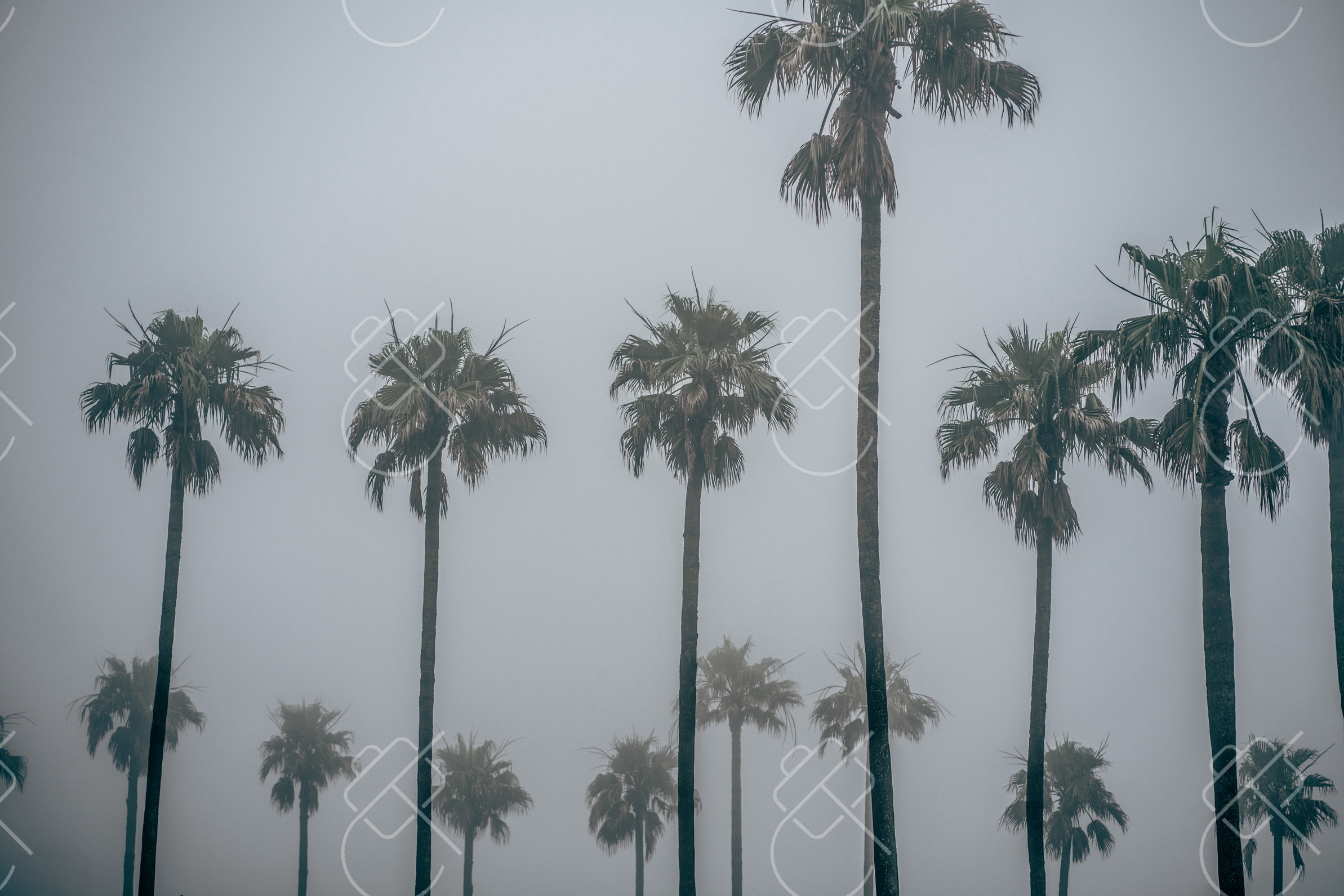
Jeju City is the main city and gateway of Jeju Island, a volcanic island off South Korea's south coast and a UNESCO-listed natural area. It serves as the arrival point for an island defined by its volcano, lava tubes, waterfalls and dramatic coastline.
Jeju Island was formed by volcanic activity centered on Hallasan, a 1,947-meter shield volcano that is South Korea's highest mountain, with a crater lake at its summit. The island's volcanic origins are recognized by UNESCO, which lists Hallasan, the Geomunoreum lava-tube system and the Seongsan Ilchulbong tuff cone among its natural World Heritage features. Jeju City, on the north coast, is where most visitors arrive by air or sea.
Around the coast, Seongsan Ilchulbong, the Sunrise Peak, is a grass-topped volcanic crater rising from the sea where crowds gather to watch the sun come up. The island is dotted with waterfalls, basalt-column sea cliffs at Jusangjeolli, and the living tradition of the haenyeo, the female free-divers who harvest seafood without breathing equipment. Black volcanic rock, dol hareubang stone statues and stone walls run through the landscape.
Spring (April–May) for blooming canola fields and autumn for mild weather are best; summer is warm but rainy, while winter is mild compared to the mainland.
Jeju City suits arrivals and transport links, while the eastern town of Seongsan is best placed for the Sunrise Peak.
Fresh abalone and seafood harvested by the haenyeo divers, black pork barbecue unique to the island, and hallabong citrus.
Seongsan Ilchulbong is named for its sunrise, so an early climb up the crater rim catches the light over the sea before the day-trip crowds.
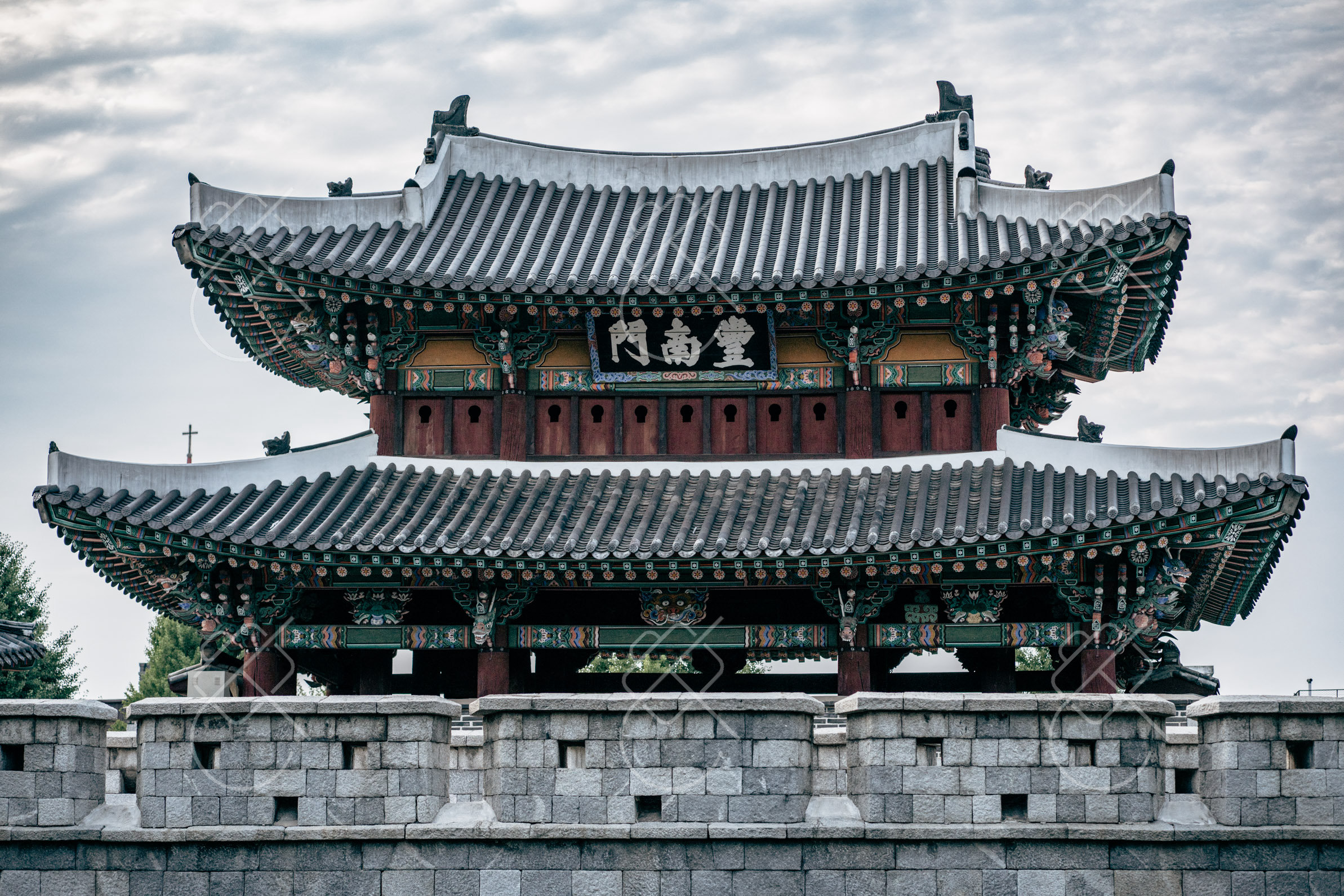
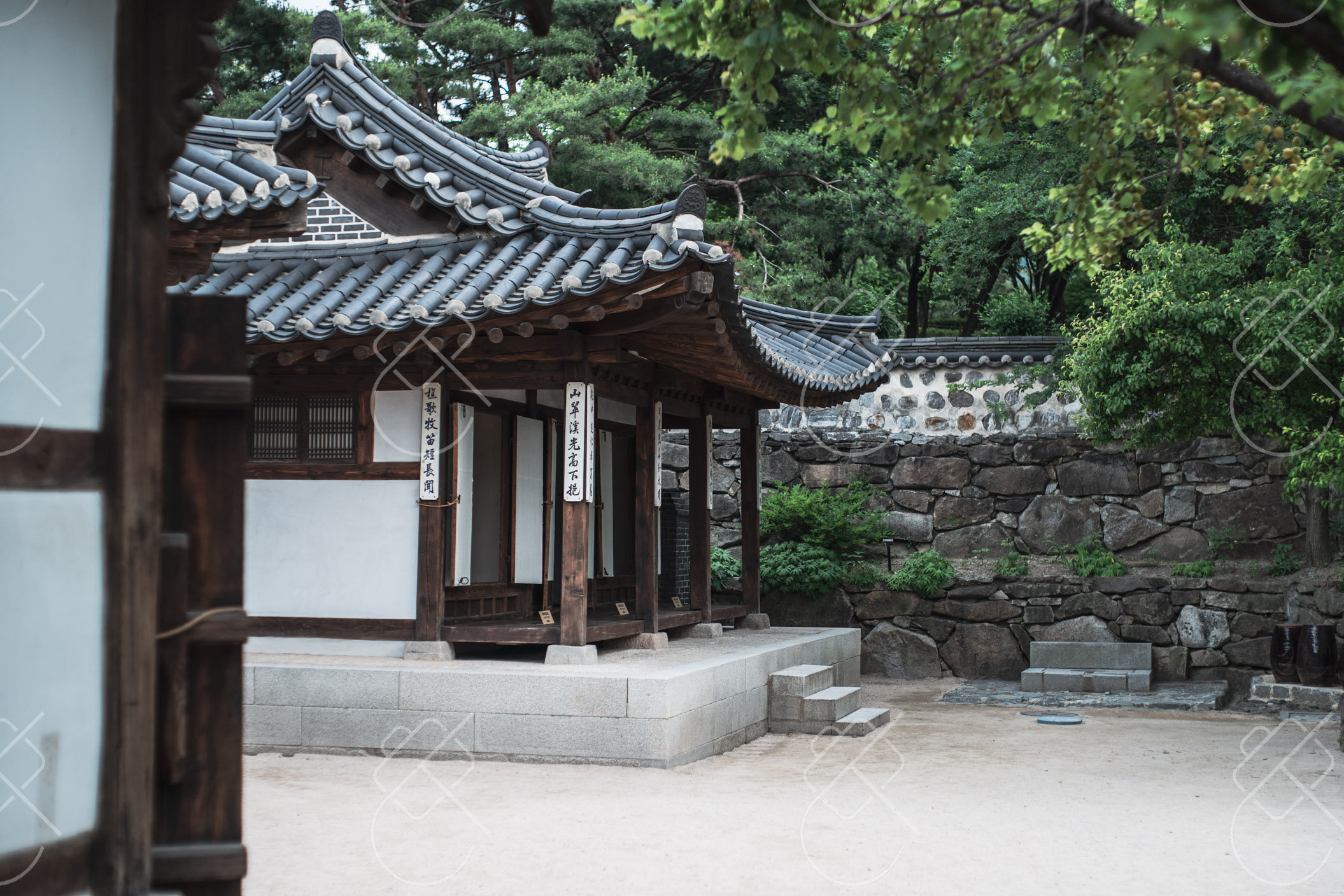
Jeonju, in the southwest, is regarded as a guardian of traditional Korean culture and the birthplace of the national dish bibimbap. Its centerpiece is a large, preserved hanok village of hundreds of traditional tile-roofed houses.
The Jeonju Hanok Village contains more than 700 traditional hanok houses, the largest such concentration in any Korean city, with sweeping tiled roofs, courtyards and lanes where visitors try traditional crafts, sip tea and hire hanbok. The village is overlooked from the Omokdae pavilion, which opens up an elevated view across a sea of curved rooftops, especially fine in soft, low light.
Jeonju is also a UNESCO City of Gastronomy, celebrated above all for Jeonju bibimbap, the rice-and-vegetable dish in its most refined form. Within and beside the village stand the Gyeonggijeon shrine, holding a royal portrait of the founder of the Joseon dynasty, and the Jeondong Catholic Church, an early 20th-century brick landmark that contrasts with the surrounding hanok architecture.
Spring and autumn offer comfortable weather for exploring the hanok village; visit in autumn (October) for pleasant temperatures and traditional food festivals.
Staying within the hanok village, including in converted traditional houses, places the shrines, viewpoints and food streets at the doorstep.
Jeonju bibimbap, the city's signature dish; kongnamul gukbap (bean-sprout rice soup); and a wide range of street food along the village lanes.
The Omokdae and hillside viewpoints give the cleanest overview of the rooftops, with the curved tiles looking their best in the warm, low light at either end of the day.
The village is overlooked from the Omokdae pavilion, which opens up an elevated view across a sea of curved rooftops, especially fine in soft, low light.
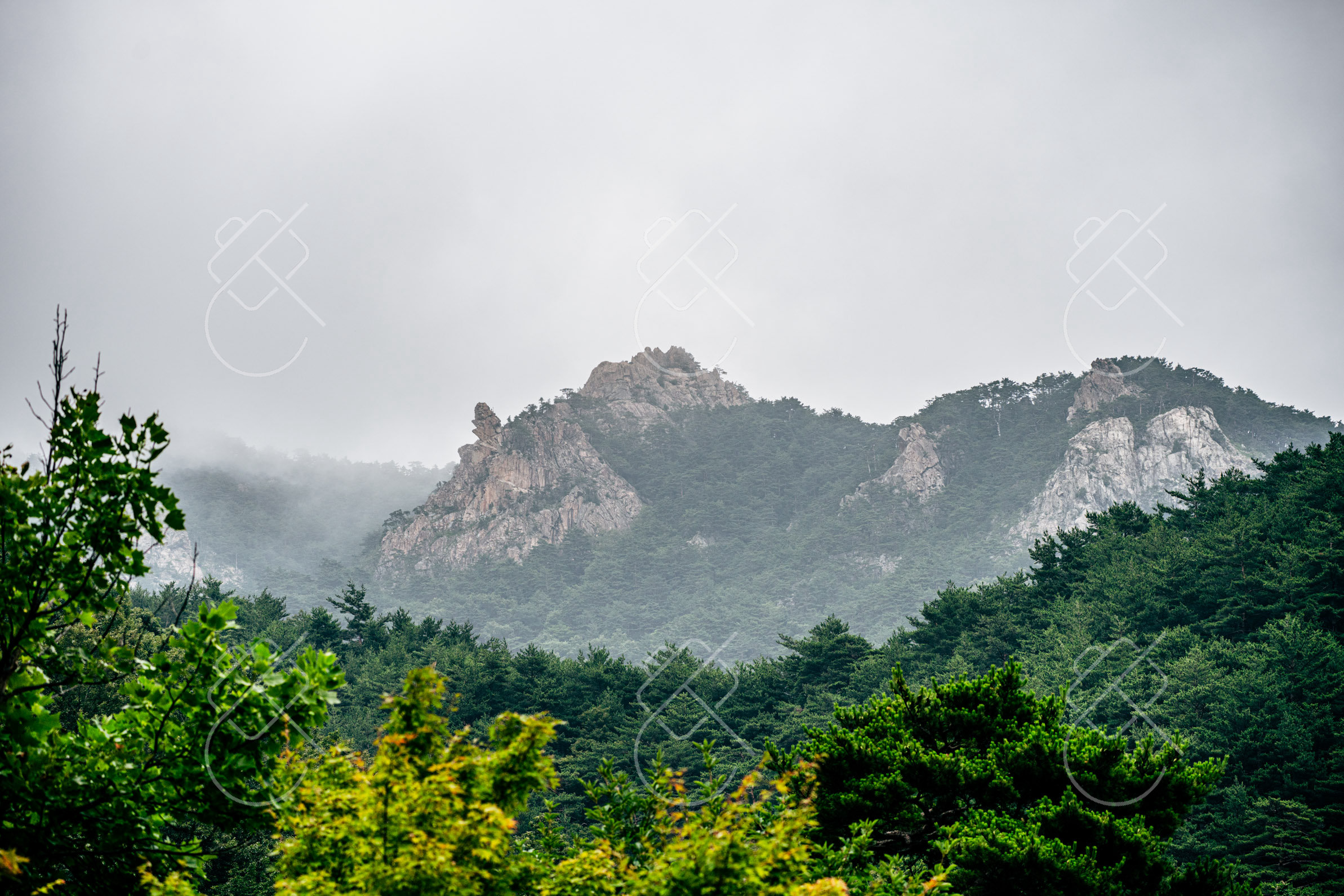
Sokcho is a coastal city on South Korea's northeastern shore, set between the East Sea and the rugged peaks of Seoraksan National Park. It combines beaches and a working fishing harbor with one of the country's most celebrated mountain parks.
Sokcho's main draw is its position at the gateway to Seoraksan, widely considered the most beautiful mountain park in South Korea. Granite peaks, ravines, waterfalls and temples make it a prime destination for autumn foliage, when the slopes turn red and gold and a cable car carries visitors toward the rocky ridgeline at Gwongeumseong. The park holds the Sinheungsa temple and a large bronze Buddha statue near its entrance.
The city itself faces the East Sea with broad beaches and a busy harbor known for fresh seafood. The Abai Village, a settlement founded by refugees from the north, is reached by a hand-pulled raft ferry across a channel and is associated with distinctive local dishes. Between the open sea on one side and the peaks of Seoraksan on the other, Sokcho gives travelers two very different worlds within minutes of each other.
Autumn (October) is spectacular for foliage in nearby Seoraksan, while summer draws beachgoers; spring is mild and winter offers a quiet coastal escape.
Basing near Sokcho's beach and harbor keeps the seafront close, while lodging near the Seoraksan park entrance suits early mountain access.
Fresh East Sea seafood including squid; ojingeo sundae (stuffed squid); and the distinctive dishes of Abai Village such as abai sundae.
Seoraksan's foliage peaks in October and draws large crowds, so an early start at the cable car or trailheads means quieter trails and clearer views of the colored ridges.
Explore regional routes with verified local fleets, zero hidden charges, and transparent insurance on Localrent.
Compare stays in South Korea and get the best deals on Booking.com.
Transit cards, local customs, visa rules, and practical travel guides for this region.
See every destination from the 526-day journey:
Browse all destinationsCurious about the gear behind these photos? See the gear list.