
Home
About us
Destinations
Travel Guides
Recipes
Featured
Photos As Art
Abstract Prints
Locations
Travel Gear
Travel Resources
Favorites
Photo Framer
Explore Photos
ContactTokyo is less a single city than a constellation of them — a dozen distinct districts, each with its own skyline, that happen to share the world's most efficient rail map. In the space of a single day you can stand under the neon crossfire of Shibuya, watch incense smoke curl in front of a temple founded in 645, and photograph a 17th-century castle watchtower reflected in a moat with glass skyscrapers stacked behind it. This guide walks through the Tokyo worth planning a trip around: where the old city survives, where the new one dazzles, and how to move between them.
Published July 6, 2026
Tap any photo to open it full-screen and order a print.
The world's most populous metropolitan area is a constellation of distinct districts rather than a single center — Shibuya and Shinjuku deliver the dense neon and crowds most associated with the city, while Yanaka, Kagurazaka, and Asakusa preserve low-rise lanes, old shopfronts, and a slower pace. The contrast between hyper-modern architecture and pockets of Edo-era calm runs through the whole city, and it is the single most rewarding thing to photograph here.
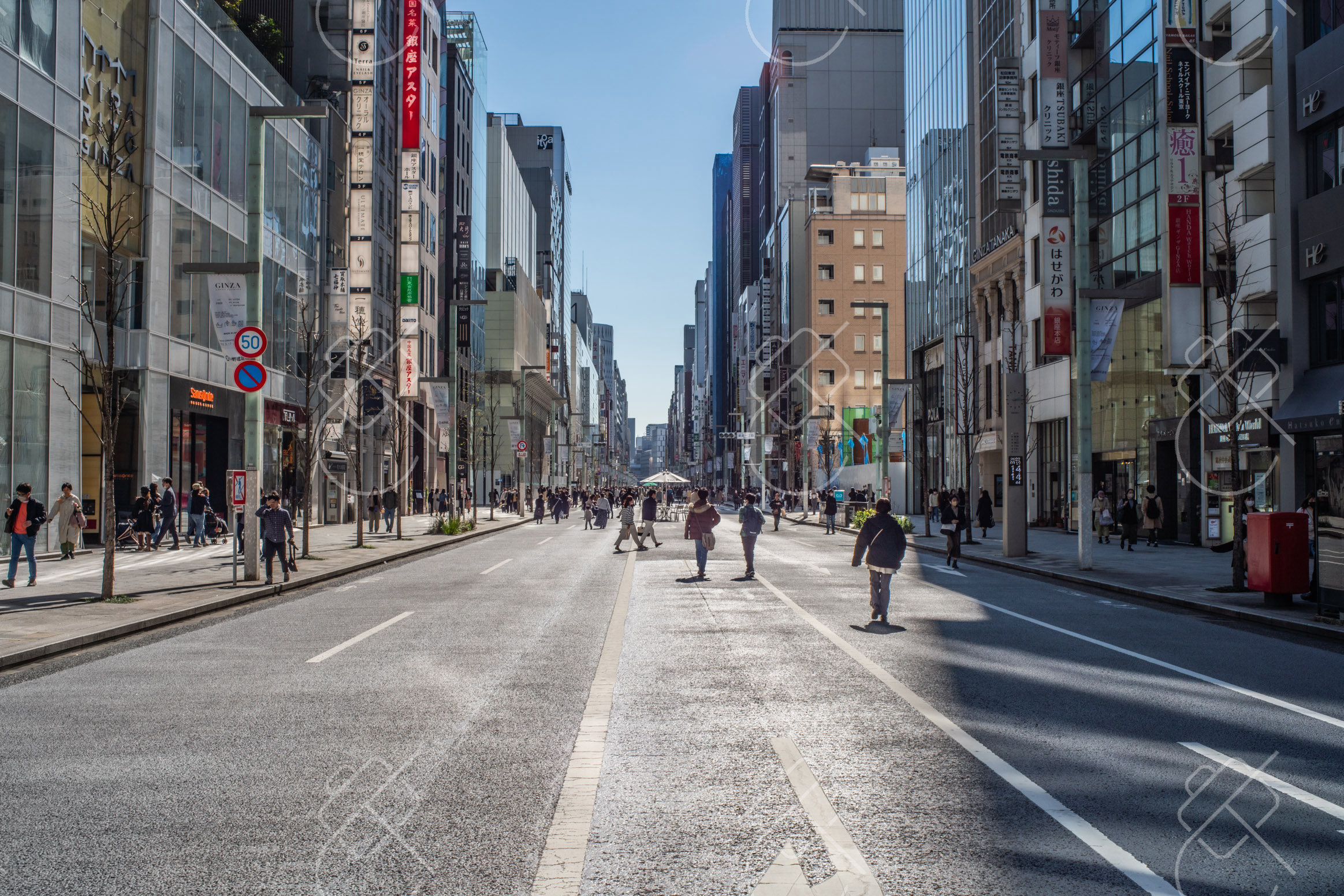
Shibuya and Shinjuku are where most first-time visitors start, and for good reason: the Shibuya Scramble is the busiest pedestrian crossing on earth, best seen from above at the Shibuya Sky deck or the second-floor Starbucks that overlooks the crowds. A few stops north, Shinjuku packs the most concentrated nightlife in the city into a handful of blocks — the lantern-lit alleyways of Omoide Yokocho and the tiny bars of Golden Gai sit a short walk from the free observation decks of the Tokyo Metropolitan Government Building, which open up a view over the whole grid toward Mount Fuji on clear winter days. After dark the signage and reflections turn the side streets electric, and the city's rail and subway network — one of the most extensive on earth — makes it painless to jump between districts.
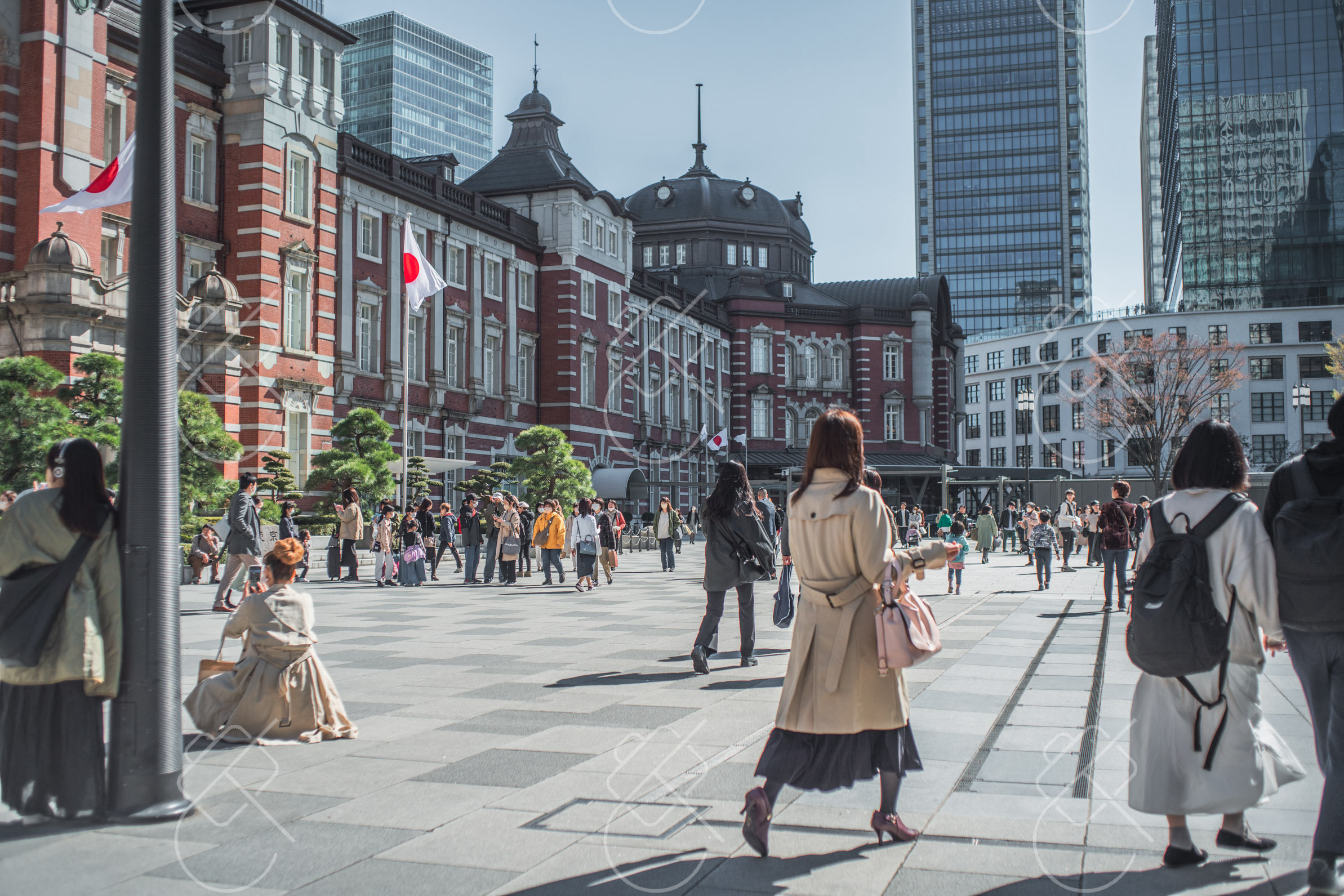
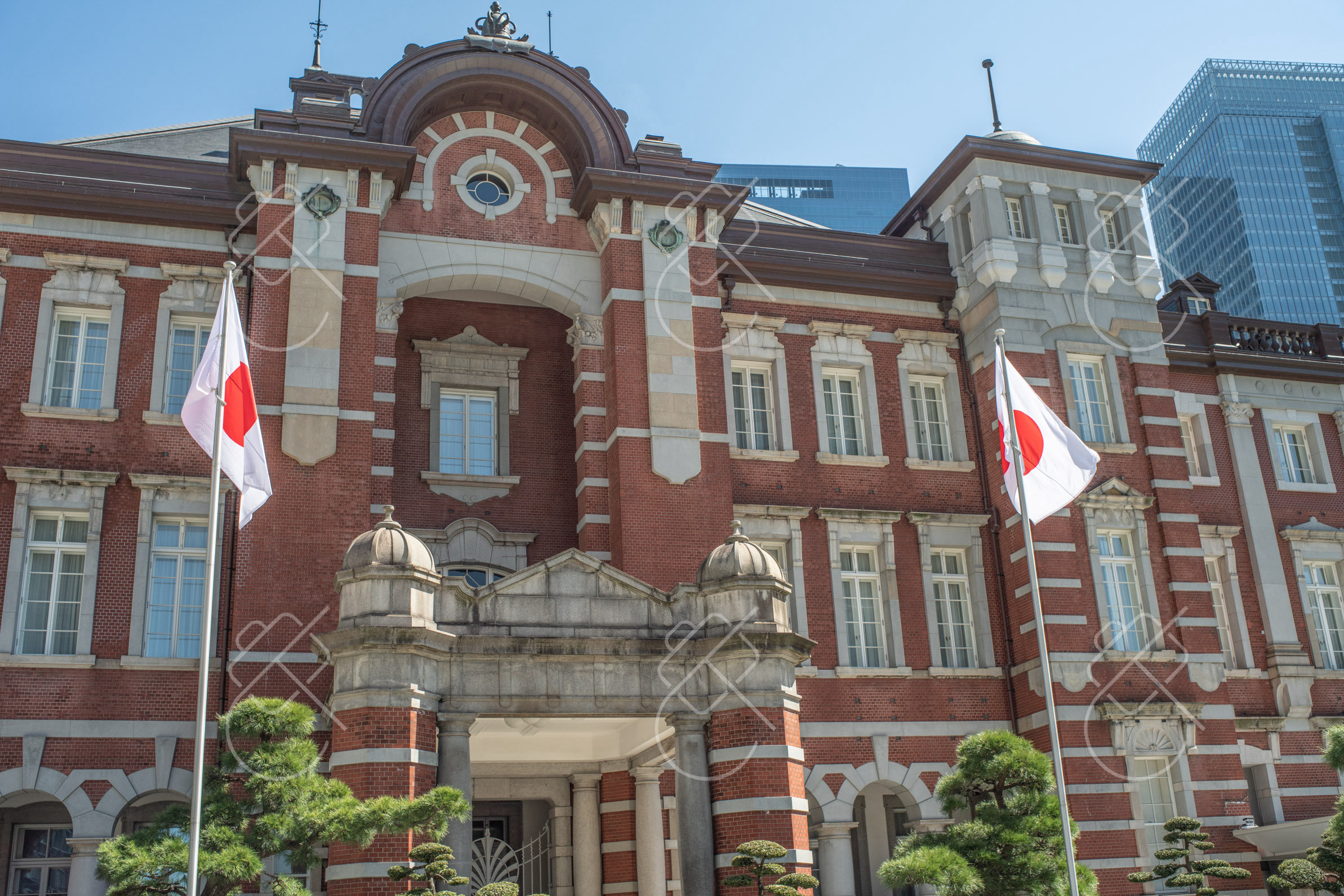
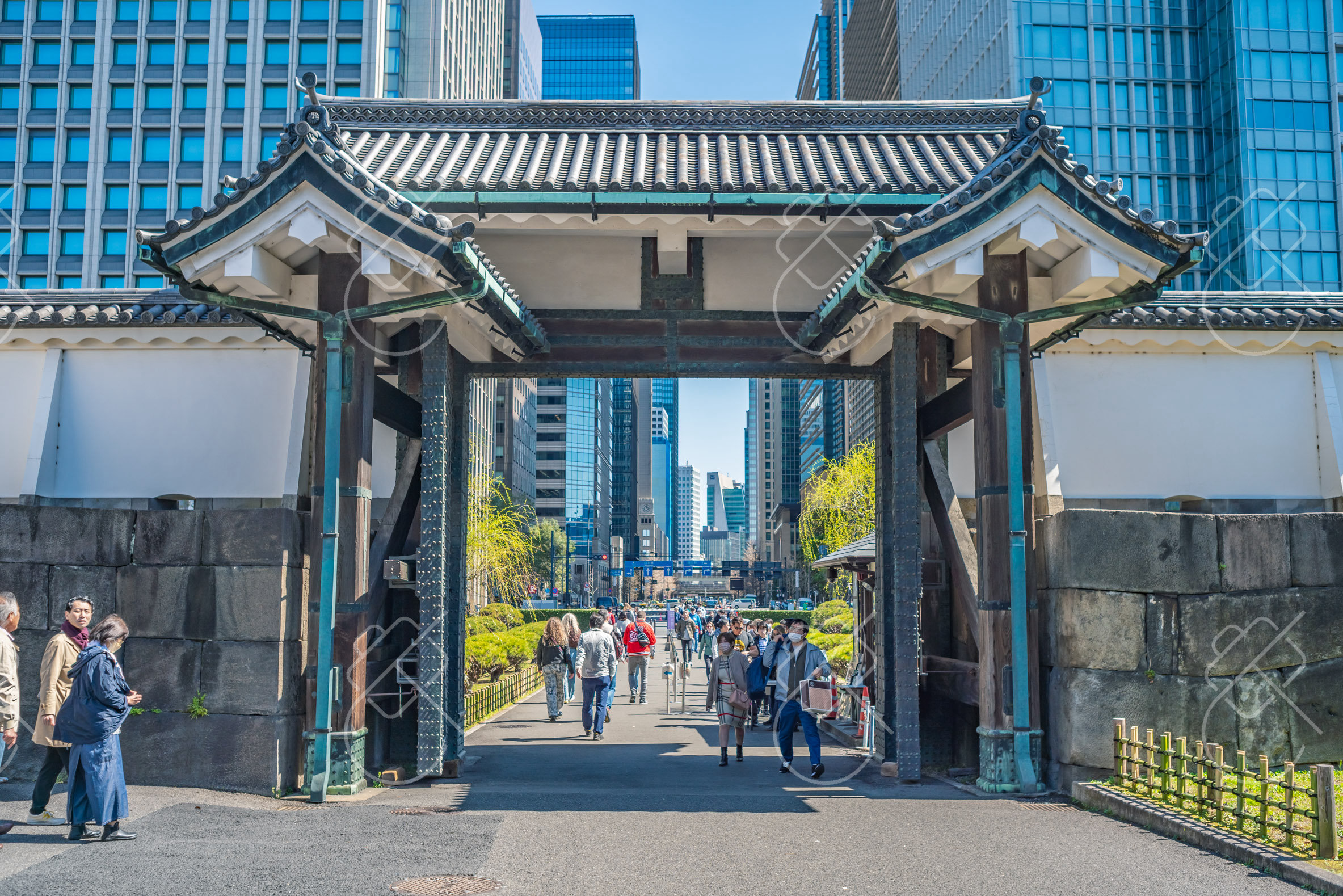
At Tokyo's center sits the Imperial Palace, built on the foundations of Edo Castle, the seat of the shoguns who ran Japan for over 250 years. The palace grounds themselves are closed, but the East Gardens are free and open, and the broad moats that ring them are the best photography in central Tokyo: surviving white watchtowers like the Fujimi-yagura stand against the glass towers of the Marunouchi business district, the clearest single image of old and new Tokyo sharing a frame. Walk the moat's edge at sunset and the water turns pink beneath the stonework. A few minutes away, the red-brick 1914 facade of Tokyo Station — painstakingly restored to its prewar form in 2012 — faces a wide plaza where the old brick facade and the glass towers behind it end up in the same frame constantly.
The restored red-brick Marunouchi facade of Tokyo Station facing its plaza and the business district beyond
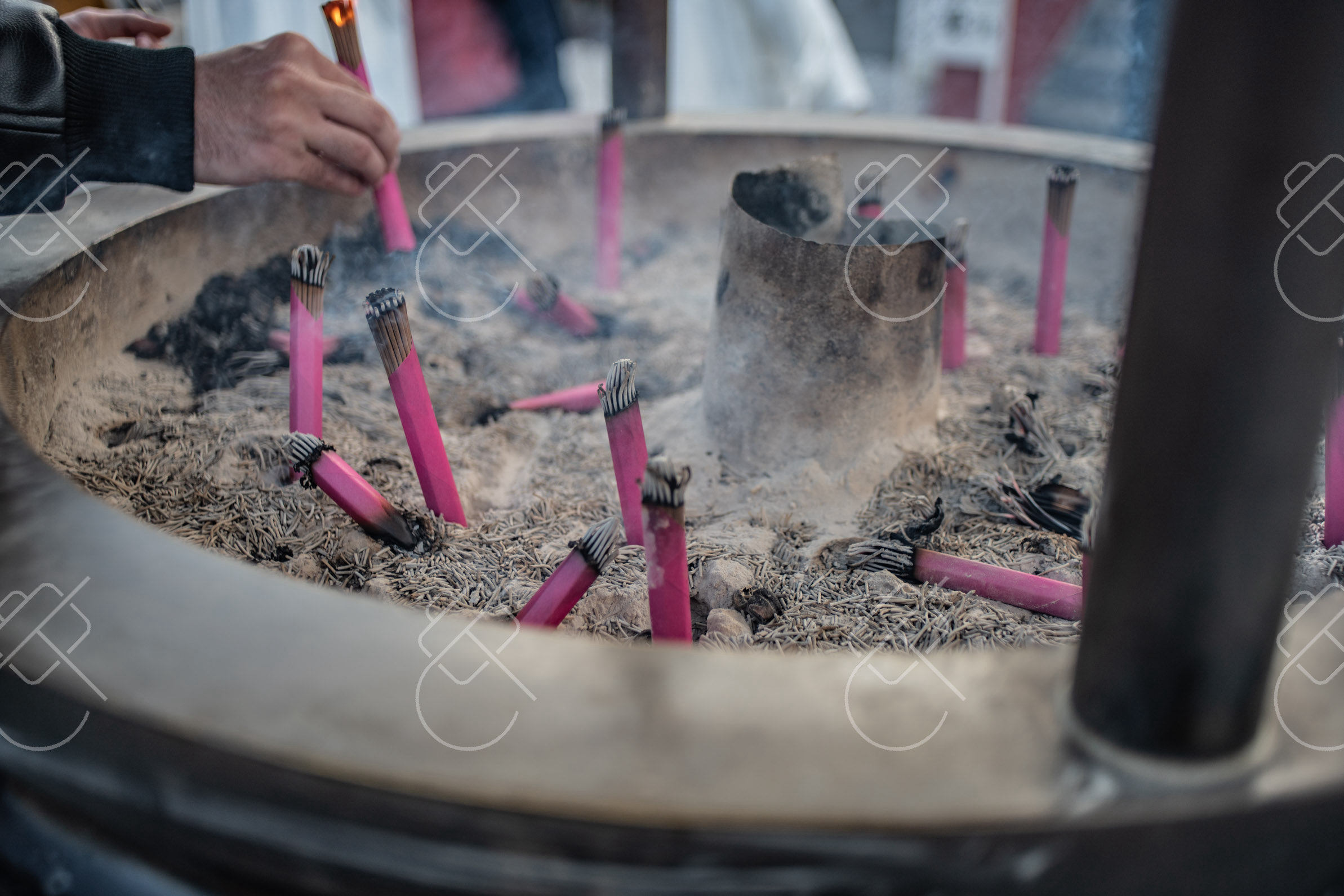
For the older, low-slung Tokyo, head northeast to the shitamachi — the 'low city' of the former artisan and merchant classes. Asakusa is its heart, anchored by Senso-ji, Tokyo's oldest temple, founded in 645. Approach through the great Kaminarimon lantern and down Nakamise-dori, a shopping street of snack and souvenir stalls that has run to the temple gates for centuries, and you reach the enormous bronze incense cauldron out front, where visitors waft the smoke over themselves for health before climbing to the main hall. Come just after dawn and you can have the five-story pagoda and the whole approach nearly to yourself.
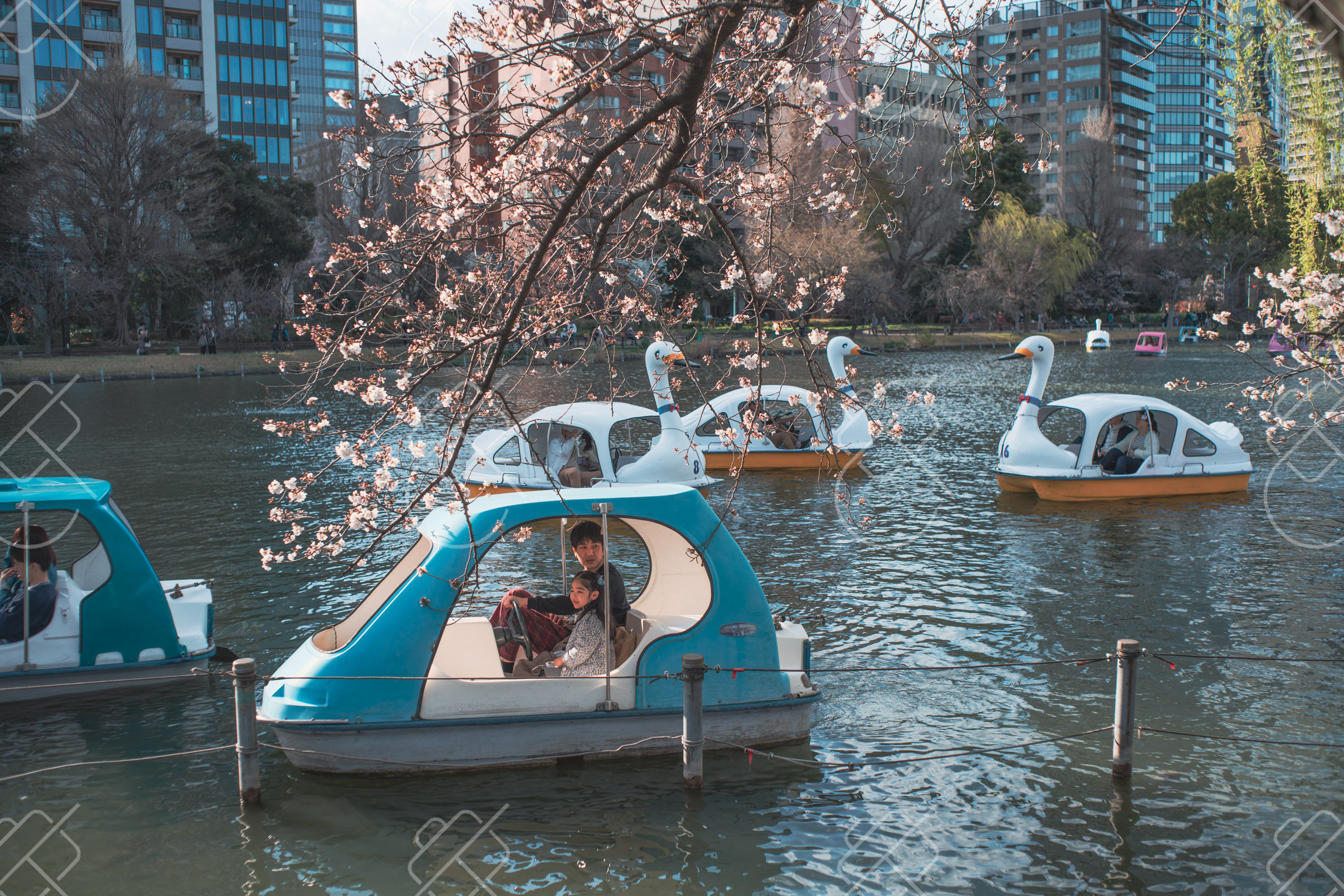
In spring the city bends around the cherry blossoms. Ueno Park is the most famous hanami ground in Tokyo, its avenues clouded pink in late March and early April, and its Shinobazu Pond fills with swan-shaped pedal boats drifting under the branches beside the ornate Bentendo hall. Meiji Shrine, a forested Shinto sanctuary tucked behind the fashion streets of Harajuku, offers the opposite mood year-round — towering wooden torii gates and a hushed, tree-shaded approach only minutes from the busiest youth-culture district in Japan. Between these poles lie the calm residential lanes of Yanaka and the riverside teahouses of Kagurazaka, where the pre-earthquake city still shows through.
Late March to early April for cherry blossoms, or November for crisp air and autumn foliage; avoid the hot, humid rainy season in June and early July.
Shinjuku makes the most practical base — a major transit hub with lodging at every price point and easy late-night access across the city. Asakusa is the atmospheric alternative for travelers who want old-Tokyo streets and Senso-ji on their doorstep.
Sushi at the outer Toyosu and Tsukiji markets, a bowl of ramen anywhere the queue is longest, gyudon (simmered beef over rice) for a fast cheap lunch, and izakaya small plates eaten standing in Omoide Yokocho.
Buy a rechargeable Suica or Pasmo IC card the moment you arrive — it works across every train, subway, and bus in the city, and on vending machines and konbini, so you never queue for a per-trip ticket. The JR Yamanote loop line links most of the districts in this guide.
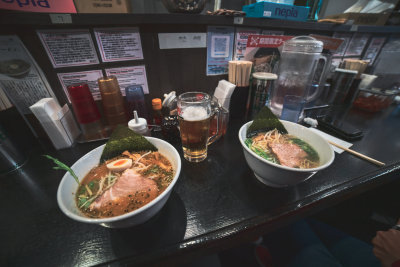
Wheat noodles in a deep, long-simmered broth — shoyu, shio, miso, or rich tonkatsu pork — topped with chashu, egg, and scallion. Tokyo's ramen shops range from Michelin-listed counters to standing stalls; follow the longest queue.
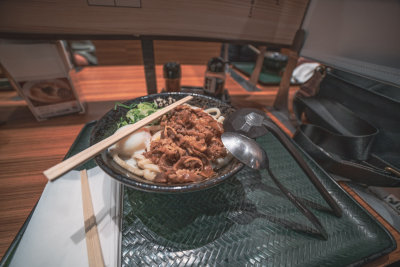
Thick, chewy wheat noodles in a savory dashi broth, topped with thin slices of sweet-simmered beef and scallion. A warming, fast, and filling bowl served in seconds at counters across the city.
Get the best deals on your Tokyo flight before fares rise — Expedia.
Before setting out for Tokyo, Japan, World Nomads was the travel insurance policy we picked to cover the unexpected.
Transit cards, local customs, visa rules, and practical travel guides for this region.
See every destination from the 526-day journey:
Browse all destinationsCurious about the gear behind these photos? See the gear list.