
Home
About us
Destinations
Travel Guides
Recipes
Featured
Photos As Art
Abstract Prints
Locations
Travel Gear
Travel Resources
Favorites
Photo Framer
Explore Photos
ContactThailand offers an unusually wide spread within a single country: the dense temple-and-street energy of Bangkok, the cooler forested hills and craft culture of the north around Chiang Mai and Chiang Rai, the brick ruins of the early Thai kingdom at Sukhothai, and the limestone karst coastlines and rainforest of the south. Gilded Buddhist temples are a constant thread, and a strong food culture runs through every region. The dry, cool season from roughly November to February brings the steadiest conditions across most of the country, though the south follows its own monsoon rhythm.
Published February 14, 2025
Tap any photo to open it full-screen and order a print.
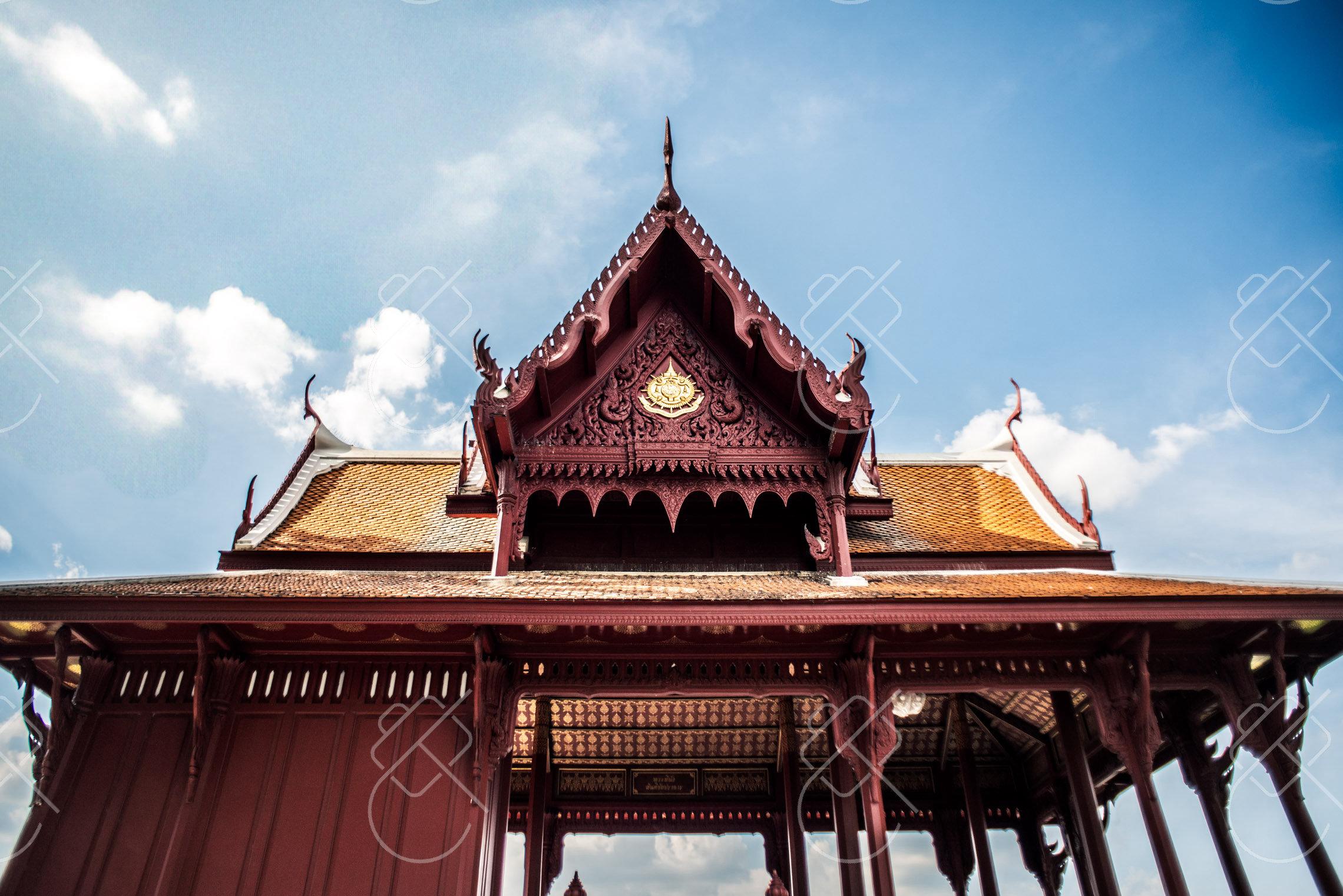
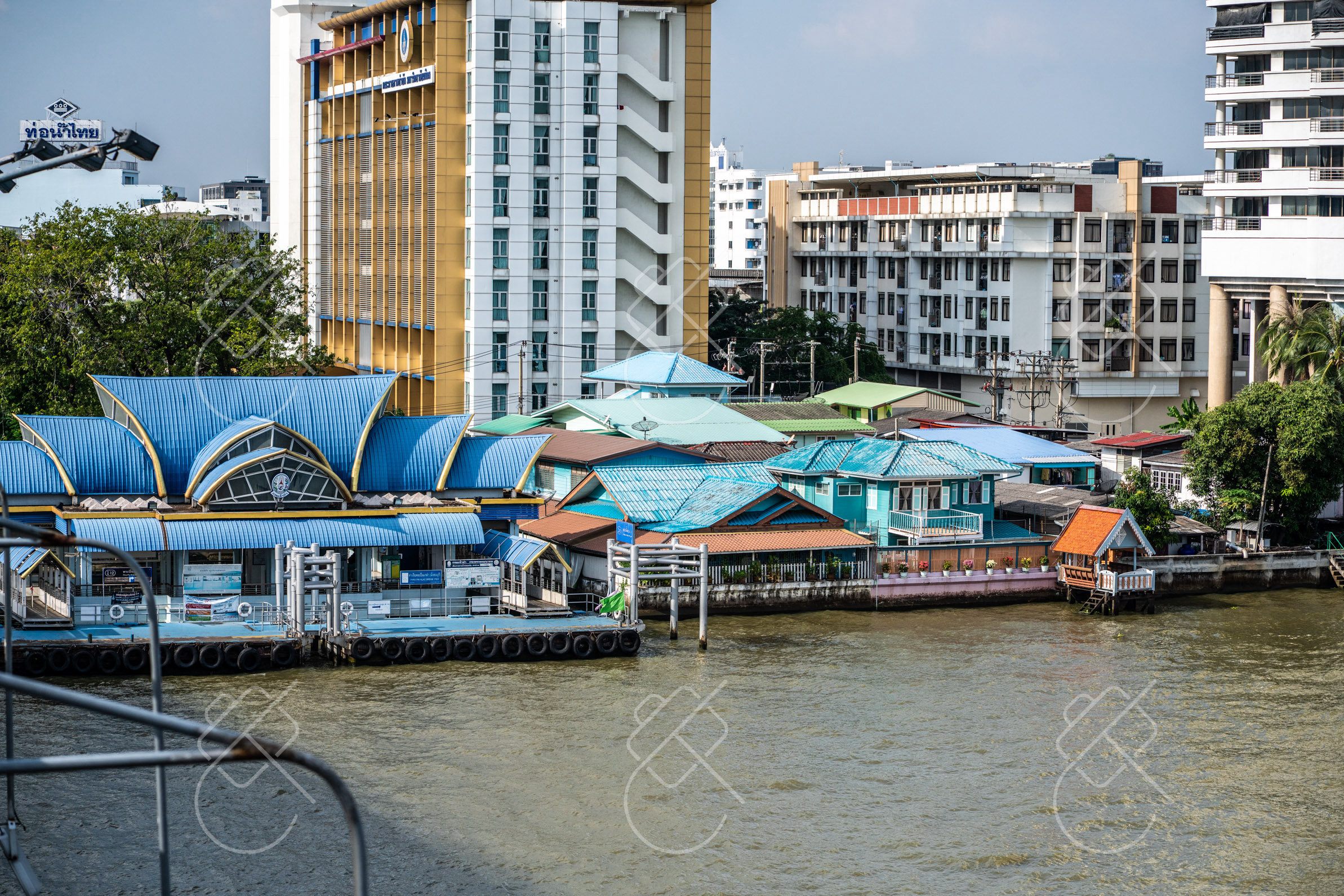
A frenetic capital of glittering temples, canals, street food and soaring skyline.
Bangkok is Thailand's sprawling capital and one of Asia's most visited cities, a place of intense contrasts where gilded royal temples sit beside glass towers, riverside slums and elevated expressways. The historic Rattanakosin core holds the Grand Palace and the most revered temples, while the Chao Phraya River and a network of canals recall the city's origins as a place of waterways.
Street life is relentless, from dawn markets to night food stalls, and the city is famous for its rooftop bars and skyline views. The river remains the most enjoyable way to move between the old temples, with public ferries threading past wats and warehouses. Temple gold, market color and neon fill the city with life from dawn to late night.
November to February brings cooler, drier weather ideal for sightseeing; avoid the hot season (March–May) and the rainy monsoon months of June to October.
Stay near a riverside or Skytrain station; the old town near Rattanakosin suits temples, while Sukhumvit offers transit and nightlife.
Street food everywhere, from pad thai and boat noodles to mango sticky rice and grilled satay.
Use the Chao Phraya Express ferries to reach the riverside temples, avoiding the city's notorious road traffic.
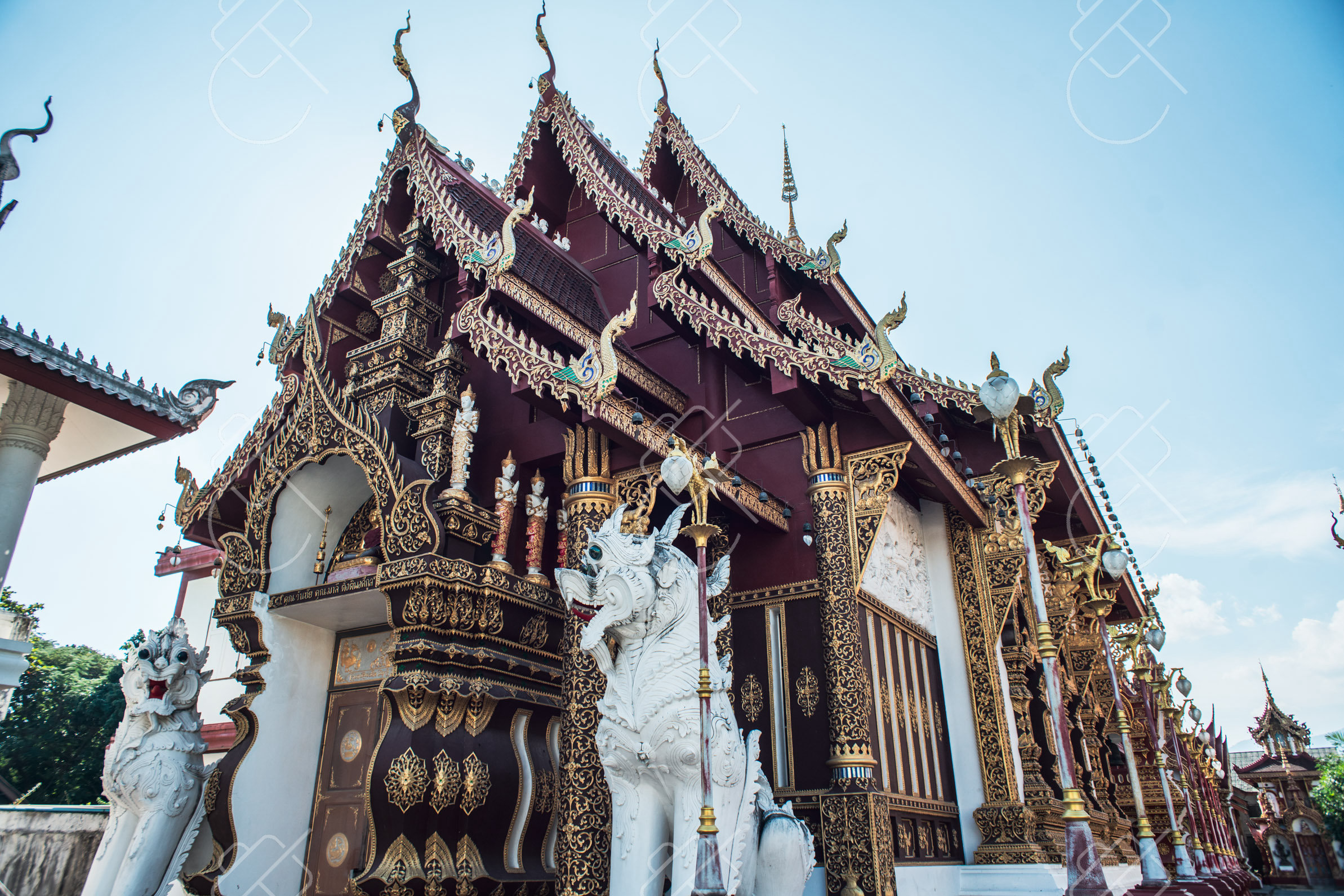
A laid-back northern city ringed by ancient walls, temples and forested hills.
Chiang Mai, the largest city in northern Thailand, was the capital of the Lanna kingdom and retains a moated, square old town studded with centuries-old temples. Far more relaxed than Bangkok, it sits in a mountain valley and has become a hub for craft markets, cooking schools and a slower pace of travel. Hundreds of temples lie within and around the city.
The forested hills behind the city rise to Doi Suthep, whose gilded hilltop temple overlooks the valley, while the surrounding region offers elephant sanctuaries, waterfalls and hill-tribe villages. The annual Yi Peng and Loy Krathong festivals fill the November sky with floating lanterns. Misty mornings settle over the hills, softening the old town's weathered temples.
November to February offers cool, comfortable weather; visit in November for the magical Yi Peng lantern festival, but avoid the smoky burning season in March.
Stay inside or just outside the moated old city for walkable access to the temples, markets and cafes.
Khao soi (a northern curry noodle soup), sai ua (herbed sausage) and northern-style sticky rice dishes.
Aim a November visit at the Yi Peng festival, when thousands of lanterns are released into the night sky.
Temple gold, market color and neon fill the city with life from dawn to late night.
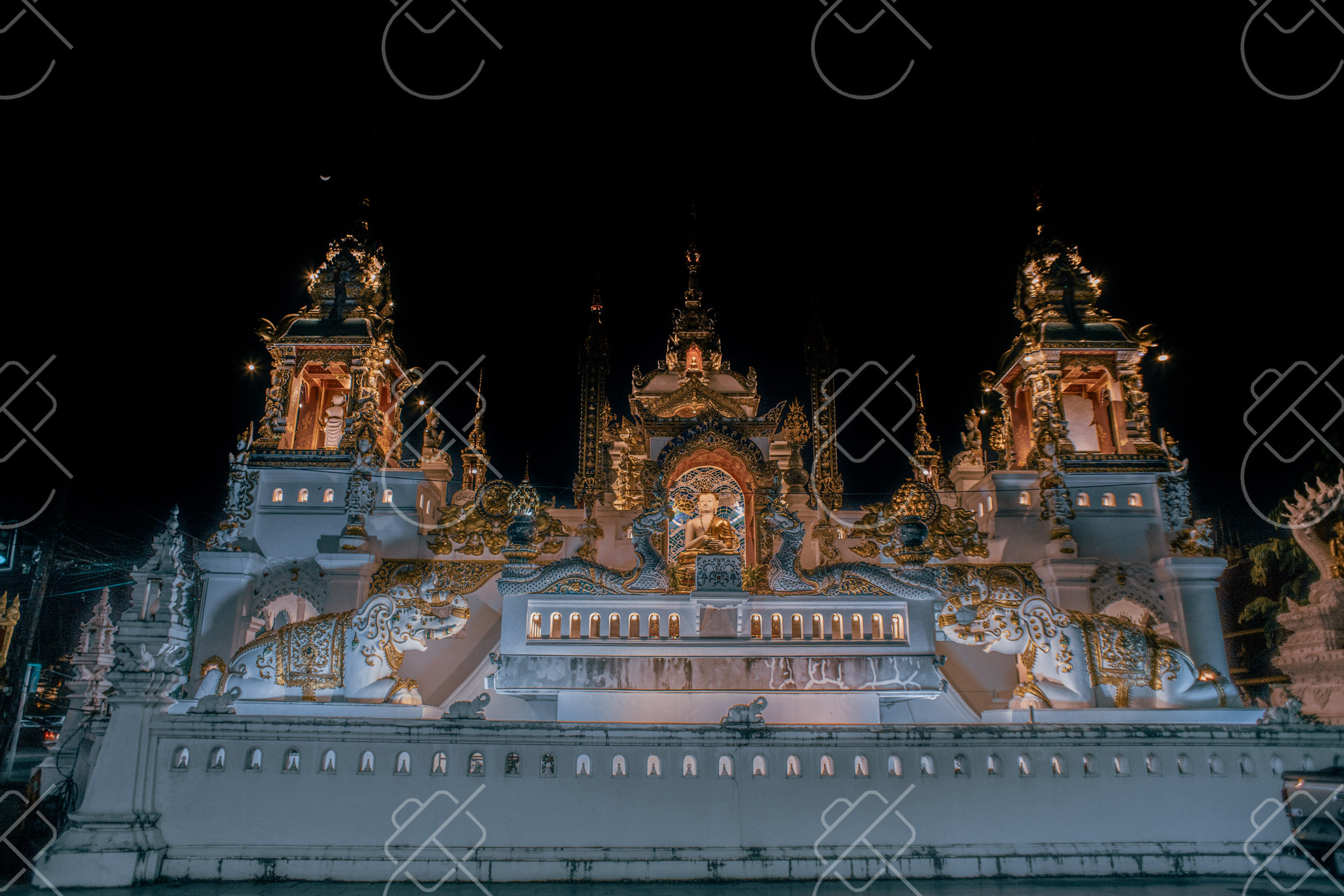
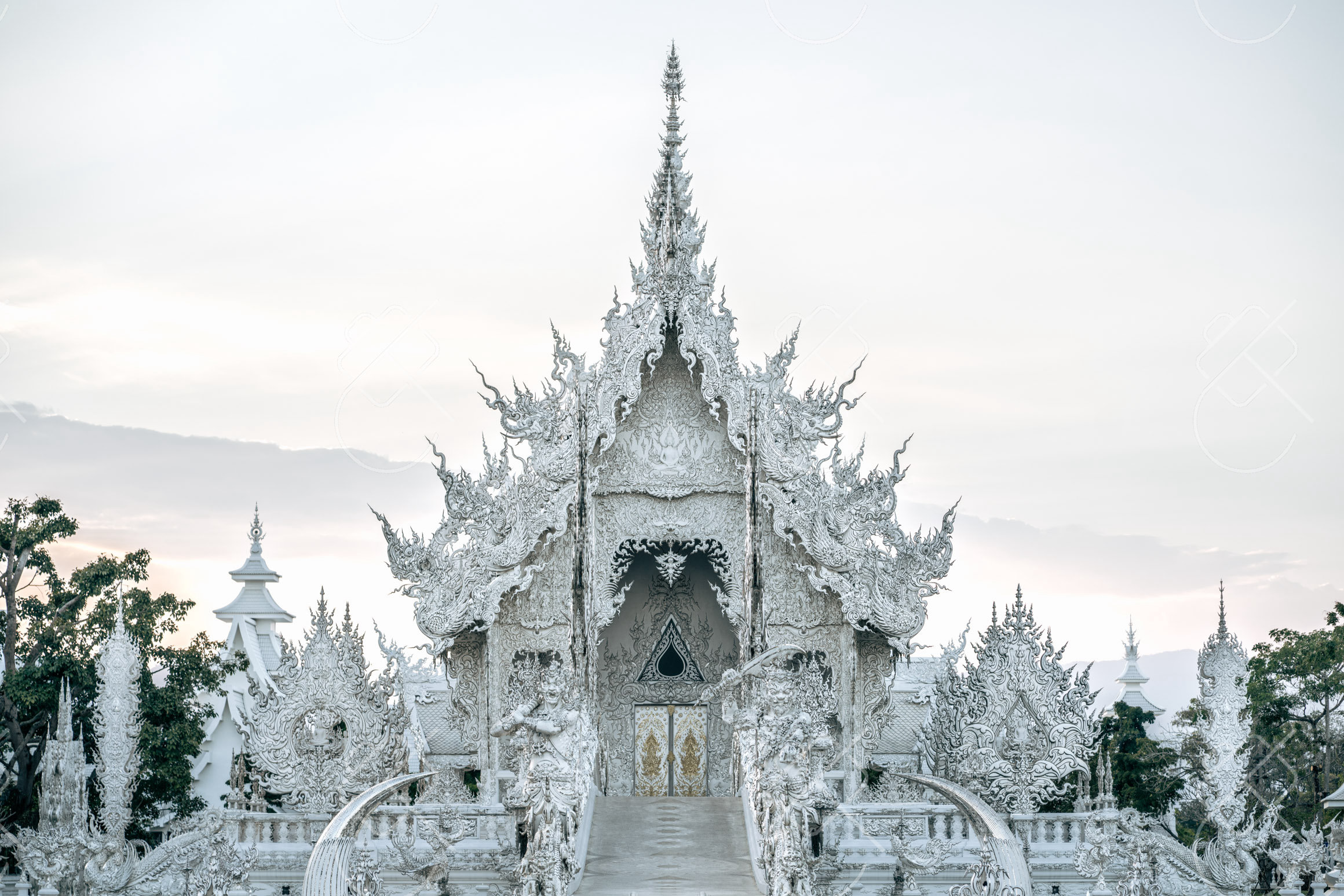
A far-northern town known for bold contemporary temples and hill country.
Chiang Rai, near Thailand's northern borders with Myanmar and Laos, is a quieter and smaller town than Chiang Mai, set amid mountains, tea plantations and hill-tribe communities. It serves as the gateway to the Golden Triangle, the historic border region where the three countries meet along the Mekong River. The pace is gentle and the surrounding landscapes are green and hilly.
The town is best known for a trio of bold contemporary temples and art sites built in recent decades, which contrast sharply with the region's traditional architecture. The all-white Wat Rong Khun is the most famous, an ornate modern reinterpretation of a Buddhist temple. Tea-covered hills, riverside viewpoints and the temples' intricate detail give a visit its distinctive character.
November to February is cool and dry with clear skies; avoid the hazy burning season from late February to April when air quality drops sharply.
Stay near the central clock tower and night bazaar for dining and transport to the outlying temples.
Northern Thai dishes shared with Chiang Mai, plus border-influenced cooking and local tea from the surrounding hills.
Visit the White Temple at opening time, before tour buses arrive, to take in its detail without crowds.
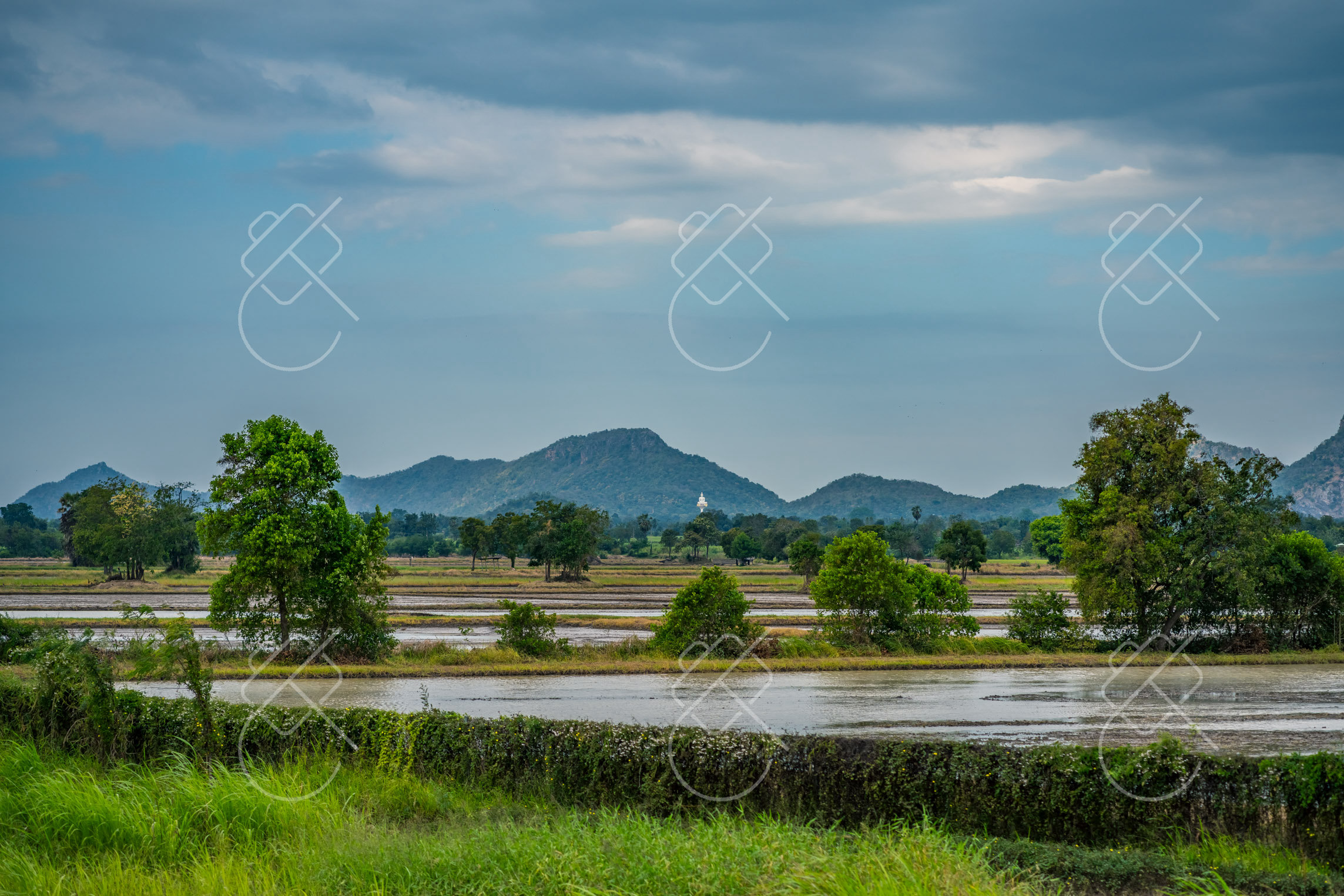
The serene brick ruins of Thailand's first kingdom, set in a tranquil historical park.
Sukhothai was the capital of the first major Thai kingdom in the 13th and 14th centuries, and its ruins are regarded as the cradle of Thai art and architecture. The Sukhothai Historical Park, a UNESCO World Heritage Site, preserves the remains of dozens of temples, palaces and monumental Buddha statues across a landscaped expanse of ponds and lawns.
The park is best explored by bicycle along quiet paths between the ruins, far calmer and less visited than Thailand's major centers. Graceful seated and walking Buddha figures, lotus-bud chedis and reflecting pools characterize the site. In the soft light of early and late day, the monuments mirror in the surrounding water, making it one of the country's most serene historical landscapes.
November to February brings the coolest, driest weather for exploring the historical park; visit in November for the spectacular Loi Krathong celebrations.
Stay in New Sukhothai for more dining and lodging, or near the historical park itself for early access to the ruins.
Sukhothai noodles, a local dish of thin rice noodles in a sweet-savory pork broth with green beans.
Rent a bicycle and arrive at the park early or late, when the light is soft and the monuments mirror in the ponds.
Misty mornings settle over the hills, softening the old town's weathered temples.
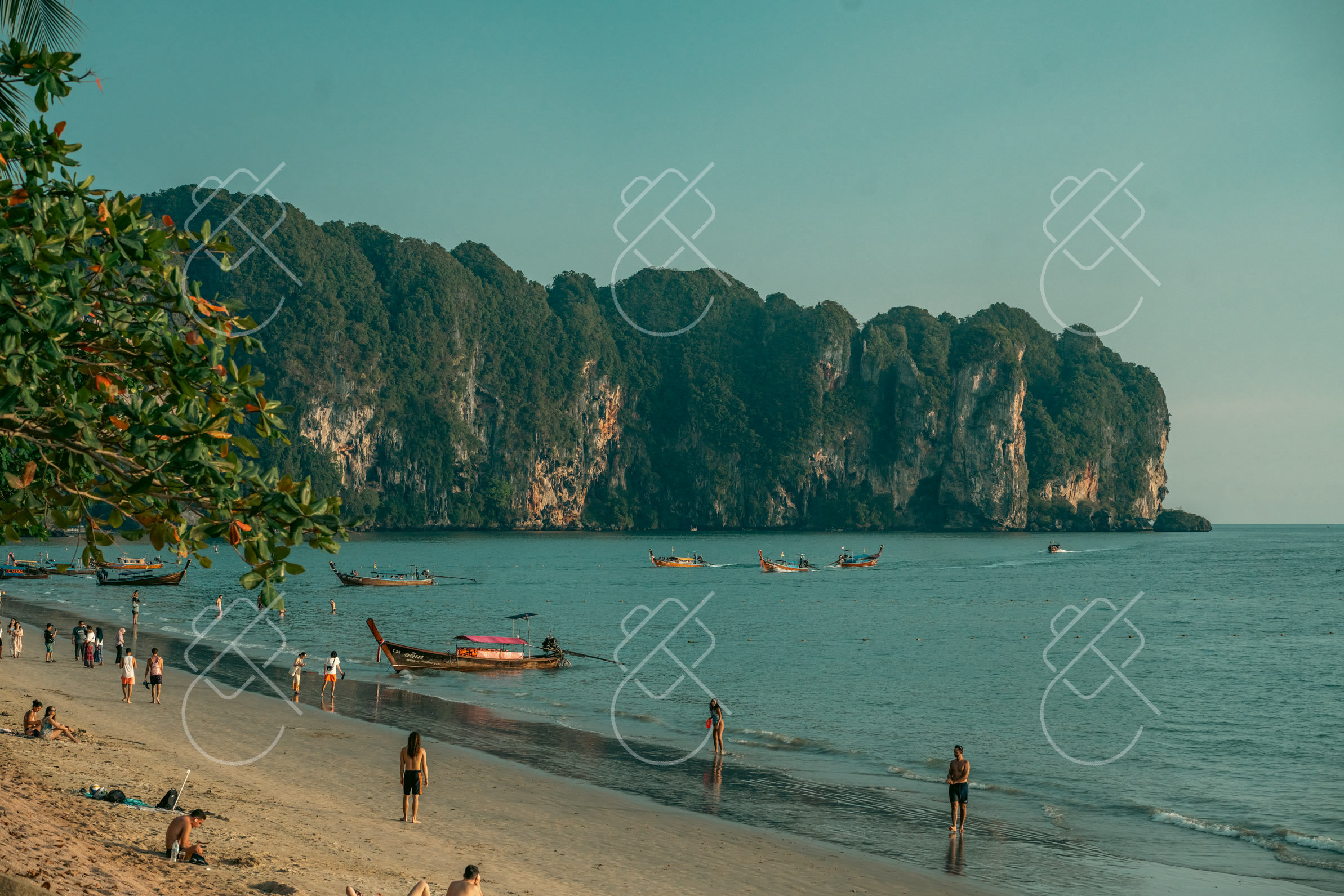
A southern beach hub and launch point for Krabi's towering limestone coast.
Ao Nang is the main beach resort town of Krabi province on the Andaman coast, a relaxed strip of hotels, restaurants and a beachfront promenade. Its real value is as a base and transit point for the surrounding seascape, with longtail boats departing the beach for nearby peninsulas, islands and beaches reachable only by water.
The defining feature of the region is its dramatic limestone karst scenery, sheer cliffs and rock towers rising straight from turquoise water. Nearby Railay, reachable only by boat, has some of the most celebrated beaches and cliffs in Thailand, while island-hopping trips reach the Phi Phi and Hong island groups. Sunsets over the karst-studded bay are a highlight.
November to March is the dry season with calm seas and sunny skies, ideal for beaches and island-hopping; the May–October monsoon brings rougher waters.
Stay along Ao Nang's beachfront for dining and boat access, or on car-free Railay for the karst scenery itself.
Fresh Andaman seafood, southern-style curries and grilled fish at the beachfront restaurants.
Take an early longtail boat to Railay before day-trippers arrive to enjoy the cliffs and beaches in soft light.
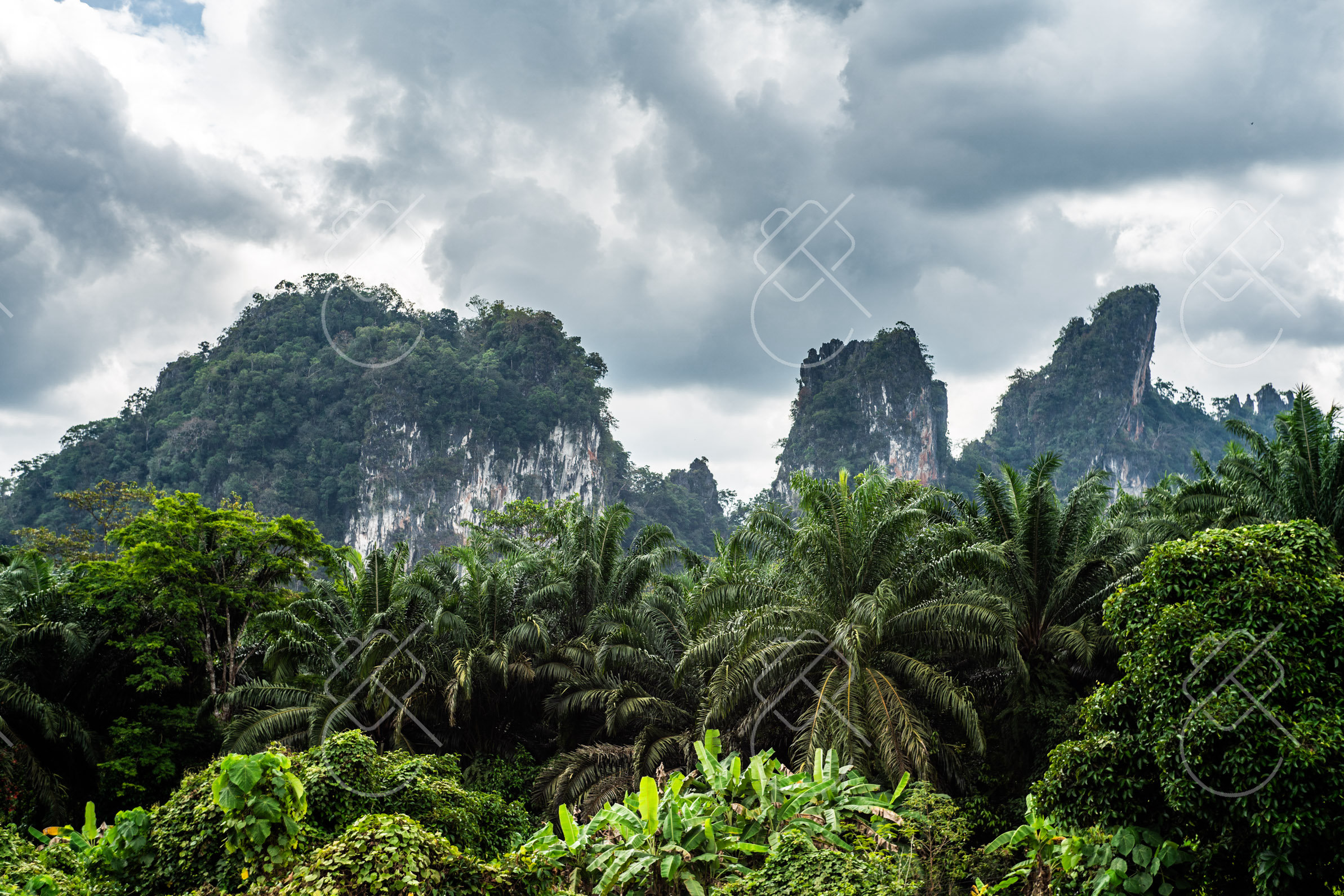
An ancient rainforest of limestone cliffs, jungle and a vast emerald reservoir.
Khao Sok National Park, in southern Thailand's interior, protects one of the world's oldest rainforests, far older than the Amazon, draped over a landscape of towering limestone mountains. The dense jungle shelters wildlife including elephants, gibbons and hornbills, and trails lead through tall trees, caves and rivers. The park offers a sharp inland contrast to the southern beaches.
Its centerpiece is Cheow Lan Lake, a vast reservoir of emerald water from which sheer limestone karsts rise hundreds of meters, often shrouded in early-morning mist. Floating bamboo bungalows on the lake allow overnight stays among the cliffs. At dawn, mist drapes the water and the towering karsts make the lake the heart of any visit to the region.
December to April is the dry season, best for jungle trekking and lake trips; the wet season brings lush rainforest but slippery trails and frequent rain.
Stay in a floating bungalow on Cheow Lan Lake for the karst scenery, or near the park entrance for trail access.
Simple southern Thai meals served at the floating raft houses and park lodges, often featuring fresh fish and curries.
Stay overnight in a floating bungalow on Cheow Lan Lake to be on the water at dawn, when mist clings to the karsts.
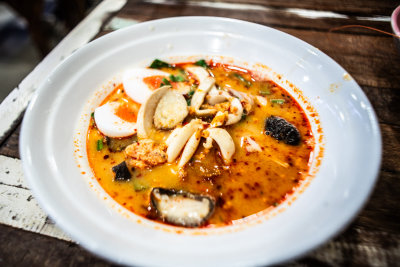
This rich coconut-based curry soup is layered with tender meat, a soft-boiled egg and aromatic herbs. The balance of creamy, spicy and tangy flavors is the hallmark of Thai cooking.
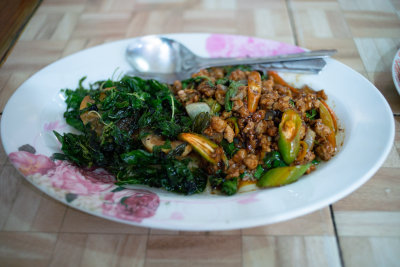
Pad kra pao — minced pork stir-fried with holy basil, chili and garlic over rice and usually crowned with a crispy fried egg — is Thailand's go-to comfort plate. Fast, fiery and savory.
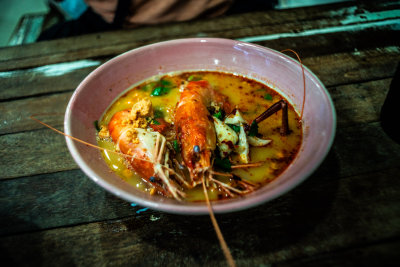
A creamy bowl of tom yum goong crowned with a whole river prawn, fragrant with lemongrass, chili and herbs. This hot-and-sour soup is one of Thailand's most iconic dishes.
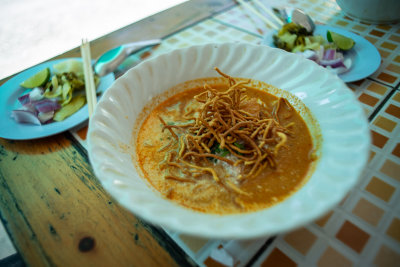
A bowl of khao soi, a golden coconut-curry noodle soup topped with crispy fried noodles and served with pickled greens. It is the signature dish of Chiang Mai and northern Thailand.
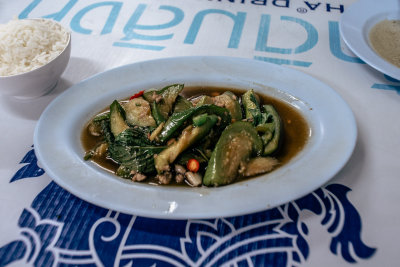
A plate of stir-fried bitter melon and greens with pork, served alongside steamed rice. The simple, savory dish is everyday Thai home-style cooking.
Explore regional routes with verified local fleets, zero hidden charges, and transparent insurance on Localrent.
Get the best rates and deals on Thailand hotels through Expedia.
Through Thailand and everywhere else on this trip, World Nomads was the travel insurance we carried the whole way.
Transit cards, local customs, visa rules, and practical travel guides for this region.
See every destination from the 526-day journey:
Browse all destinationsCurious about the gear behind these photos? See the gear list.