
Home
About us
Destinations
Travel Guides
Recipes
Featured
Photos As Art
Abstract Prints
Locations
Travel Gear
Travel Resources
Favorites
Photo Framer
Explore Photos
ContactOceania holds some of the planet's most dramatic and least-developed landscapes, from the red deserts and reefs of Australia to the glaciers, fjords, and volcanic plateaus of New Zealand. The clear southern-hemisphere air and absence of light pollution mean nights here blaze with stars rarely seen elsewhere, and the days run long and luminous. Distances are vast, so trips reward careful planning around long drives and changeable weather.
Published June 25, 2025
Tap any photo to open it full-screen and order a print.
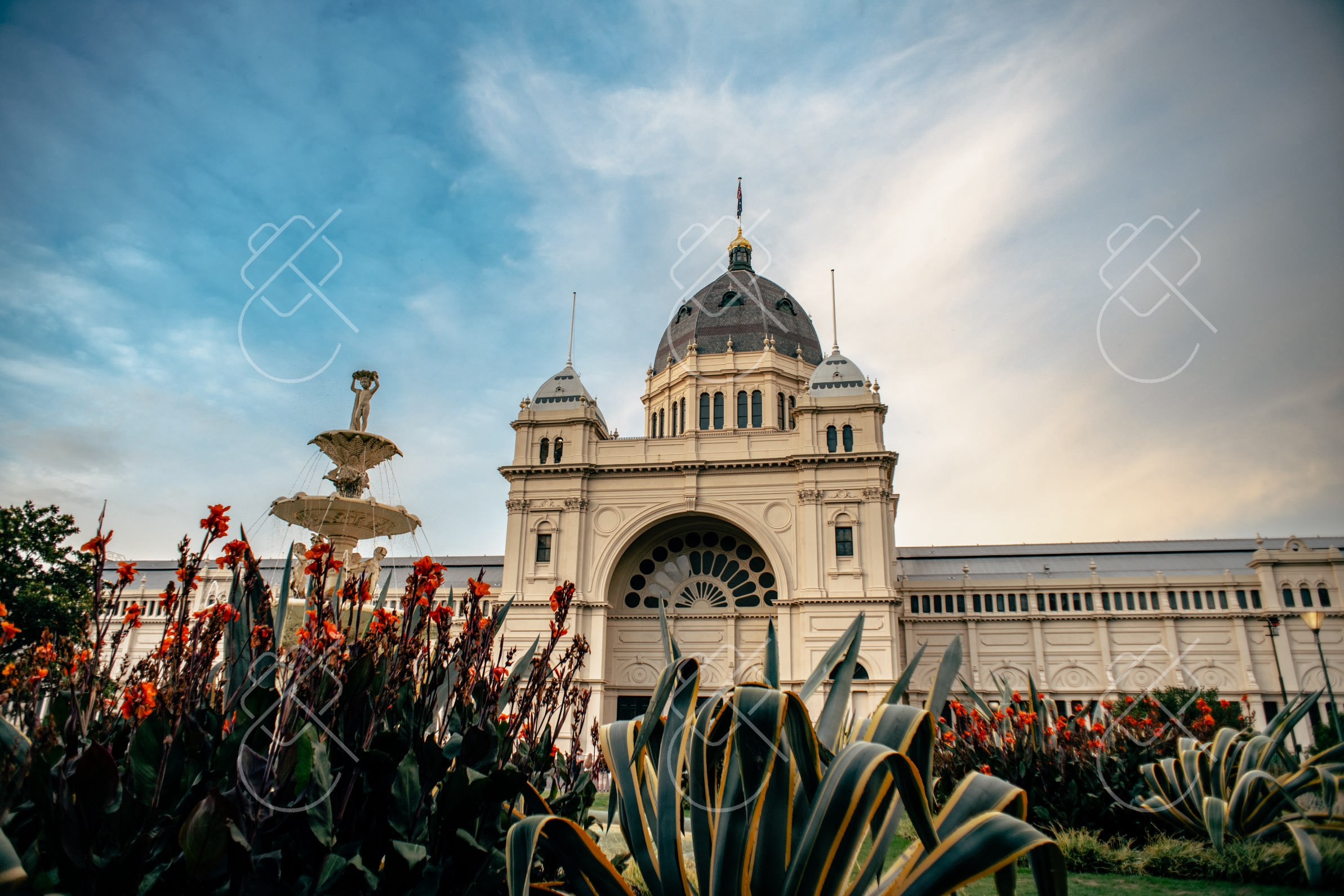
Australia fills an entire continent, encompassing red desert interiors, tropical reefs, temperate rainforests, and modern coastal cities. Its enormous scale and sparse population leave much of the land untouched, with intensely clear air and dark skies overhead. Travelers move between extremes here, from the monolith of Uluru to the harbor of Sydney.
The interior, known as the Outback, is defined by red earth, isolated rock formations, and immense horizons, with Uluru and Kata Tjuta among the most recognizable landmarks. The coasts run from the tropical waters and coral of the Great Barrier Reef in the northeast to the rugged limestone stacks of the Twelve Apostles along the southern Great Ocean Road.
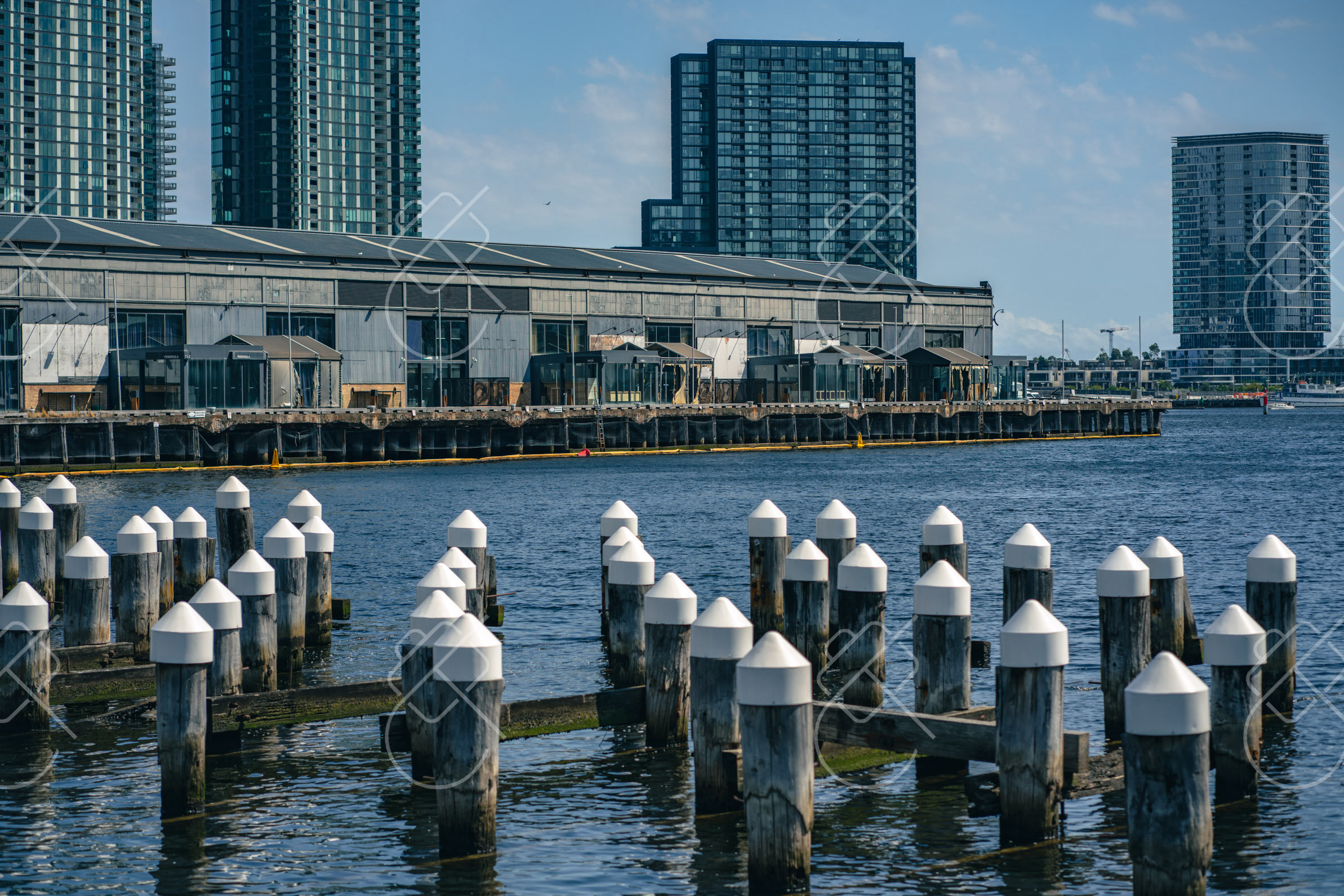
Australia's cities cluster around the coast, where Sydney's harbor, its Opera House, and the Harbour Bridge form the country's most recognizable urban scene. The clear, dry air of the interior and the absence of light pollution make the Outback one of the best places on earth to stand beneath the Milky Way and the southern stars.
December–February is peak summer and beach season in the south, while the tropical north is best in the dry winter months of May–September; spring and autumn bring mild weather and fewer crowds nationwide.
Sydney is the most convenient gateway and base for the east coast, with the harbor, beaches, and Blue Mountains all an easy trip away.
Australian fare includes fresh seafood such as barramundi and oysters, meat pies, grilled barbecue, and produce-driven modern cuisine in the cities.
Fuel, water, and driving time all need real planning here, since distances between sights are enormous and many sit well off the grid. The payoff for reaching the desert is a night sky thick with stars.
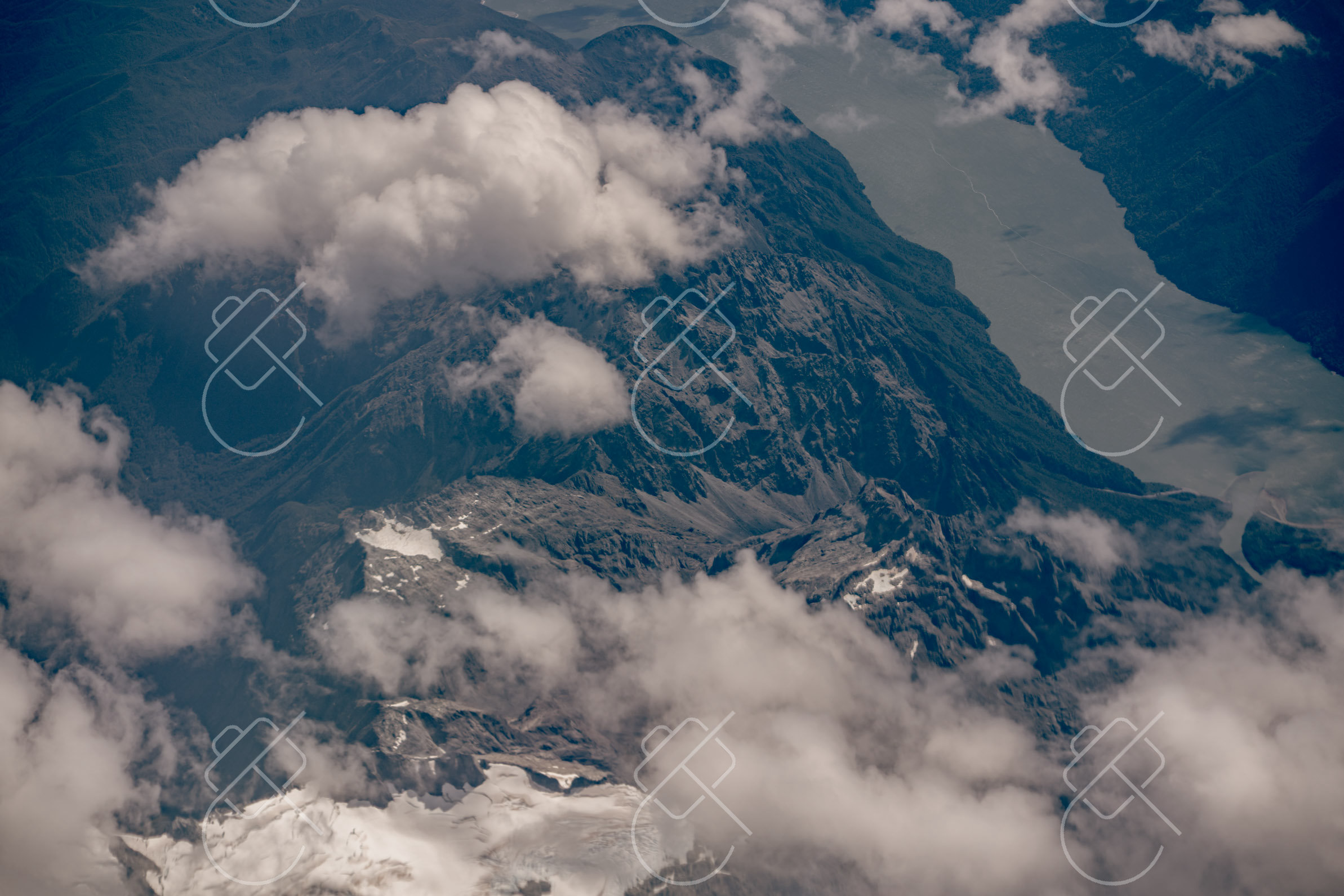
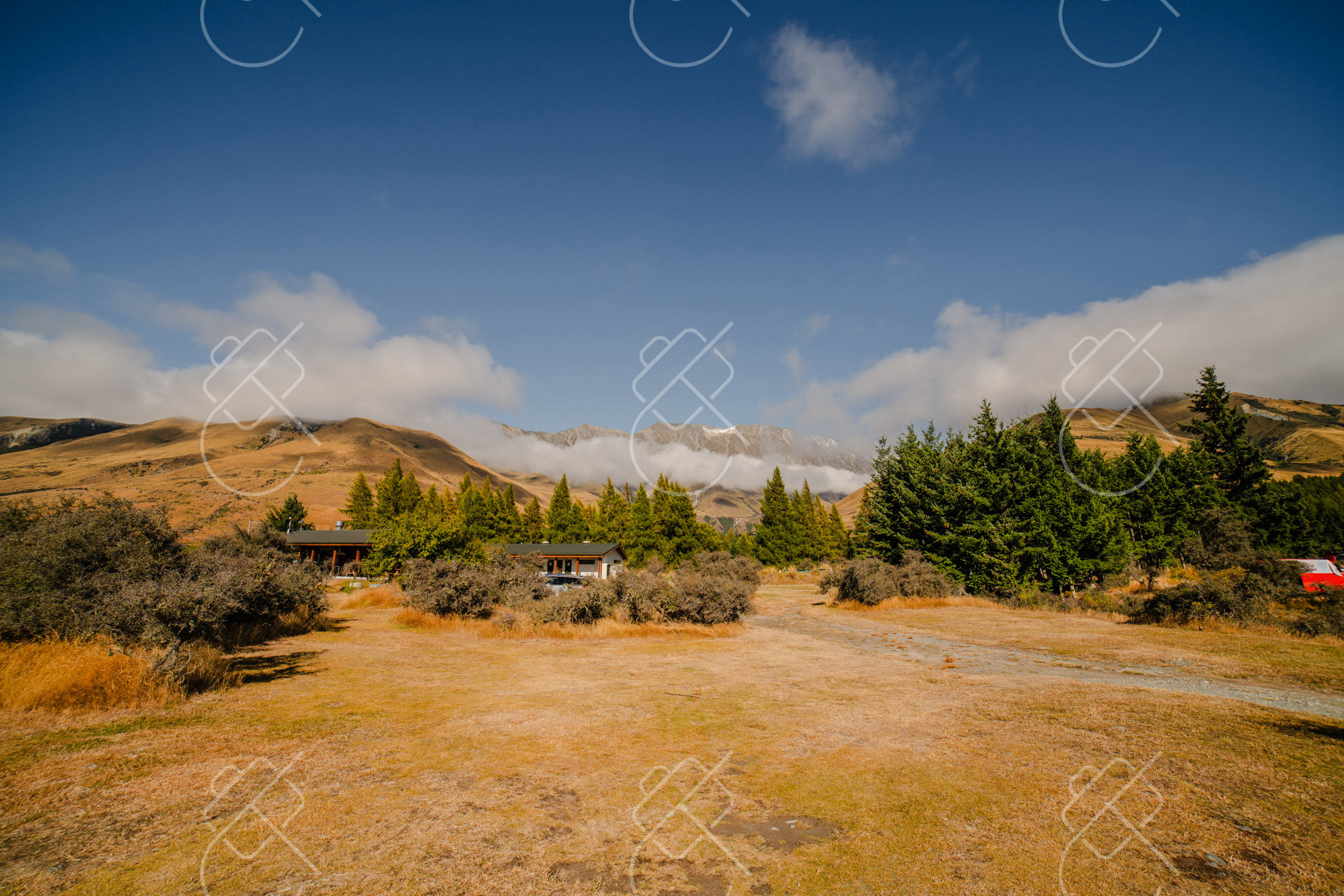
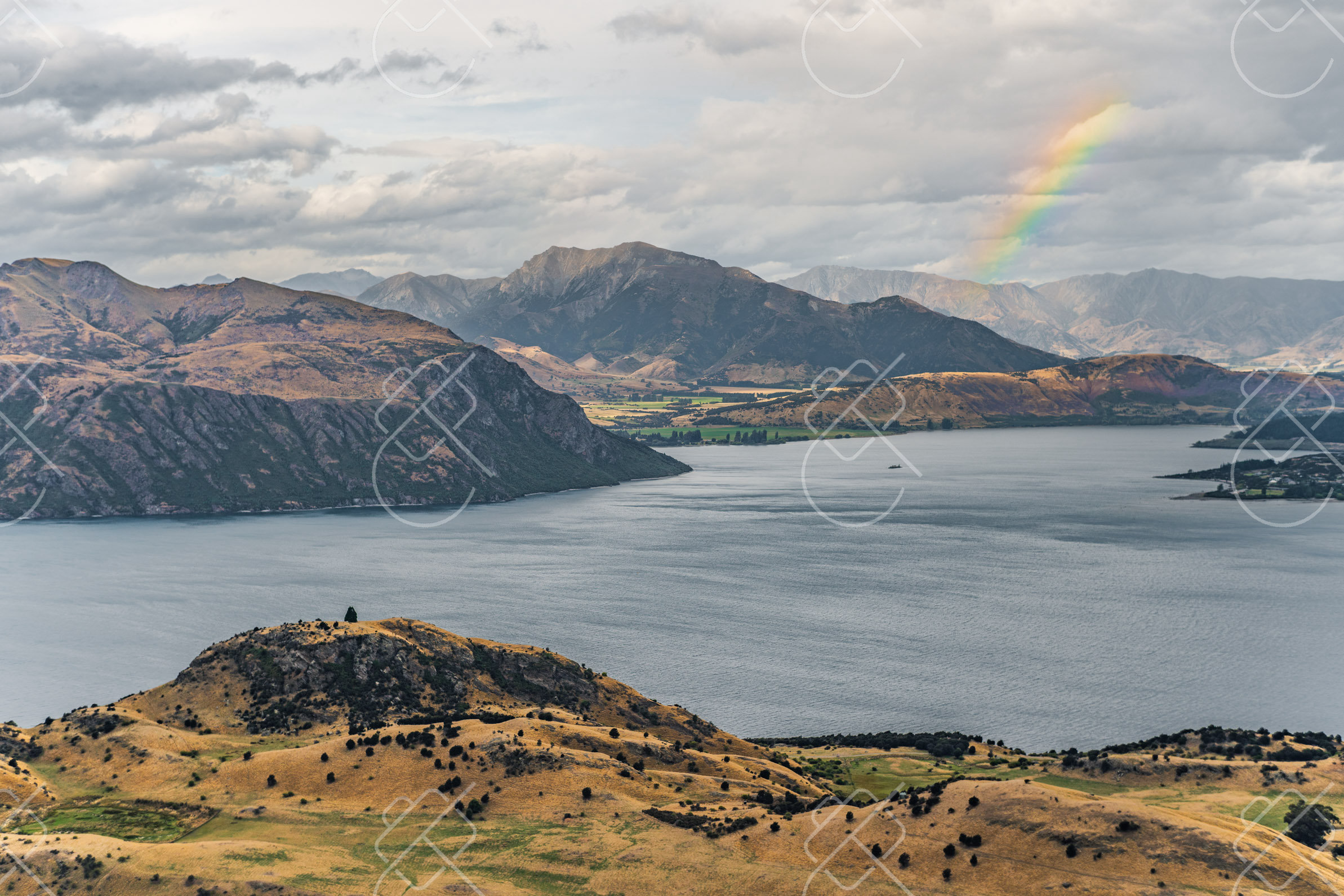
Glaciers, fjords, volcanic plateaus and subtropical coasts all sit within a few hours' drive of each other in New Zealand. The South Island in particular gathers mountains, lakes, and waterfalls within short drives of one another. Clear air and dark skies, especially in the south, let travelers walk by day and stargaze by night.
The South Island is dominated by the Southern Alps, whose peaks feed turquoise glacial lakes such as Pukaki and Tekapo and plunge into the fjords of Fiordland, including Milford Sound and Doubtful Sound. The coast adds its own wild edges, from the boulders of Moeraki to the rainforests meeting the sea on the West Coast.
The North Island is more volcanic, centered on the geothermal fields of Rotorua and the active peaks of Tongariro National Park, alongside the lakes and vineyards of the interior. The Lake Tekapo area is recognized as an International Dark Sky Reserve, offering some of the clearest night skies accessible anywhere.
December–February offers warm summer weather for beaches and hiking the Great Walks, while June–August is prime ski season in the Southern Alps; autumn brings golden vineyards and quiet trails.
Queenstown is a central South Island base, an easy reach of Milford Sound, the Southern Alps, and the lakes of the interior.
New Zealand cuisine features lamb, green-lipped mussels and other seafood, the meringue dessert pavlova, and a strong wine and coffee culture.
Fiordland is among the wettest places on earth, so rain is likely; the waterfalls are at their most powerful immediately after heavy rainfall.
The clear southern-hemisphere air and absence of light pollution mean nights here blaze with stars rarely seen elsewhere, and the days run long and luminous.
Explore regional routes with verified local fleets, zero hidden charges, and transparent insurance on Localrent.
Find the best deals on Oceania accommodation with Booking.com.
We had World Nomads as our travel insurance, covering us for the entire Oceania leg of the trip — one less thing to worry about.
Transit cards, local customs, visa rules, and practical travel guides for this region.
See every destination from the 526-day journey:
Browse all destinationsCurious about the gear behind these photos? See the gear list.