
Home
About us
Destinations
Travel Guides
Recipes
Featured
Photos As Art
Abstract Prints
Locations
Travel Gear
Travel Resources
Favorites
Photo Framer
Explore Photos
ContactNew Zealand's South Island packs an astonishing range of landscapes — fiords, glaciers, turquoise lakes and braided rivers — into a space smaller than the United Kingdom. The Southern Alps run almost the length of the island, feeding lakes whose suspended rock flour turns them an electric blue, while the sparsely populated interior holds some of the darkest night skies on Earth. Seasons are reversed from the Northern Hemisphere, weather changes by the hour, and the air after rain has a clarity that makes distant peaks feel close enough to touch.
Published April 1, 2026
Tap any photo to open it full-screen and order a print.
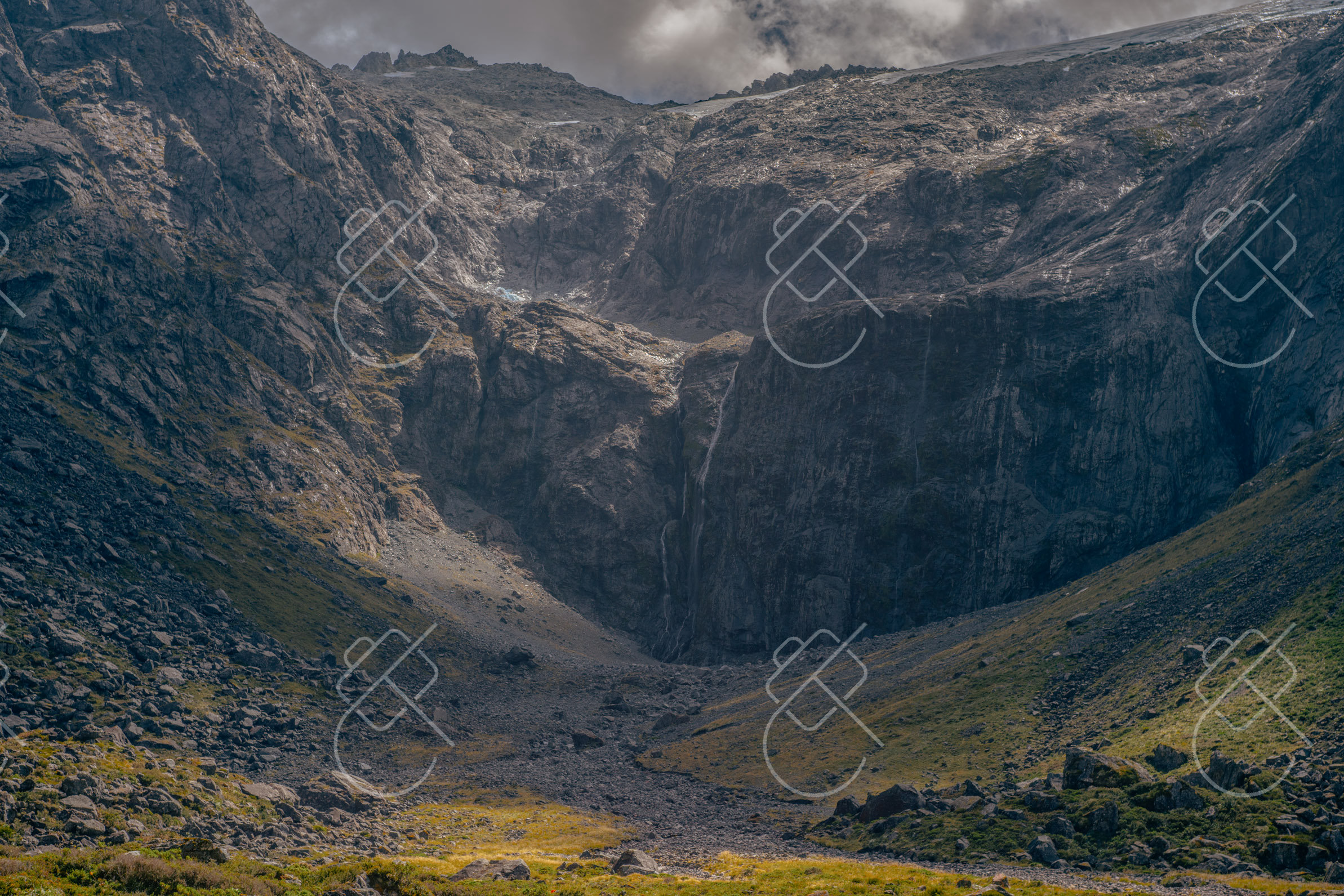
Milford Sound, in Fiordland National Park, is a glacier-carved fiord where sheer cliffs rise more than a kilometer straight from dark water. Among the wettest inhabited places on Earth, its frequent rain feeds hundreds of temporary waterfalls that pour from the cliffs.
Despite its name, Milford Sound is technically a fiord, gouged by glaciers and flooded by the sea. Mitre Peak, rising 1,692 meters almost directly from the water, is its defining landmark, named by early surveyors for its likeness to a bishop's mitre. The fiord lies within Te Wahipounamu, a UNESCO World Heritage area, and is reached by a single road from Te Anau that itself passes alpine valleys, the Mirror Lakes and the Homer Tunnel.
Rainfall here exceeds six meters a year, and the rain is part of the spectacle: after a downpour, the cliffs run with hundreds of cascades. Permanent falls such as Stirling and Bowen drop directly into the fiord. Boat cruises and kayaks reach the open sea, where fur seals, dolphins and penguins are sometimes seen, and morning often brings still water and mist clinging to the peaks.
Summer (December–February) brings the warmest weather and long days, while rainy spells unleash the waterfalls at full force; winter is quieter with snow-capped peaks.
Te Anau is the practical base for visiting Milford Sound, about two hours by road, with limited lodge accommodation closer to the fiord itself.
Te Anau, the nearest town, serves the day-trip crowd; fresh Fiordland crayfish and South Island lamb feature on regional menus.
Rain is the norm rather than the exception, so weatherproof gear is essential; the cliffs are at their most alive with waterfalls running mid-storm or just after.
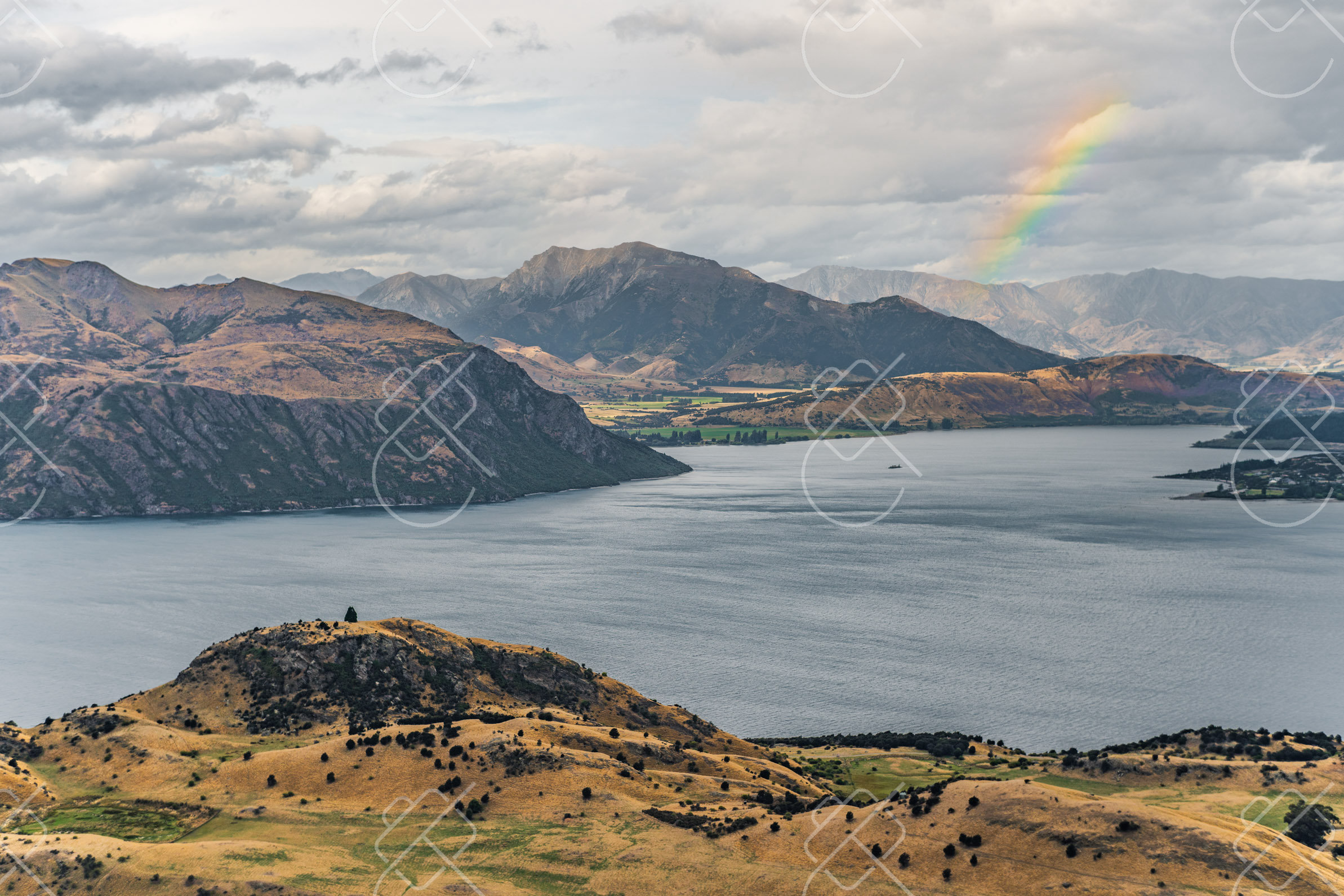
Wanaka is a lakeside town on the shore of Lake Wanaka, surrounded by the peaks of Mount Aspiring National Park. Quieter than nearby Queenstown, it is a base for alpine walks and home to a single lone willow tree standing in the lake.
The town sits at the southern end of Lake Wanaka, with the snow-capped mountains of Mount Aspiring National Park rising beyond. Its most celebrated landmark is #ThatWanakaTree, a lone crack willow growing in the shallows, its bare winter branches especially memorable when sunrise or sunset lights the lake behind it.
Above the town, the Roys Peak track climbs steeply to a ridge with a sweeping view over the lake and its islands, a walk that draws hikers up in the dark to reach the top by dawn. The surrounding region is dry and golden in summer, snow-covered in winter, and the clear interior air keeps distant detail sharp. The drive over the Crown Range to Queenstown is among the highest sealed roads in the country.
Summer (December–March) is ideal for hiking and lake swimming; come in autumn for golden foliage or winter (July–August) for nearby skiing.
Staying in Wanaka town puts the lakefront, the willow tree and the Roys Peak trailhead all within a short drive.
South Island lamb, locally grown stone fruit from the Central Otago orchards, and craft beer from the region's breweries.
The lone willow is reachable on foot in low water and ringed by the lake when it is high; arriving before dawn means uninterrupted views as the light comes up.
The Southern Alps run almost the length of the island, feeding lakes whose suspended rock flour turns them an electric blue, while the sparsely populated interior holds some of the darkest night skies on Earth.
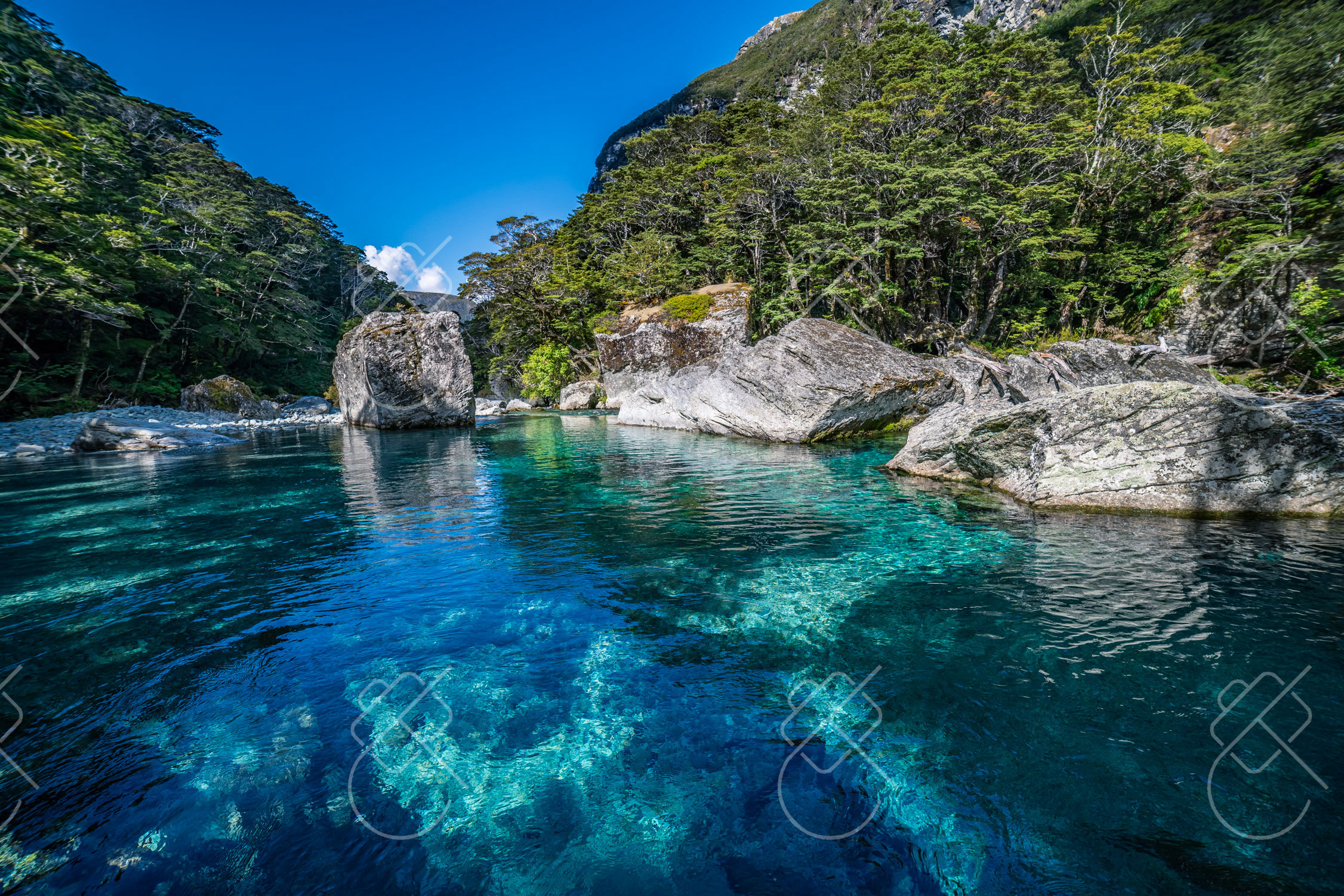
Glenorchy is a small settlement at the head of Lake Wakatipu, about 45 minutes from Queenstown along a scenic lakeside road. Surrounded by mountains and braided rivers, it serves as a gateway to remote valleys used as filming locations for major fantasy productions.
The drive from Queenstown to Glenorchy hugs the shore of Lake Wakatipu beneath the Remarkables and other ranges, regularly cited as one of New Zealand's most scenic roads. At the lake's head, a small red boatshed and a wooden wharf stand before a wall of snow-capped peaks, the settlement's best-loved scene, particularly at sunrise when the water lies mirror-still.
Beyond the village, gravel roads lead into the Dart and Rees river valleys and toward Paradise, areas of beech forest, braided rivers and mountains that featured in The Lord of the Rings and other films. These valleys mark the start of major hiking routes including the Routeburn Track, and the wide, treeless flats give an unusual sense of scale to the surrounding alps.
Summer and autumn (December–April) offer the best weather for hiking the Routeburn and exploring the valleys; winter is cold but spectacularly scenic.
Glenorchy itself has modest lodges for an early start at the wharf, while many visitors base in Queenstown and drive in.
Hearty café fare in the village; the wider region offers South Island lamb, venison and local trout.
The wharf faces the head of the lake, so the calmest reflections and warmest light usually come at first light, before the wind picks up.
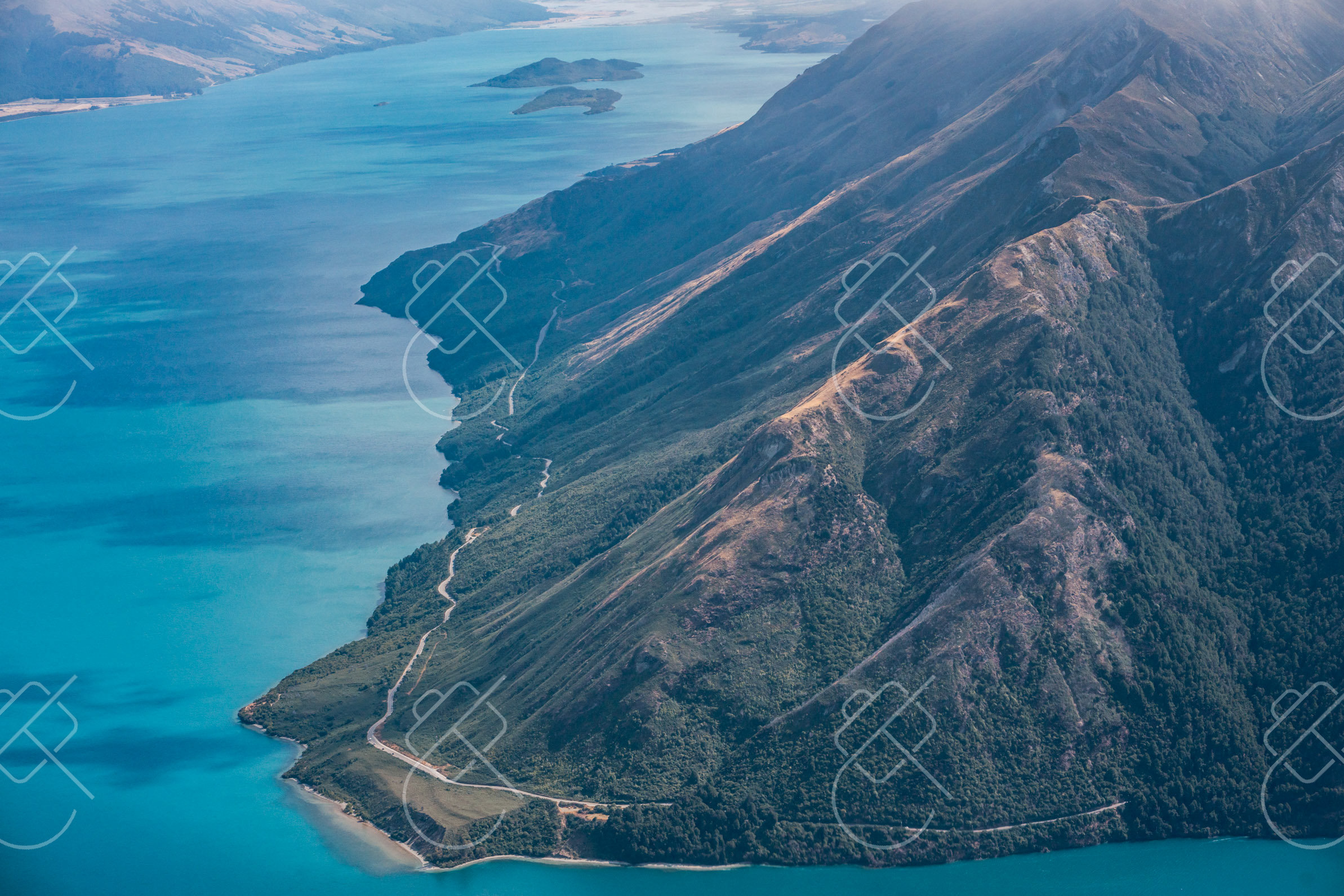
Christchurch is the largest city on the South Island and its main gateway, set on the Canterbury Plains between the Pacific and the Southern Alps. Rebuilt extensively after major earthquakes in 2010 and 2011, it blends restored heritage with bold new architecture and street art.
Often called the Garden City, Christchurch is laid out around the Avon River, which winds through central Hagley Park and the Botanic Gardens. The earthquakes of 2010-11 destroyed much of the historic center, and the rebuild has produced a distinctive mix: the damaged ChristChurch Cathedral under restoration, the Transitional Cathedral built partly of cardboard tubes, and a thriving program of large-scale murals across the inner city.
The city is the principal arrival point for travelers exploring the South Island, with the TranzAlpine railway crossing the Alps to the West Coast from here. The nearby Banks Peninsula, formed by ancient volcanoes, offers harbor scenery at Akaroa, while the flat Canterbury Plains stretch inland to the foothills of the Alps.
Late spring to autumn (November–April) brings warm, settled weather and blooming gardens; summer is peak season, while winter is cool and quieter.
The central city near Hagley Park and the Botanic Gardens puts the rebuilt center, the river and the murals all on foot.
Canterbury lamb, fresh produce from the plains, and seafood including crayfish from the nearby Kaikoura coast.
The murals are concentrated in the central rebuild zone and reward an unhurried walking circuit, with new works turning up between the cafés and laneways.
Rainfall here exceeds six meters a year, and the rain is part of the spectacle: after a downpour, the cliffs run with hundreds of cascades.
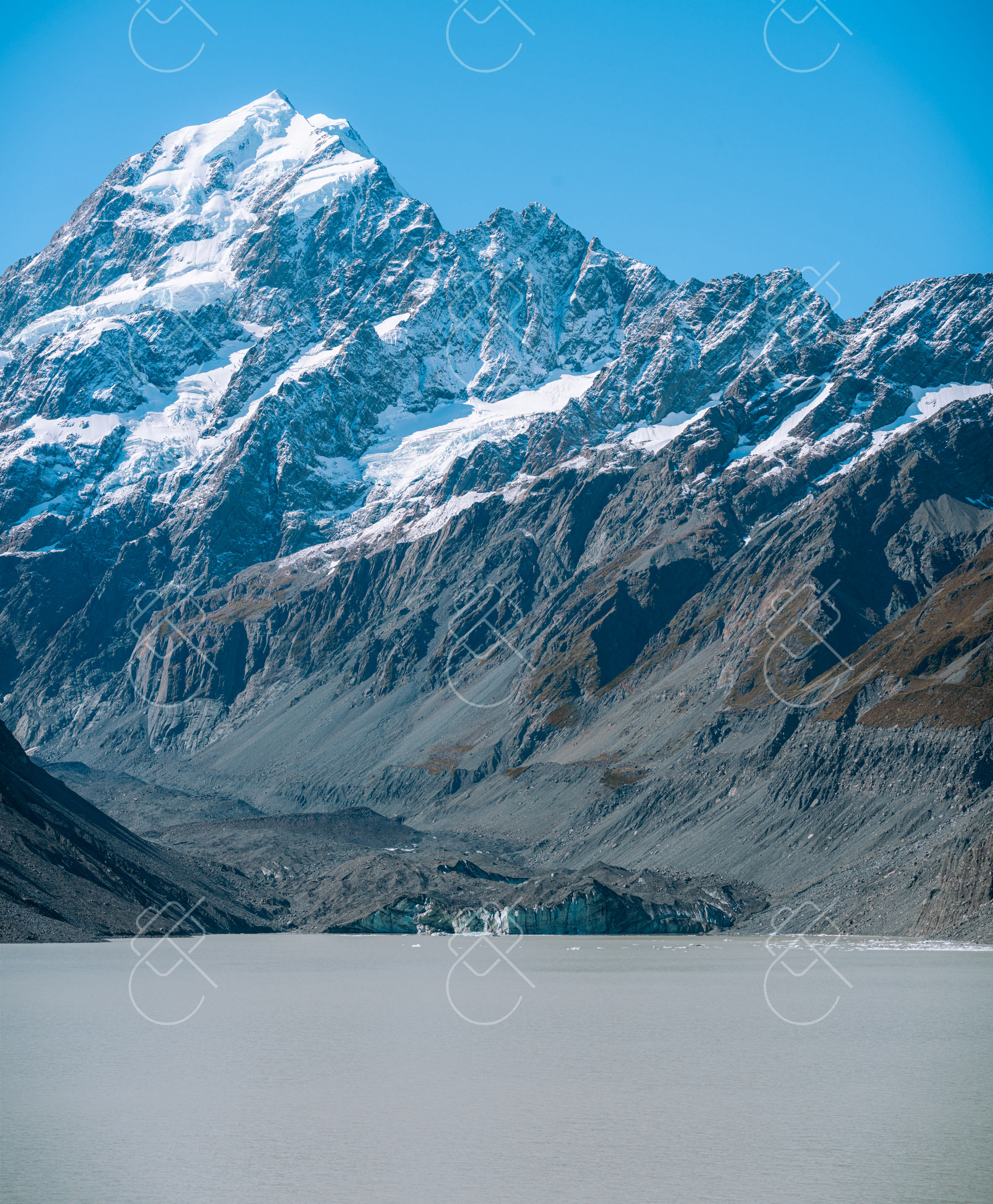
Lake Pukaki is a glacier-fed lake in the Mackenzie Basin whose intense turquoise color comes from finely ground rock flour suspended in its meltwater. At its head rises Aoraki / Mount Cook, the highest mountain in New Zealand.
The lake's milky turquoise is the work of glacial flour — rock ground to powder by glaciers and carried down in meltwater, which scatters light to produce the unusual color. Fed by the Tasman and other glaciers, Lake Pukaki points directly at Aoraki / Mount Cook, which at 3,724 meters is the country's tallest peak, framed cleanly from the lake's northern shore.
The surrounding Mackenzie Basin is part of an International Dark Sky Reserve, one of the largest in the world, and on a clear night the sky over the lake and nearby Lake Tekapo fills with stars from horizon to horizon. The road up the western shore leads to Aoraki / Mount Cook Village and the Hooker Valley Track, which approaches the mountain past glacier-fed rivers and a terminal lake dotted with icebergs.
Summer (December–February) for warm weather and clear Aoraki/Mount Cook views; spring and autumn bring fewer crowds, and the turquoise lake holds its color year-round.
Aoraki / Mount Cook Village or the small town of Twizel make practical bases for the lake, the mountain walks and the night skies.
Salmon farmed in the cold glacial canals of the Mackenzie is a local specialty, alongside Canterbury lamb.
The turquoise is most intense under direct sun, while the dark-sky reserve rewards lingering after nightfall, when the Milky Way arches over the lake.
Fox Glacier is one of two glaciers on the West Coast that descend through temperate rainforest to near sea level, an unusual combination of ice and lush green valley. The small township of the same name sits below it, close to a mirror-like reflective lake.
Fox Glacier and the nearby Franz Josef Glacier flow down from the Southern Alps within Te Wahipounamu World Heritage Area, reaching unusually low altitudes for glaciers at this latitude. Heavy West Coast rainfall feeds the snowfields that sustain them, and the valleys they have carved are framed by dense rainforest, giving the rare sight of ice set against subtropical greenery. The glaciers have retreated significantly in recent decades.
A short distance from the township, Lake Matheson is famous for its still, tannin-stained water that on calm mornings reflects Aoraki / Mount Cook and Mount Tasman, the two highest peaks in the country. The lake is ringed by a walking track through native forest, and the reflection viewpoints are best reached before dawn, when the surface is most likely to be mirror-still.
Spring through autumn (October–April) offers the most stable weather for glacier walks and hikes; summer is busiest, while the region is rainy year-round.
Fox Glacier township is the closest base for both the glacier valley and Lake Matheson, a short drive apart.
West Coast whitebait fritters in season, and hearty fare in the township cafés serving glacier visitors.
Lake Matheson is calmest at first light before any breeze stirs the surface, and the tannin-dark water deepens its mirror.
Milford Sound is one of the wettest places on earth, so a proper rain shell earned its keep here.
Explore regional routes with verified local fleets, zero hidden charges, and transparent insurance on Localrent.
Looking for the best deals on New Zealand hotels? Check Hotels.com.
Transit cards, local customs, visa rules, and practical travel guides for this region.
See every destination from the 526-day journey:
Browse all destinationsCurious about the gear behind these photos? See the gear list.