
Home
About us
Destinations
Travel Guides
Recipes
Featured
Photos As Art
Abstract Prints
Locations
Travel Gear
Travel Resources
Favorites
Photo Framer
Explore Photos
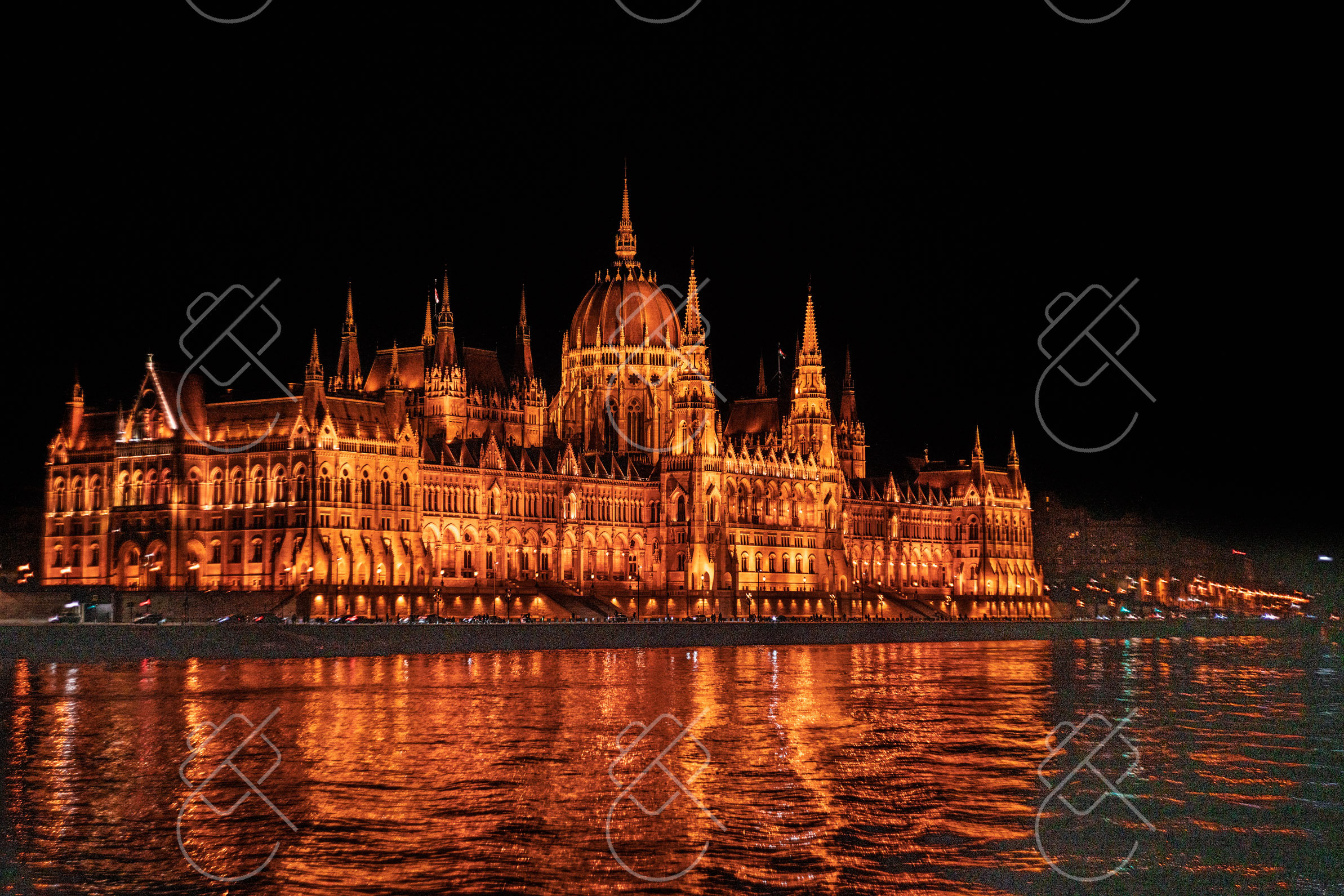
ContactBudapest was created in 1873 by merging three separate towns, hilly, castle-crowned Buda, industrial Óbuda, and flat, grid-planned Pest, on opposite banks of the Danube, and the city still reads as a study in contrasts because of it. Thermal springs bubble up beneath the entire city, feeding a network of historic bathhouses that have operated since Ottoman rule, while above ground, the Gothic Revival Parliament building and a chain of ornate bridges make the riverfront one of Europe's most photographed skylines, especially after dark when it's all floodlit gold.
Published August 19, 2025
Tap any photo to open it full-screen and order a print.
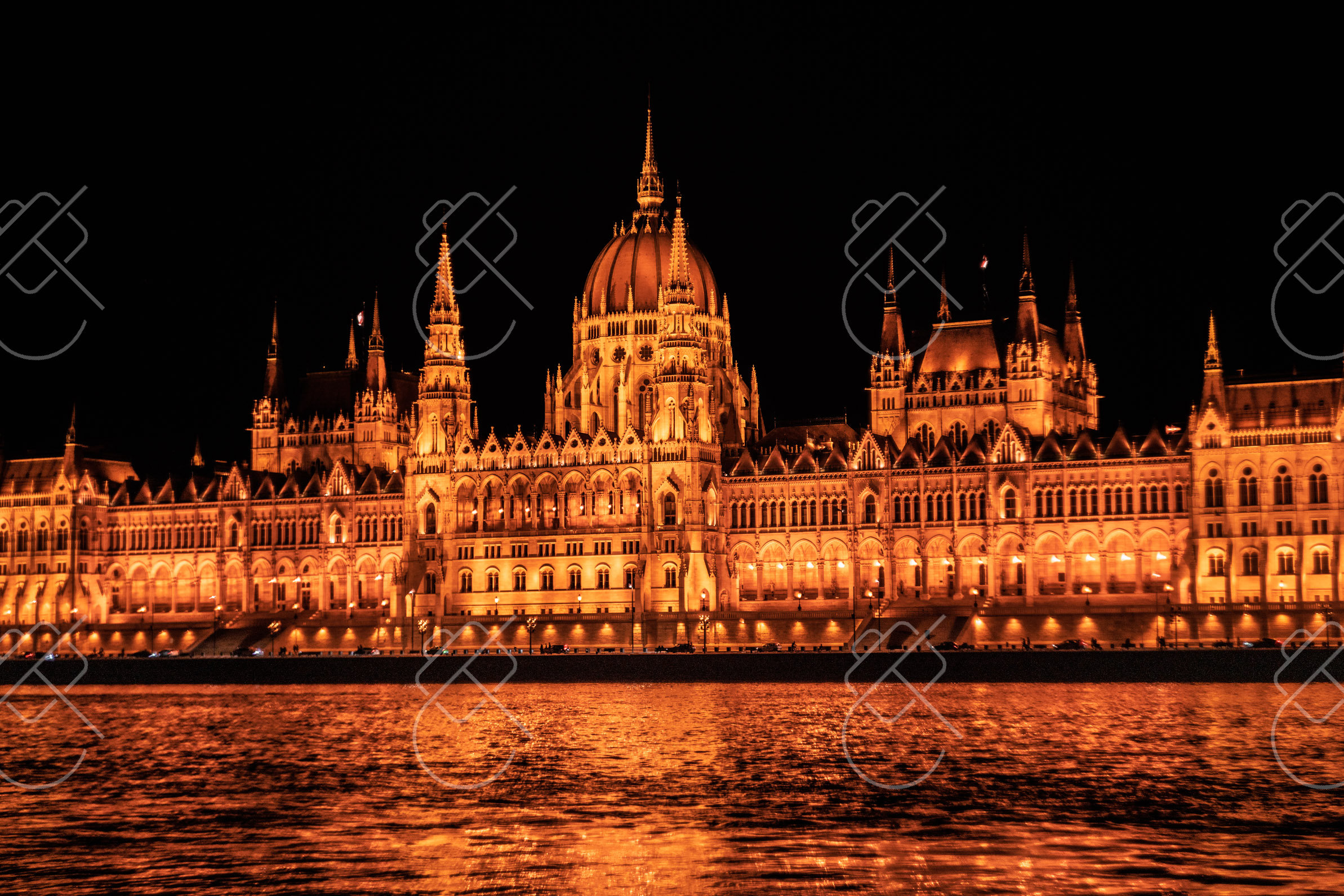
Budapest pairs a floodlit Gothic Revival Parliament and a hilltop castle district with a centuries-old thermal bathing culture, split by the Danube into castle-crowned Buda and flat, grid-planned Pest.
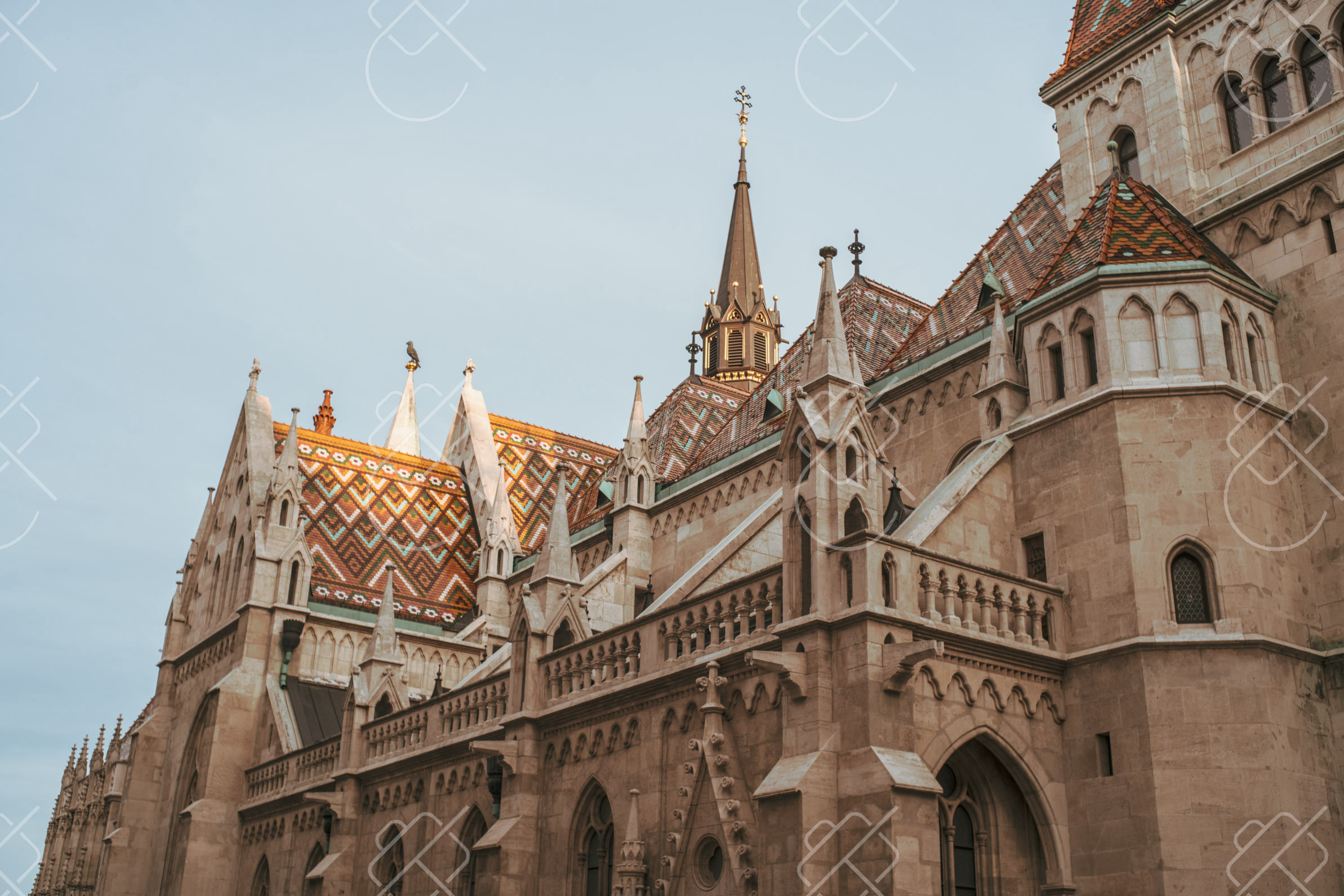
Buda, on the western bank, holds the hilltop Castle District: a walled old town of cobblestone lanes, the reconstructed Buda Castle, and the fairy-tale turrets of Fisherman's Bastion, a viewing terrace built in 1902 purely for the view over the river toward Pest, not for any real defensive purpose despite its name. Matthias Church stands at its center, its roof tiled in a diamond pattern of colorful Zsolnay ceramic. Across the river, Pest is the flatter, denser half, home to the Hungarian Parliament Building, a Gothic Revival landmark completed in 1904 that remains one of the largest legislative buildings on Earth, its riverside facade lit gold after dark and reflected in the Danube.
Matthias Church's diamond-patterned roof tiles
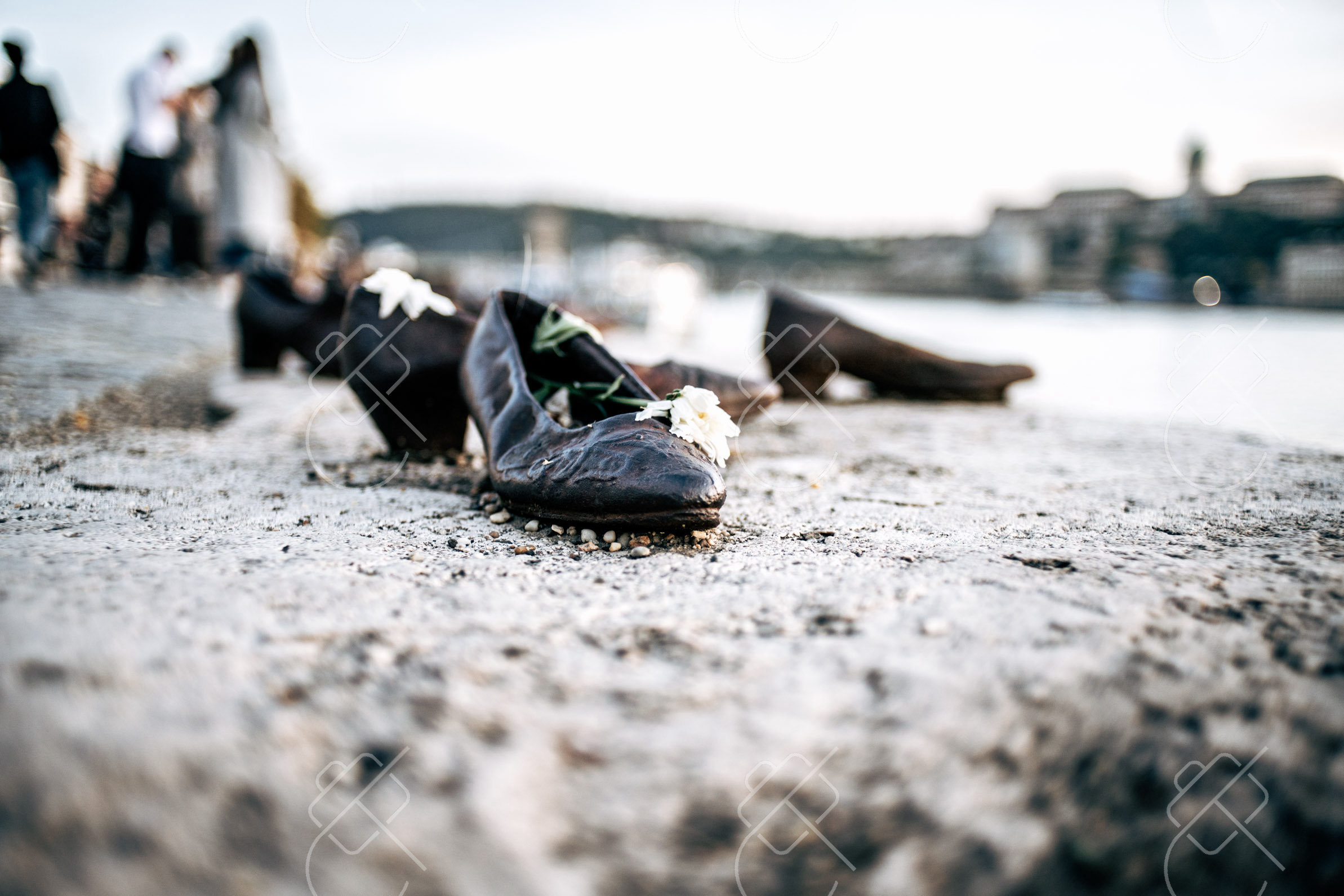
Budapest sits on a network of thermal springs, and the city has built a bathing culture around them since the Ottomans constructed the first bathhouses in the 16th century. Szechenyi and Gellert are the two grandest options today, both operating as much as social spaces as medical ones, with outdoor thermal pools that stay open and steaming through the winter. A short walk along the Pest riverbank leads to a quieter, harder scene: the Shoes on the Danube Bank, a memorial of 60 pairs of cast-iron shoes marking the site where Jewish citizens were executed and left to fall into the river during the winter of 1944-45.
Late spring (May) or early autumn (September-October) for mild weather on foot around the Castle District; the thermal baths are a genuine year-round draw, arguably best in winter when steam rises off the outdoor pools into cold air.
Base yourself in Pest near the Danube or the Jewish Quarter for walkable access to the Parliament, ruin bars, and nightlife, and take the metro or a short walk across the river for the Castle District's sights.
Goulash (a paprika-forward beef soup, not the thick stew it's often translated as abroad), chimney cake (kurtoskalacs) from a street vendor, and the Jewish Quarter's ruin bars, converted derelict buildings turned into bars and beer gardens.
Visit Fisherman's Bastion at sunrise or right before closing — it's one of Budapest's most crowded viewpoints by midday, and the terraces themselves are free outside a small fee for the uppermost tower.
Best deals on Budapest hotels this week — check Booking.com.
We had World Nomads as our travel insurance, covering us for the entire Budapest, Hungary leg of the trip — one less thing to worry about.
Transit cards, local customs, visa rules, and practical travel guides for this region.
See every destination from the 526-day journey:
Browse all destinationsCurious about the gear behind these photos? See the gear list.