Home
About us
Destinations
Travel Guides
Recipes
Featured
Photos As Art
Abstract Prints
Locations
Travel Gear
Travel Resources
Favorites
Photo Framer
Explore Photos
ContactBudapest is two cities that agreed to share a river. Buda is the hilly west bank of palaces and lookout terraces; Pest is the flat, grid-planned east bank of boulevards, coffeehouses, and the bars that grew out of the ruins of the old Jewish Quarter. Three days is enough to give each bank its due, spend an afternoon soaking in water that comes out of the ground near 75°C, and watch the Parliament light up gold across the Danube.
Published October 3, 2026
Tap any photo to open it full-screen and order a print.
Three days covers Budapest's essentials at a sane pace. Give Buda and Castle Hill the first day, Pest's riverfront, Parliament, and the Jewish Quarter the second, and the third to Andrássy Avenue, City Park, and the baths, ending with sunset from Gellért Hill. The two banks are linked by bridges, trams, and a good metro, so it's easy to cross back and forth, but grouping each day by bank saves the most time. Book Parliament tours and the Hospital in the Rock in advance; both sell out.
Budapest works in every season because the baths do — a steaming outdoor pool is arguably better in January than in July. For walking both banks, though, late spring and early autumn are the sweet spots: mild days, long light, and room on the bridges.
The chestnut trees leaf out along the Danube, café terraces reopen, and the Castle District is comfortable to climb at midday. May is near-perfect and starts to fill up — book a few weeks ahead.
Hot, sometimes over 30°C, with long evenings and ruin-bar courtyards at full volume. August 20, St. Stephen's Day, ends with fireworks over the Danube; plan around the crowds or join them.
Warm days into October, wine festivals in the Buda Castle courtyards in September, and the low sun lighting the Parliament from across the river. The quiet favorite.
Cold, grey, and atmospheric. Christmas markets fill Vörösmarty tér and the square in front of St. Stephen's Basilica, and the outdoor thermal pools steam into freezing air — the best bath weather of the year.
Hungarian Parliament Building — The 268-meter Gothic Revival riverfront landmark, home to the Holy Crown — tour it by day, see it floodlit at night.
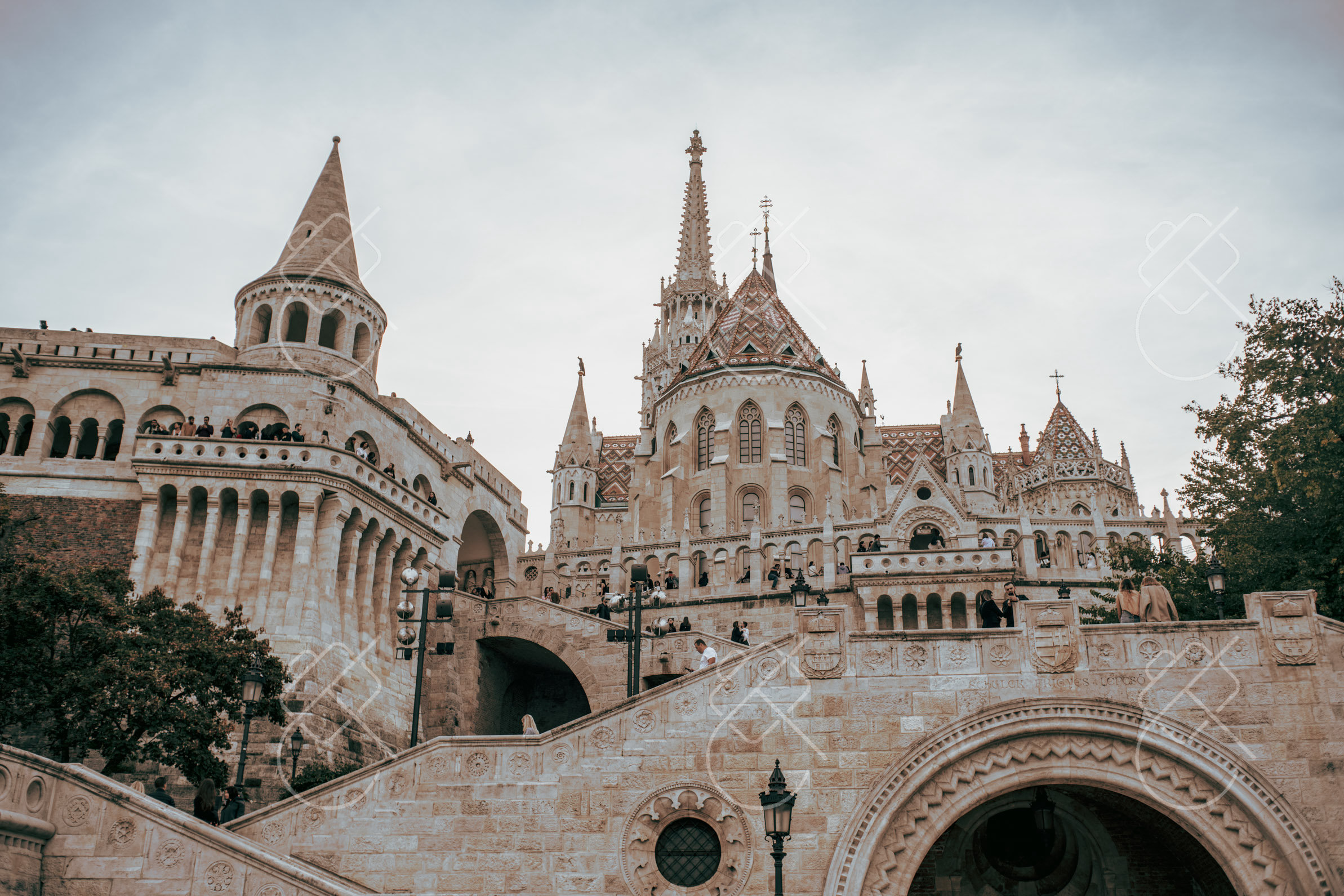
Fisherman's Bastion & Matthias Church — Castle Hill's fairy-tale lookout terraces and the diamond-tiled church behind them.
Széchenyi Thermal Bath — City Park's neo-Baroque bath palace with outdoor pools that steam year-round.
Danube riverfront at night — The Chain Bridge, Buda Castle, and Parliament all floodlit — the city's defining view.
St. Stephen's Basilica — Pest's great domed church, with a panorama terrace about 65 meters up.
Dohány Street Synagogue — Europe's largest synagogue, seating around 3,000, with a Holocaust memorial garden.
Shoes on the Danube Bank — Sixty pairs of cast-iron shoes marking where Jews were shot into the river in 1944–45.
Szimpla Kert & the ruin bars — The original ruin bar, founded in 2002, in a crumbling Jewish Quarter building.
Gellért Hill & the Citadella — The Liberty Statue and the newly reopened Citadella, with the best sunset view in town.
Hospital in the Rock — A WWII hospital and Cold War nuclear bunker tunneled under Castle Hill — guided tours only.
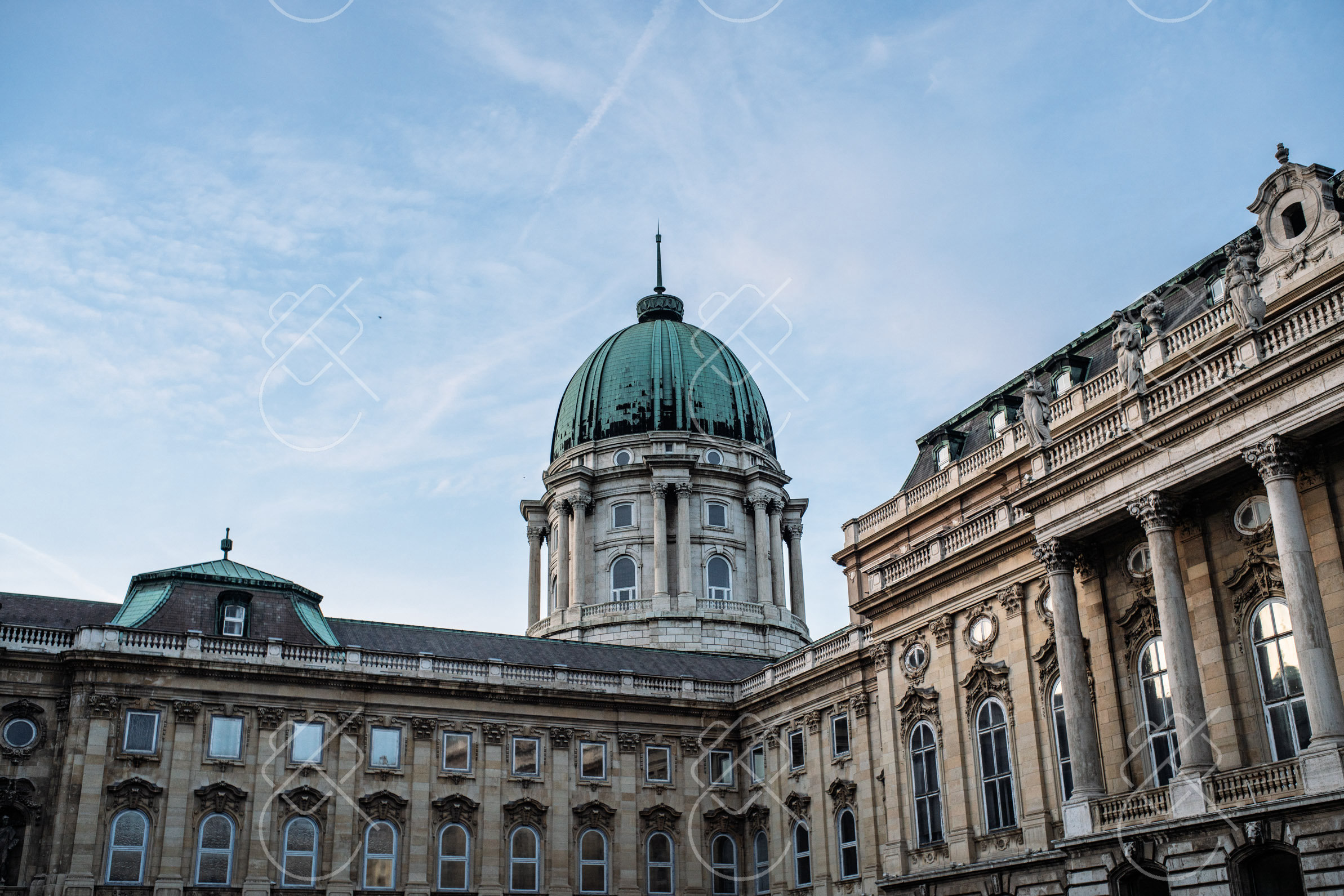
Buda's limestone ridge carries a walled medieval quarter, a royal palace, and the most famous viewpoint in Hungary. It's the oldest-feeling part of the city and the one that empties out most completely after dark.
Fisherman's Bastion looks like a fortress but was built between 1895 and 1902 purely as a viewing terrace, its seven turrets standing for the seven Magyar tribes that settled the Carpathian Basin. Behind it, Matthias Church wears a roof of glazed Zsolnay tiles in diamond patterns, and the equestrian statue of St. Stephen, Hungary's first king, faces the river. The lower terraces are free to walk; only the uppermost level charges in daytime.
A ten-minute walk south along the ridge, the Buda Castle palace holds the Hungarian National Gallery and the Budapest History Museum, and its courtyards hide the Matthias Fountain, a bronze hunting scene cascading down a palace wall. Beneath your feet, the hill is hollowed by caves and tunnels; the Hospital in the Rock, a wartime hospital later fitted out as a Cold War nuclear bunker, can be visited only on a guided tour.
Before 9am or after sunset. Fisherman's Bastion is mobbed by midday, but at dawn the terraces are quiet and the light falls across the Parliament.
Stay on the Buda side near Batthyány tér for quiet streets, a direct view of the Parliament, and a short walk up to the castle.
Castle Hill restaurants are overpriced; take coffee and a slice of cake at one of the old cafés on Tárnok utca and save lunch for the river.
Skip the funicular queue: bus 16 runs from Deák Ferenc tér straight up to the Castle District, or walk up the stairs from the Várkert Bazár gardens.
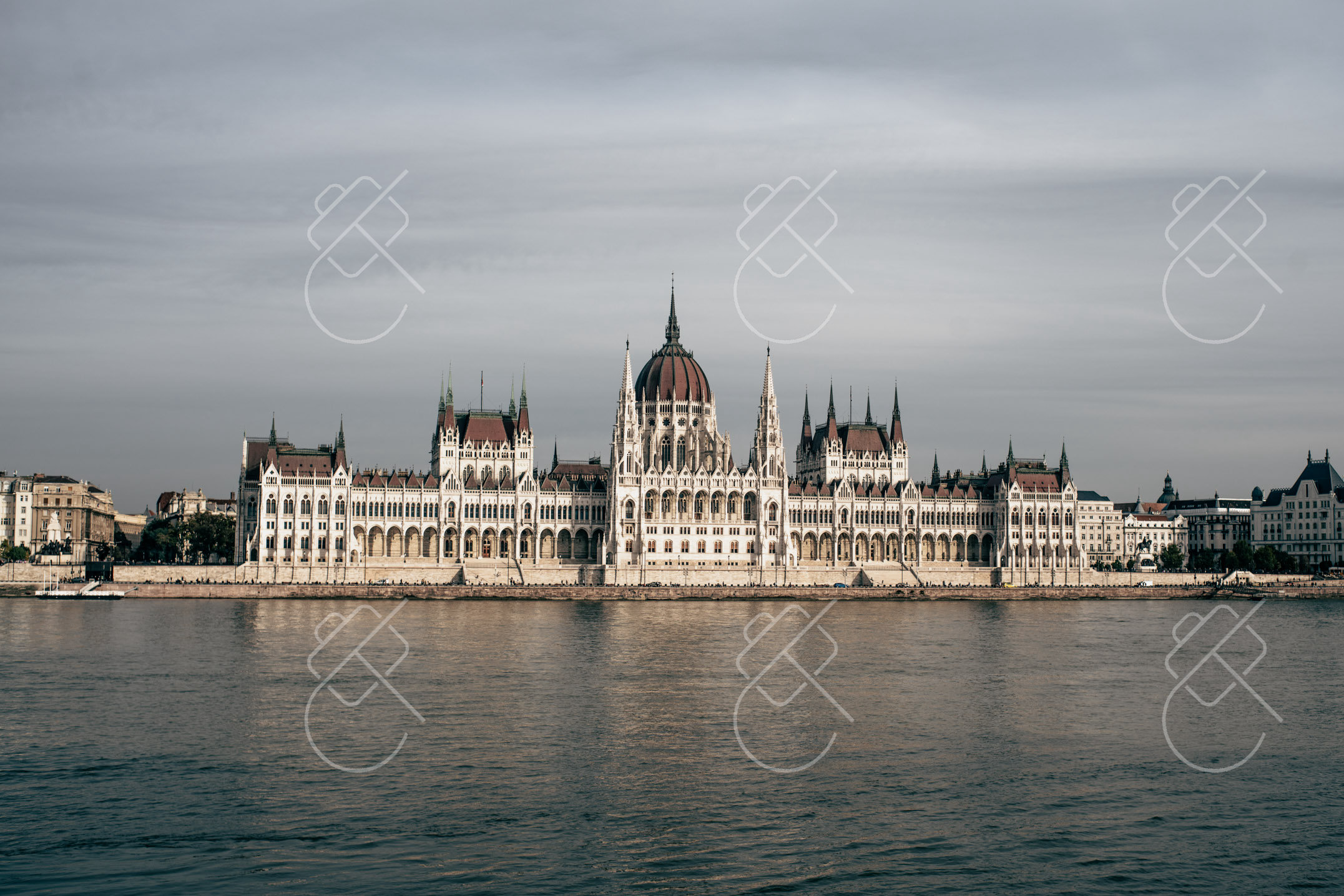
Pest's riverfront is a stretch of grand public architecture — the Parliament, the Chain Bridge, St. Stephen's Basilica a few blocks back — punctuated by one of Europe's most affecting memorials.
The Hungarian Parliament is 268 meters long, and its dome rises 96 meters, a number chosen for the year 896, when the Magyars are said to have arrived. Guided tours take in the grand staircase and the domed hall where the Holy Crown of Hungary is kept under guard. A short walk south along the embankment, the Shoes on the Danube Bank — sixty pairs of cast-iron shoes — mark where Arrow Cross militiamen shot Jewish victims into the river in the winter of 1944–45.
The Széchenyi Chain Bridge, opened in 1849 as the first permanent bridge across the Danube in Budapest, reopened in 2023 after a full restoration and is now closed to private cars, leaving it to pedestrians, buses, taxis, and bikes. Inland, St. Stephen's Basilica matches the Parliament at 96 meters; a lift and a short stair reach the dome's panorama terrace, the highest viewpoint in Pest.
Blue hour. The floodlights come on around sunset, and the 30 minutes that follow give the Parliament's gold against a deep-blue sky.
Lipótváros, between the Parliament and the Basilica, is central, calm at night, and walkable to both banks.
Duck into a traditional étkezde (lunch canteen) on the side streets behind the Basilica for a cheap weekday lunch of soup and főzelék, Hungary's thick vegetable stew.
For the classic Parliament shot, cross to Batthyány tér on the Buda bank; standing next to the building, you can't see the whole facade.
Budapest is two cities that agreed to share a river.
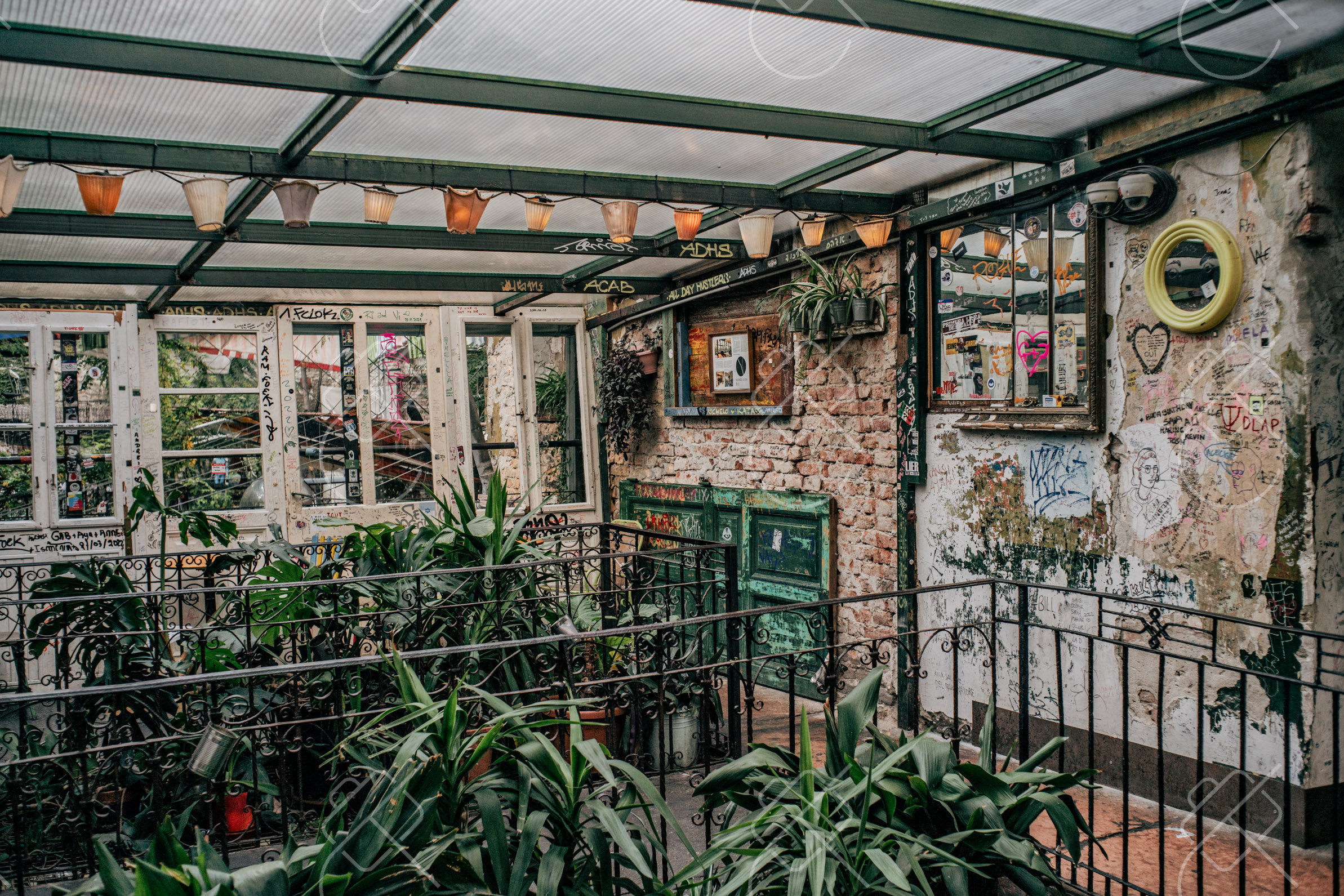
District VII was Budapest's Jewish heart, a wartime ghetto, and then decades of neglect. Today it holds Europe's largest synagogue and the ruin bars that grew out of its crumbling courtyards.
The Dohány Street Synagogue, a Moorish Revival hall from the mid-19th century, seats about 3,000 and is the largest synagogue in Europe. The complex includes the Hungarian Jewish Museum, a cemetery for those who died in the 1944–45 ghetto, and a metal weeping-willow memorial engraved with victims' names. It's closed on Saturdays and Jewish holidays.
The ruin bars began in 2002 with Szimpla Kert, which moved into a derelict building on Kazinczy utca and filled it with mismatched furniture, old car parts, and graffiti. It's still the benchmark — part bar, part flea market, and on Sunday mornings a farmers' market. Nearby Gozsdu Udvar, a passage of linked courtyards, is the district's other after-dark hub.
Synagogue in the morning, ruin bars after 9pm — Szimpla is half-empty at seven and packed by eleven.
Erzsébetváros (District VII) puts you in the middle of the nightlife — ask for a courtyard-facing room if you want to sleep.
Lángos — fried dough with sour cream and grated cheese — is the classic late-night ruin-bar fuel; flódni, a layered Jewish apple-walnut-poppyseed cake, is the daytime treat.
Visit Szimpla Kert in daylight too; with the crowds gone you can actually see the rooms, and the Sunday market is worth a stop.
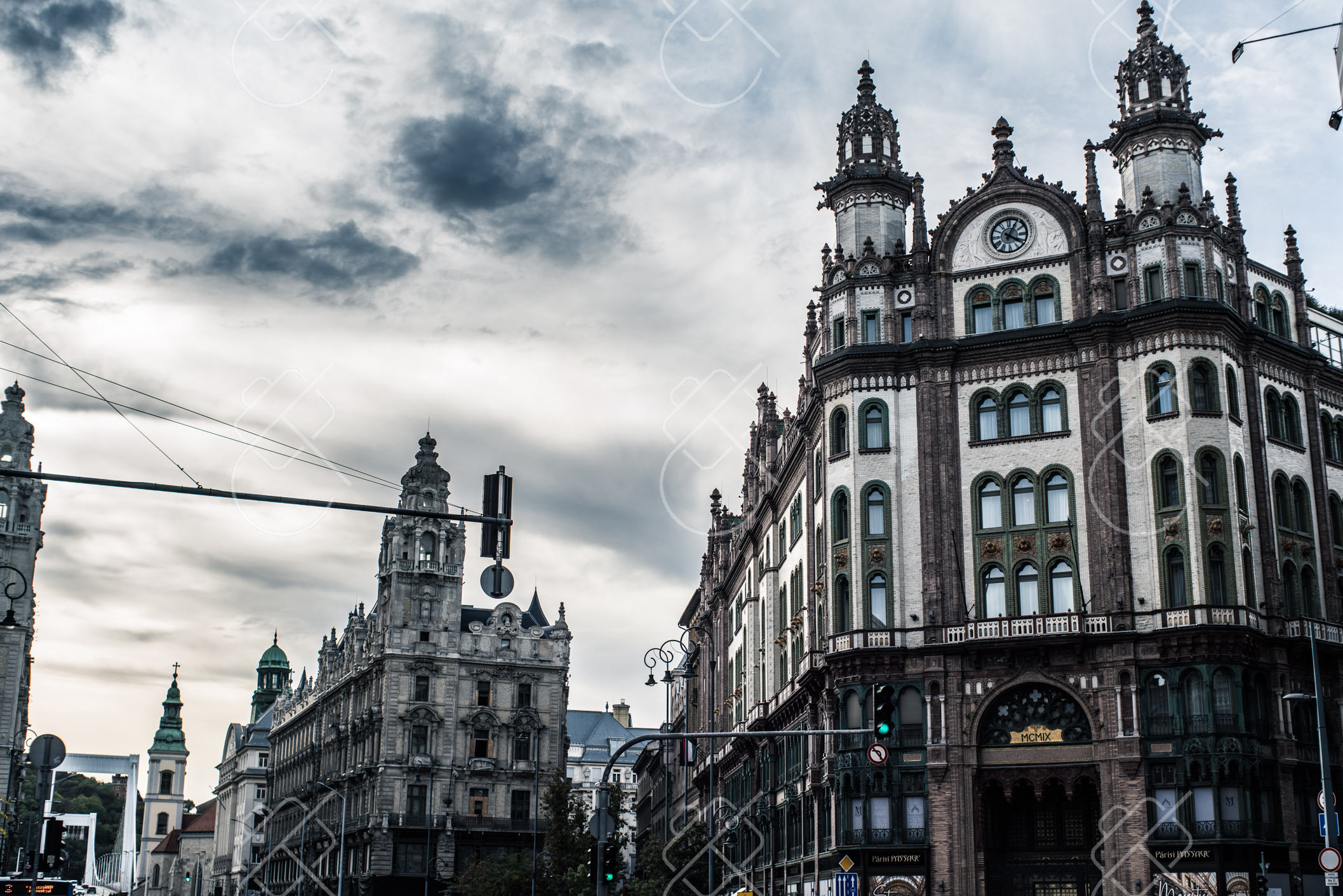
Andrássy Avenue runs from the Opera to Heroes' Square, with the oldest metro line on the European continent underneath it. At the far end, City Park holds Budapest's most famous bath.
The M1 Millennium Underground opened in 1896, the oldest metro line on the European continent, and its tiled stations along Andrássy Avenue are part of the same UNESCO listing as the boulevard above. It ends at Heroes' Square, where the Millennium Monument's column and statues of the Magyar chieftains face City Park. Inside the park, Vajdahunyad Castle is a full-size collage of Hungarian architectural styles, first built for the 1896 millennium celebrations.
The Széchenyi Thermal Bath, opened in 1913, is a yellow neo-Baroque palace with three outdoor pools and more than a dozen indoor ones, fed by springs that come out of the ground at around 75°C. Find a seat in the steaming outdoor pool and watch locals play chess on floating boards. The Gellért Baths, the other famous name, closed in October 2025 for a renovation expected to run to 2028 — for an Ottoman-era soak, go to Rudas instead, whose rooftop pool looks down the Danube.
Széchenyi is quietest on weekday mornings; winter evenings, when steam rises off the outdoor pools, are the most atmospheric.
The streets around Andrássy Avenue near the Opera are elegant, central, and on the M1 line to the baths.
Order chicken paprikash (csirkepaprikás) with nokedli dumplings at a neighborhood restaurant near the park after the baths.
Bring flip-flops and a towel to avoid rental fees, and expect the outdoor pools to be cooler than the indoor thermal ones.
Find a seat in the steaming outdoor pool and watch locals play chess on floating boards.
A loose, walkable route — bend it to your pace and the light.
Start early on Castle Hill, before the tour buses. Walk the lower terraces of Fisherman's Bastion while the light is still low across the river, step into Matthias Church when it opens, and follow the ridge south through the cobbled lanes to the Buda Castle palace and the Matthias Fountain in its courtyard.
After lunch, join a booked tour of the Hospital in the Rock, then walk down through the Várkert Bazár gardens to the river. End the day on the Buda embankment at Batthyány tér, where the Parliament lights up gold directly across the water.
Where to shoot: Fisherman's Bastion at sunrise · The Matthias Fountain in the palace courtyard · Chain Bridge from Clark Ádám tér · Parliament from Batthyány tér at blue hour
Tip: Buy a 72-hour public transport pass — it covers bus 16 up the hill, the trams along both banks, and every metro line for the rest of the trip.
Take a morning tour of the Parliament, then walk south along the embankment to the Shoes on the Danube Bank. Head inland to St. Stephen's Basilica and ride up to the dome terrace for the view across Pest's rooftops to Castle Hill.
In the afternoon, cross into District VII for the Dohány Street Synagogue and its memorial garden. Eat dinner nearby, then stay for the ruin bars: start at Szimpla Kert and drift through the courtyards of Gozsdu Udvar.
Where to shoot: Parliament's riverside facade from the embankment · Shoes on the Danube Bank in late light · St. Stephen's Basilica dome terrace · Szimpla Kert's courtyard after dark
Tip: The synagogue is closed on Saturdays, so do this day on any other day of the week — and book the Parliament tour online, since same-day tickets often run out.
Ride the little yellow M1 metro up Andrássy Avenue to Heroes' Square, walk through City Park past Vajdahunyad Castle, and spend the middle of the day soaking at the Széchenyi Bath, moving between the indoor thermal pools and the big outdoor ones.
Late afternoon, cross to Buda and climb Gellért Hill to the Liberty Statue and the Citadella, reopened in 2026 after more than a decade of renovation, for sunset over the bridges. Finish with dinner back on the Pest side or a night cruise along the floodlit riverfront.
Where to shoot: Heroes' Square's Millennium Monument · Széchenyi's outdoor pools in steam · Vajdahunyad Castle across the lake · The bridges from Gellért Hill at sunset
Tip: Don't plan around the Gellért Baths — they've been closed for renovation since October 2025. Rudas, at the foot of the same hill, is the best substitute.
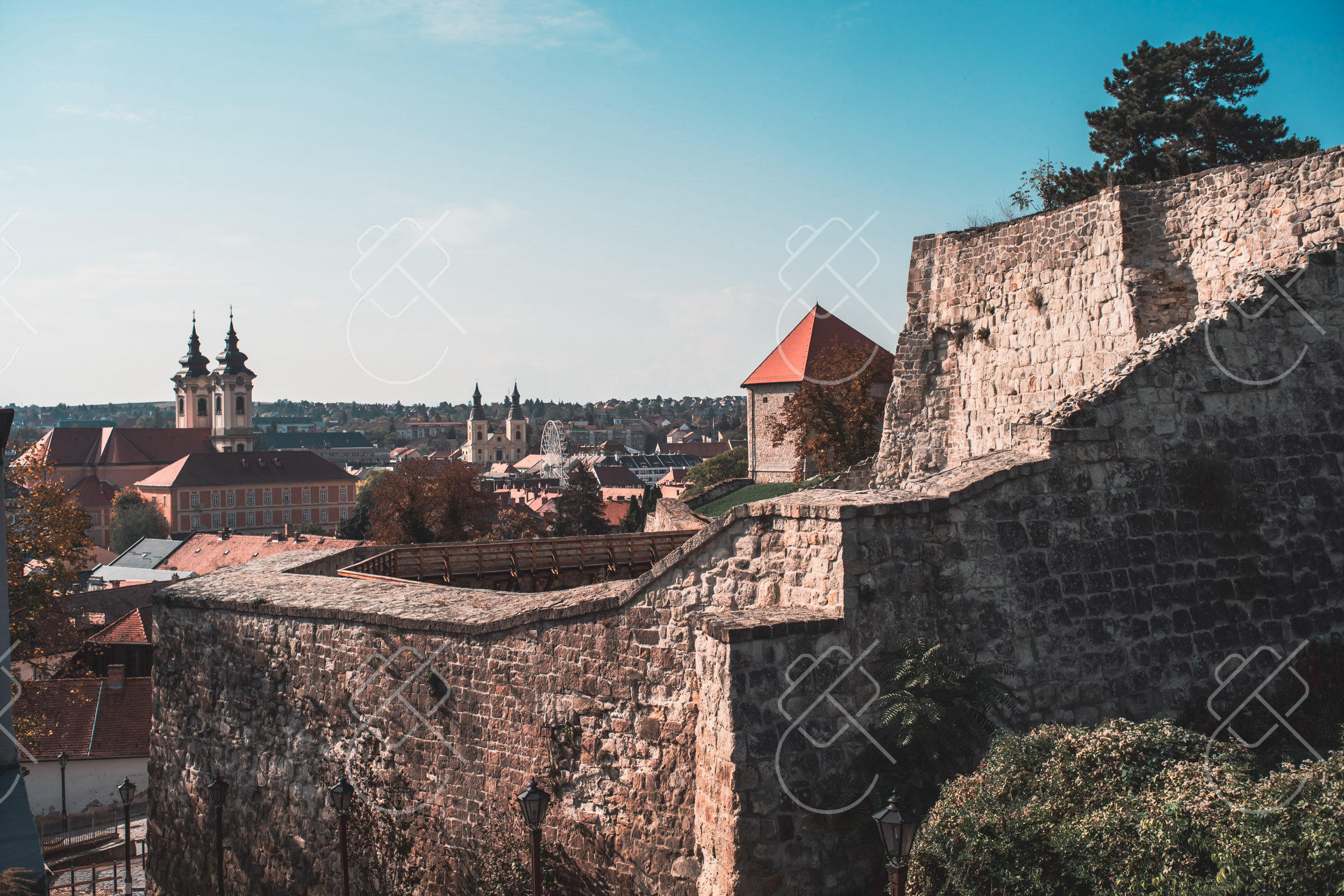
With a fourth day, Eger makes the best day trip: direct trains from Keleti station take about two hours to reach the baroque town whose castle held off an Ottoman siege in 1552, and the wine cellars of the Valley of the Beautiful Women pour Egri Bikavér, the red blend known as Bull's Blood. Closer in, the HÉV suburban train reaches the artists' town of Szentendre in about 40 minutes, and a full day along the Danube Bend takes in the hilltop citadel at Visegrád and Esztergom's basilica, the largest church in Hungary.
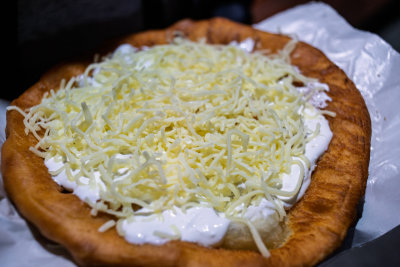
Deep-fried dough slathered with sour cream and piled with grated cheese — Budapest's favorite street snack, sold at market halls, beach stands, and late-night windows near the ruin bars.
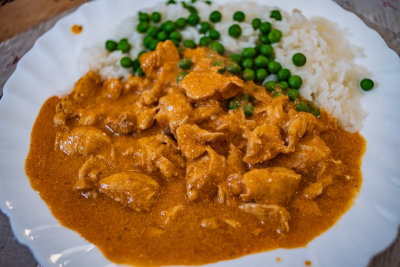
Chicken simmered in a sauce of sweet Hungarian paprika and sour cream, usually served with nokedli dumplings or rice. It's home cooking, and it's on nearly every traditional menu in town.
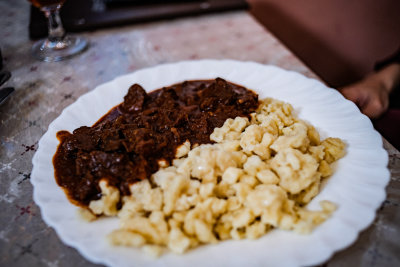
A thick, slow-cooked paprika stew of beef or pork — the dish most foreigners mean when they say goulash — served with small, soft egg dumplings.
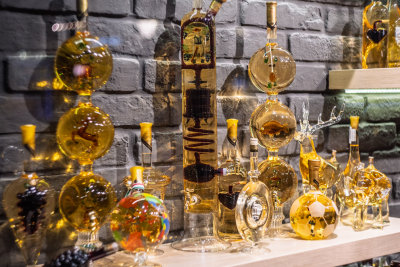
Hungary's fruit brandy, distilled from plums, apricots, pears, or cherries and drunk as a shot before or after a meal. Specialty shops sell bottles with whole fruit inside.
Explore regional routes with verified local fleets, zero hidden charges, and transparent insurance on Localrent.
Looking for the best deals on Budapest hotels? Check Booking.com.
Transit cards, local customs, visa rules, and practical travel guides for this region.
See every destination from the 526-day journey:
Browse all destinationsCurious about the gear behind these photos? See the gear list.