Home
About us
Destinations & Country Guides
Travel Guides
Recipes
Featured
Photos As Art
Abstract Prints
Locations
Travel Gear
Travel Resources
Favorites
Photo Framer
Explore Photos
Contact Destinations & Itineraries
By Clever Tourists · Published
The cheapest places to travel in Europe in 2027 are Albania, North Macedonia, Bosnia, Romania, Bulgaria, Serbia, Montenegro outside the Kotor coast, Hungary outside Budapest's centre, and Turkey, where a budget traveller can still manage on roughly $25 to $50 a day. Western Europe's cheap corners (inland Spain, Portugal's interior, mainland Greece) start around $50 to $80. The east-west split matters more than any single city. We spent 31 days in Albania, 22 in Romania, 22 in Montenegro, 17 in the Czech Republic and 11 in Hungary in 2022 and 2023, and 60 in Spain, so most of this list is ground we covered. Daily figures are typical budget-traveller costs from current hostel and travel-site estimates, not our spending.
Budget means a dorm bed or cheapest private room, local food, public transport and one paid sight a day.
• Albania: about $30 to $50 a day. Hostelz's 2026 figures put the Albania, Bulgaria and Romania band at roughly €22 to €35 (≈ $25–39). The best value on the continent. Tirana, Berat and Gjirokaster are cheap year round; Ksamil and Sarande in August are not. Albania uses the lek and is not in Schengen. See our Albania guide and cash and ATMs in Albania.
• North Macedonia, Bosnia and Herzegovina, Serbia: about $25 to $40. Hostelz puts them in its cheapest European band, roughly €22 to €35 (≈ $25–39). We did not visit these, but they sit in the same price band as Albania on hostel-site comparisons.
• Romania: about $35 to $50. Sources differ: Hostelz groups it with the Balkans at €30 to €35 (≈ $33–39), Going.com says about $50. Transylvania (Sibiu, Brasov, Cluj-Napoca) is cheaper than Bucharest. See best time to visit Romania.
• Bulgaria: about $25 to $40. One 2026 index puts it near $32. Sofia and Plovdiv are cheap; the Black Sea in July is busier. It now uses the euro.
• Montenegro: about $40 to $60. Inland (Niksic, Zabljak) is far cheaper than Kotor and Budva in summer. Montenegro uses the euro but is outside the EU and Schengen.
• Turkey: about $25 to $45. Buses and food are good value; Istanbul hotels and euro-priced museum tickets are not. See Istanbul and Cappadocia.
• Hungary: about $40 to $70. Hostelz's 2026 band for Hungary, Poland and Czechia is roughly €44 to €69 (≈ $49–77). Budapest is cheaper than Vienna or Prague, and Eger cheaper again. See where to stay in Budapest.
• Poland: about $40 to $70. Krakow and Gdansk are popular; smaller cities cost less.
• Czech Republic outside Prague: about $45 to $75. Prague's centre is not cheap any more; Brno, Pilsen and Kutna Hora are. See Prague and Bohemia.
• Portugal's interior and Spain's interior: about $50 to $80. Hostelz's 2026 band for Spain, Portugal, Greece and Croatia is roughly €43 to €62 (≈ $48–69). Not cheap by Balkan standards, but the cheapest western option. Inland Spanish cities like Salamanca and Granada beat Barcelona.
• Greece off the islands: about $50 to $75. Thessaloniki and the mainland are good value; Santorini and Mykonos are not.
• Croatia: about $50 to $75, more on the coast in summer. Hostelz puts dorm beds near €19 (≈ $21), the highest in its band, and Dubrovnik in summer runs above that, but Zagreb and Osijek are. See Croatia.

• Schengen 90/180. Visa-free visitors (US, UK, Canada, Australia and others) can spend 90 days in any 180 across all Schengen countries combined. Croatia, Romania and Bulgaria are now inside Schengen, so they count. Albania, Montenegro, Bosnia, Serbia, North Macedonia and Turkey do not, which is why long-trip budget travellers spend time in the Balkans: it saves Schengen days as well as money.
• EES, the Entry/Exit System, started on 12 October 2025 and was phased in at Schengen external borders through 9 April 2026. It registers your fingerprints and photo instead of stamping your passport, and it counts your 90/180 days automatically, so overstays are now caught.
• ETIAS, a travel authorisation for visa-free visitors priced at €20 (≈ $22) and valid three years, has still not launched. As of October 2026 the EU has given no date, and reporting points to 2027 at the earliest, with a grace period after launch. Check the official EU ETIAS site before you go, and ignore third-party sites selling it now.
• Bulgaria joined the euro on 1 January 2026, at a fixed 1.95583 lev to the euro. Shops posted prices in both currencies until August 2026.
The UK is outside all of this: see the UK visa rules.
Rooms in Croatia, Montenegro and Albania's coast can double between May and August. In the Balkans, May, early June, late September and October give warm sea and shoulder prices; we were in Croatia, Montenegro and Albania from August into early October 2023. In central European cities, November and January to March are cheapest, except Christmas market weeks. Spain's interior is very hot in July and August; we were there in summer 2022, and spring or autumn is the better-value choice. See best time to visit Croatia and best time to visit Spain.
• Accommodation is the biggest cost. Apartments outside old towns, such as in Kotor's neighbouring bays or Budapest's District VIII, save the most.
• Transport: Balkan buses are cheap but slow, and you cannot rely on rail across Albania or Montenegro. Romania's trains are cheap. Renting a car across Balkan borders needs a green card: see driving across Balkan borders.
• Cash: Albania and Montenegro's interior still run largely on cash; ATM fees add up. See cash or card abroad.
• Data: Albania is outside EU roaming, so EU and UK plans may not cover it: see Albania eSIM for tourists.
• Tipping is modest in the Balkans: see tipping in Croatia, Montenegro and Albania.
Our own route went Zagreb to Dubrovnik, then Kotor, the Montenegro mountains, Theth in Albania, Tirana, Gjirokaster and Berat. Reversed or shortened, it makes a cheap Balkan loop: fly into Tirana or Podgorica, which tend to have cheaper fares than Dubrovnik, spend most nights in Albania and inland Montenegro, and add only two or three coastal Croatia nights. It keeps you outside Schengen for most of the trip.
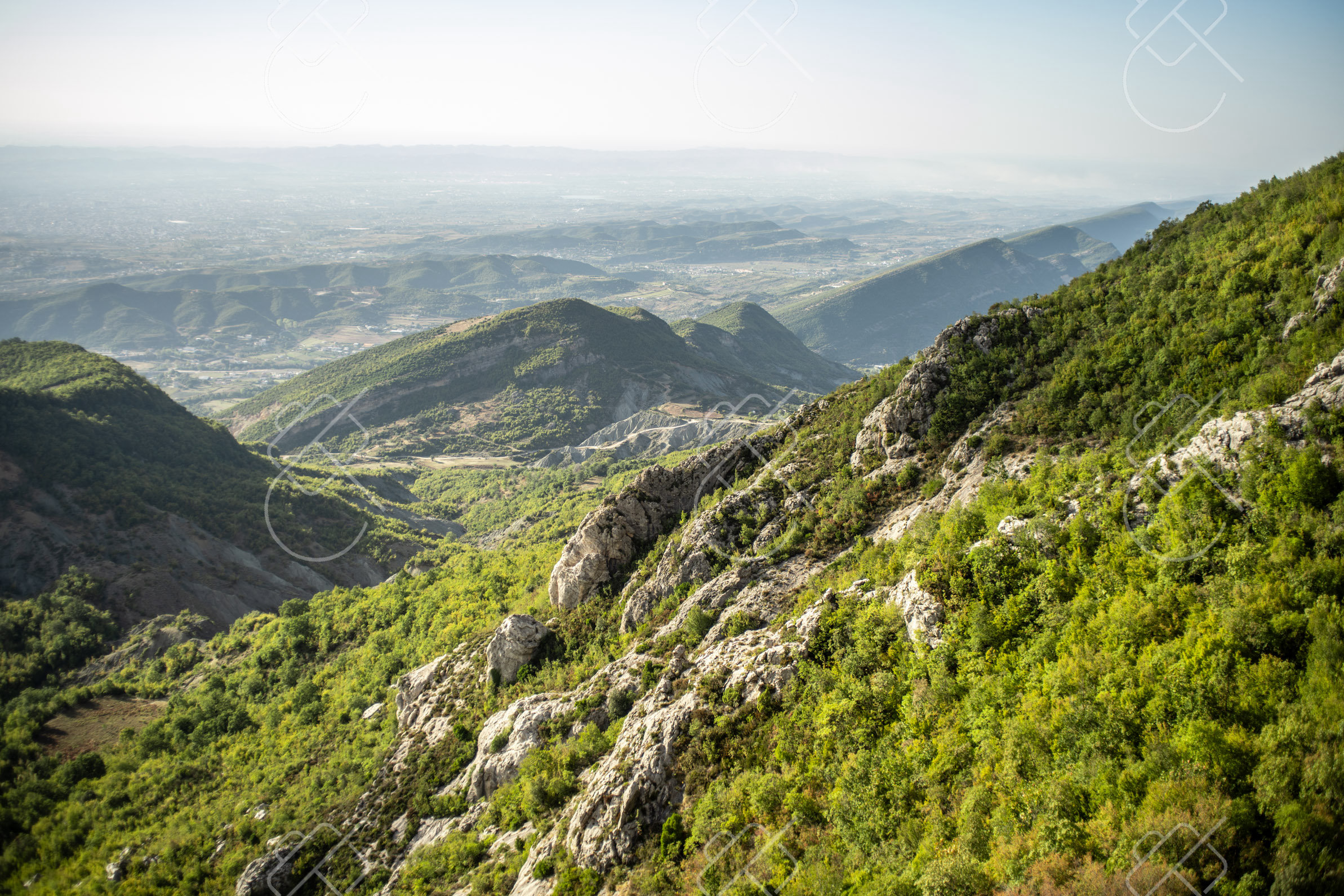
Albania, at roughly $30 to $50 a day for a budget traveller, with North Macedonia, Bosnia and Serbia close behind.
Not on the coast in summer. The typical budget range is about $50 to $75 a day, higher in Dubrovnik in July and August, and Zagreb and Osijek are cheaper.
As of October 2026 ETIAS had no launch date, with 2027 the earliest likely. It will cost €20 (≈ $22) and apply only in Schengen countries, not Albania, Montenegro or Turkey.
No. Albania, Montenegro, Bosnia, Serbia, North Macedonia and Turkey are outside Schengen. Croatia, Romania and Bulgaria are inside it.
Yes, since 1 January 2026, at a fixed 1.95583 lev to the euro.
Get our new Albania guides and practical tips by email: where to stay, what to eat, what things cost and the rules that catch travelers out.
Free. No spam, only new guides and tips.
Search verified local fleets with low security deposits and exact model delivery on Localrent.
Best deals on Albania hotels this week — check Booking.com.