
Home
About us
Destinations
Travel Guides
Recipes
Featured
Photos As Art
Abstract Prints
Locations
Travel Gear
Travel Resources
Favorites
Photo Framer
Explore Photos
ContactBucharest earned its old nickname 'Little Paris' from the grand Belle Epoque boulevards its architects built after independence, and that elegance still stands shoulder to shoulder with the scars of Ceaușescu-era demolition and the world's heaviest administrative building. Wander from the gilded interiors of the Old Town's beer halls to the endless marble corridors of the Palace of the Parliament, and the city's whiplash history is on full display at every turn.
Published February 23, 2025
Tap any photo to open it full-screen and order a print.
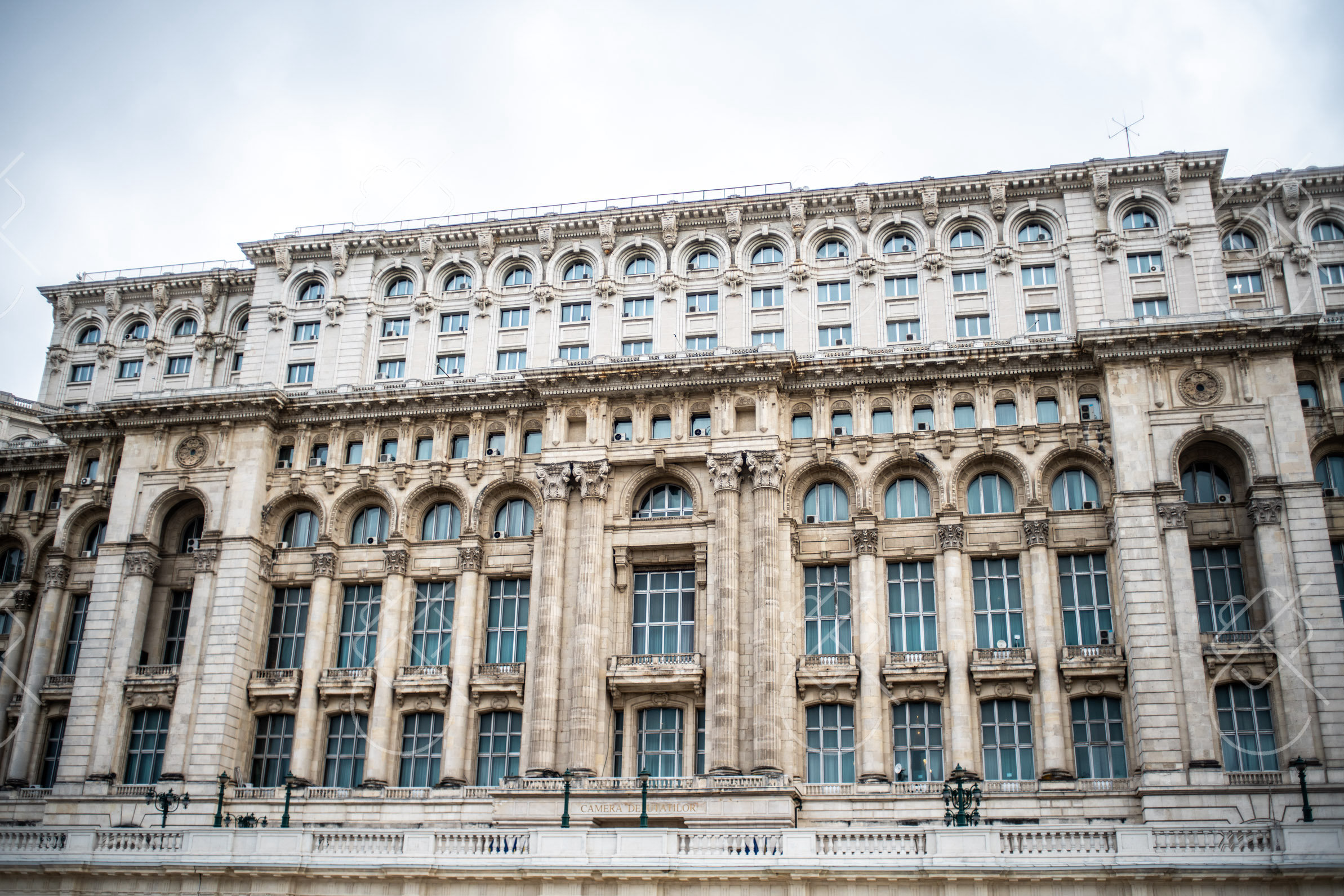
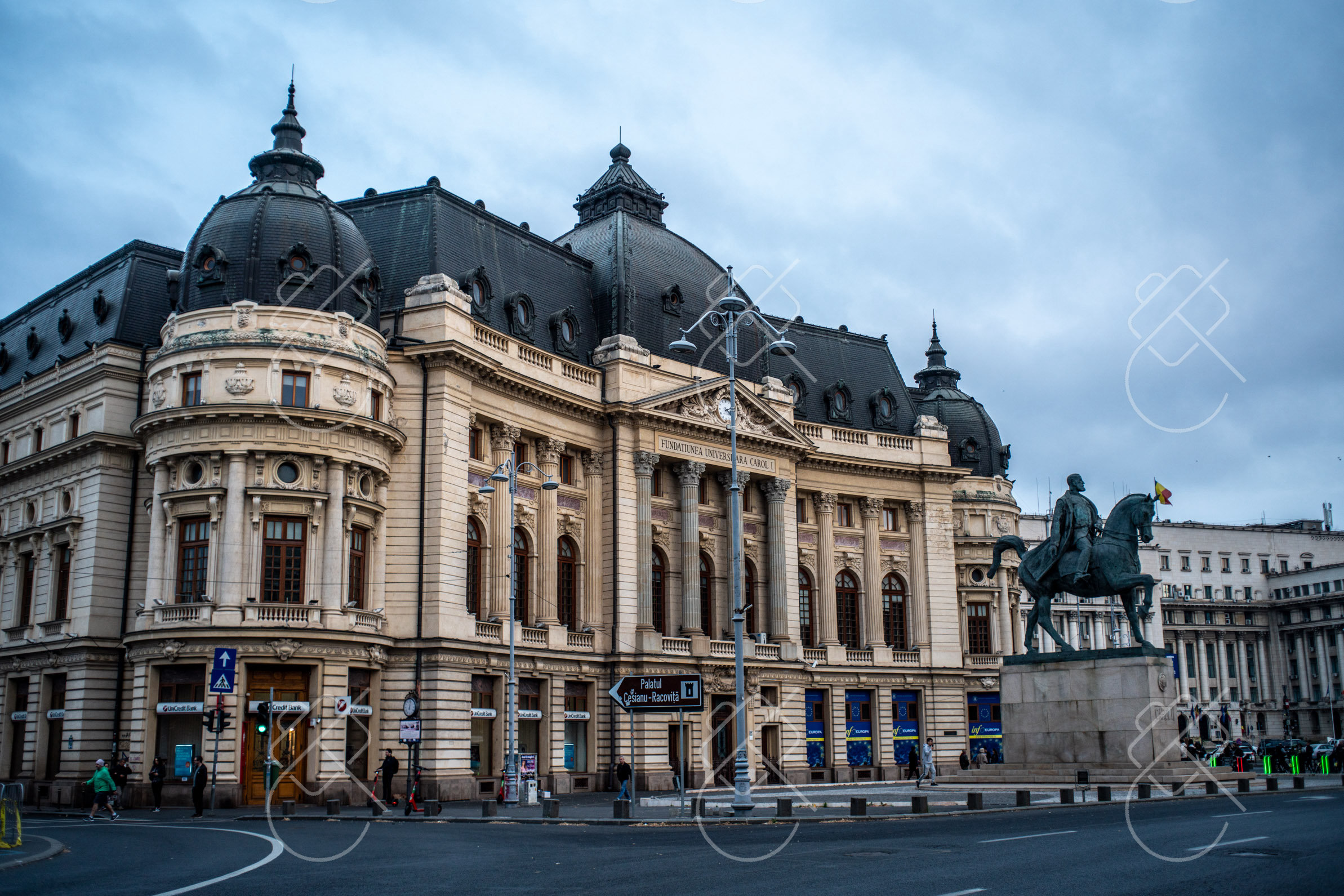
Bucharest pairs Belle Epoque grandeur with Communist-era scale, from the CEC Palace's gilded dome above the Old Town to the cavernous Palace of the Parliament, the world's heaviest building. Cobbled Lipscani streets fill with beer halls and terraces once the sun goes down.
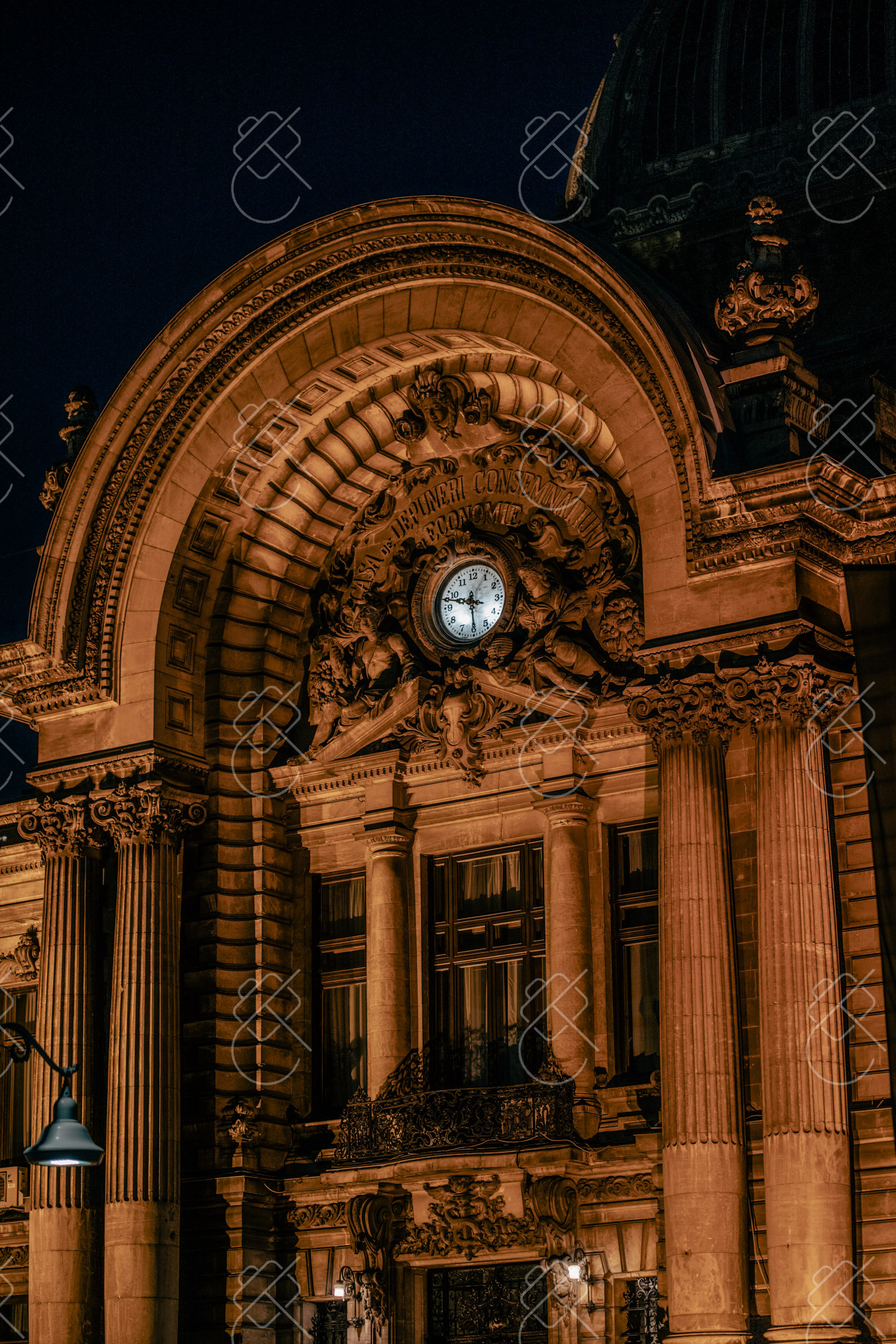
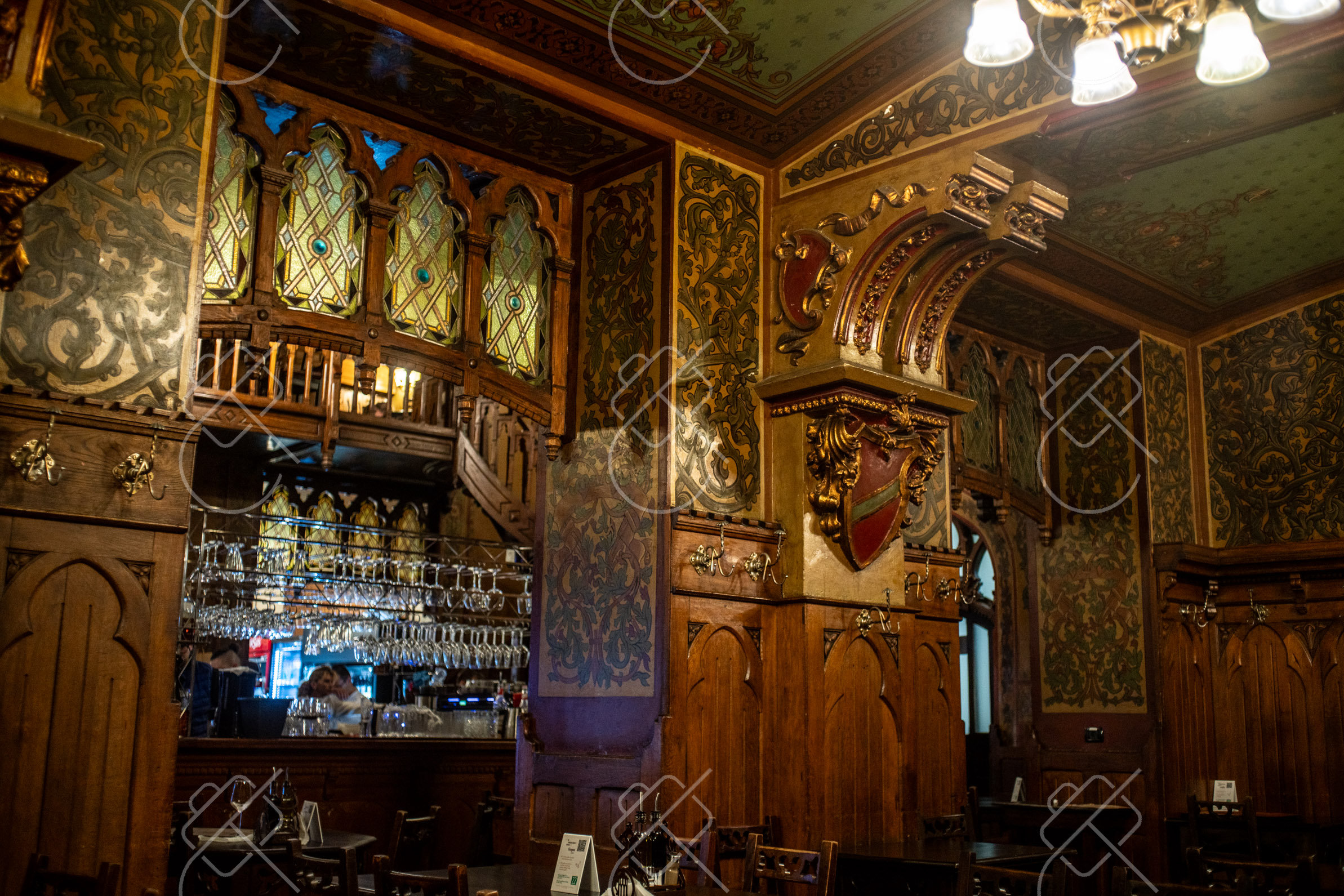
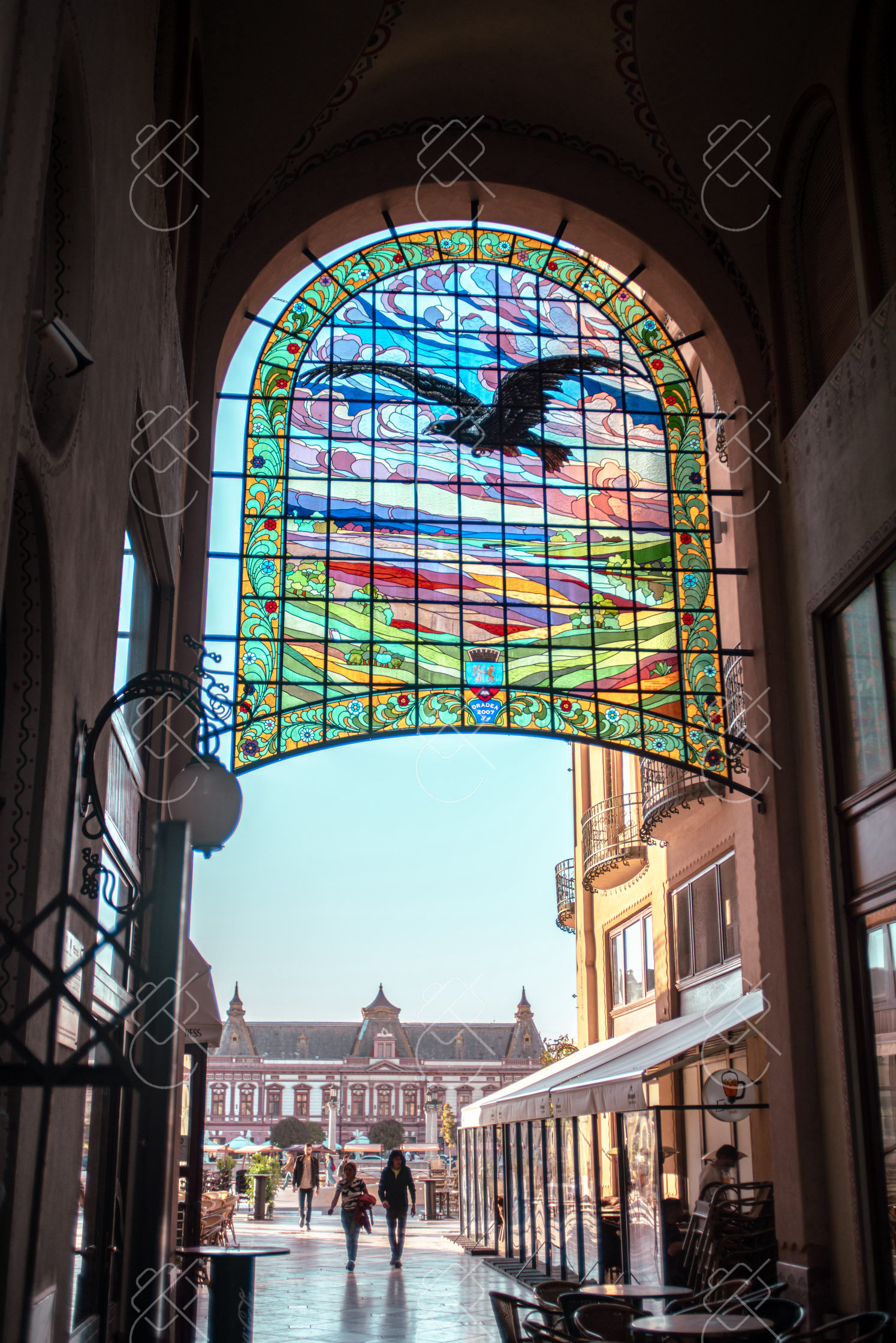
The Lipscani district is Bucharest's old merchants' quarter, a tight grid of cobbled pedestrian streets rebuilt after decades of Communist neglect into the city's liveliest nightlife strip. Walk down Calea Victoriei or Strada Lipscani and the CEC Palace's silver dome keeps appearing between rooflines, a Beaux-Arts landmark built in 1900 as the headquarters of Romania's national savings bank and still the bank's working head office today. Duck into one of the Old Town's historic beer halls, with stained-glass windows, carved dark wood, and painted ceiling murals recalling Vienna or Prague more than anywhere else in the Balkans, and it's easy to see why 19th-century visitors called Bucharest 'Little Paris.' Between the grand facades, plenty of buildings still carry bullet scars from the 1989 revolution and decades of patched plaster, a reminder that the elegance was never the whole story.
The CEC Palace's ornate clock and dome glowing gold after dark
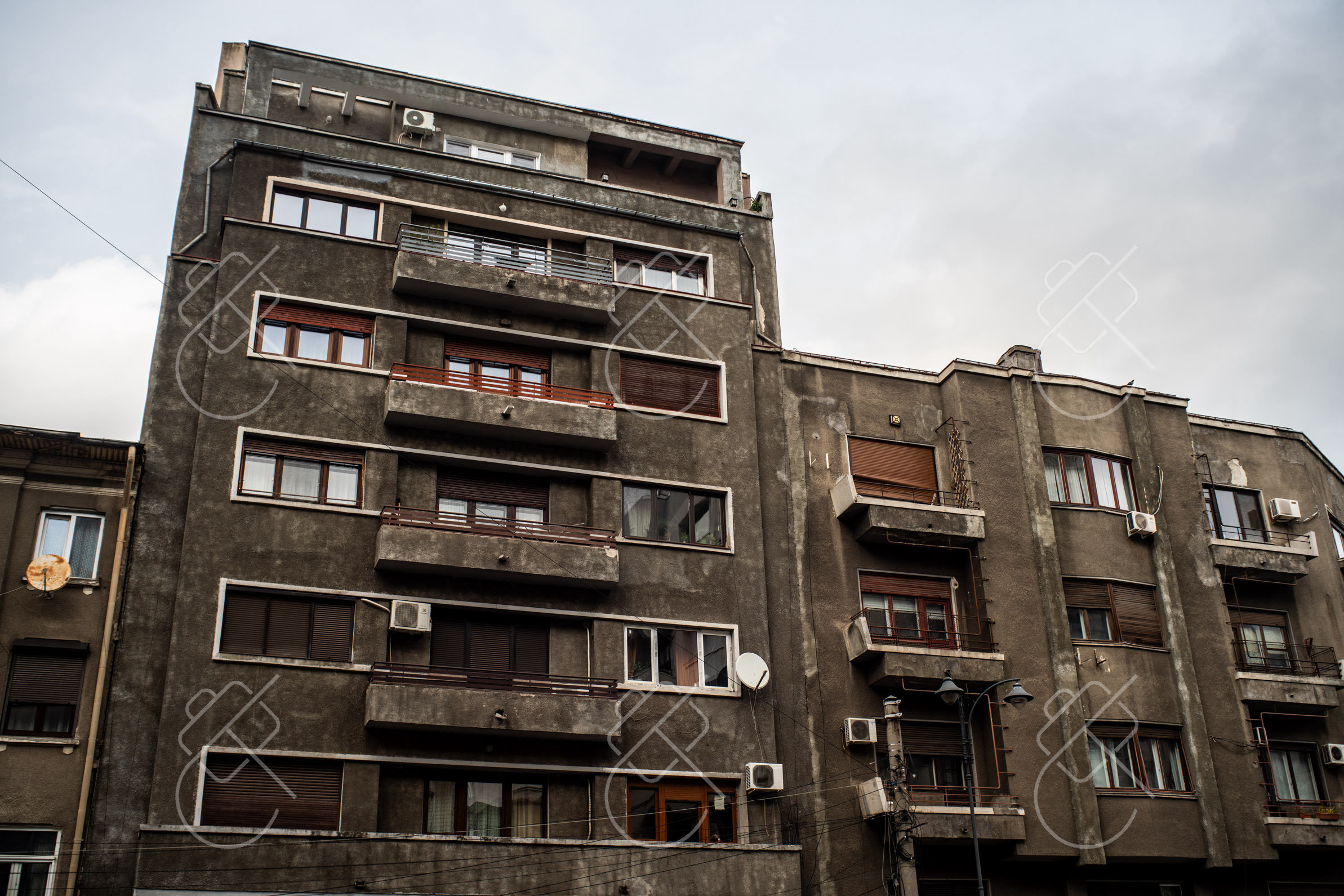
Nicolae Ceaușescu's Palace of the Parliament dominates the southern skyline — over a thousand rooms, built by demolishing a fifth of historic Bucharest in the 1980s, and still the heaviest building on earth. Guided tours cut through only a fraction of its marble halls and crystal chandeliers, but even the exterior, all repeating colonnades and blank stone, makes the scale obvious from blocks away. The boulevard leading up to it, Bulevardul Unirii, was built wider than the Champs-Élysées specifically to outdo it, lined with fountains that still run in summer. A short walk from the palace, grey prefabricated apartment blocks from the same era stand a few streets from Belle Epoque villas, their balconies patched with mismatched enclosures and satellite dishes — the two Bucharests, one built to impress and one built to house people quickly, still sit side by side.
April to June or September to October, for mild weather and long evenings on the Old Town's outdoor terraces.
Base yourself in or around the Old Town (Lipscani) for walking access to the beer halls, CEC Palace, and Calea Victoriei's museums and shops.
Try sarmale (cabbage rolls with pork and rice), mici (grilled minced-meat rolls) with mustard, and a bowl of ciorbă de burtă (tripe soup) at one of the Old Town's traditional beer halls.
Palace of the Parliament tours require a passport and move faster booked in English online than at the walk-up ticket counter — reserve at least a day ahead to skip the line.
Get the best deals on Bucharest hotels on Booking.com before prices climb.
Transit cards, local customs, visa rules, and practical travel guides for this region.
See every destination from the 526-day journey:
Browse all destinationsCurious about the gear behind these photos? See the gear list.