
Home
About us
Destinations
Travel Guides
Recipes
Featured
Photos As Art
Abstract Prints
Locations
Travel Gear
Travel Resources
Favorites
Photo Framer
Explore Photos
ContactTurkey bridges Europe and Asia, layering Greek, Roman, Byzantine and Ottoman history across a varied landscape. Istanbul straddles the Bosphorus strait with imperial mosques and bazaars; Cappadocia presents an eroded volcanic terrain of rock cones, cave dwellings and dawn balloon flights; Pamukkale spills brilliant white mineral terraces beside ancient ruins; and Ankara, the modern capital, anchors the central plateau. Distances are large, bridged by domestic flights and long-distance buses, and the spring and autumn months bring the most comfortable days for getting around.
Published May 3, 2025
Tap any photo to open it full-screen and order a print.
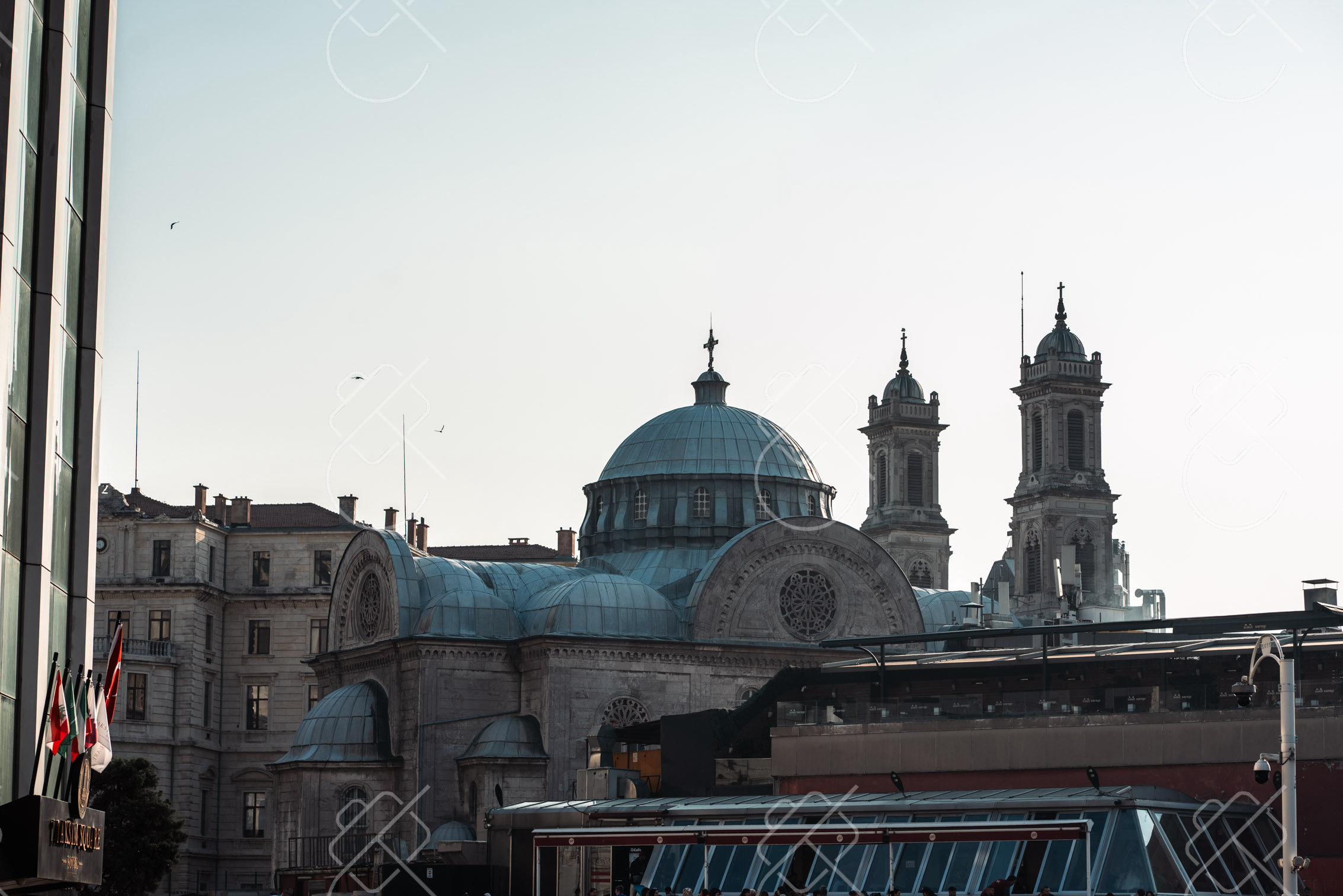
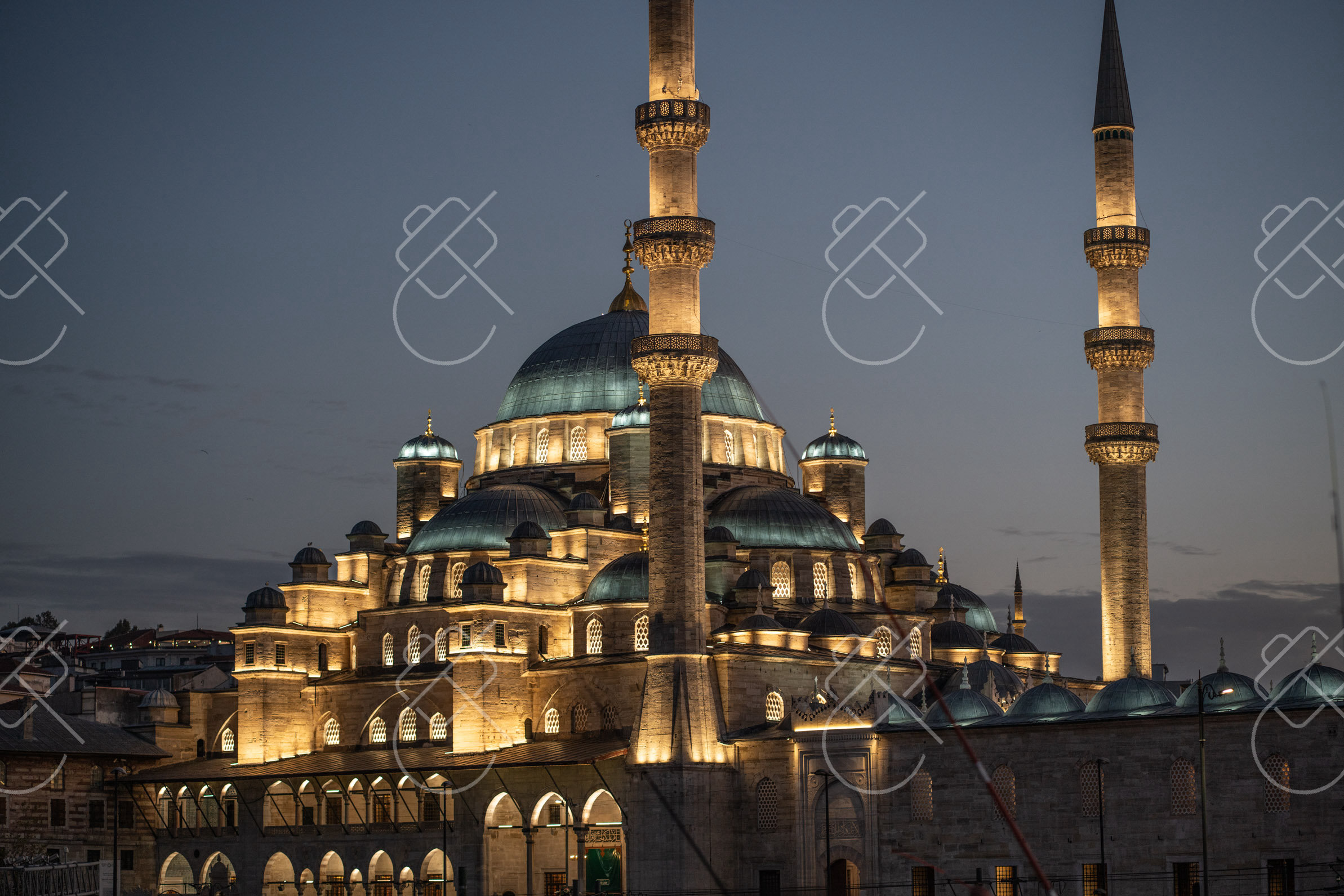
Istanbul spans the Bosphorus strait that divides Europe from Asia, the only major city set across two continents. Once capital of the Byzantine and Ottoman empires, it layers monumental mosques, palaces, churches and covered markets across its hills.
The historic peninsula holds the city's grandest monuments: the great domed Hagia Sophia, built as a Byzantine church and later a mosque; the six-minareted Blue Mosque facing it across a garden; and the sprawling Topkapı Palace overlooking the water. The covered Grand Bazaar and the aromatic Spice Bazaar fill nearby streets with one of the world's oldest market traditions.
Across the Golden Horn, the Galata district rises to the cylindrical Galata Tower, with views over the domes and minarets of the old city. Ferries crisscross the Bosphorus past waterside palaces and fortresses, and the call to prayer rising over the rooftops at dawn and dusk is a defining feature of the cityscape.
April to May and September to October offer mild weather and manageable crowds; April's tulip displays are a highlight, while summer turns hot and humid and winter brings cool, rainy days.
Stay in the Sultanahmet district to be near the main monuments, or in Beyoğlu and Galata for a livelier, more modern base.
Kebabs, meze spreads, fresh fish along the Bosphorus, simit bread rings, and strong Turkish tea and coffee.
Climb to a rooftop terrace or the Galata Tower in the hour after sunrise or before sunset, when the warm light spreads across the old city's domes and minarets.
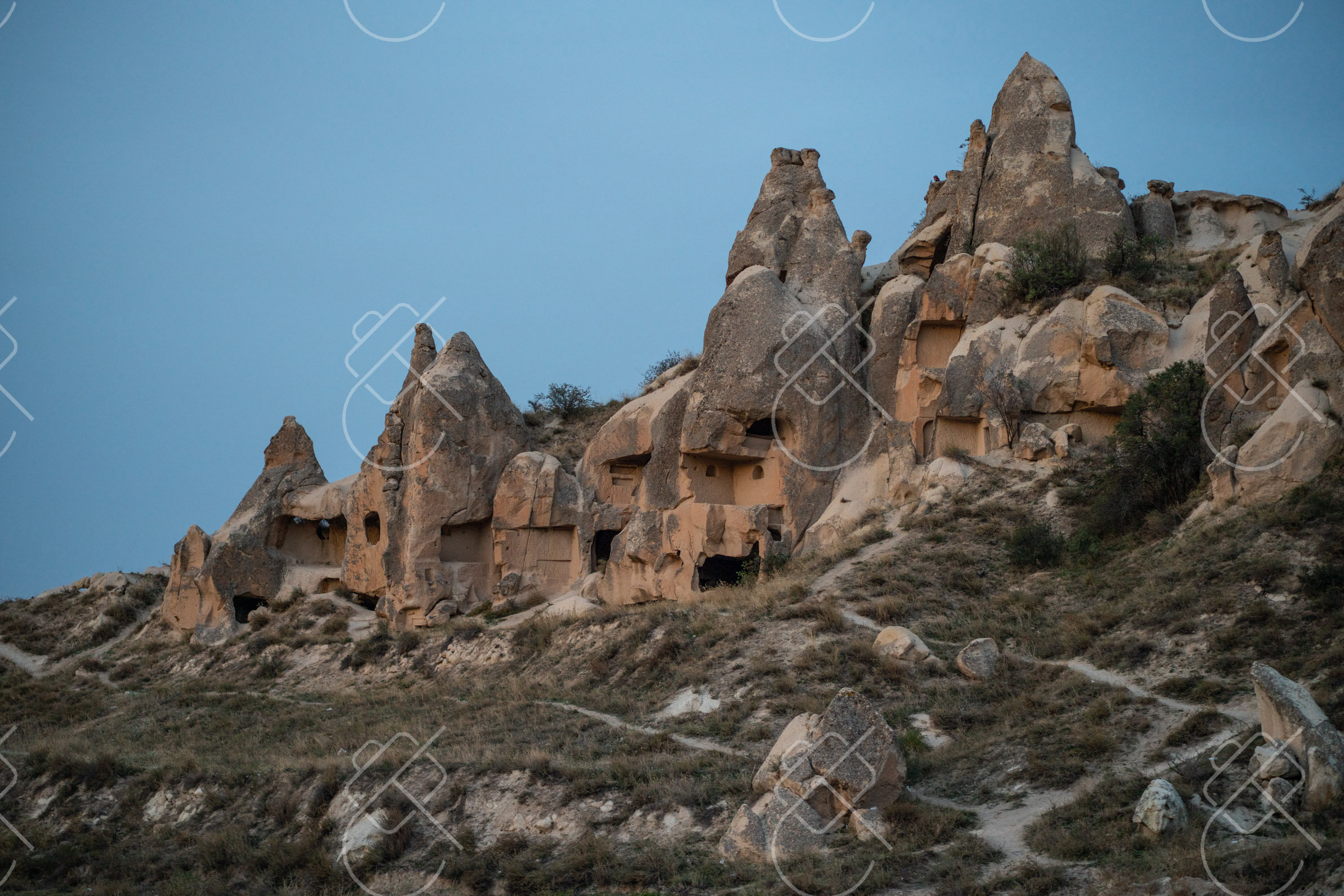
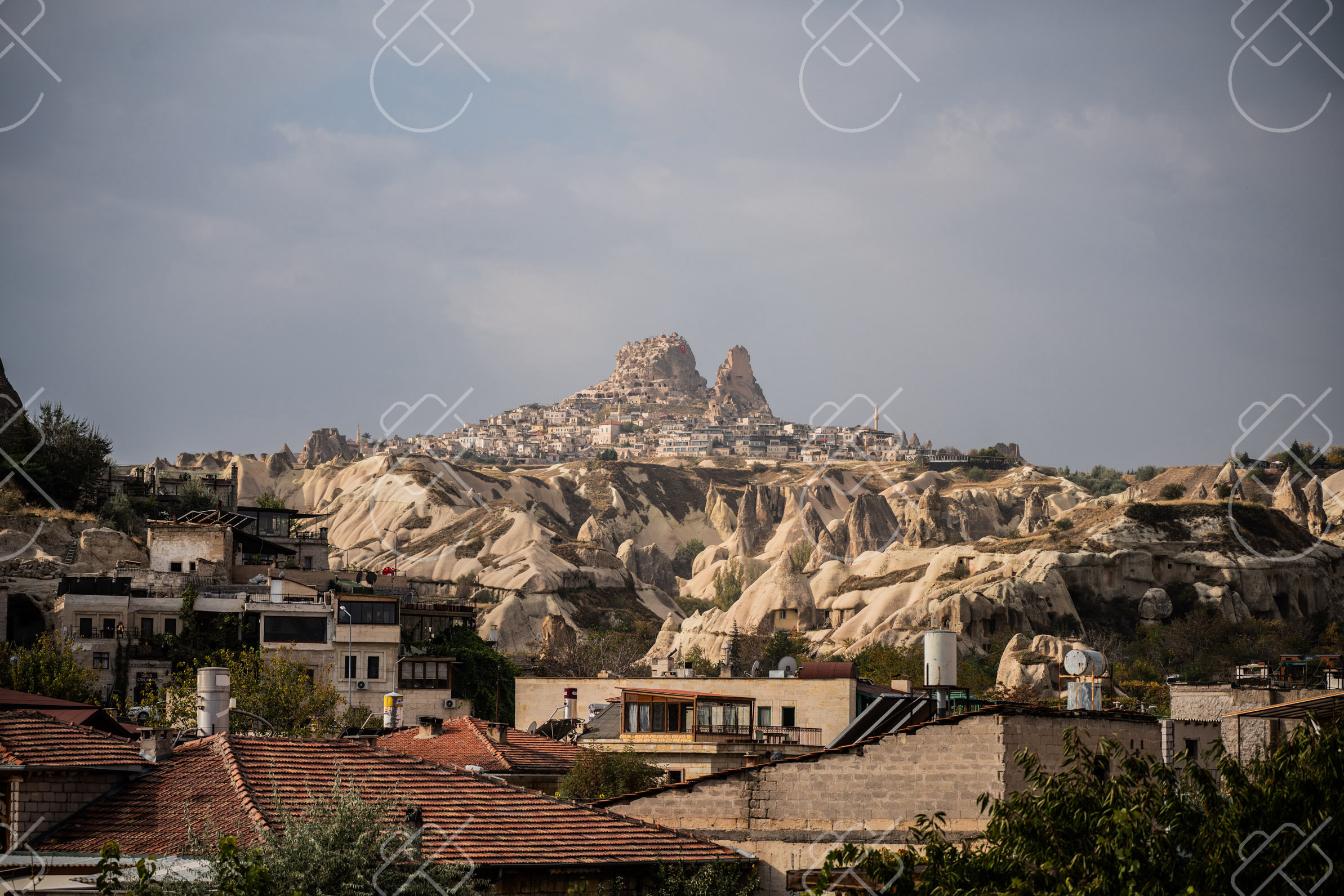
Göreme sits at the heart of Cappadocia, a region of soft volcanic rock eroded into cones, pillars and valleys. The town is built into and among the formations, with cave dwellings, rock-cut churches and a celebrated dawn balloon flight over the landscape.
The surrounding terrain, shaped by ancient eruptions and erosion, is dotted with the tapering rock pillars known as fairy chimneys, many hollowed out into homes, hotels and churches. The nearby Göreme Open-Air Museum preserves a cluster of rock-cut Byzantine churches with frescoed interiors carved into the cliffs.
At dawn on suitable days, scores of hot-air balloons rise over the valleys, drifting above the pale rock formations in a scene that has become emblematic of the region. Walking trails thread the Rose, Red and Love valleys, while elevated viewpoints around the town look out over the chimneys and the balloon-filled sky at first light.
Late spring and early autumn bring stable, mild weather ideal for hot-air ballooning and hiking the valleys; summers are scorching and winters can ground balloons, though snow over the fairy chimneys is a rare treat.
Stay in a cave hotel carved into the rock in or around Göreme for the classic experience and easy access to the balloon viewpoints.
Testi kebabı, a meat stew slow-cooked and served from a sealed clay pot broken at the table, and regional stews and dried fruits.
Balloon flights launch at dawn, so head to a hillside viewpoint above the town to watch them lift in waves over the rock formations.
Istanbul straddles the Bosphorus strait with imperial mosques and bazaars
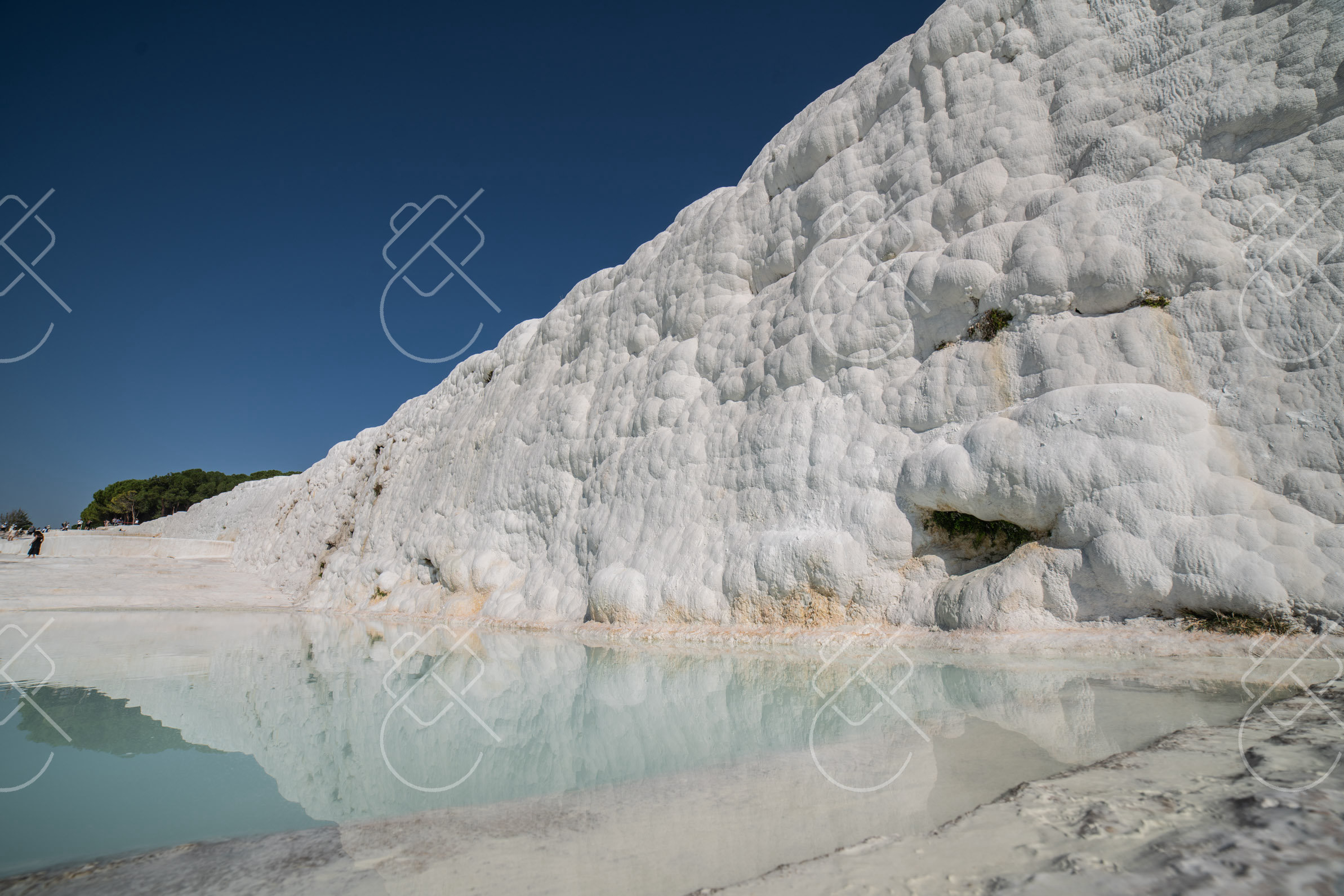
Pamukkale, meaning cotton castle, is a hillside of dazzling white travertine terraces formed by mineral-rich thermal springs. Above the terraces lie the extensive ruins of the Greco-Roman spa city of Hierapolis.
The terraces cascade down the slope in a series of white basins and pools, built up over millennia as calcium-laden hot water deposits travertine. Visitors walk barefoot across designated sections of the brilliant white surface, with shallow pools reflecting the sky on the upper levels.
Crowning the hill, the ruins of Hierapolis include a large, well-preserved Roman theater, colonnaded streets, a necropolis and the thermal pool where ancient columns lie submerged in warm spring water. The combined natural and archaeological site is UNESCO World Heritage listed, and the white terraces turn luminous under the low sun.
Spring and autumn offer warm days perfect for wading the travertine terraces without summer's harsh heat or crowds; arrive early in the day any season to beat the tour buses.
Stay in the village of Pamukkale just below the terraces, or in the nearby town of Denizli for more lodging and transport options.
Regional Aegean and Anatolian dishes, grilled meats and meze, with the area better known for its sights than a distinct cuisine.
Visit early or late in the day, when the low sun warms the white terraces and the shallow pools mirror the sky.
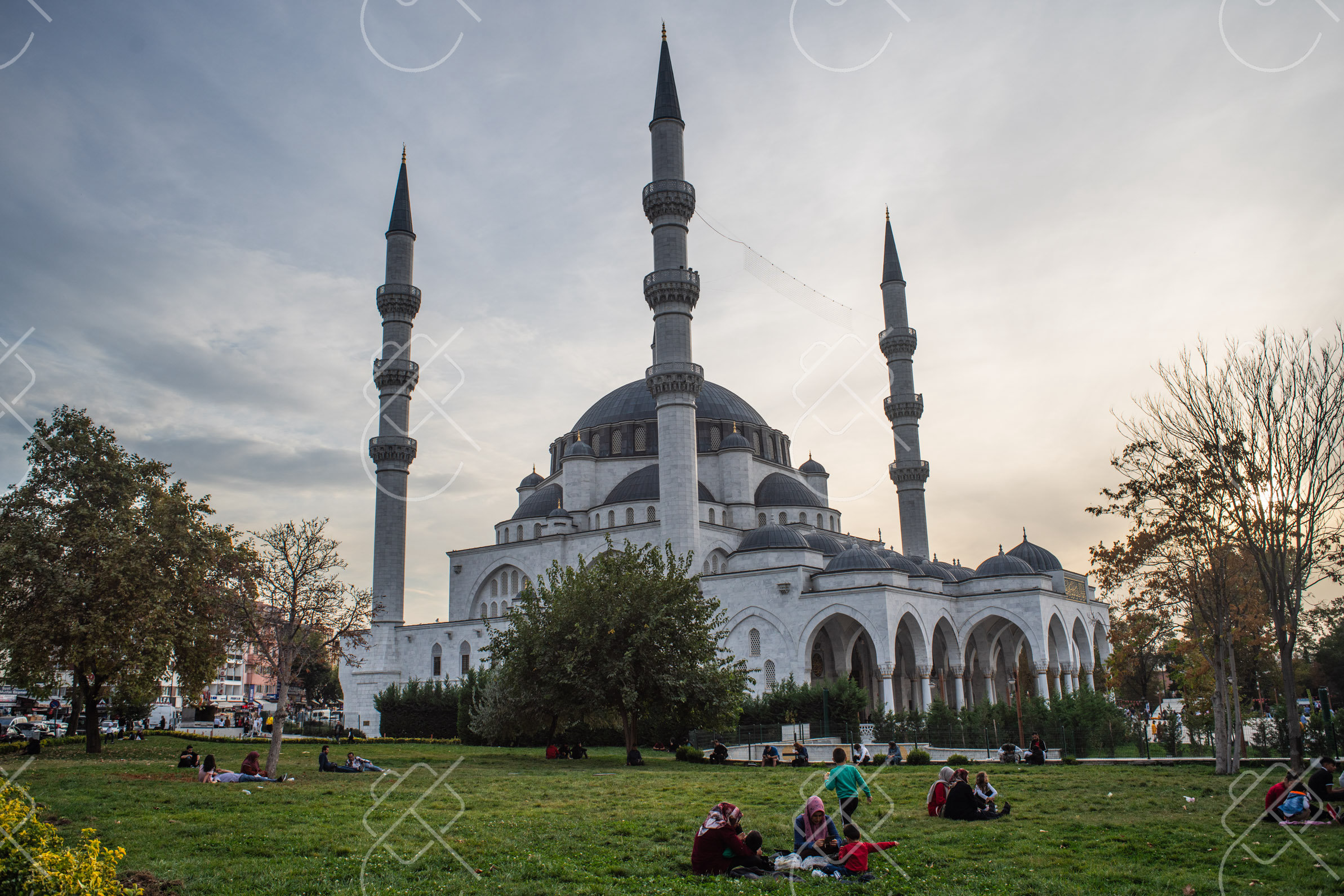
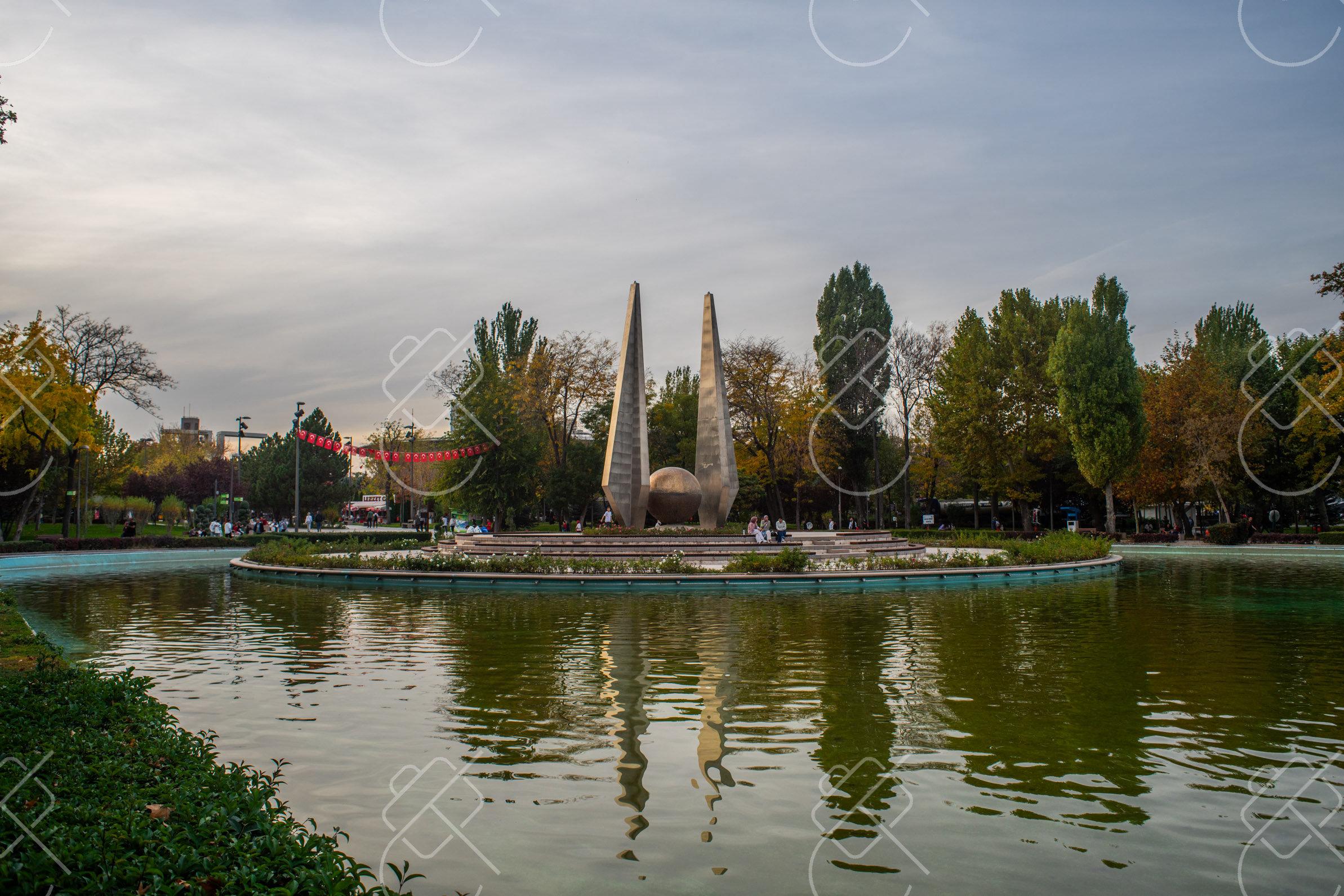
Ankara is the capital of Turkey and its second-largest city, set on the high central Anatolian plateau. A planned modern capital since the 1920s, it combines government quarters and museums with an old hilltop citadel.
The city is dominated by Anıtkabir, the vast hilltop mausoleum of Mustafa Kemal Atatürk, founder of the modern republic, set within ceremonial grounds and a museum of the nation's history. The old town clusters around the Ankara Castle, a hilltop citadel of stone walls enclosing narrow lanes and restored Ottoman houses with views over the city.
Ankara is also home to the Museum of Anatolian Civilizations, housed in a restored covered market and recognized for one of the world's richest collections of Hittite and early Anatolian artifacts. As a working administrative center on the steppe, it offers a more everyday, less touristic counterpart to Turkey's coastal and historic destinations.
May to June and September to October bring pleasant weather for the capital's museums and Atataurk's mausoleum; the high plateau means cold, snowy winters and hot, dry summers.
Choose the Kızılay and Çankaya districts for central, modern lodging, or stay near the citadel in Ulus to be close to the historic old town.
Ankara tava, a baked lamb-and-rice dish, döner, and hearty central Anatolian stews and pastries.
Climb to the citadel walls for the widest outlook over the city and the surrounding plateau, clearest in the late-afternoon light.
Cappadocia presents an eroded volcanic terrain of rock cones, cave dwellings and dawn balloon flights
Cappadocia's balloon dawns and wide valleys are why we kept an ultra-wide lens on the camera.
Explore regional routes with verified local fleets, zero hidden charges, and transparent insurance on Localrent.
Compare Istanbul & Cappadocia hotels and get the best deals on Booking.com.
Transit cards, local customs, visa rules, and practical travel guides for this region.
See every destination from the 526-day journey:
Browse all destinationsCurious about the gear behind these photos? See the gear list.