
Home
About us
Destinations
Travel Guides
Recipes
Featured
Photos As Art
Abstract Prints
Locations
Travel Gear
Travel Resources
Favorites
Photo Framer
Explore Photos
ContactBohemia and neighboring Moravia hold some of Central Europe's best-preserved historic architecture, much of it untouched by the destruction of the twentieth century. Prague anchors the region with its layered skyline of Gothic, Baroque and Art Nouveau buildings, while smaller towns each have their own character: a medieval mining center, a belle-époque spa, an industrial brewing city and the modernist capital of Moravia. The compact distances and frequent trains make it straightforward to move between them.
Published January 1, 2026
Tap any photo to open it full-screen and order a print.
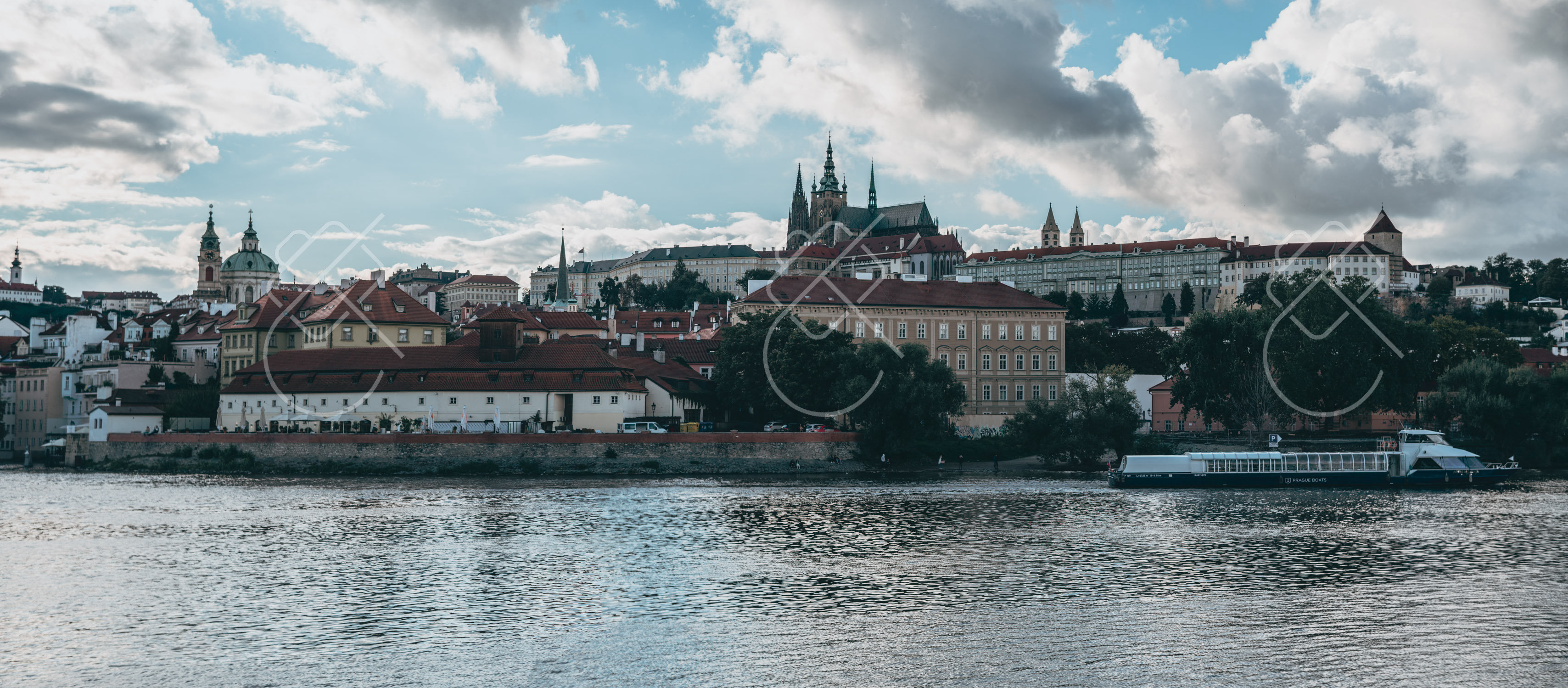
The capital of Czechia, Prague sits on the Vltava River and is renowned for one of Europe's largest and best-preserved historic centers, a UNESCO World Heritage Site spanning Romanesque, Gothic, Baroque and Art Nouveau architecture.
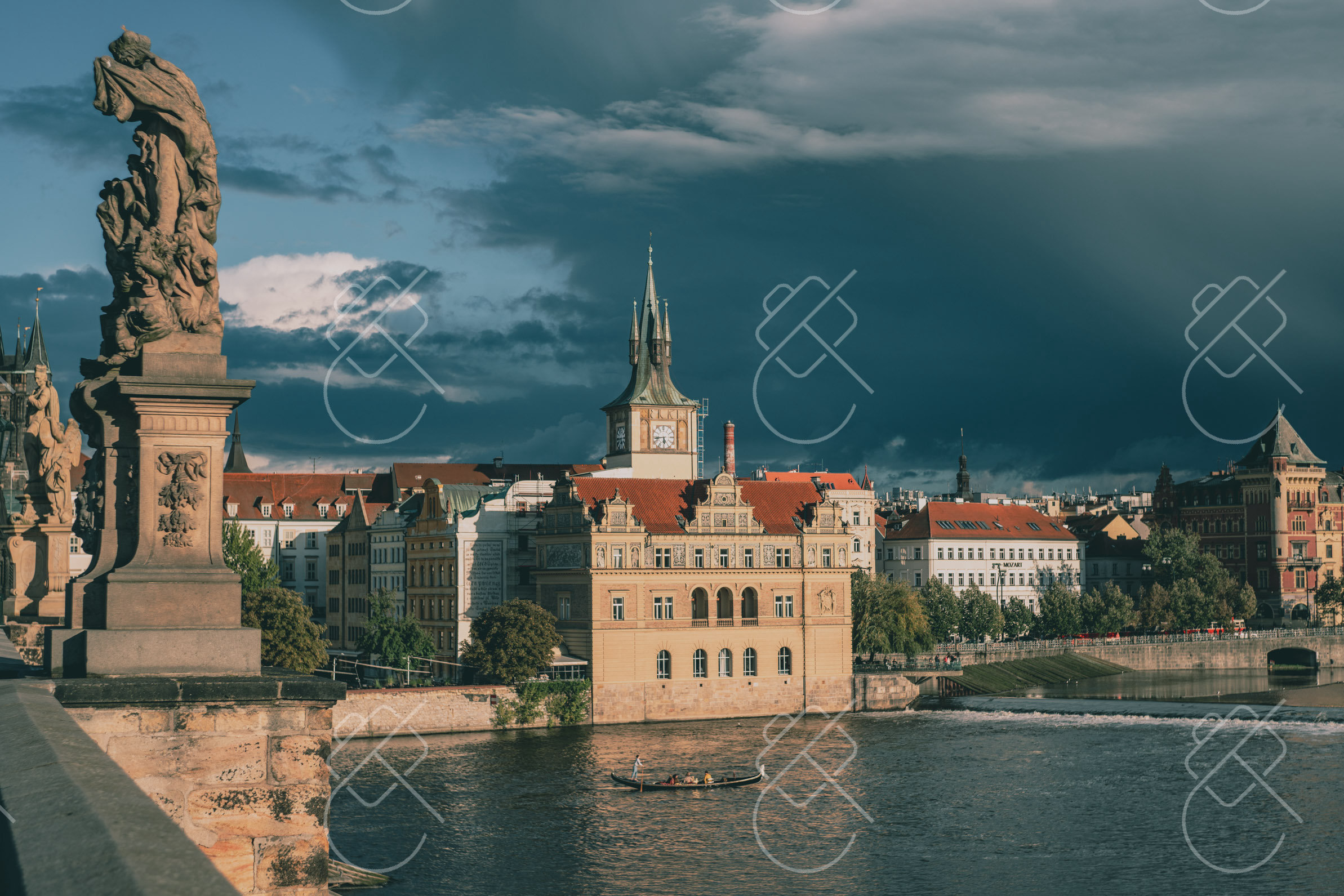
The city is organized around the river, crossed by the 14th-century Charles Bridge, a pedestrian span lined with Baroque statues that connects the Old Town to the Lesser Town below the castle. On the Old Town Square stand the Gothic Church of Our Lady before Týn and the medieval Astronomical Clock, which draws crowds on the hour.
Above the river rises Prague Castle, described as the largest ancient castle complex in the world, dominated by the spires of St. Vitus Cathedral. The surrounding districts retain dense, intact streets of historic facades, and the elevated castle and Petřín hill offer broad views across the red-tiled rooftops and church towers.
May to June and September offer mild weather and lighter crowds than peak summer; December's Christmas markets transform the Old Town Square, while winter otherwise brings cold, quiet calm.
The Old Town and Lesser Town place visitors near the main monuments; nearby districts such as Vinohrady offer quieter, more residential stays.
Roast pork with dumplings and sauerkraut, goulash, svíčková, trdelník pastries, and Czech lager served in traditional pubs.
Charles Bridge fills up by mid-morning, so cross it at sunrise for soft light and an almost empty span.
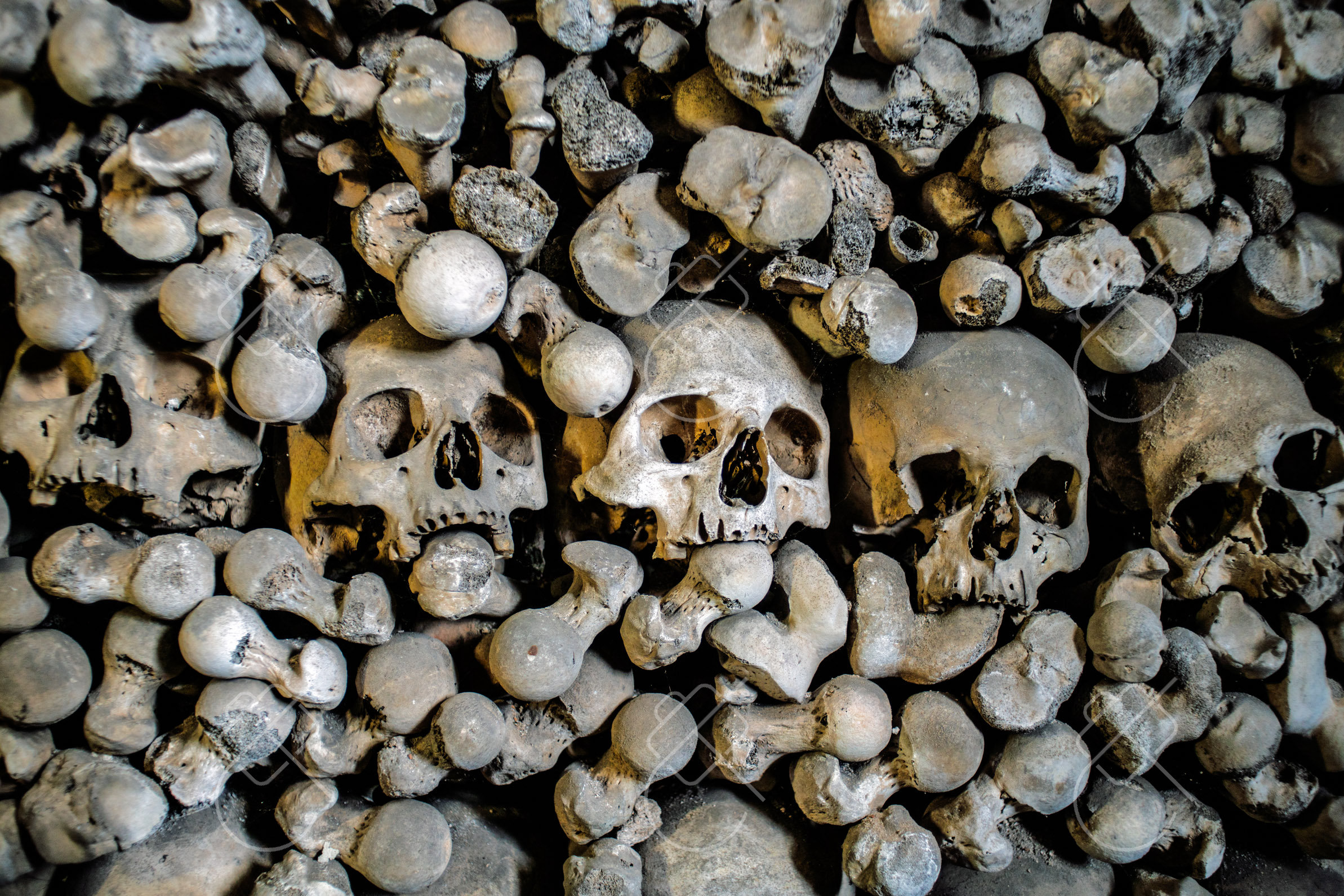
An easy day trip east of Prague, Kutná Hora grew wealthy in the Middle Ages from silver mining, and its historic center is a UNESCO World Heritage Site. It draws visitors for a Gothic cathedral and an unusual bone-decorated chapel.
At its medieval height the town's silver mines funded the Bohemian crown and supported the construction of grand Gothic architecture, foremost the Cathedral of St. Barbara, dedicated to the patron saint of miners. Its flying buttresses and tent-like roof make it one of the most distinctive Gothic churches in Central Europe.
In the nearby suburb of Sedlec stands the Sedlec Ossuary, a small chapel whose interior is decorated with the arranged bones of tens of thousands of people, including a chandelier said to contain every bone in the human body. The contrast between the grand cathedral and the macabre ossuary defines the town's appeal.
Spring through early autumn brings pleasant weather for visiting the bone-filled Sedlec Ossuary and Gothic cathedral on an easy day trip from Prague; summer weekends draw the most day-trippers.
Most visitors come as a day trip from Prague, though Kutná Hora has small hotels for an overnight stay in the historic center.
Traditional Bohemian fare such as roast meats and dumplings in the town's restaurants and beer halls.
Walk out to the Jesuit College terrace, where the buttresses of St. Barbara's line up against the sky.
the elevated castle and Petřín hill offer broad views across the red-tiled rooftops and church towers
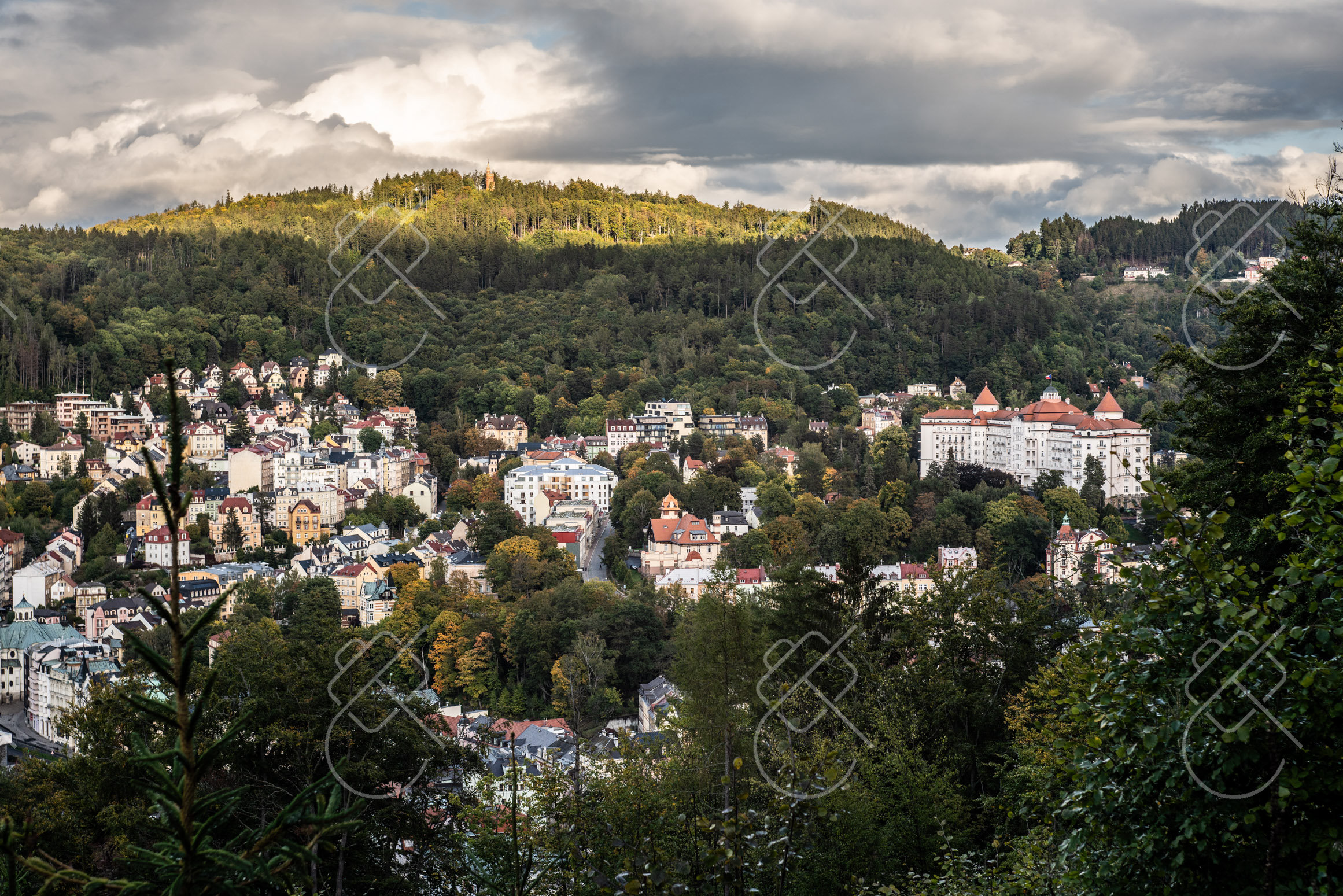
Set in a wooded valley in western Bohemia, Karlovy Vary, also known by its German name Carlsbad, is the country's most famous spa town. It is celebrated for its hot mineral springs and its colonnaded, pastel-colored architecture.
The town developed around hot springs whose waters have drawn visitors for centuries, and its spa heritage is recognized as part of a UNESCO transnational World Heritage listing of great European spa towns. Grand colonnades shelter the springs, where visitors traditionally drink the mineral water from spouted cups.
Lining the Teplá River are belle-époque hotels and townhouses in soft pastel tones, set against steep forested hillsides. Funiculars and footpaths climb to lookout points, including the Diana Tower, which surveys the whole valley and the town's distinctive cluster of spires and rooftops.
Late spring and summer are ideal for the spa colonnades and woodland walks, with the international film festival lighting up early July; autumn brings golden foliage to the valley.
Historic spa hotels along the Teplá River offer wellness facilities; the upper valley is the most scenic and central area.
The wafer-like spa biscuits known as oplatky, the herbal liqueur Becherovka, and Czech mineral waters drunk from spa cups.
Ride the funicular to the Diana Tower, which takes in the whole pastel town set in its forested valley, clearest in morning light.
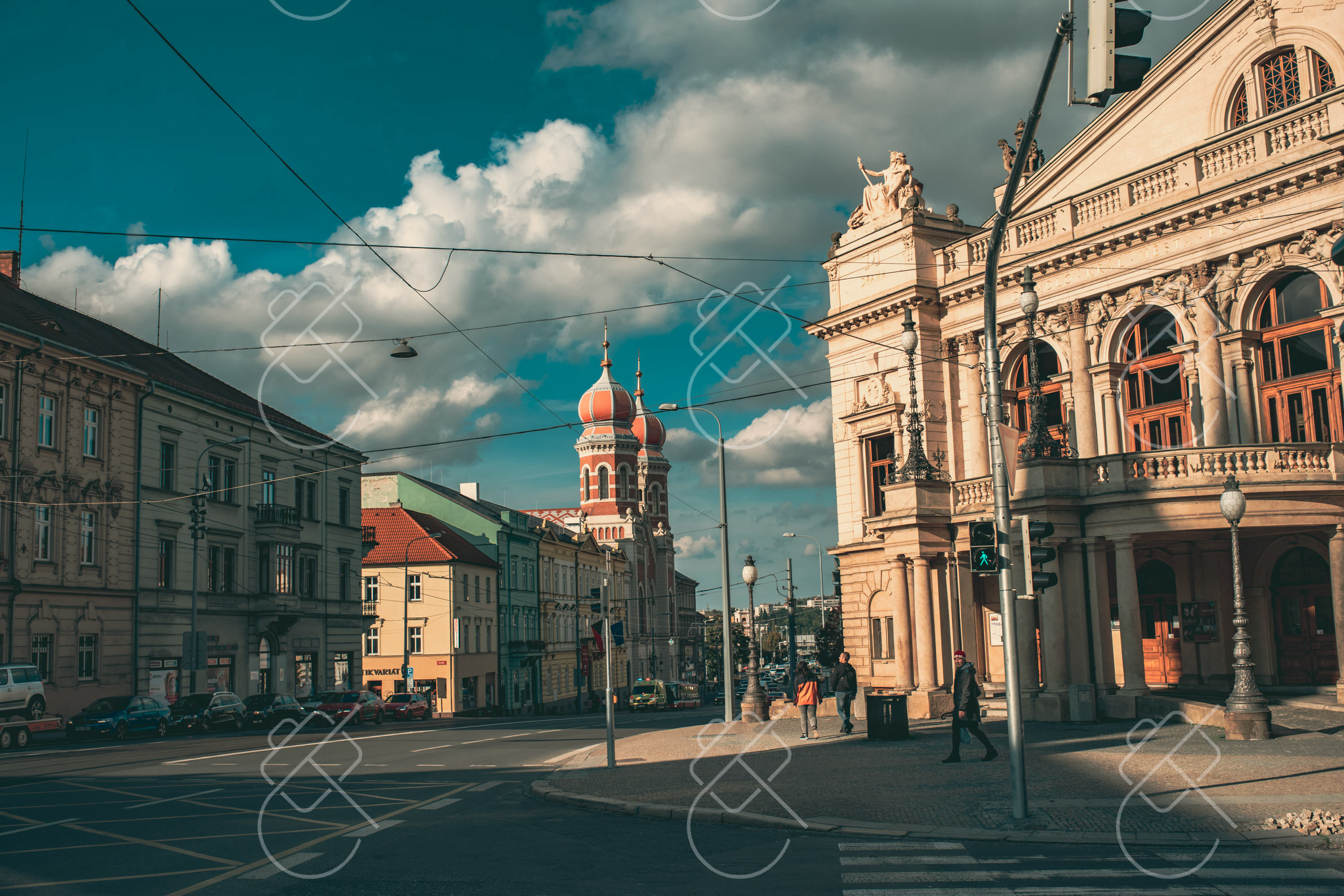
Pilsen, or Plzeň, is the largest city in western Bohemia and the birthplace of pale lager. The pilsner style of beer, now brewed worldwide, originated here in 1842 at the Pilsner Urquell brewery.
The city's old center is arranged around a large square dominated by the Cathedral of St. Bartholomew, whose tower is the tallest church spire in the country. The square is ringed by Renaissance and Baroque townhouses and an ornate Italian-style town hall.
Pilsen's industrial heritage is centered on the Pilsner Urquell brewery, where the original pale lager was first produced and where historic cellars and a brewery gate have become landmarks. The pairing of a historic square and large-scale brewing architecture gives the city two contrasting faces to explore.
Spring and autumn suit brewery tours and exploring the historic center comfortably; October's beer and culture events celebrate the city's Pilsner heritage.
Hotels around Republic Square keep the old town and the brewery a short walk away.
Pilsner Urquell lager served fresh at the brewery, alongside hearty Czech pub dishes such as goulash and roast pork.
Climb the cathedral tower for a clear overview of the square and the surrounding city against the western Bohemian hills.
Its flying buttresses and tent-like roof make it one of the most distinctive Gothic churches in Central Europe.
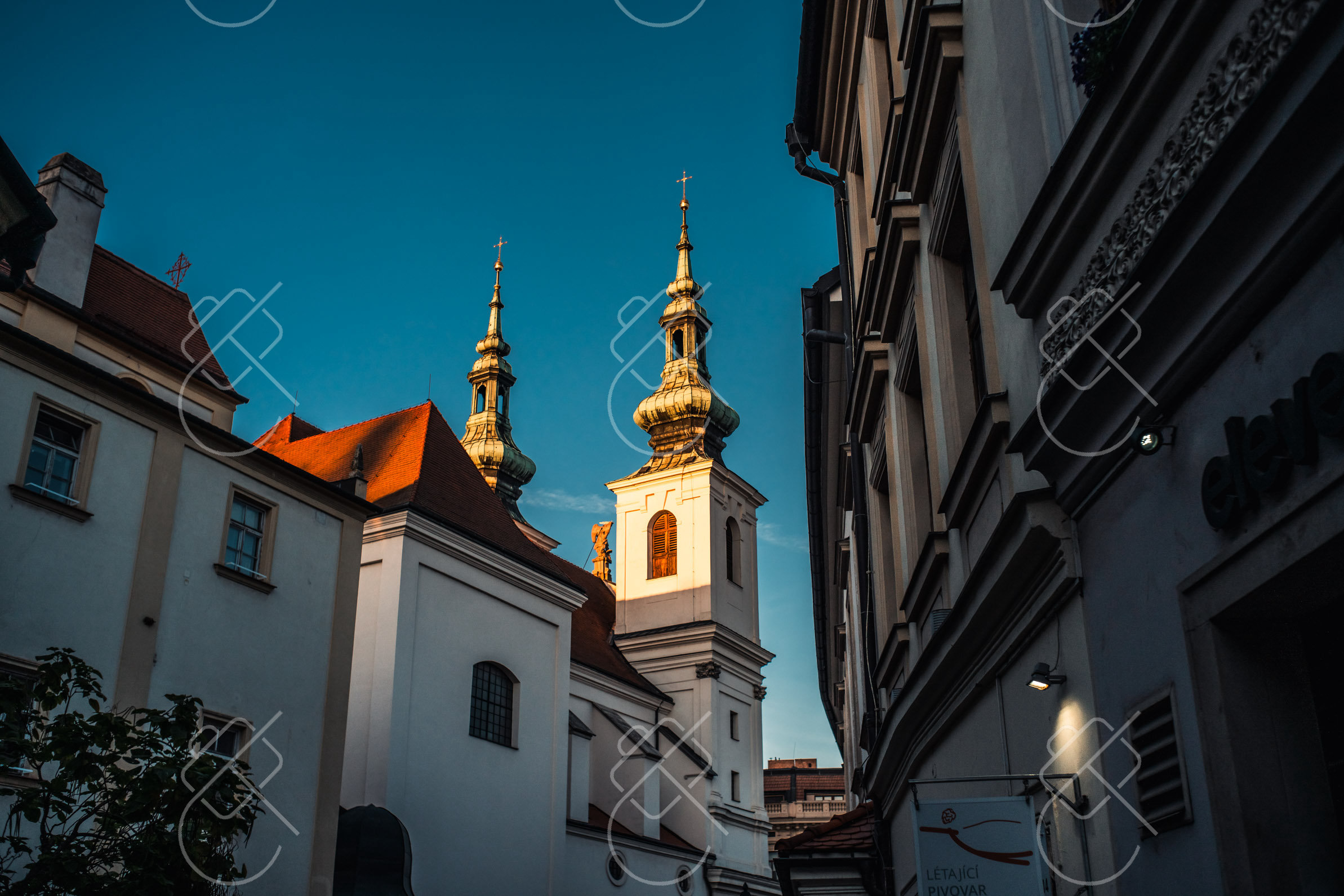
Brno is the capital of Moravia and the second-largest city in Czechia. A university and trade-fair city, it combines a historic hilltop castle and cathedral with notable modernist architecture.
The city is overlooked by two hills: one crowned by the Cathedral of Saints Peter and Paul, and the other by Špilberk Castle, a former fortress and prison set in parkland. Below them the old center holds a mix of Gothic, Baroque and functionalist buildings around squares such as Zelný trh, the long-running vegetable market.
Brno is also recognized for early twentieth-century modernist architecture, most famously the Villa Tugendhat, a 1930 functionalist house designed by Ludwig Mies van der Rohe and a UNESCO World Heritage Site. This pairing of medieval landmarks and clean modernist lines sets the city apart.
May to September offers warm weather for the Moravian capital's cafes and modernist architecture; the city quiets in summer when students leave, and autumn brings nearby wine-harvest festivals.
The compact old town around Svobody Square places visitors near the main sights and the train station.
Moravian wines from the surrounding region, hearty roast meats and dumplings, and a strong local café culture.
Walk up to Špilberk Castle for a view that takes in the cathedral's twin spires above the old town, especially in evening light.
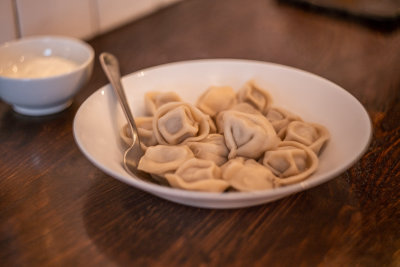
A heaping bowl of tender, meat-filled dumplings comes with a little dish of cool sour cream for dipping, a homestyle staple you will find in Bohemian pubs and kitchens. Simple and satisfying, it is the kind of stick-to-your-ribs plate that pairs perfectly with a cold Czech beer after a day exploring Prague's old town.
Explore regional routes with verified local fleets, zero hidden charges, and transparent insurance on Localrent.
Get the best deals on your Prague & Bohemia flight before fares rise — Expedia.
Transit cards, local customs, visa rules, and practical travel guides for this region.
See every destination from the 526-day journey:
Browse all destinationsCurious about the gear behind these photos? See the gear list.