
Home
About us
Destinations
Travel Guides
Recipes
Featured
Photos As Art
Abstract Prints
Locations
Travel Gear
Travel Resources
Favorites
Photo Framer
Explore Photos
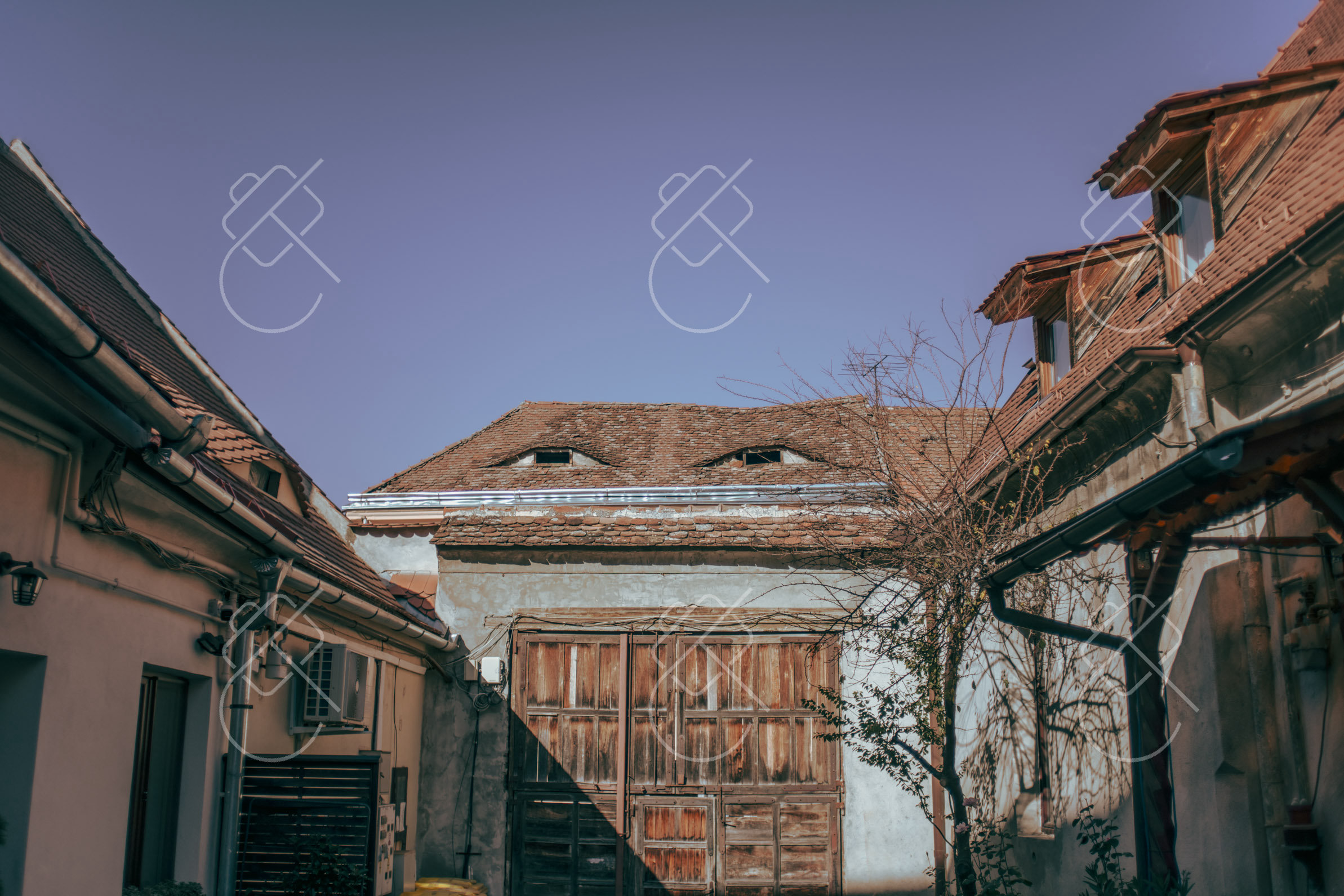
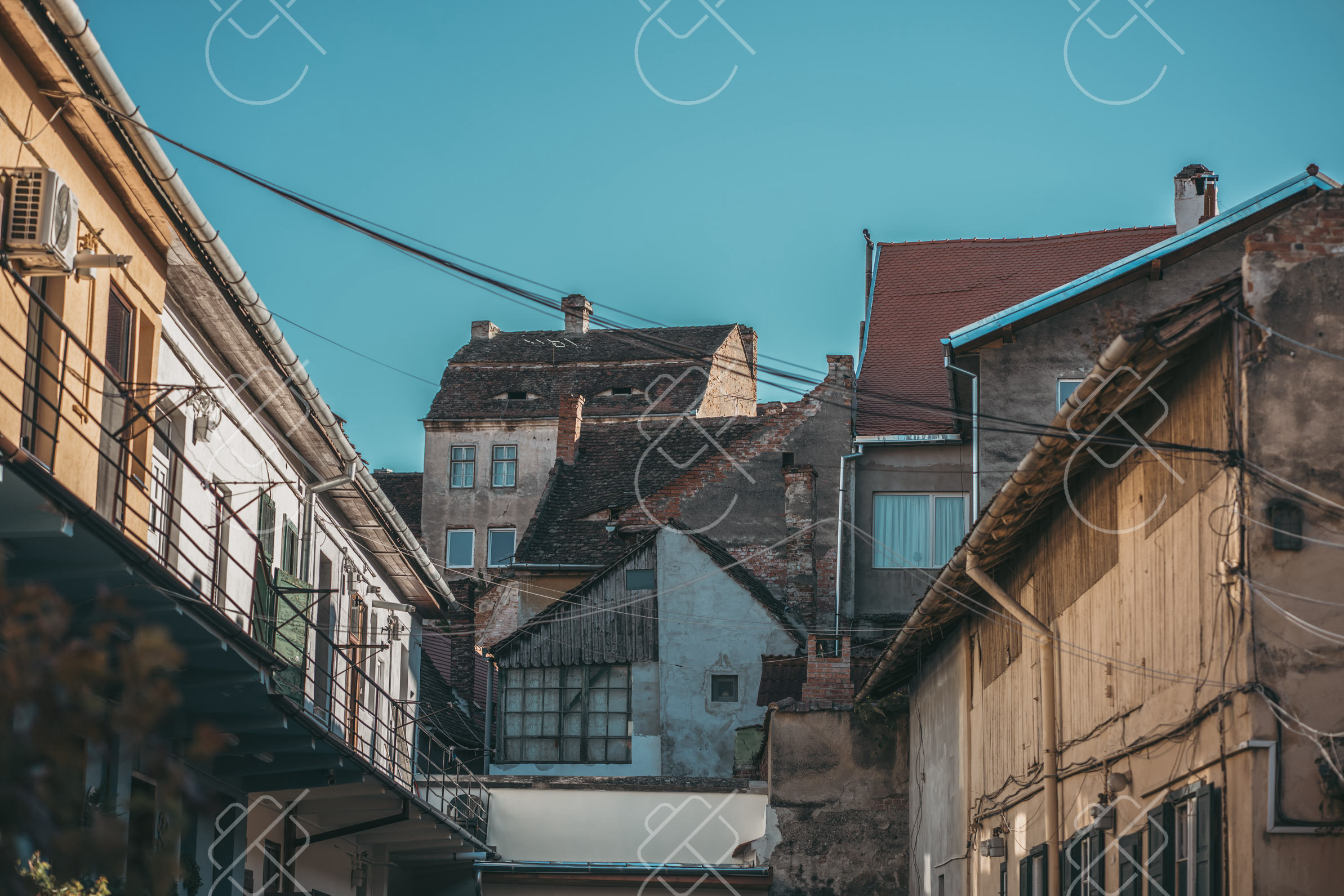
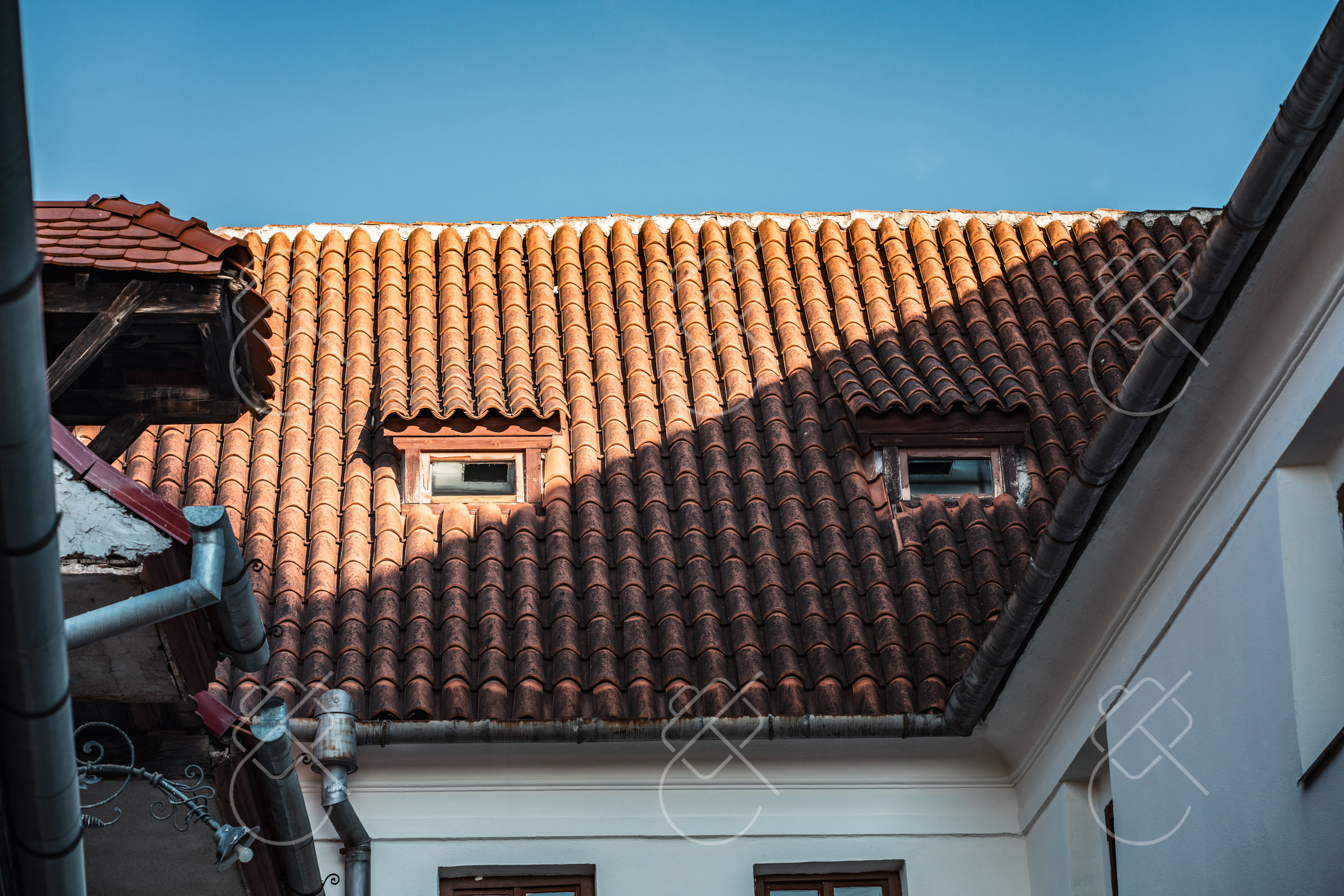
ContactSibiu was one of the seven Transylvanian Saxon citadels, walled by German settlers in the 12th century, and it wears that history plainly: fortified towers, a two-tiered old town split into Piata Mare and Piata Mica, and steep tiled roofs pierced by narrow dormer windows that look uncannily like watching eyes. Named European Capital of Culture in 2007, it's now one of Transylvania's best-preserved and most photogenic towns.
Published October 6, 2025
Tap any photo to open it full-screen and order a print.
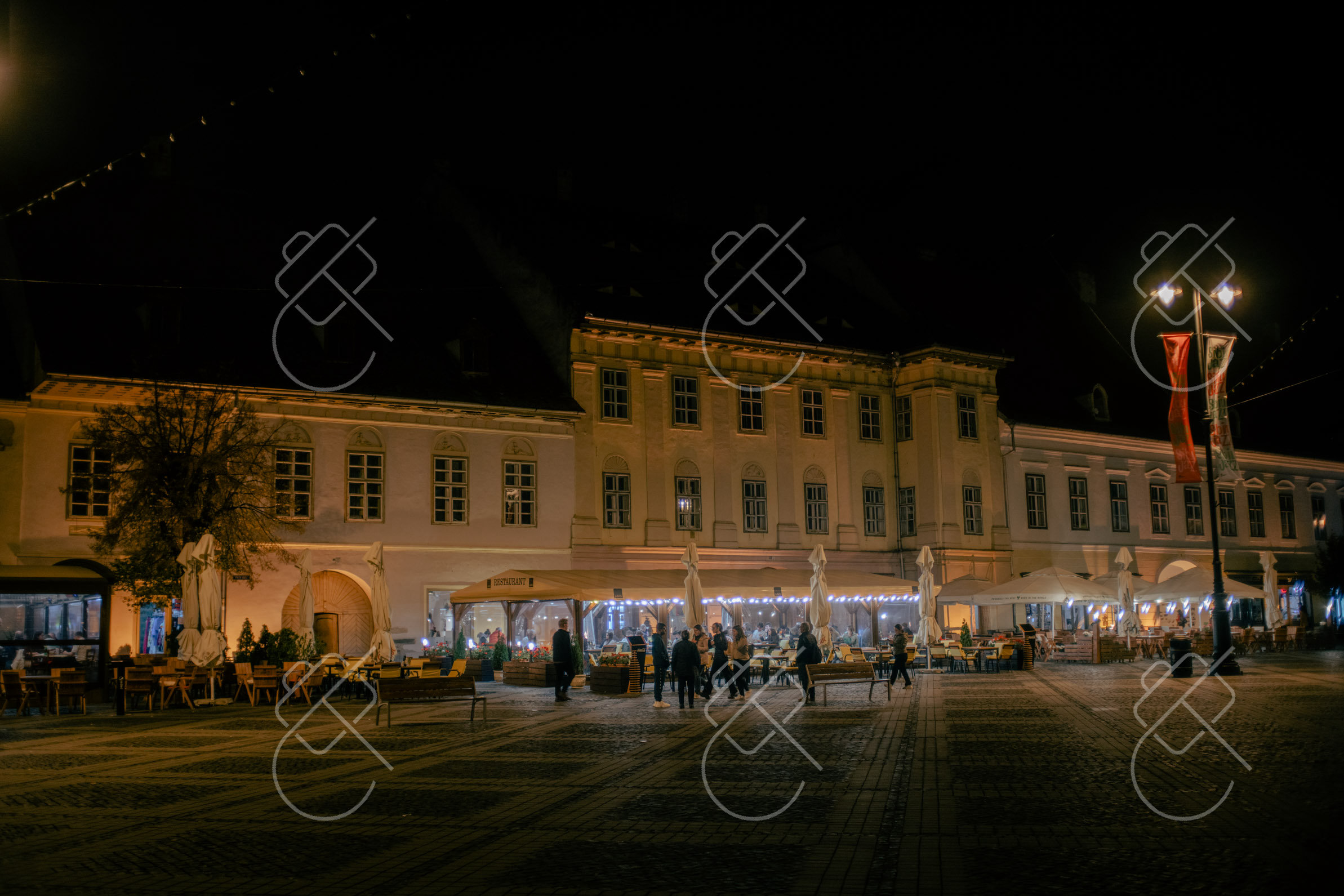
Sibiu is a Saxon-founded citadel deep in Transylvania, where a walled medieval old town of ochre townhouses, watchtowers, and rooftop 'eyes' surrounds two grand squares linked by covered passages and the wrought-iron Liar's Bridge.
Sibiu's steep, red-tiled roofs are pierced with rows of narrow dormer windows that locals call "the eyes of Sibiu" — a byproduct of Saxon attic ventilation design that, whether by accident or intent, gives entire streets the sense of being watched. The best examples sit low over the wooden gates and courtyards south of Piata Mica, where 15th- and 16th-century burgher houses still show the original half-hipped roofline. Wander off the main squares and the town keeps its texture: narrow cobblestone alleys thread between pastel-washed Saxon townhouses, their ground floors converted to workshops and cafes but their upper stories largely unchanged since Sibiu was one of the seven fortified Siebenbürgen citadels built by German colonists invited to defend Hungary's eastern frontier. Fragments of that defense — bastions, the Stairs Passage, and sections of the old city wall — still connect the Lower Town to the Upper Town.
The wrought-iron Liar's Bridge spanning the passage between Sibiu's two main squares
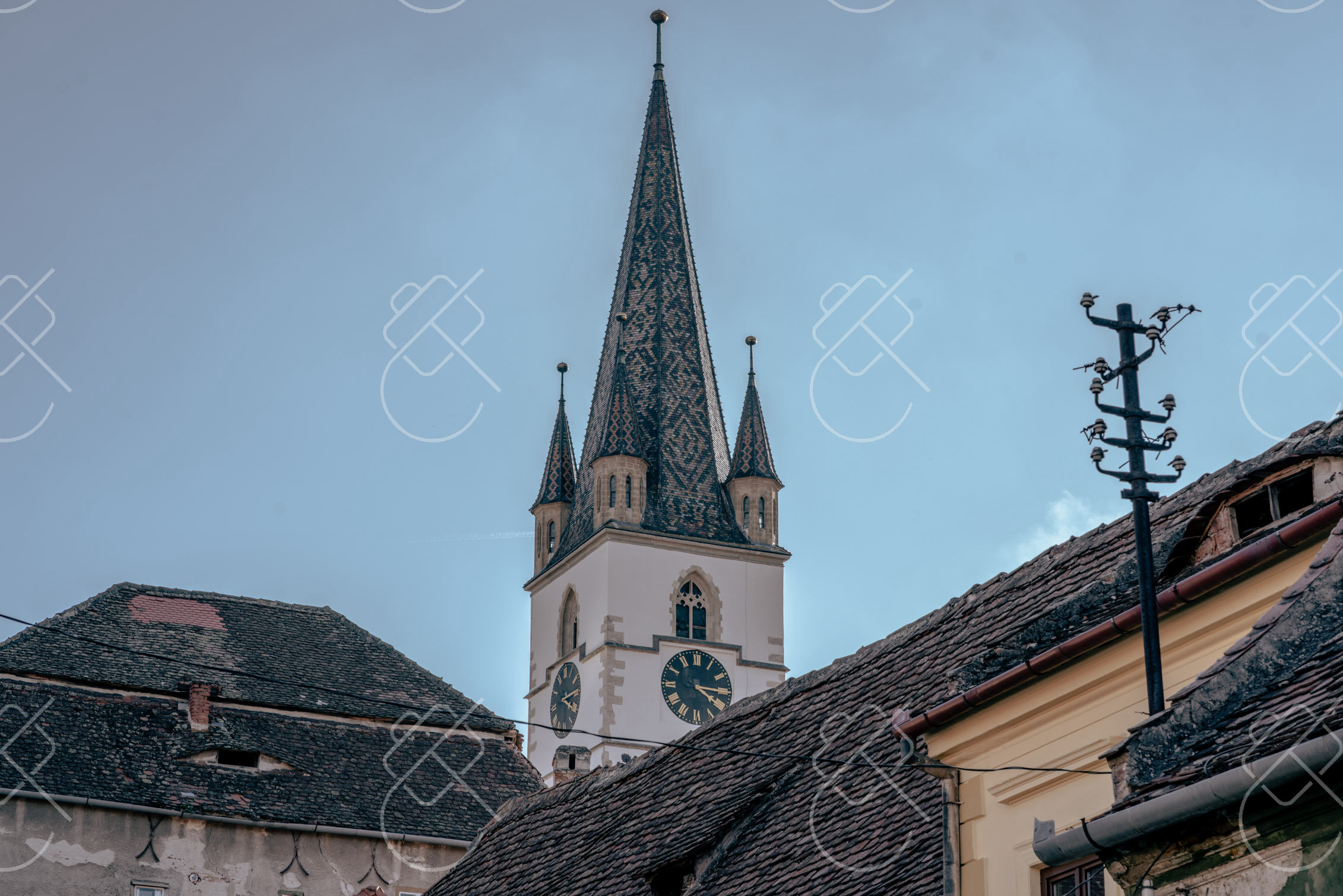
Piata Mare, the Grand Square, is Sibiu's civic stage: the Baroque Brukenthal Palace and the Roman Catholic Church face off across a plaza used for centuries as a marketplace and, less pleasantly, for public executions. A block away, Piata Mica is smaller and more intimate, overlooked by the Council Tower and the Gothic spire of the Evangelical Cathedral, and connected to the Lower Town by the cast-iron Liar's Bridge — built in 1859, one of the first iron bridges in Romania, and supposedly creaking whenever someone standing on it tells a lie. Sibiu's restoration as European Capital of Culture in 2007 repaved the squares, cleaned the facades, and reopened long-closed passageways, without stripping out the patina of the working Saxon town underneath. Climb the Council Tower for a rooftop view over the tiled "eyes," then drop back down into the old town's alleys as the evening light turns the plaster gold.
Late spring (May-June) or early autumn (September) for mild weather, green squares, and the fewest tour-bus crowds.
Base yourself inside or just off Piata Mare or Piata Mica so you can walk the old town's cobblestones at night without needing a car.
Sarmale (cabbage rolls stuffed with pork and rice) served over a mound of buttery mamaliga and sour cream is the Transylvanian staple worth seeking out, ideally with a glass of local red wine.
Enter Piata Mica through the covered Passage of Stairs (Pasajul Scarilor) instead of the main road — it's the same medieval route Saxon merchants used between the Lower and Upper Towns, and it drops you right at the base of the Council Tower.
Find the best deals on Sibiu accommodation with Booking.com.
We had World Nomads as our travel insurance, covering us for the entire Sibiu, Romania leg of the trip — one less thing to worry about.
Transit cards, local customs, visa rules, and practical travel guides for this region.
See every destination from the 526-day journey:
Browse all destinationsCurious about the gear behind these photos? See the gear list.