
Home
About us
Destinations
Travel Guides
Recipes
Featured
Photos As Art
Abstract Prints
Locations
Travel Gear
Travel Resources
Favorites
Photo Framer
Explore Photos
ContactEger sits in a shallow valley in northern Hungary, two hours from Budapest, with a hilltop castle at one end of the old town and a 40-meter Ottoman minaret standing alone at the other. Between them are baroque townhouses in yellow and ochre, a basilica big enough to look borrowed from a capital city, and a side valley where roughly 200 wine cellars are cut straight into the rock.
Published August 11, 2026
Tap any photo to open it full-screen and order a print.
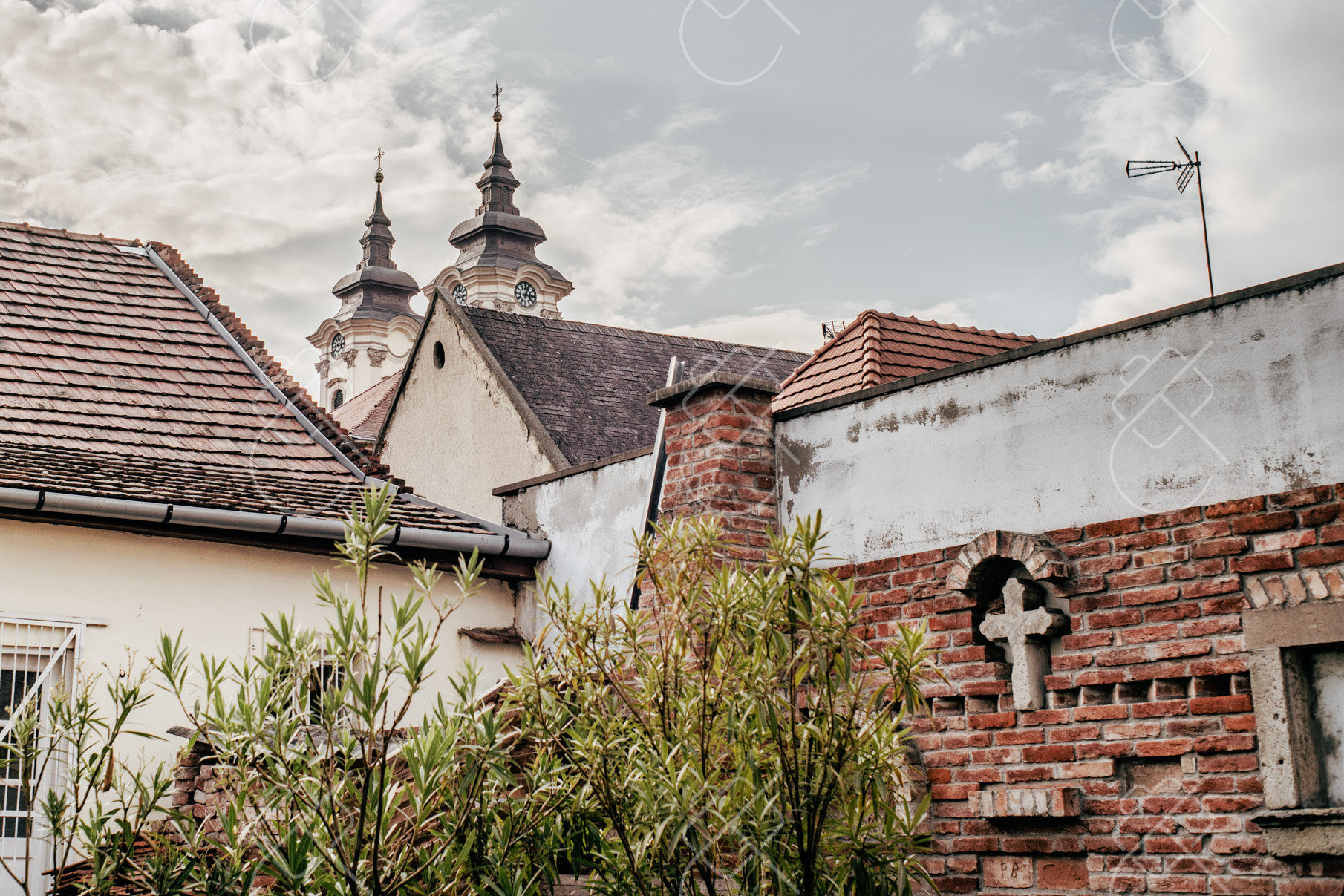
Eger is a baroque wine town built around a fortress that became Hungary's most famous act of defiance, with an Ottoman minaret, a neoclassical basilica, and a valley of cellars serving Bull's Blood a short walk from the center.
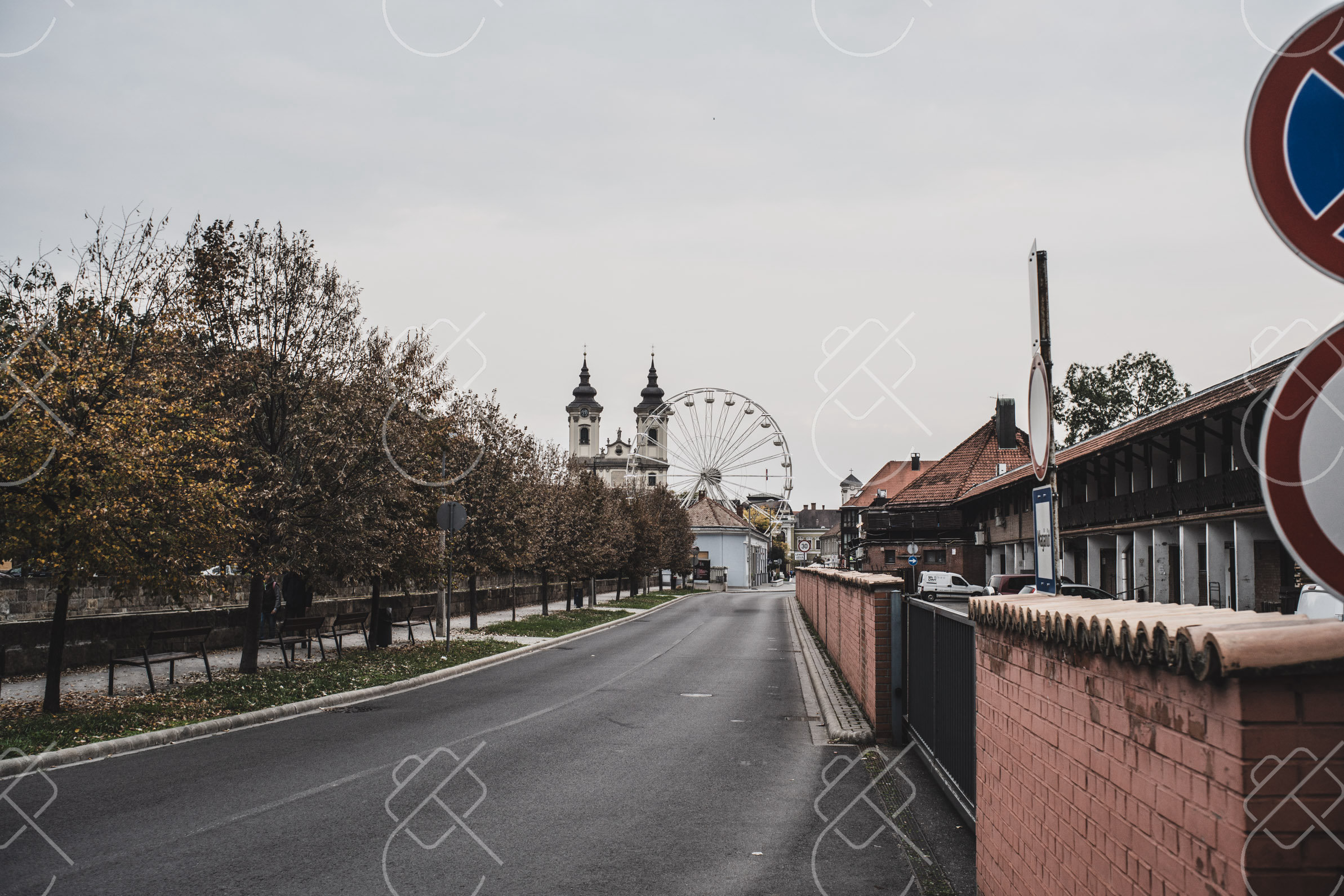
Eger Castle sits on a rock at the eastern edge of the old town, and every Hungarian schoolchild knows what happened there in 1552: a garrison under István Dobó held the walls against an Ottoman army that outnumbered them roughly seventeen to one, and the siege failed. The castle you walk today is mostly what survived the Habsburg demolitions of the following centuries, but the casemates cut into the rock beneath it are intact and cold year-round, and the ramparts give you the whole town at once, red rooftops broken by church towers. Downhill, Dobó István Square is the town's living room, framed by the twin-towered Minorite church that regularly turns up on lists of Europe's finest baroque facades. A few blocks west, the Cathedral Basilica of Eger, built by József Hild between 1831 and 1836, is the second-largest church in Hungary, its neoclassical columns and long flight of entrance steps deliberately out of scale with the town around it.
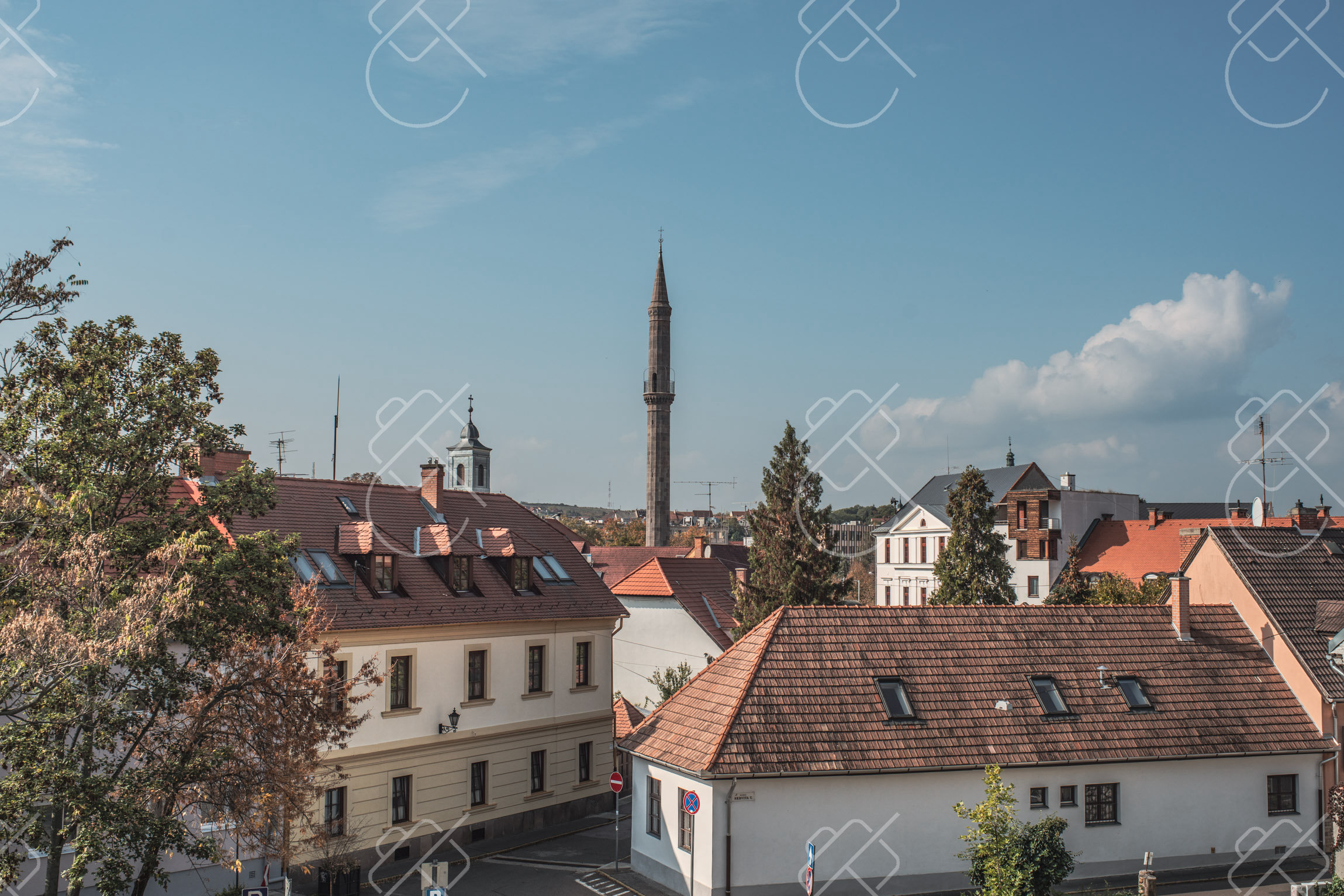
The Ottoman minaret rising over Eger's red-tiled rooftops and church towers
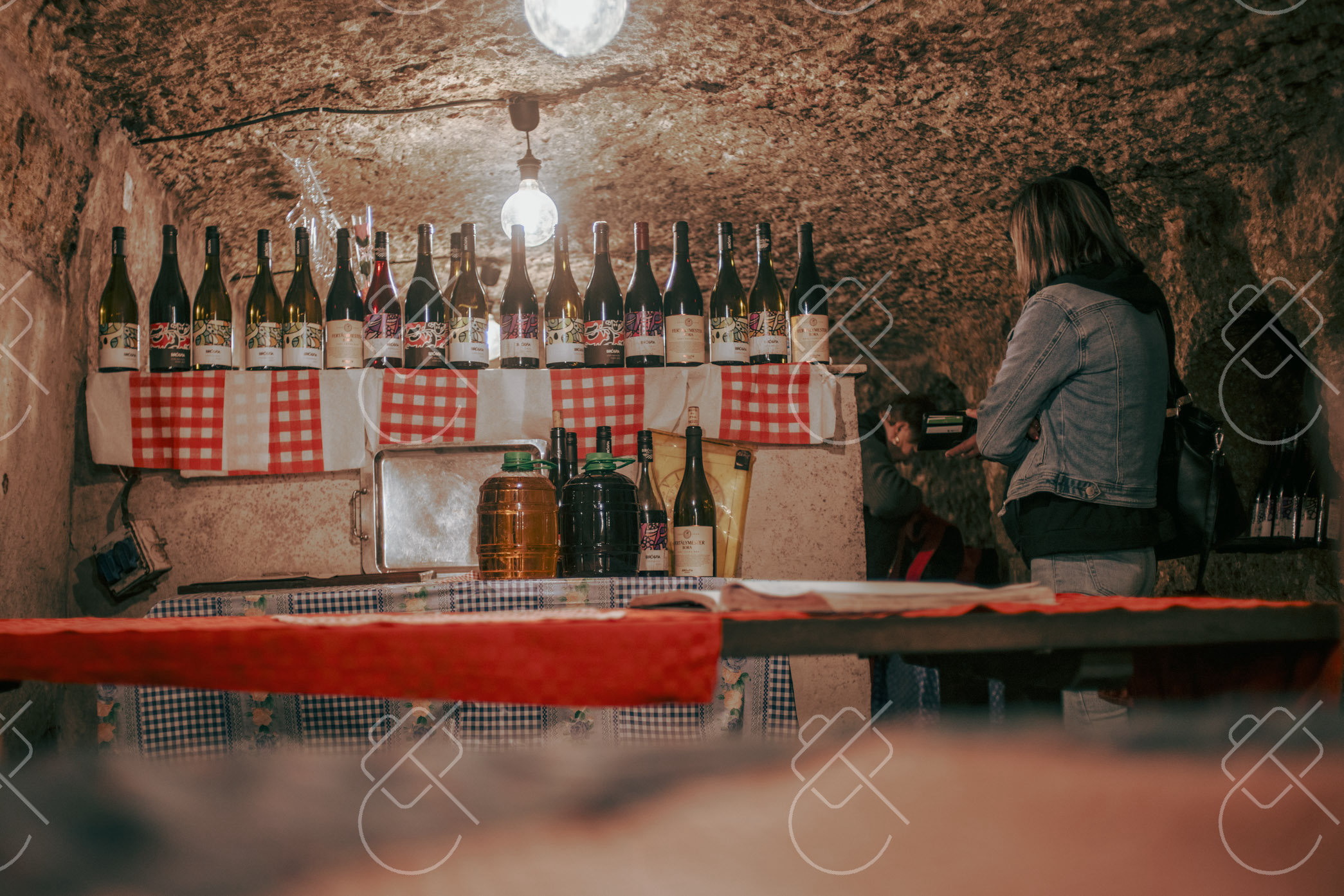
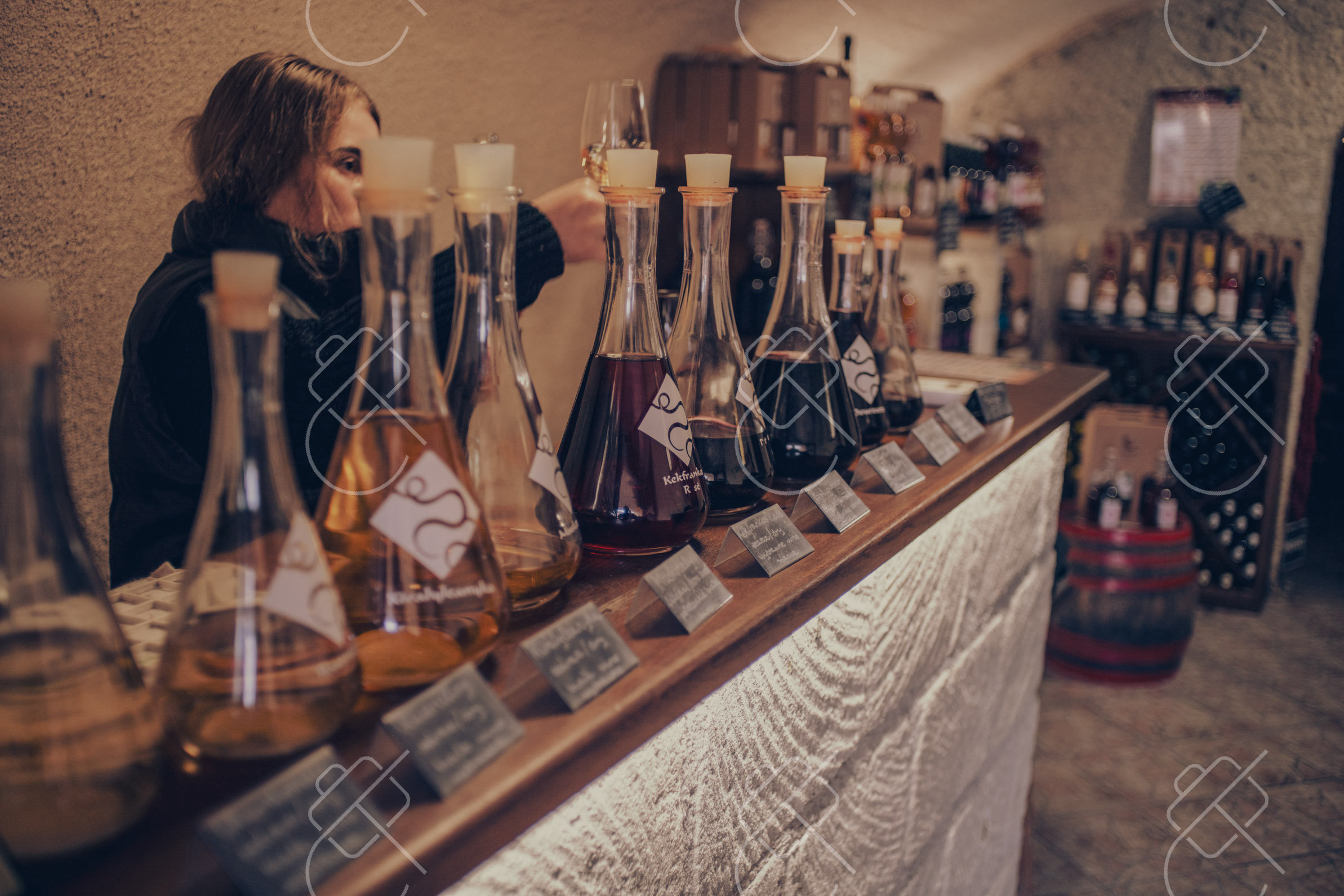
Eger did eventually fall, in 1596, and stayed under Ottoman rule until 1687, which is why a minaret still stands on Knézich Street with no mosque attached to it. At 40 meters it is the northernmost surviving Ottoman minaret in Europe; the mosque at its base was pulled down after the Habsburgs retook the town, and the tower was left. You can climb it, but the spiral staircase inside is a tight 97 steps to a balcony 26 meters up, and there is no room for two-way traffic. The other reason people come is a fifteen-minute walk southwest, in Szépasszony-völgy, the Valley of the Beautiful Women, where roughly 200 cellars are carved into soft rhyolite tuff around a horseshoe-shaped hollow. Most are family operations with a few tables and a bottle line-up chalked on a board, and the wine to ask for is Egri Bikavér, the dry red blend known abroad as Bull's Blood, which by regulation has to be built from at least three of the region's grape varieties.
Mid-October, when the harvest is in, the cellars are busiest in the best way, and the trees along the Eger stream turn while the afternoons are still warm enough to sit outside.
Stay within a few blocks of Dobó István Square, which puts the castle, the basilica, and the walk out to the wine valley all within fifteen minutes on foot.
Eat in a csárda in Szépasszony-völgy rather than on the main square: goulash or paprika chicken with nokedli, ordered alongside a glass of the cellar's own Bikavér, costs about half what the tourist tables charge.
Do the minaret before lunch. The staircase is a single-file spiral with no passing room, so a queue on the steps means waiting inside the shaft rather than out in the square.
Throughout Eger, Hungary, NordVPN kept our data private on the patchy WiFi you find on the move.
Get the best deals on a hotel in Eger before you book elsewhere — Booking.com.
Transit cards, local customs, visa rules, and practical travel guides for this region.
See every destination from the 526-day journey:
Browse all destinationsCurious about the gear behind these photos? See the gear list.