 Where to stay
By Clever Tourists · Published
For a first visit, stay in the Eixample, ideally the blocks either side of Passeig de Gràcia between Plaça de Catalunya and Diagonal. It has the best metro connections in the city, Gaudí's Casa Batlló and La Pedrera on the doorstep, the Sagrada Família a few stops away, and the Gothic Quarter a ten-minute walk downhill. Pick the Gothic Quarter or El Born instead if you want to step straight into medieval lanes, and Gràcia if you prefer small squares and neighbourhood bars to landmarks. The beach at Barceloneta is better for a swim than as a base. We spent 5 days in Barcelona, 24 to 29 July 2022, between Zaragoza and Valencia, in peak summer.
This page contains affiliate links. If you book or buy through them we may earn a commission, at no extra cost to you.
• First visit, 3 to 4 nights: the Eixample, close to Passeig de Gràcia. Central, well connected, calmer at night than the old town.
• Old-town atmosphere: the Gothic Quarter or El Born, around the cathedral and Santa Maria del Mar.
• Local feel and longer stays: Gràcia, north of Diagonal, near Park Güell.
• Food and value: Poble-sec and Sant Antoni, at the foot of Montjuïc.
• Beach: Barceloneta, or the quieter beaches further north-east toward Poblenou.
• Families: the Eixample, for bigger rooms, lifts and step-free metro stations.
What it's like: the 19th-century grid north of Plaça de Catalunya, with wide avenues, chamfered corners and Catalan Modernisme facades. Passeig de Gràcia is the main spine, with Casa Batlló and La Pedrera on it; the Sagrada Família is at the eastern side of the grid. The metro lines that matter for visitors all cross it, and Plaça de Catalunya is the city stop for the Aerobús from El Prat; see our Barcelona airport guide.
Who it suits: first-timers, families and anyone who wants to reach every sight easily and sleep well. Book Sagrada Família tickets ahead whatever your base; our Sagrada Família tickets guide has the times and dress code.
Downside: it is a smart residential and shopping district, not a postcard. The streets are long and similar, and the blocks near the big avenues carry traffic noise, so ask for a room facing the inner courtyard.
What it's like: the medieval core between La Rambla and Via Laietana, with the cathedral and Roman wall remains in the Gothic Quarter, and El Born on the other side of Via Laietana, around Santa Maria del Mar, the Picasso Museum and the Ciutadella park. Narrow lanes, small squares, tapas bars and boutique hotels in old buildings.
Who it suits: couples and anyone on a short stay who wants to walk out of the door into old Barcelona. El Born is the slightly calmer, more restaurant-focused of the two.
Downside: this is the most crowded part of the city and the one where pickpockets work hardest, especially around La Rambla; read our Barcelona scams guide. Rooms are small, streets are noisy late, and taxis cannot reach every door. The streets of El Raval, west of La Rambla, are cheaper but can feel rough late at night in parts.

Practical travel tips, straight to your inbox. Unsubscribe anytime.
What it's like: a former separate town absorbed into the city, with low buildings, small plazas such as Plaça del Sol and Plaça de la Vila de Gràcia, independent shops and bars where most of the customers live nearby. Park Güell is on the hill above it.
Who it suits: return visitors, longer stays and travelers who would rather eat where locals eat than live next to the landmarks. Passeig de Gràcia and the Eixample are a walk downhill.
Downside: fewer hotels, more apartments, and the old town is a metro ride rather than a stroll. The squares are lively until late on summer nights.
Poble-sec and Sant Antoni sit at the foot of Montjuïc, south-west of the centre. Carrer de Blai in Poble-sec is lined with pintxos bars, and Sant Antoni has its covered market. Prices are lower than the Eixample, Montjuïc's gardens and museums are on foot, and the Gothic Quarter is a 20-minute walk.
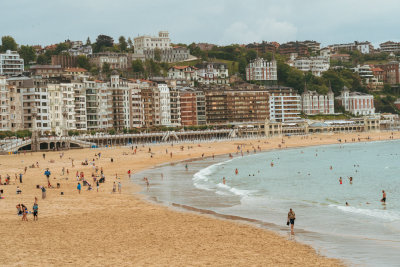
Barceloneta is the old fishermen's quarter on the beach, a grid of narrow streets with seafood restaurants. It is the place to be for a swim, but the flats are small, many are holiday rentals, and summer weekends on the beach are crowded and noisy. Most visitors are better off staying centrally and taking the metro to the sand.
Tourist tax. From 1 April 2026 to 31 March 2027, the Catalan Tax Agency's table for Barcelona city gives a combined regional tax and city surcharge of €12 (≈ $13.3) a night in a 5-star hotel, €8.40 (≈ $9.3) in a 4-star, €9.50 (≈ $10.6) in a tourist apartment and €7 (≈ $7.8) in most other places. It is charged for a maximum of 7 nights, and under-17s are exempt. The city surcharge rises every April; see our Barcelona tourist tax guide.
Season. Summer and the late-spring and early-autumn weekends are the most expensive; book well ahead for July, August and big event dates such as the Barcelona Open. Our best time to visit Spain guide has the month-by-month picture.
Rooms. Air conditioning matters from June to September. If you book an apartment, check the licence number on the listing: Barcelona has been cracking down on illegal tourist flats, and a hotel or licensed apartment avoids last-minute cancellations.
Book 3 to 4 nights for the main sights: one day for the Gothic Quarter and El Born, one for the Sagrada Família and the Eixample's Modernisme, one for Park Güell and Gràcia, and a fourth for Montjuïc or the beach. We had 5 days, which left time to slow down in the heat.
Barcelona is usually the start or end of a Spain trip. Our 2-week Spain itinerary links it with Madrid and Andalusia, and our 60-day Spain route shows where it fit in ours. For the next stops, see where to stay in Madrid and where to stay in Seville, and our Spanish food guide for what to eat.
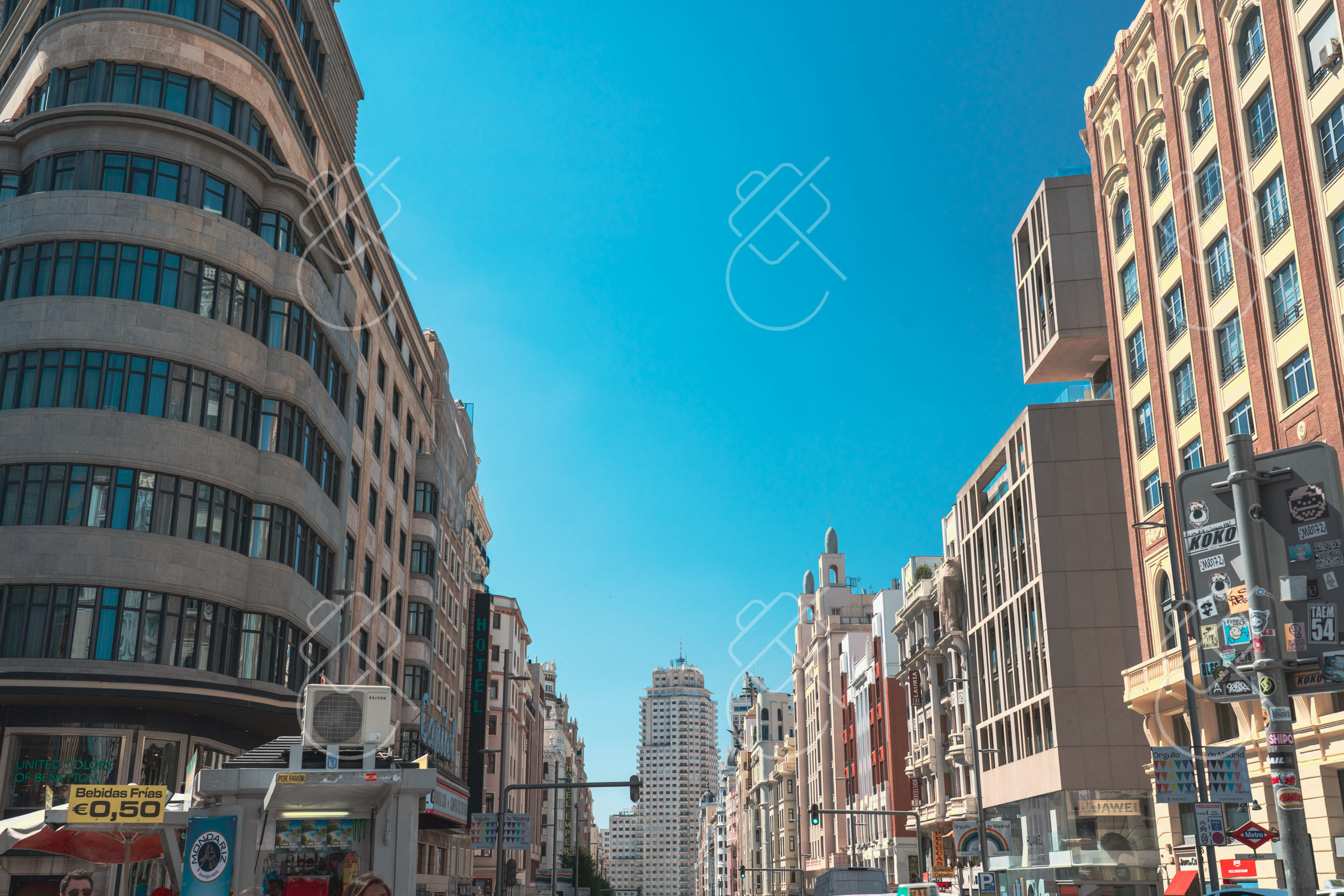
The Eixample, near Passeig de Gràcia. It has the best metro links, Casa Batlló and La Pedrera on foot, the Sagrada Família a few stops away and the Gothic Quarter a ten-minute walk.
The Gothic Quarter for medieval lanes on your doorstep; the Eixample for quieter nights, bigger rooms and better transport. The Gothic Quarter is also where pickpockets work hardest.
From 1 April 2026 the regional tax plus city surcharge is €12 (≈ $13.3) a night in a 5-star hotel, €8.40 (≈ $9.3) in a 4-star, €9.50 (≈ $10.6) in a tourist apartment and €7 (≈ $7.8) in most other places, for up to 7 nights. Under-17s are exempt.
Only if swimming is the priority. Barceloneta has small flats, many holiday rentals and crowded summer weekends; most visitors stay centrally and take the metro to the beach.
Three to four for the main sights. We spent 5 days in Barcelona in July 2022.

Practical travel tips, straight to your inbox. Unsubscribe anytime.
Check how busy Spain hotels are for your dates on Booking.com.