 Safety & Practicalities
By Clever Tourists · Published
Yes. Tap water in Spain is safe to drink. World Travel Guide says it is safe to drink, though some people complain that it can be quite salty in Ibiza, and our Spain things to know page notes that some coastal cities' water tastes of minerals or chlorine. The difference between regions is mainly taste. We were in Spain from June to August 2022, from Madrid through the north coast and Andalusia to Tarifa, and this page covers what to drink, how to order it in a bar and where to expect an odd taste.
Mainland cities including Madrid, Barcelona, Seville and Bilbao have safe tap water, and many residents drink it. Taste varies with the source: Madrid's water comes from mountain reservoirs and is often described as good, while coastal and southern cities can have a harder, chlorinated or mineral taste. Secondary sources say the Balearic and Canary Islands rely heavily on desalinated water that meets EU standards but tastes flat, and many locals there drink bottled water. We could not find an official regional statement, so treat that as common travel advice.
If the taste bothers you, a filter bottle or a cold bottle from a supermarket fixes it. If you have a sensitive stomach, switch to bottled for a day or two in a new region.
In restaurants you will often be asked agua con gas o sin gas? and served bottled water. To ask for tap water, say agua del grifo, por favor. In many places staff bring a jug or glass; in others they prefer to sell bottles, and nothing we read says restaurants are obliged to serve tap water everywhere. Ask politely and expect it to vary by region and venue.
Water with a coffee or a drink at a bar is often brought automatically. A menú del día lunch normally includes water, wine or a soft drink. Tipping is modest; see our Spain tipping guide.
Madrid and the interior are dry and hot in summer, and water consumption rises. The north coast, around Oviedo, Gijon, Santander and Bilbao, is cooler and greener, and the water is generally mild. In Andalusia and the south, heat peaks in July and August; Seville, Cordoba and Granada can exceed 40 degrees Celsius (104 F) on hot days, and fountains and shaded patios are lifesavers. Our Spain 60-day route follows the route; our best time to visit Spain page explains the seasons.
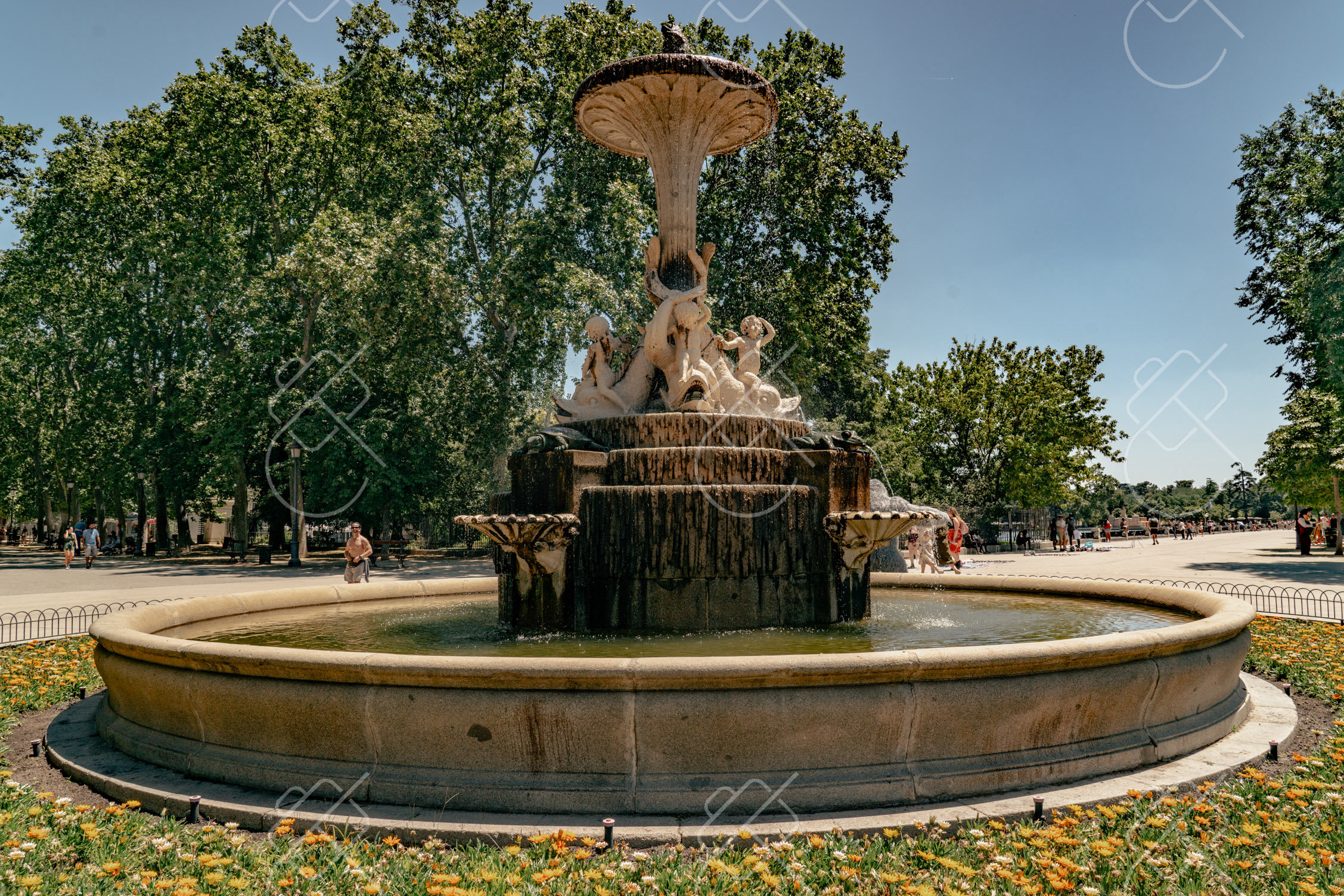
Many Spanish towns have public drinking fountains (fuentes), often with signs. Look for agua potable (drinkable) or agua no potable (not drinkable). On hiking trails in the Picos de Europa or the Sierra Nevada, carry water or a filter; springs can be unreliable in summer and livestock contaminate streams. Never drink from a trough or a stream without treating it.
Supermarkets sell large bottles for very little, much less than small bottles at cafes and tourist sites. A refillable bottle is useful on hot days. Bars on busy plazas often charge more. Our Spain grocery guide lists what to buy and where, and our Spain packing list covers hot-weather kit.
Small bars and market stalls often prefer cash; see our Spain cash-or-card guide.
Ice is made from the same supply and is safe. Food hygiene in Spain is high, and the CDC's Spain page recommends hepatitis A vaccination mainly for travellers visiting smaller cities, villages or rural areas, or eating street food, which is a general precaution rather than a tap-water warning.
Bring a refillable bottle for hot-weather days. Fill it at your accommodation, at public fountains marked agua potable and at supermarkets. In July and August, southern cities can be extremely hot, and you may need two or three litres a day.
If the tap water tastes unpleasant, try a different region before you decide that it is unsafe: it usually is not. Buy a large bottle at a supermarket and keep a small bottle in your day bag. Ask for agua del grifo at bars when you sit down.
Healthy travellers can drink the tap in mainland Spain. If you are travelling with a baby, pregnant or have a sensitive stomach, bottled water costs little and removes the question. Swimming pools and beaches have their own rules: do not swallow seawater, and obey the flag system on beaches.
Bars and cafes sometimes offer a glass of water with coffee; accept it. On trains and buses, bring your own bottle, since onboard prices are higher than supermarket prices. If you are hiking in the Picos de Europa on the north coast route we covered in 2022, carry more than you think you need and top up in villages, where bars will usually fill a bottle if you buy a drink.
Yes. Tap water in mainland Spain is safe to drink, though taste varies and coastal cities can have a harder or chlorinated flavour.
In some islands and coastal areas it can taste salty or flat. World Travel Guide notes that tap water in Ibiza can be quite salty.
Say agua del grifo, por favor. Many places will bring it, but some prefer to sell bottled water.
It is treated to EU standards, but travel sources say much of it is desalinated and tastes flat, so many locals and visitors drink bottled water.
Drink from those marked agua potable. Avoid any marked agua no potable and untreated mountain streams.
Get our new Spain guides and practical tips by email: where to stay, what to eat, what things cost and the rules that catch travelers out.
Free. No spam, only new guides and tips.
Search verified local fleets with low security deposits and exact model delivery on Localrent.
Get the best deals on a place to stay in Spain on Booking.com.