 Culture & etiquette
By Clever Tourists · Published
Spanish (Castilian) is understood everywhere in Spain. English gets you through hotels and the busy parts of Madrid, Barcelona and Seville, but it thins out fast in small towns and family-run bars. Two habits matter more than vocabulary: say hola or buenos días when you walk into a shop or bar, and use the polite usted forms with strangers. Most of Spain says the c in gracias and the z in cerveza like the English "th", and the respellings below are written that way.
This page contains affiliate links. If you book or buy through them we may earn a commission, at no extra cost to you.
Hola works at any time of day with anyone. Buenos días covers the morning, buenas tardes the afternoon and evening, and buenas noches is both "good evening" and "good night" once it is dark. Walking into a bar or a small shop, many people just say buenas, a short, casual form that works at any hour.
Hasta luego literally means "see you later", but in Spain it is the everyday "bye", said even to a shop assistant you will never see again.
| English | Spanish | Say it like | When to use it |
|---|---|---|---|
| Hello | Hola | OH-lah | Any time, anyone. The h is silent. |
| Hi (casual) | Buenas | BWEH-nahs | Walking into a bar or shop, any time of day. |
| Good morning | Buenos días | BWEH-nohs DEE-ahs | Until lunch. |
| Good afternoon / evening | Buenas tardes | BWEH-nahs TAR-dehs | From lunch until it gets dark. |
| Good evening / good night | Buenas noches | BWEH-nahs NOH-chehs | After dark, as hello or goodbye. |
| How are you? (polite) | ¿Cómo está? | KOH-moh ehs-TAH | Strangers, older people, officials. |
| How are you? (casual) | ¿Qué tal? | keh TAHL | Friends and relaxed settings. |
| Nice to meet you | Encantado / Encantada | ehn-kahn-TAH-doh / ehn-kahn-TAH-dah | Men say encantado, women encantada. |
| Goodbye | Adiós | ah-DYOHS | Leaving. |
| See you later / bye | Hasta luego | AHS-tah LWEH-goh | The everyday goodbye, even to strangers. |
| See you tomorrow | Hasta mañana | AHS-tah mah-NYAH-nah | Leaving a hotel desk or a café you will be back at. |
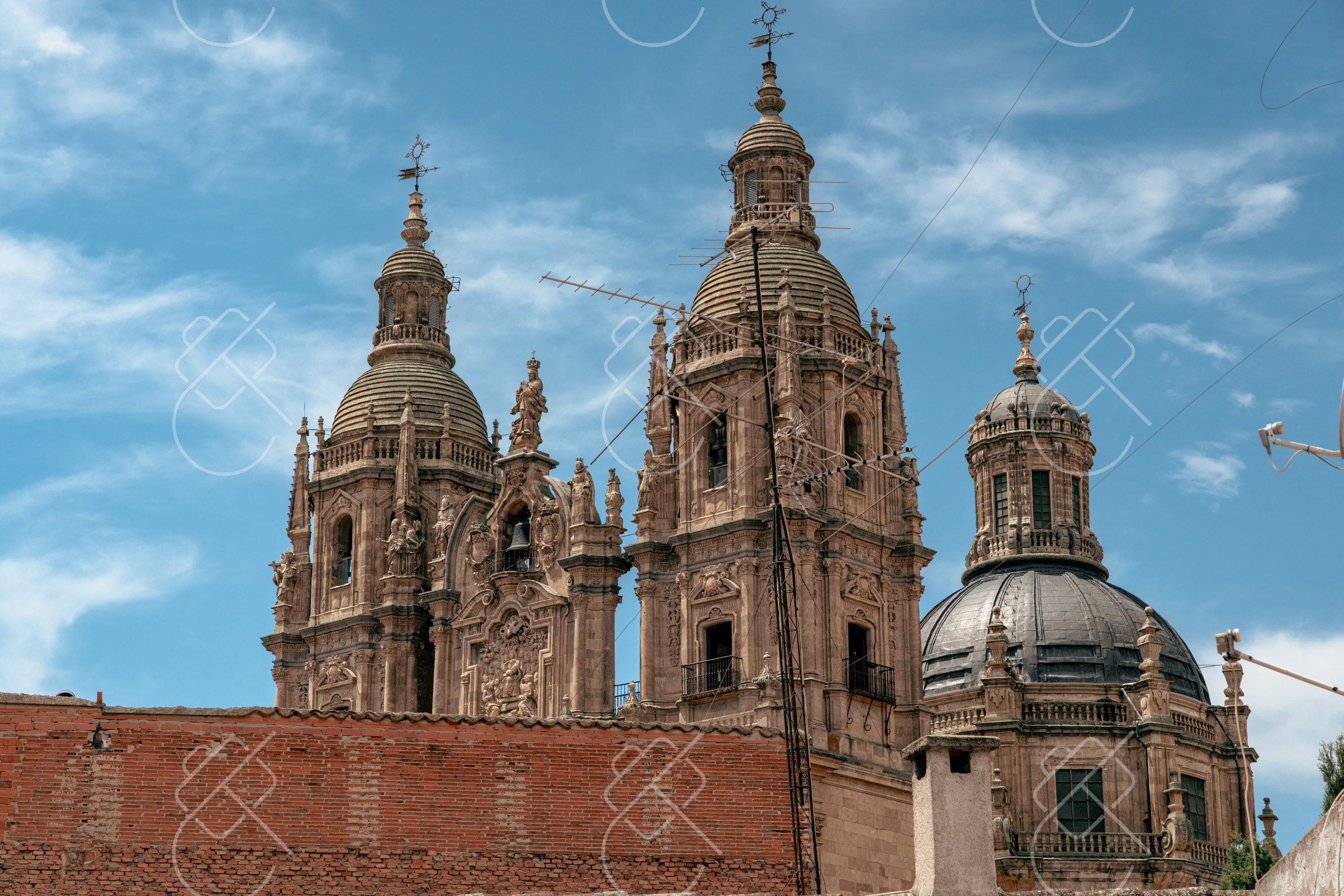
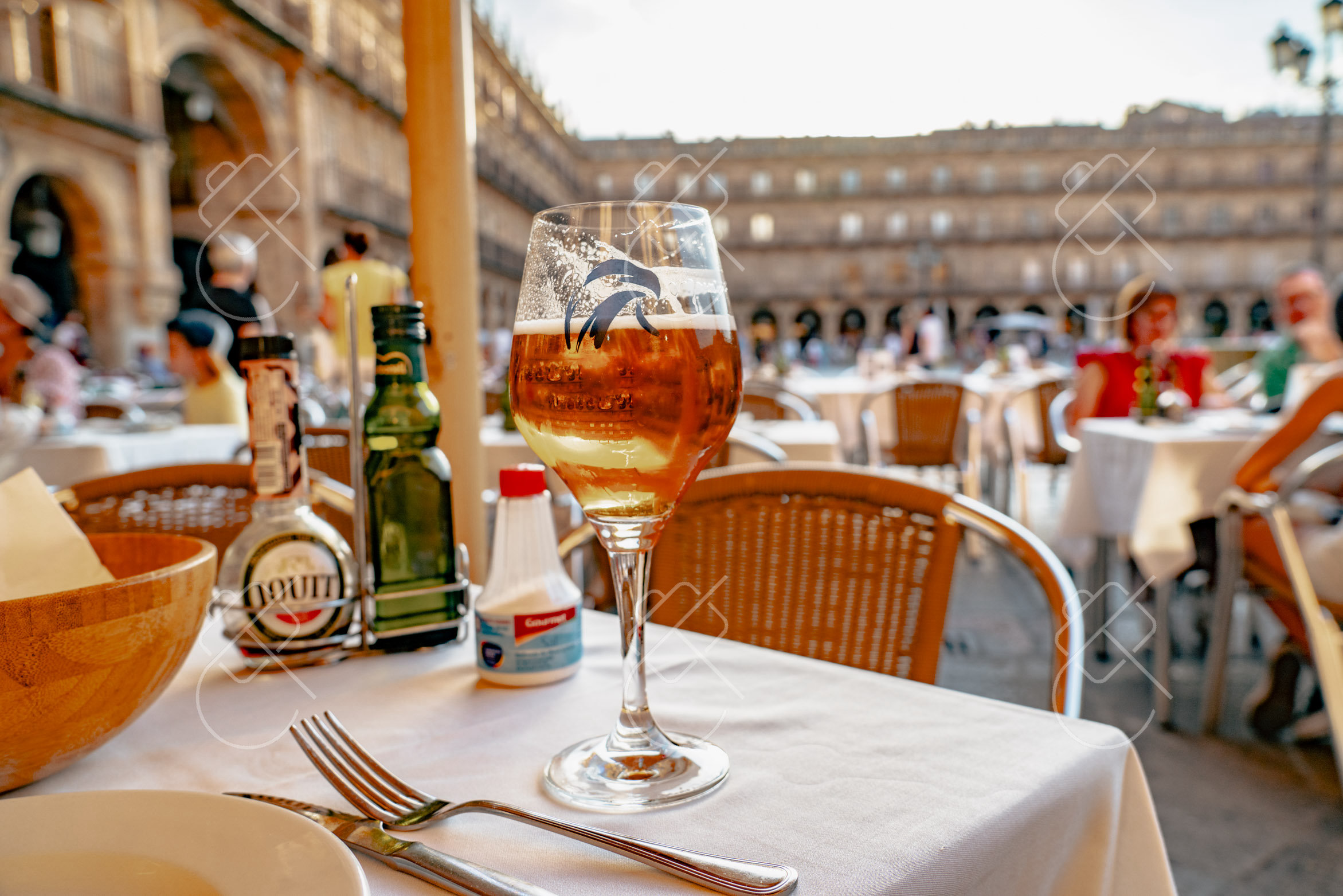
Spanish in Spain is direct. Ordering una caña (a small beer) at a busy bar without por favor is normal, not rude. You will still never go wrong adding por favor and gracias.
There are three kinds of "excuse me": perdone or disculpe to get someone's attention, perdón for a small bump, and con permiso (or just permiso) to squeeze past. Lo siento is a real apology ("I'm sorry"), not a way to catch a waiter's eye.
| English | Spanish | Say it like | When to use it |
|---|---|---|---|
| Please | Por favor | por fah-BOR | After any request. |
| Thank you | Gracias | GRAH-thyahs | Everywhere. Latin America says GRAH-syahs. |
| Thank you very much | Muchas gracias | MOO-chahs GRAH-thyahs | For real help, or leaving a good meal. |
| You're welcome | De nada | deh NAH-dah | Reply to gracias. |
| I'm sorry | Lo siento | loh SYEHN-toh | A real apology. |
| Sorry / pardon | Perdón | pehr-DOHN | Bumping into someone. |
| Excuse me (attention) | Perdone / Disculpe | pehr-DOH-neh / dees-KOOL-peh | Stopping a stranger to ask something. |
| Excuse me (getting past) | Con permiso | kohn pehr-MEE-soh | On a crowded bus or in a doorway. |
| Yes | Sí | SEE | The accent separates it from si (if). |
| No | No | NOH | Answering a question. |
| No, thank you | No, gracias | NOH, GRAH-thyahs | Turning down a menu, a flyer or a second plate. |
In Spain la carta is the menu. El menú usually means the menú del día, the fixed-price lunch, so asking for "el menú" may get you that rather than the full list.
The bill does not arrive until you ask for it; lingering is normal. The usual toast is ¡Salud! ("health"), the same word you say when someone sneezes. For tap water ask for agua del grifo: many places bring a jug, others would rather sell you a bottle. Tipping is small and optional; our Spain tipping guide covers when to round up.
| English | Spanish | Say it like | When to use it |
|---|---|---|---|
| A table for two, please | Una mesa para dos, por favor | OO-nah MEH-sah PAH-rah DOHS, por fah-BOR | At the door of a sit-down restaurant. |
| The menu, please | La carta, por favor | lah KAR-tah, por fah-BOR | El menú is the set lunch. |
| Delicious! | ¡Qué rico! | keh REE-koh | Telling the cook or waiter you liked it. |
| Cheers! | ¡Salud! | sah-LOOD | Raising a glass. |
| The bill, please | La cuenta, por favor | lah KWEHN-tah, por fah-BOR | When you are ready to go. |
| I'm vegetarian | Soy vegetariano / vegetariana | soy beh-heh-tah-RYAH-noh / beh-heh-tah-RYAH-nah | Men -o, women -a. |
| I'm allergic to... | Soy alérgico / alérgica a... | soy ah-LEHR-hee-koh / ah-LEHR-hee-kah ah | Add the food. Nuts are frutos secos (FROO-tohs SEH-kohs). |
| Tap water, please | Agua del grifo, por favor | AH-gwah dehl GREE-foh, por fah-BOR | Instead of bottled water. |

Practical travel tips, straight to your inbox. Unsubscribe anytime.
Prices are fixed in shops and on food-market stalls, and haggling there is not done. Cards and contactless work almost everywhere, but carry some coins for small bars and market stalls.
Greet the stallholder or shop assistant before you start pointing, and say gracias, adiós or hasta luego on the way out, even if you bought nothing.
| English | Spanish | Say it like | When to use it |
|---|---|---|---|
| How much is it? | ¿Cuánto cuesta? | KWAHN-toh KWEHS-tah | Asking the price of one item. |
| How much is it? (the total) | ¿Cuánto es? | KWAHN-toh EHS | At the till. |
| I'll take it | Me lo llevo | meh loh YEH-boh | Deciding to buy. |
| Do you take cards? | ¿Aceptan tarjeta? | ah-THEHP-tahn tar-HEH-tah | Before you queue at a small shop. |
| Cash | En efectivo | ehn eh-fehk-TEE-boh | Paying in cash. |
For trains and buses the word is billete; for a museum, a match or a show it is entrada. Toilet signs usually say servicios or aseos, and in conversation el baño is the everyday word.
Directions often come back fast. Todo recto is "straight on", and it helps to watch where people point.
| English | Spanish | Say it like | When to use it |
|---|---|---|---|
| Where is...? | ¿Dónde está...? | DOHN-deh ehs-TAH | Add the place: ¿Dónde está el museo? |
| Where is the toilet? | ¿Dónde está el baño? | DOHN-deh ehs-TAH ehl BAH-nyoh | Signs say servicios or aseos. |
| The train station | La estación de tren | lah ehs-tah-THYOHN deh TREHN | Asking directions or telling a taxi. |
| The airport | El aeropuerto | ehl ah-eh-roh-PWEHR-toh | Asking directions or telling a taxi. |
| Left | A la izquierda | ah lah eeth-KYEHR-dah | Following directions. |
| Right | A la derecha | ah lah deh-REH-chah | Following directions. |
| Straight ahead | Todo recto | TOH-doh REHK-toh | Following directions. |
| Ticket | Billete | bee-YEH-teh | Transport. For museums and shows: entrada. |
| One ticket to Seville, please | Un billete para Sevilla, por favor | oon bee-YEH-teh PAH-rah seh-BEE-yah, por fah-BOR | At a station ticket window. |
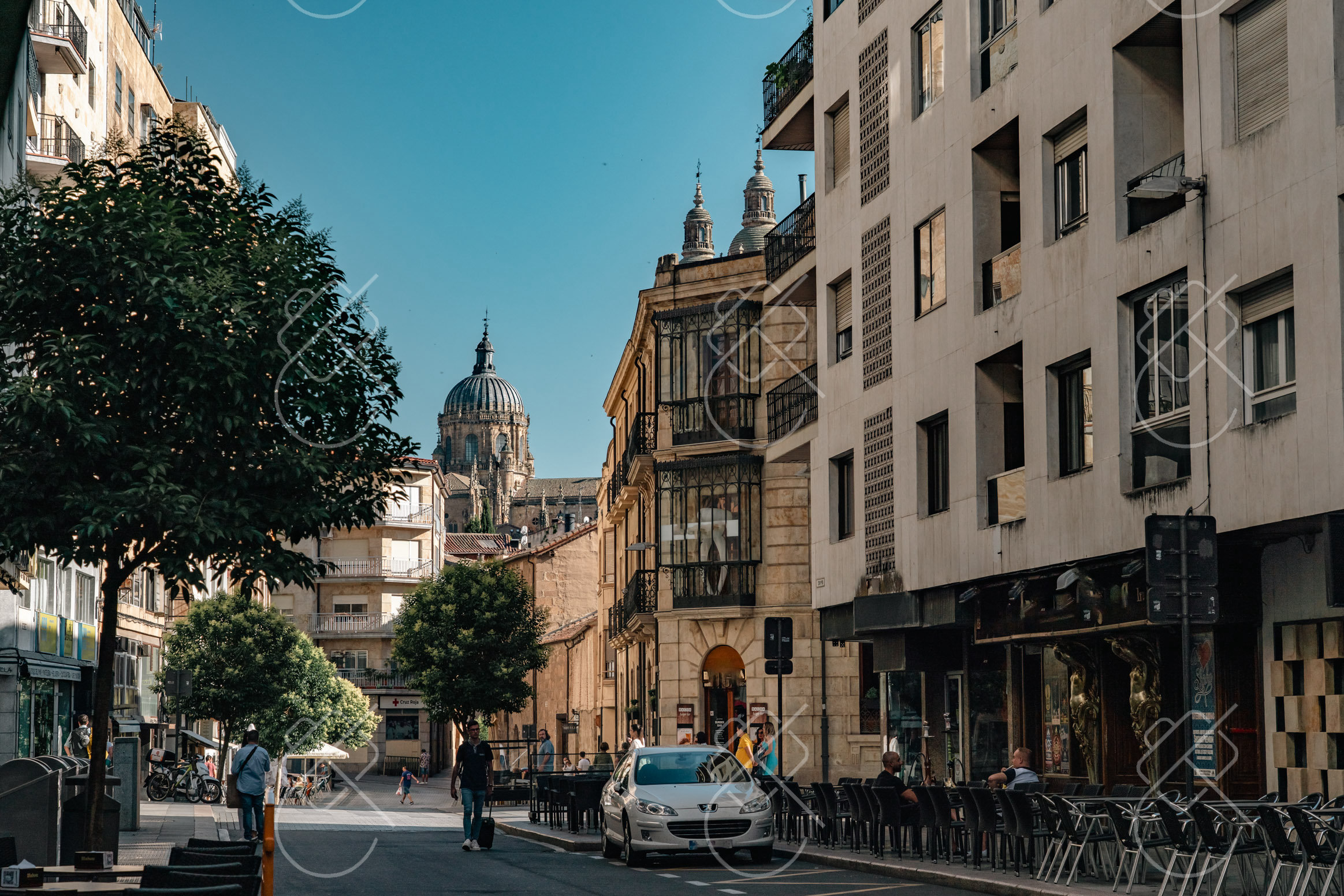
One hundred on its own is cien; in front of a smaller number it becomes ciento (ciento cincuenta, 150). Prices are in euros, said euros (EH-oo-rohs).
| English | Spanish | Say it like | When to use it |
|---|---|---|---|
| 1 | uno | OO-noh | Before a noun: un billete. |
| 2 | dos | DOHS | Counting and prices. |
| 3 | tres | TREHS | Counting and prices. |
| 4 | cuatro | KWAH-troh | Counting and prices. |
| 5 | cinco | THEEN-koh | Counting and prices. |
| 6 | seis | SAYS | Counting and prices. |
| 7 | siete | SYEH-teh | Counting and prices. |
| 8 | ocho | OH-choh | Counting and prices. |
| 9 | nueve | NWEH-beh | Counting and prices. |
| 10 | diez | DYETH | Counting and prices. |
| 100 | cien | THYEHN | Ciento before smaller numbers. |
| 1,000 | mil | MEEL | Counting and prices. |
112 is the free emergency number for police, ambulance and fire anywhere in Spain. Use the polite usted forms with police and medical staff; the phrases below already are.
| English | Spanish | Say it like | When to use it |
|---|---|---|---|
| Help! | ¡Socorro! / ¡Ayuda! | soh-KOH-rroh / ah-YOO-dah | Shouted in an emergency. |
| Call the police! | ¡Llame a la policía! | YAH-meh ah lah poh-lee-THEE-ah | To a bystander or staff. |
| I need a doctor | Necesito un médico | neh-theh-SEE-toh oon MEH-dee-koh | At a hotel desk or pharmacy. |
| I'm lost | Estoy perdido / perdida | ehs-TOY pehr-DEE-doh / pehr-DEE-dah | Men -o, women -a. |
| I don't understand | No entiendo | noh ehn-TYEHN-doh | When a reply goes over your head. |
| Do you speak English? | ¿Habla inglés? | AH-blah een-GLEHS | Polite form, for strangers. |
| Could you speak more slowly, please? | ¿Puede hablar más despacio, por favor? | PWEH-deh ah-BLAR mahs dehs-PAH-thyoh, por fah-BOR | When the answer comes too fast. |
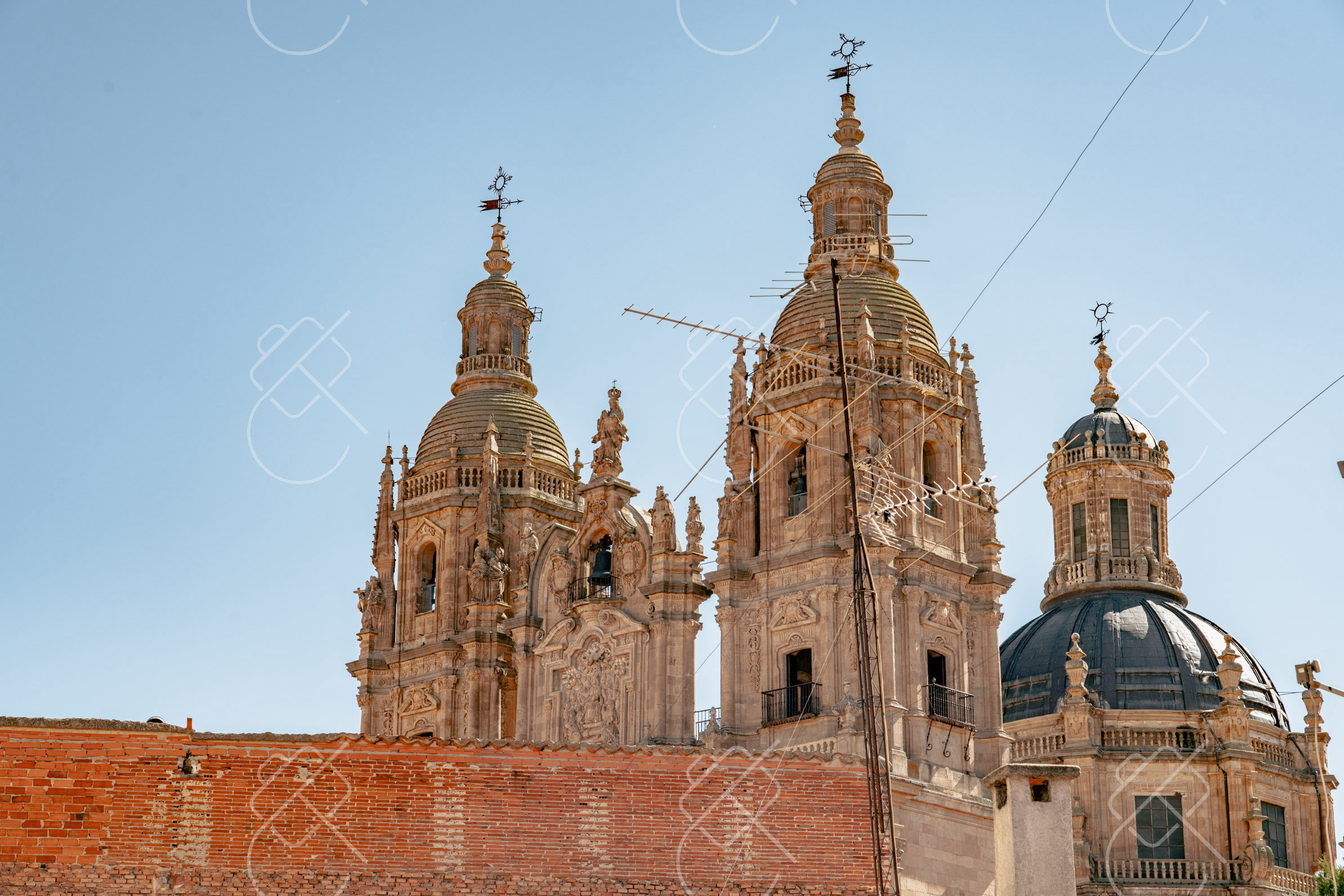
Catalan is co-official with Spanish in Catalonia and is the language of most street signs, menus and announcements in Barcelona. Nearly everyone there also speaks Spanish, so Spanish is never a problem; a bon dia or gràcies is a friendly touch that people notice. Catalan dropped the accent from adeu in its 2016 spelling reform, so older guides still show adéu.
Basque (euskara) is co-official in the Basque Country and in the Basque-speaking north of Navarre, and you will see it on signs in San Sebastián (Donostia) and Bilbao: kaixo (KAI-shoh) is hello, eskerrik asko (ehs-KEH-rreek AHS-koh) is thank you and agur (ah-GOOR) is goodbye. Galician (galego) is co-official in Galicia: ola (OH-lah) is hello, bos días (bohs DEE-ahs) is good morning and grazas (GRAH-thahs) is thank you. Spanish works everywhere in both regions.
| English | Catalan | Say it like | When to use it |
|---|---|---|---|
| Hello | Hola | OH-luh | Any time. |
| Good morning | Bon dia | bohn DEE-uh | Until lunch. |
| Good afternoon | Bona tarda | BOH-nuh TAR-duh | Afternoon into early evening. |
| Good night | Bona nit | BOH-nuh NEET | Late evening and leaving. |
| Goodbye | Adeu | uh-DEH-oo | Leaving. |
| See you | A reveure | uh ruh-BEH-oo-ruh | A slightly warmer goodbye. |
| Please | Si us plau | see oos PLOW | After any request. |
| Thank you | Gràcies | GRAH-see-uhs | Everywhere. Merci is common in casual speech. |
| You're welcome | De res | duh RES | Reply to gràcies. |
Greet the room. Saying hola or buenos días when you walk into a small shop or bar, and adiós or hasta luego when you leave, is normal across Spain, and many people greet whoever is already in a lift. Skipping it reads as cold.
Use usted with strangers older than you, with officials and in formal settings. Younger Spaniards and many bar staff switch to the casual tú quickly; follow their lead.
Two kisses on the cheeks is the usual greeting between friends, and when a woman is introduced socially. Men usually shake hands with each other, and in a business setting a handshake is the safe default.
Don't call Catalan, Basque or Galician a dialect of Spanish. They are separate languages and it is the one remark likely to annoy people. Meal times run late, with lunch around 2pm and dinner from about 9pm, so a restaurant that is empty at 7.30pm is not a bad sign. Our things to know before visiting Spain covers the rest.
Gracias, said GRAH-thyahs in most of Spain, with a "th" sound. Muchas gracias means thank you very much, and de nada is the reply.
No. Nearly everyone in Barcelona speaks Spanish as well as Catalan, and hotels and attractions work in English. Catalan is the language of most signs and menus, and a bon dia or gràcies goes down well.
In hotels and the busy parts of Madrid, Barcelona and Seville, yes. In small towns and family-run bars it thins out fast, so a few Spanish phrases make a real difference.
Say la cuenta, por favor. The bill does not arrive until you ask for it, because lingering at the table is normal.
112, free from any phone, for police, ambulance and fire anywhere in Spain.
Practical travel tips, straight to your inbox. Unsubscribe anytime.
Compare Spain hotels on Trip.com.