 Food & culture
By Clever Tourists · Published
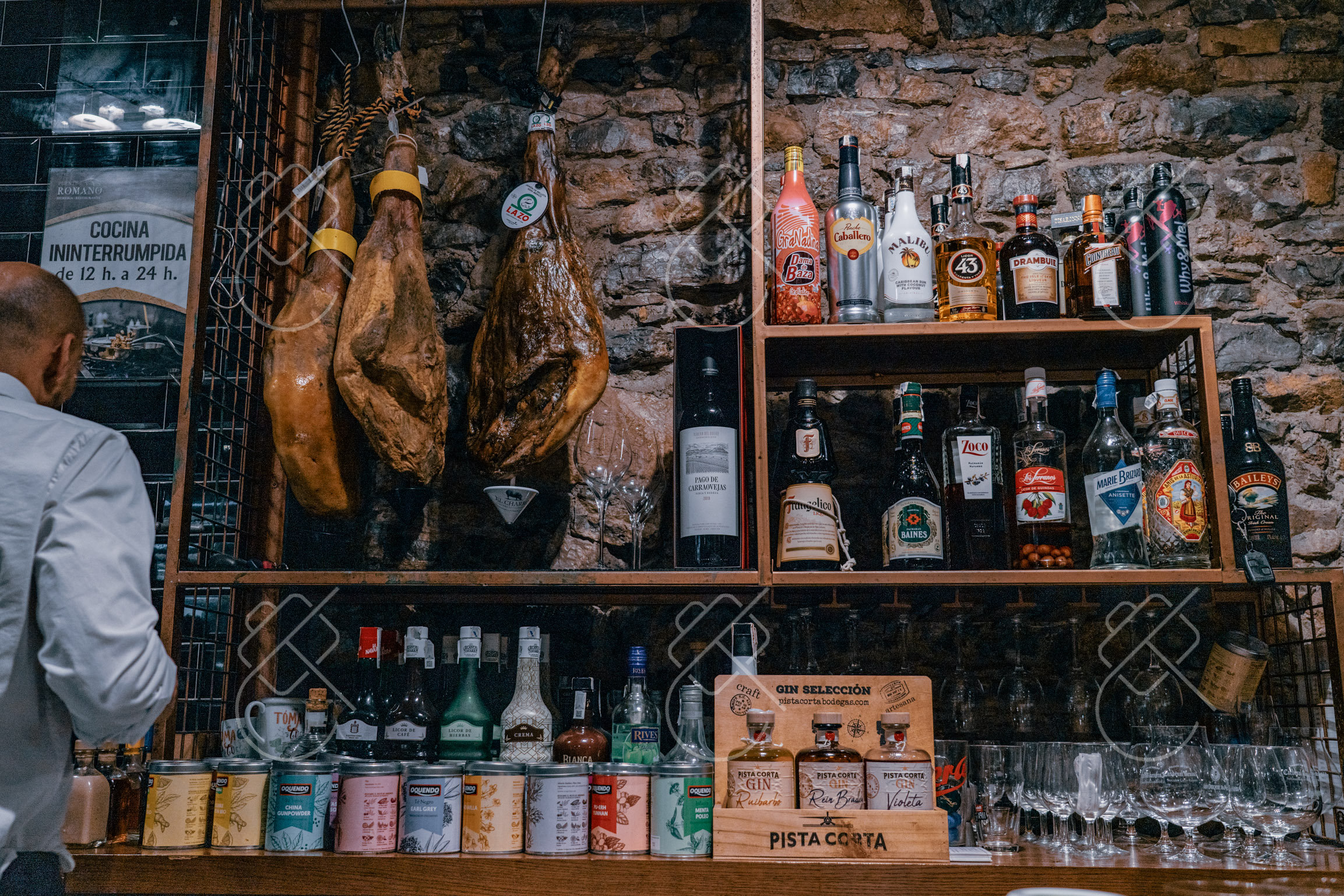
The best souvenirs from Spain are edible: saffron from La Mancha, smoked pimentón, tinned fish, turrón, a bottle of Rioja and, from Asturias, cider. They are what Spaniards buy themselves, they cost far less in a supermarket or market than in a gift shop, and most of them survive a suitcase. The crafts worth carrying are simpler than the souvenir strips suggest: rope-soled espadrilles and a hand fan. Below are 12 things to buy, how to tell the real saffron from the rest, where we found the best shopping on our 60 days in Spain (Madrid, the north coast, La Rioja and Andalusia), the tax-free refund that has effectively no minimum, and the one food you should not try to fly home to the US. Prices are tiers: $ is small change, $$ a considered purchase, $$$ a splurge.
This page contains affiliate links. If you book or buy through them we may earn a commission, at no extra cost to you.
If you only have room for three things, make them saffron, a tin of pimentón and a few tins of fish. They are light, sealed, and genuinely better than the versions sold abroad.
| Souvenir | Type | Price tier | Best place to buy |
|---|---|---|---|
| La Mancha saffron (PDO) | Food | $$ | Market spice stall, good grocer |
| Pimentón from La Vera | Food | $ | Supermarket, market |
| Extra virgin olive oil | Food | $ to $$ | Supermarket, specialist shop |
| Tinned fish (conservas) | Food | $ to $$ | Supermarket, conservas shop |
| Turrón | Sweet | $ | Supermarket, all year |
| Membrillo (quince paste) | Sweet | $ | Supermarket |
| Rioja wine | Drink | $ to $$$ | Wineries in La Rioja, wine shops |
| Asturian cider (sidra) | Drink | $ | Supermarkets and cider bars in Asturias |
| Vermut | Drink | $ | Supermarket |
| Manchego and other hard cheese | Food | $$ | Market cheese counter |
| Espadrilles (alpargatas) | Craft | $ to $$ | Specialist shoe shops |
| A hand fan (abanico) | Craft | $ to $$$ | Specialist fan shops |
• Saffron from La Mancha ($$). Spain's protected saffron is Azafrán de La Mancha PDO. A lot of saffron sold as Spanish was grown elsewhere and only packed in Spain: a Czech and Spanish chemical study found over half its test samples were fraudulent, while the PDO-labelled La Mancha samples checked out. Buy whole threads, never powder, read where it was grown, and look for the PDO seal.
• Pimentón ($). Smoked paprika from La Vera in Extremadura, sold in small square tins. Sweet (dulce), bittersweet (agridulce) and hot (picante) are different products, not strengths of one. A tin costs little in any supermarket.
• Extra virgin olive oil ($ to $$). Spaniards cook with it daily and buy it in big tins. For a suitcase, a 500 ml bottle or a 1 litre tin from a single estate is the better souvenir.
• Tinned fish ($ to $$). Conservas (bonito del norte in olive oil, sardines, mussels in escabeche) are packed to a standard most countries never see. They are sealed, light and cost far less in a supermarket than in the gift shops that sell them in gift boxes.
• Turrón ($). Almond nougat from Alicante province, hard (Alicante) or soft (Jijona). Supermarkets sell good brands all year, not only at Christmas.
• Membrillo ($). Firm quince paste, eaten with cheese. A block keeps for weeks.
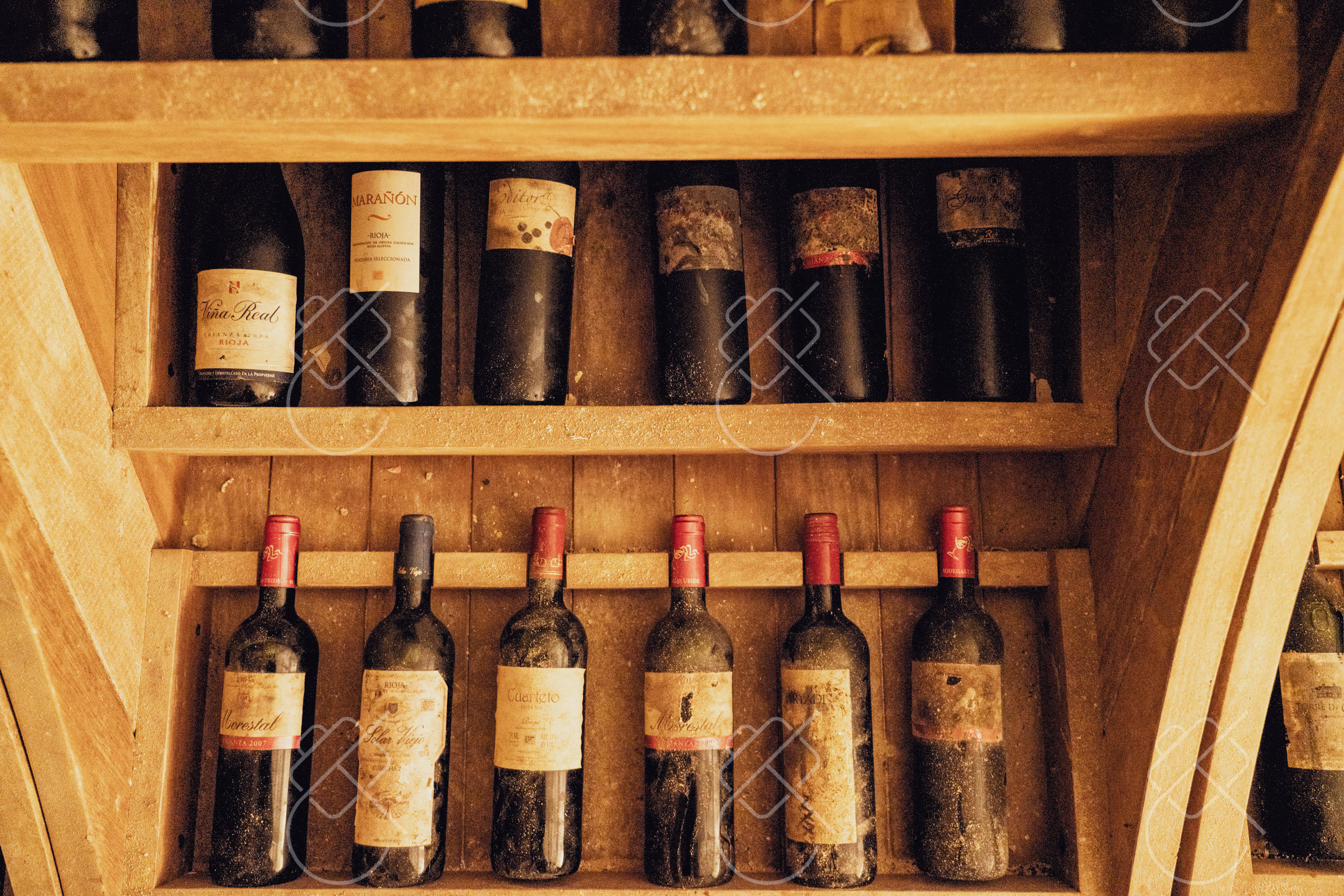
• Rioja wine ($ to $$$). We spent time in Logroño and the hill town of Laguardia, where wineries sell bottles at the cellar door. Any Spanish wine shop has the same names for less than you pay abroad.
• Asturian cider ($). Natural cider, poured from a height in Asturias's sidrerías. UNESCO added Asturian cider culture to its intangible heritage list in December 2024. Bottles cost very little in supermarkets in Oviedo and Gijón.
• Vermut ($). Spanish vermouth is having a revival, and supermarket brands are perfectly good.
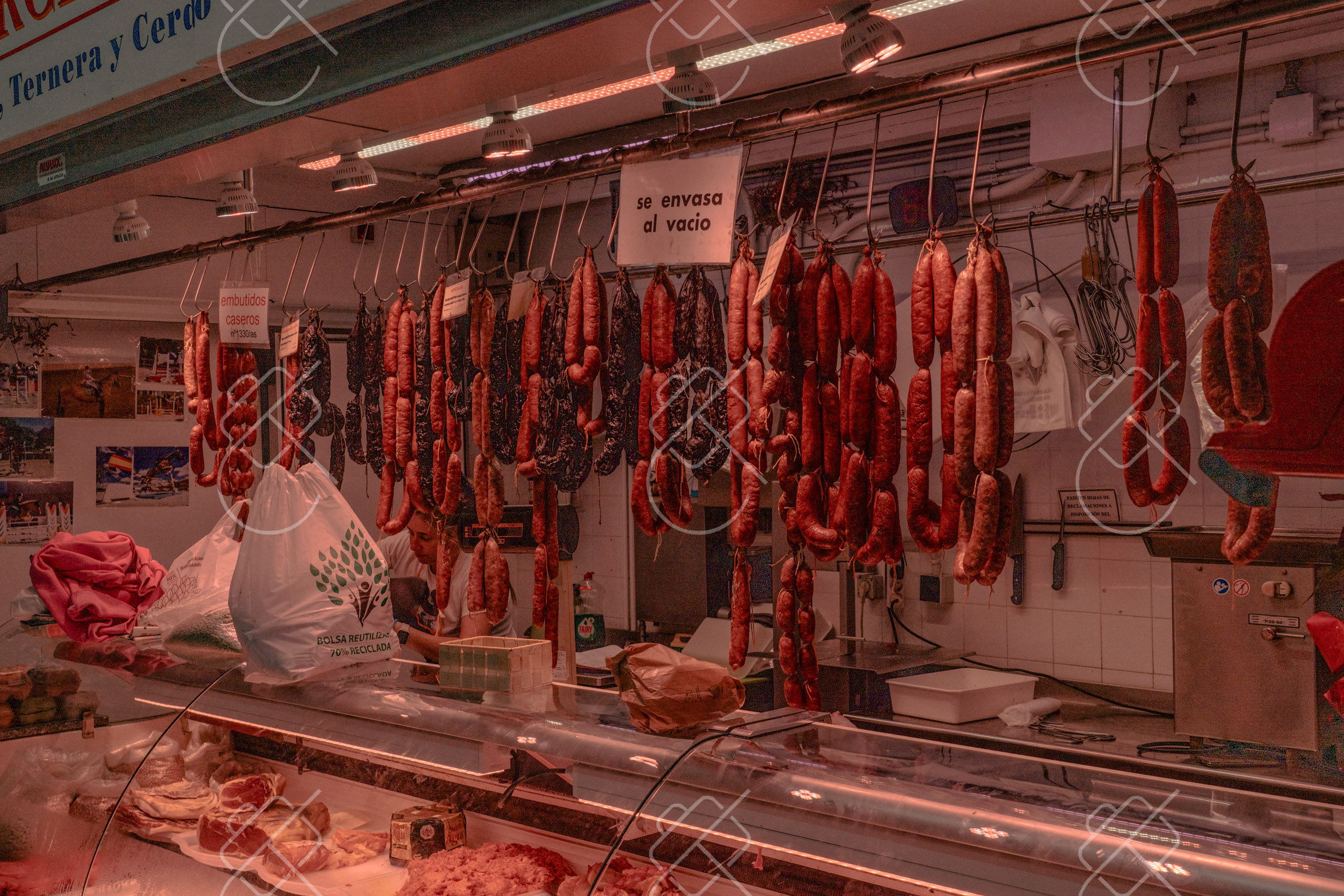
• Manchego and other hard cheese ($$). A wedge from a market cheese counter, vacuum-packed. Declare it when you land; see the customs section below.
• Espadrilles ($ to $$). Canvas shoes with soles of braided rope. Buy from a shop that makes or specialises in them rather than a souvenir stall, and check that the sole is real jute rope stitched to the upper, not a rubber sole with a rope-printed edge.
• A hand fan ($ to $$$). The abanico is still used every summer. Painted wooden or bone fans from a specialist shop cost real money; the cheap printed ones by the cathedral are made for tourists.
Skip the flamenco-dress fridge magnets and bull T-shirts: they are the same in every city and rarely made in Spain.
Practical travel tips, straight to your inbox. Unsubscribe anytime.
Saffron is the most faked spice in the world, and Spain is where much of the trade passes through. Four checks:
• Look for Azafrán de La Mancha and the PDO seal. "Spanish saffron" or "packed in Spain" on its own tells you nothing about where it was grown.
• Buy threads, not powder. Powder can be cut with turmeric, paprika or safflower and you cannot see it.
• Check the colour. Threads should be deep red. Many yellow or white strands (the flower's styles) mean you are paying for weight that adds no flavour.
• Be wary of cheap. Real saffron is expensive everywhere. A large box at a low price in a tourist shop is a warning, not a bargain.
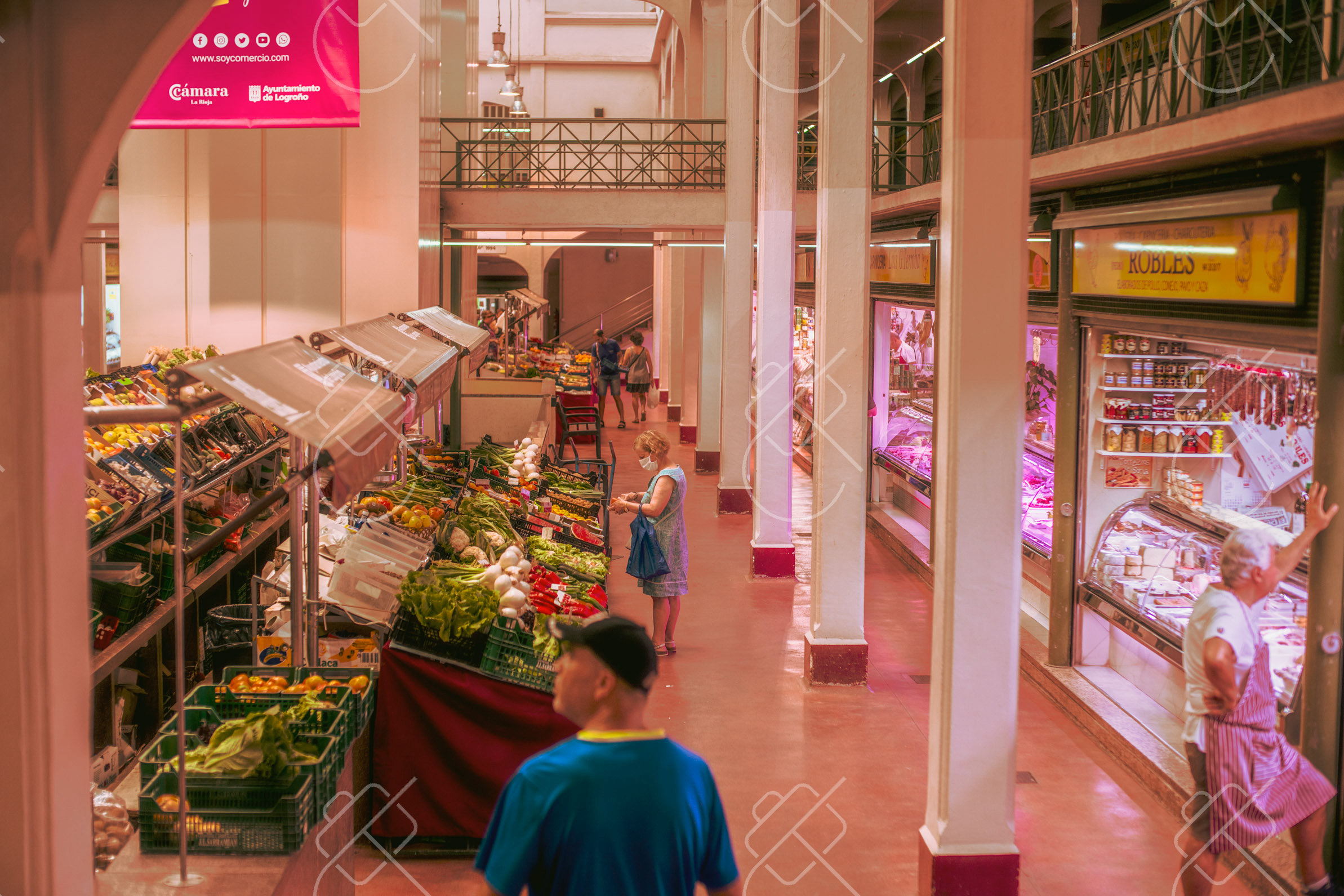
• Covered markets. Every Spanish city has a mercado with stalls for cheese, ham, spices and preserves. We shopped in the markets of Gijón and Logroño; go in the morning, as many stalls close by early afternoon.
• Supermarkets. Mercadona is the chain most Spaniards use, and it sells the same turrón, conservas, oil and pimentón as the gift shops at a fraction of the price. Most large supermarkets close on Sundays.
• Wineries and cider bars. In La Rioja, buy at the cellar door; in Asturias, cider bars and supermarkets sell bottles to take away.
• Specialist shops. For espadrilles, fans and good saffron, a shop that sells only that is a better bet than a general souvenir shop.
More on the supermarket shelf in what to buy at a grocery store in Spain, and on the food itself in what to eat in Madrid and our Spain food guide.
• Jamón, if you are flying to the US. US rules bar travellers from bringing Spanish cured meat in their luggage, even vacuum-packed. Eat it in Spain and buy it from a US importer at home. Other countries have their own meat rules, so check before you pack chorizo too.
• Powdered saffron and unlabelled "Spanish" saffron. See above.
• Gift-boxed conservas and oil in tourist shops. The same tins sit on the supermarket shelf for much less.
• Airport shopping. Wine, oil and turrón are almost always cheaper in town.
Visitors who live outside the EU can claim back VAT on goods bought in Spain, and the minimum spend is effectively zero (EUR 0.01, per the refund operator Planet). Spain's standard VAT is 21%. Ask the shop for a tax-free form, keep the goods unused, and validate the form when you leave the EU: at a DIVA kiosk at a Spanish airport if Spain is your last EU stop, or with customs at your actual exit point if you connect through another EU country.
The refund is a share of the VAT minus the operator's fee, so it is worth the trouble on leather, clothing or a good fan rather than a tin of pimentón. Step by step in our EU VAT refund guide.
• US: returning residents can include one litre of alcohol in their $800 duty-free personal exemption if they are 21 or over; more is allowed but pays duty. No cured meat (above). Declare all food, including cheese.
• Wine, oil and cider in your luggage: pack them in checked bags. Carry-on liquid limits still apply at most airports, and anything bought after security has to survive any connection with its own security check.
• Australia and New Zealand: declare food and anything made of wood or plant fibre. Declared items that are allowed in are released after inspection.
More planning in things to know before visiting Spain, cash or card in Spain and our Spain guide. For other countries, see our souvenirs by country guide.
Food: saffron, smoked pimentón, olive oil, tinned fish and turrón. They are cheaper and better in a Spanish supermarket or market than anywhere else, and they travel well.
Look for Azafrán de La Mancha with the PDO seal, buy whole deep-red threads rather than powder, and avoid large cheap boxes. Much saffron sold as Spanish was grown elsewhere and only packed in Spain.
No. US rules bar travellers from bringing Spanish cured meat in their luggage, even vacuum-packed. Buy it from a US importer instead.
Effectively no: Planet lists EUR 0.01. Non-EU residents ask for a tax-free form and validate it at a DIVA kiosk or with customs when they leave the EU.
One litre goes into the $800 duty-free personal exemption if you are 21 or over. You can bring more, but the excess pays duty and must be allowed by the state where you arrive.
Practical travel tips, straight to your inbox. Unsubscribe anytime.
Find a Spain hotel within walking distance of the sights on Trip.com.