 Money & payments
By Clever Tourists · Published
Pay by card or phone in most of Spain, and carry a little cash for markets, small bars, tips and the occasional rural stop. Spanish guides we read describe contactless as accepted at most cafes, shops, taxis and restaurants, with cash mostly for markets, small family-run bars and tips. The expensive mistakes are at ATMs and terminals that offer to convert to your home currency, or standalone machines with high flat fees. We were in Spain from June to August 2022, from Madrid through the north coast and Andalusia to Tarifa, which covers big cities, small towns and coastal villages.
Free toolConvert to your own currency at live rates →Live mid-market rates for all 17 currencies we used, so you can see what a price actually costs.• Hotels, restaurants, supermarkets, shops, petrol stations and train stations: Visa and Mastercard are standard; Amex is less common at small places.
• Bars and cafes in cities: contactless is normal. Ask first at very small bars.
• Taxis and ride apps: most accept cards; confirm before the ride.
• Phone payments: Apple Pay and Google Pay work on contactless terminals.
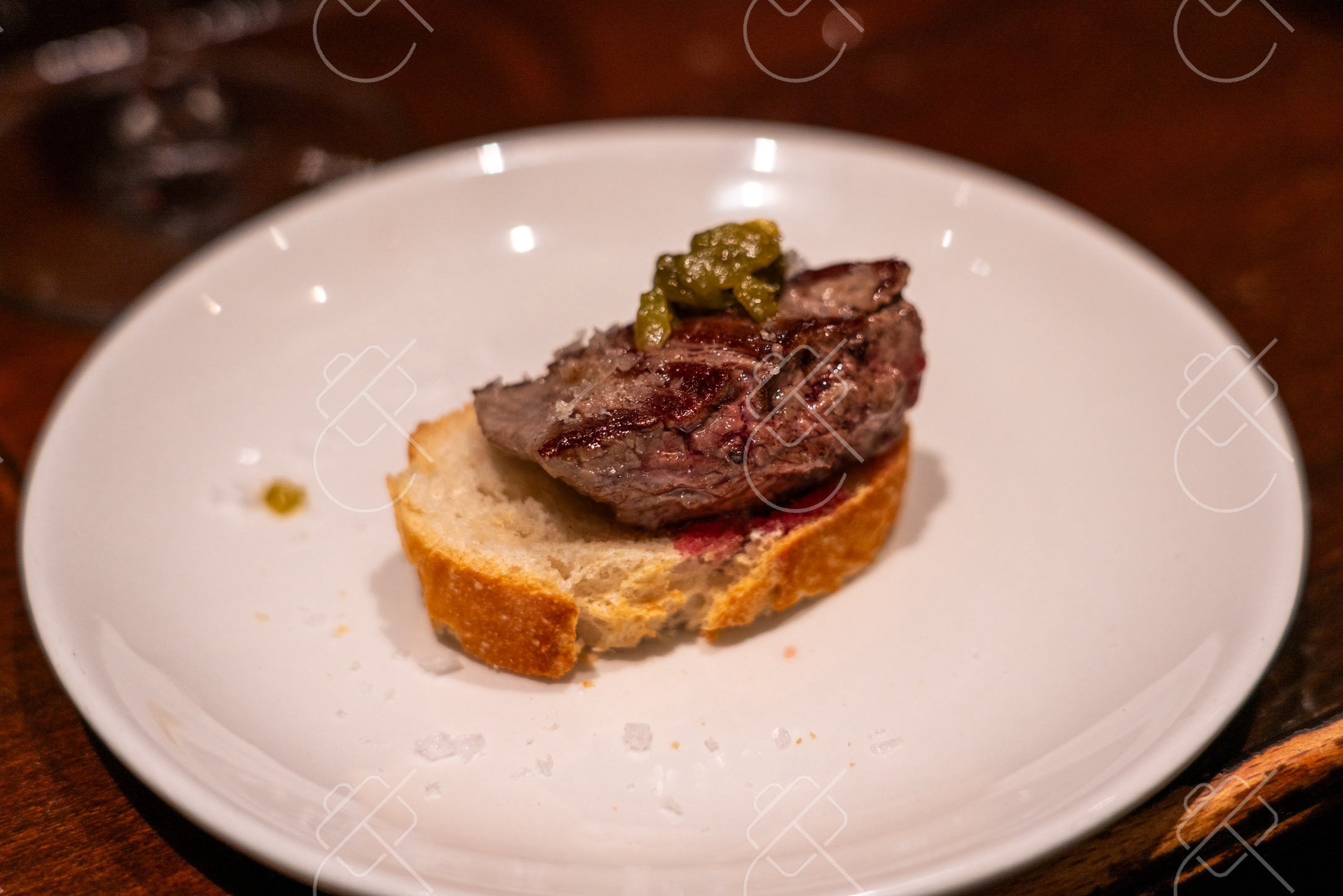
• Markets and food stalls, including small-town markets in Andalusia and the north.
• Small bars in villages, where a coffee and a tostada may be cash only.
• Tips: it is common to round up or leave coins; see our Spain tipping guide.
• Beach chiringuitos, car parks and public toilets.
• Rural areas and small campsites: the Picos de Europa and the Sierra Nevada have fewer card terminals.
Use ATMs attached to banks. One Spanish guide warns that machines branded Euronet or Cashzone, and kiosks in souvenir shops or airports, charge large flat fees and poor conversion rates; we could not verify their fees, so look at the fee shown on screen before you confirm. If the machine or a card terminal asks whether to charge in euros or your home currency, choose euros. Sources put the markup on the merchant's conversion at roughly 5 to 15 percent worse than your bank's rate, though the exact figure varies.
Your own bank may add a foreign transaction fee, often around 1 percent or more, so check your card terms before you travel.
For a trip of one to two weeks, 50 to 100 euros in small notes and coins is usually enough for markets, tips and small bars, with cards for the rest. Larger withdrawals mean fewer flat ATM fees, but do not carry large sums. Our Spain 60-day route shows the places where small-town cash mattered most: rural north-coast stops and small Andalusian towns.
Carry two cards on different networks and keep one in the hotel safe. Notify your bank before travel. Keep receipts in case a hotel deposit is held. For data, see Spain eSIM for tourists. If you want to save on drinks, our tap water guide explains what you can drink from the tap.
Read cash or card for international travel, Spain things to know, and the Spain grocery guide for everyday costs.
A typical day in Madrid or Seville might be a hotel by card, a morning coffee and tostada at a bar by contactless or coins, a museum ticket by card, tapas at a village bar in cash and a late dinner by card. On the north coast and in Andalusia's smaller towns, cash helps more often than in the capital, and market stalls and beach bars expect coins.
If you are travelling by car, remember that motorway tolls, car parks and fuel stations differ in how they take cards. Check the sign before you enter.
Save your bank's overseas number before you travel, carry a second card on another network, and keep a cash reserve separate from your wallet. Use ATMs attached to banks, cover the keypad and avoid helpers. If an ATM keeps your card, go to the branch with your passport during opening hours, and keep receipts for hotel deposits until released.
In Spanish bars you often pay at the end rather than per round, and the waiter remembers or notes what you had; say la cuenta, por favor when you are ready. In busy tapas bars it may be quicker to pay in coins at the counter. Many restaurants bring a handheld terminal to the table, so you can pay without losing sight of your card.
Menu prices include tax. Tipping is optional and small; see our Spain tipping guide for what locals do. In very small village bars, ask whether they take cards before you order, because a sign on the door is not always there, and keep a few coins for the next round. On Andalusian terraces and beach bars in August, queues at the till are long, so paying in exact cash is quicker.
Not entirely. Cards and contactless work in most places, but cash is still useful for markets, small bars and tips.
Yes, at bank ATMs. Avoid standalone machines such as Euronet or those in souvenir shops, which may charge high fees.
Pay in euros. Choosing your home currency lets the merchant or ATM set the rate, which usually costs more.
About 50 to 100 euros in small notes and coins covers markets, tips and small bars on a short trip.
Tipping is modest and usually in coins or by rounding up. See our Spain tipping guide.
Get our new Spain guides and practical tips by email: where to stay, what to eat, what things cost and the rules that catch travelers out.
Free. No spam, only new guides and tips.
Search verified local fleets with low security deposits and exact model delivery on Localrent.
Get the best deals on hotels in Spain with Booking.com.