Home
About us
Destinations & Country Guides
Travel Guides
Recipes
Featured
Photos As Art
Abstract Prints
Locations
Travel Gear
Travel Resources
Favorites
Photo Framer
Explore Photos
Contact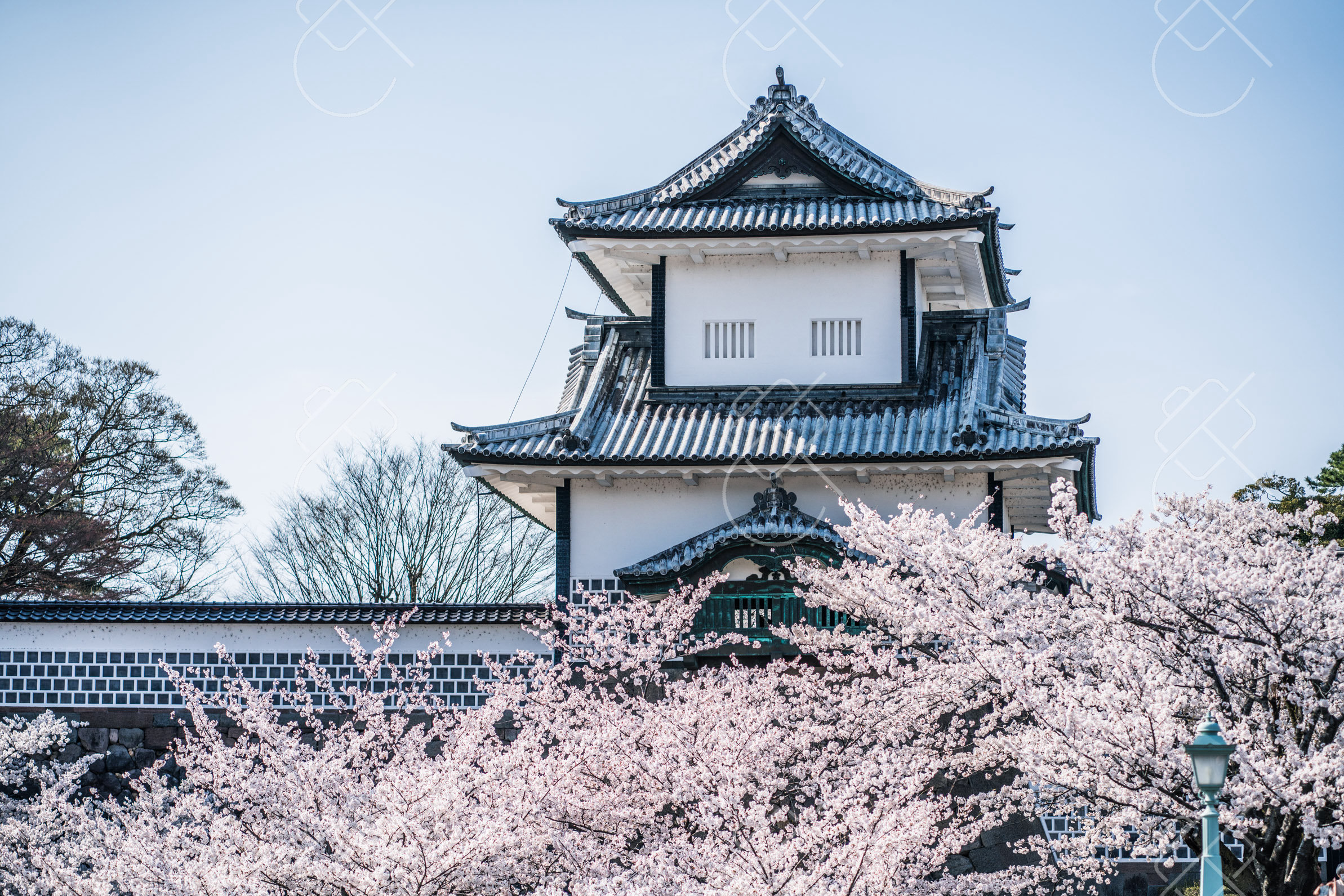 Destinations & Itineraries
By Clever Tourists · Published
Two days for the city, three if you add Shirakawa-go. We spent 4 days in Kanazawa, from 29 March to 2 April 2023, between Takayama and Kyoto, and one of them was a day trip to Shirakawa-go. Kanazawa's main sights, Kenroku-en, the castle park, the Higashi Chaya teahouse district, the Nagamachi samurai lanes and Omicho Market, all sit within about 2 km of each other, so two full days covers them on foot. A fourth day is for museums, gold-leaf workshops and slow mornings, which is how we used ours.
• 1 day: Kenroku-en at opening, the castle park, Omicho for lunch and Higashi Chaya in the late afternoon. Rushed, and you skip Nagamachi.
• 2 days: the right amount for the city. One day on the garden and castle side, one on the teahouse and samurai side.
• 3 days: add Shirakawa-go as a day trip, or stop there on the bus to or from Takayama.
• 4 days: what we had. Add the 21st Century Museum, the D.T. Suzuki Museum or a gold-leaf workshop, and give the garden a second, quieter visit.
Our own 33-day route is honest about this: with hindsight, two full days plus Shirakawa-go would have done it.
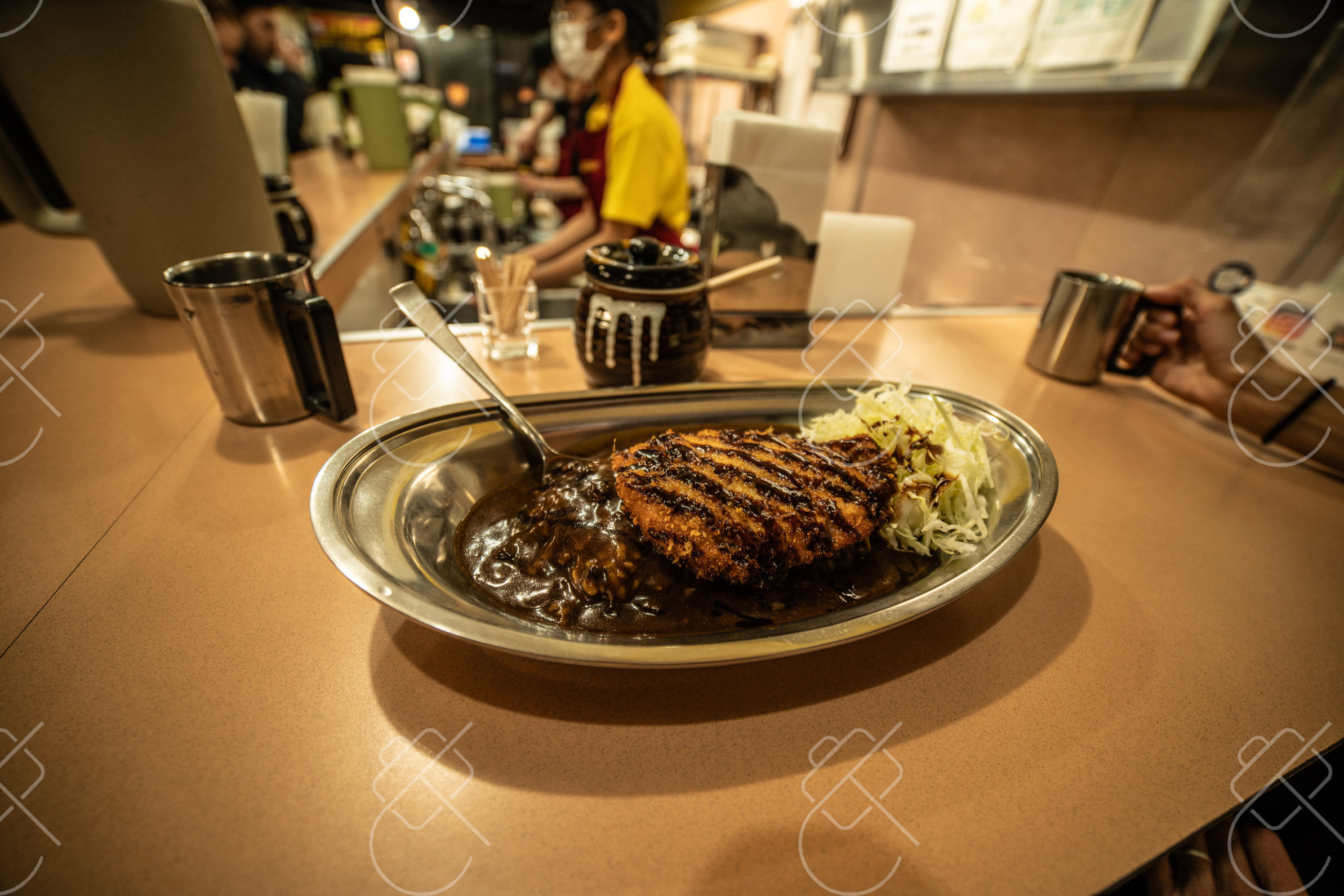
Day 1, Kenroku-en, the castle and Omicho. Kenroku-en opens early: from 1 March to 15 October the gates open at 7am (8am the rest of the year), and some mornings a free entry window before that lets you in through the Renchi-mon and Zuishinzaka gates. Admission is ¥320 (≈ $2.0) for adults. Cross straight into Kanazawa Castle Park for the Ishikawa-mon gate and the Gyokusen-inmaru garden, then walk to Omicho Market for a kaisendon seafood bowl before the lunch queues peak.
Day 2, Higashi Chaya, Kazuemachi and Nagamachi. Go to Higashi Chaya first thing, before the shops open and the lane fills; this is the preserved geisha district with dark wooden lattice fronts, and several teahouses serve matcha with gold-leaf sweets. Walk along the Asano River to the smaller Kazuemachi district, then cross town to Nagamachi in the afternoon, where earth walls and narrow canals mark the old samurai quarter. Finish in Katamachi or Korinbo for dinner.
Day 3, Shirakawa-go. The Nohi Bus / Hokutetsu highway bus takes about 75 minutes from Kanazawa Station to the thatched village of Ogimachi, ¥2,800 (≈ $17.7) each way, and most departures need a reservation. Two to three hours is enough to walk the village and climb to the Shiroyama viewpoint. Shirakawa-go was a day trip from our Kanazawa base; the Kanazawa to Takayama bus guide explains how to turn it into a stop on the way to Takayama instead. Our day trips from Kanazawa compares the other options.
We reached Kanazawa from Takayama (3 days) and went on to Kyoto. That puts Kanazawa at the end of an arc through the Japan Alps: Hakone, Matsumoto, Takayama, then out to the Sea of Japan coast. Our 10-day Japan itinerary compresses the same idea, with Shirakawa-go and Kanazawa on the way from Takayama to Kyoto.
From Tokyo, the fastest Kagayaki trains on the Hokuriku Shinkansen take about 2 hours 30 minutes, all seats reserved. Toward Kyoto, the line now ends at Tsuruga, where you change to the Thunderbird; the whole trip takes about 2 hours. Either way, Kanazawa is easy to add to a Tokyo and Kyoto trip without backtracking.
Base yourself near Kanazawa Station for trains and the Shirakawa-go bus, or around Korinbo and Katamachi to walk to the garden and the evening restaurants; our where to stay in Kanazawa compares them.
Kanazawa rewards a slower pace more than most Japanese cities of its size, because its pleasures are quiet ones: a garden in the early morning, a teahouse with matcha, a canal lane in the samurai quarter. That is why we were happy with 4 days, even though 2 covers the list.
• A second visit to Kenroku-en. The garden changes with the hour, and the free early-entry window lets you walk it again before breakfast.
• Gold leaf. Kanazawa produces almost all of Japan's gold leaf, and workshops around Higashi Chaya run short sessions where you decorate a small object.
• Museums. The 21st Century Museum of Contemporary Art and the D.T. Suzuki Museum are both near the garden; check their closing days before you plan.
• A meal at Omicho twice. Once for a kaisendon at lunch, once in the morning when the stalls are setting out crab and sweet shrimp.
If you are short of time, cut the museums, not the early garden visit.
Early April brings cherry blossom to Kenroku-en and the castle; the blossom usually peaks in the first half of April, so our dates, ending on 2 April, fell at the start of the season. November brings maples and, from early in the month, the yukitsuri ropes tied over the garden's pines. In winter Omicho has peak crab season and the gardens can be under snow. Check our cherry blossom forecast guide for the dates by city.
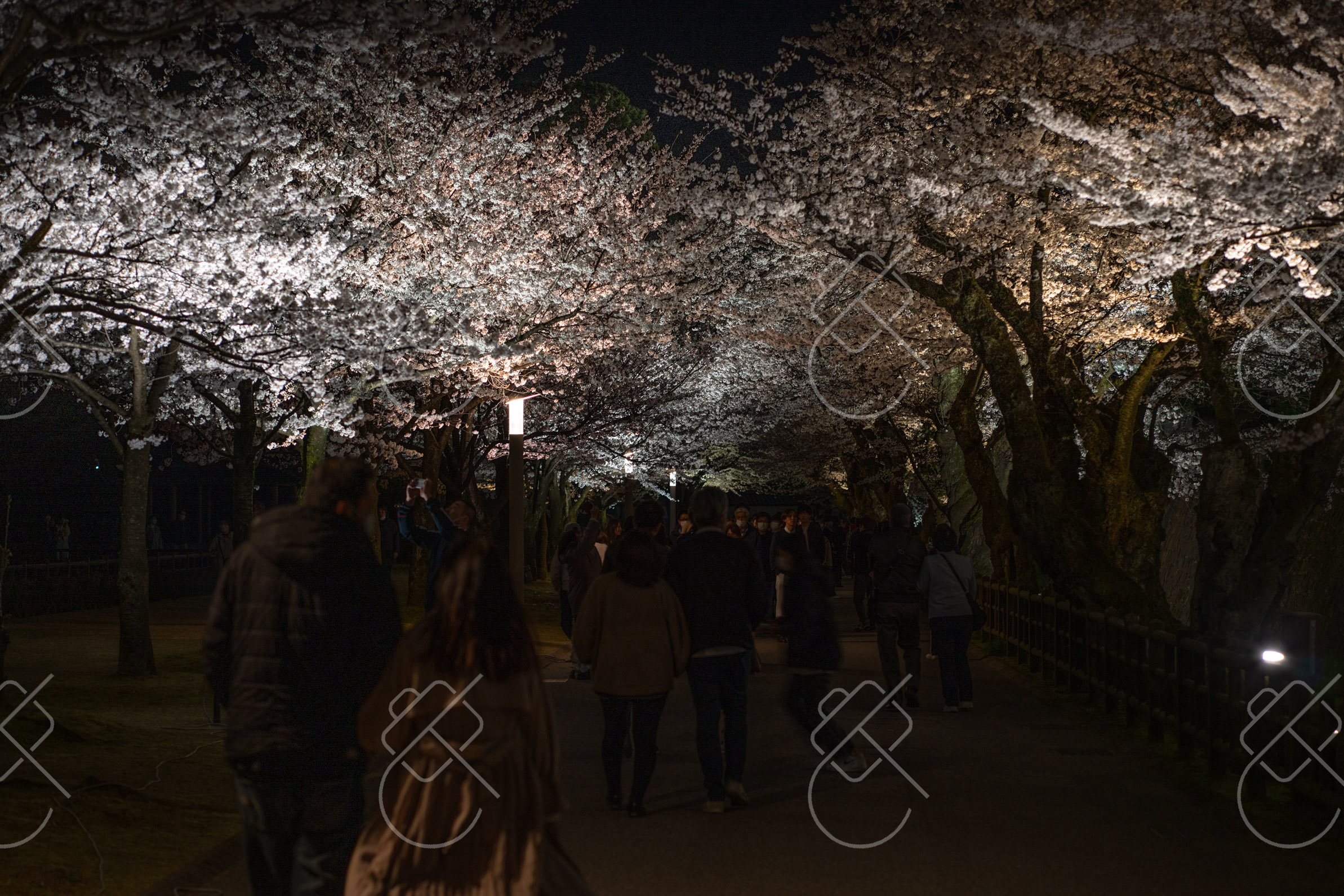
Kenroku-en also opens for free on some evenings when it is lit up, including several dates in November; confirm them on the prefecture's garden site before you plan around one.
• Visiting Higashi Chaya at midday. It is a short street and fills quickly; the early morning and late afternoon are when it looks like the photographs.
• Saving Omicho for dinner. It is a morning and lunchtime market, and many stalls close by late afternoon.
• Not booking the Shirakawa-go bus. Most departures are reservation-only and autumn weekends sell out.
• Skipping Nagamachi. It is the quietest of the historic districts and the easiest to cut, but it is also the one that most rewards a slow walk. Check temple and garden dress expectations in our temple dress code guide.
Yes, for the city. Kenroku-en, the castle park and Omicho Market fill one day, and Higashi Chaya, Kazuemachi and Nagamachi fill the other. Add a third day for Shirakawa-go.
It is about 2 hours each way via Tsuruga, which leaves time for Kenroku-en and Higashi Chaya but little else. An overnight stay is far better; we spent 4 days there.
Yes. The highway bus takes about 75 minutes and costs ¥2,800 (≈ $17.7) each way, and most departures need a reservation. We did it as a day trip from Kanazawa.
¥320 (≈ $2.0) for adults. It opens at 7am from 1 March to 15 October and at 8am the rest of the year.
Get our new Japan guides and practical tips by email: where to stay, what to eat, what things cost and the rules that catch travelers out.
Free. No spam, only new guides and tips.
Get the best deals on a hotel in Japan before you book elsewhere — Booking.com.