Home
About us
Destinations & Country Guides
Travel Guides
Recipes
Featured
Photos As Art
Abstract Prints
Locations
Travel Gear
Travel Resources
Favorites
Photo Framer
Explore Photos
Contact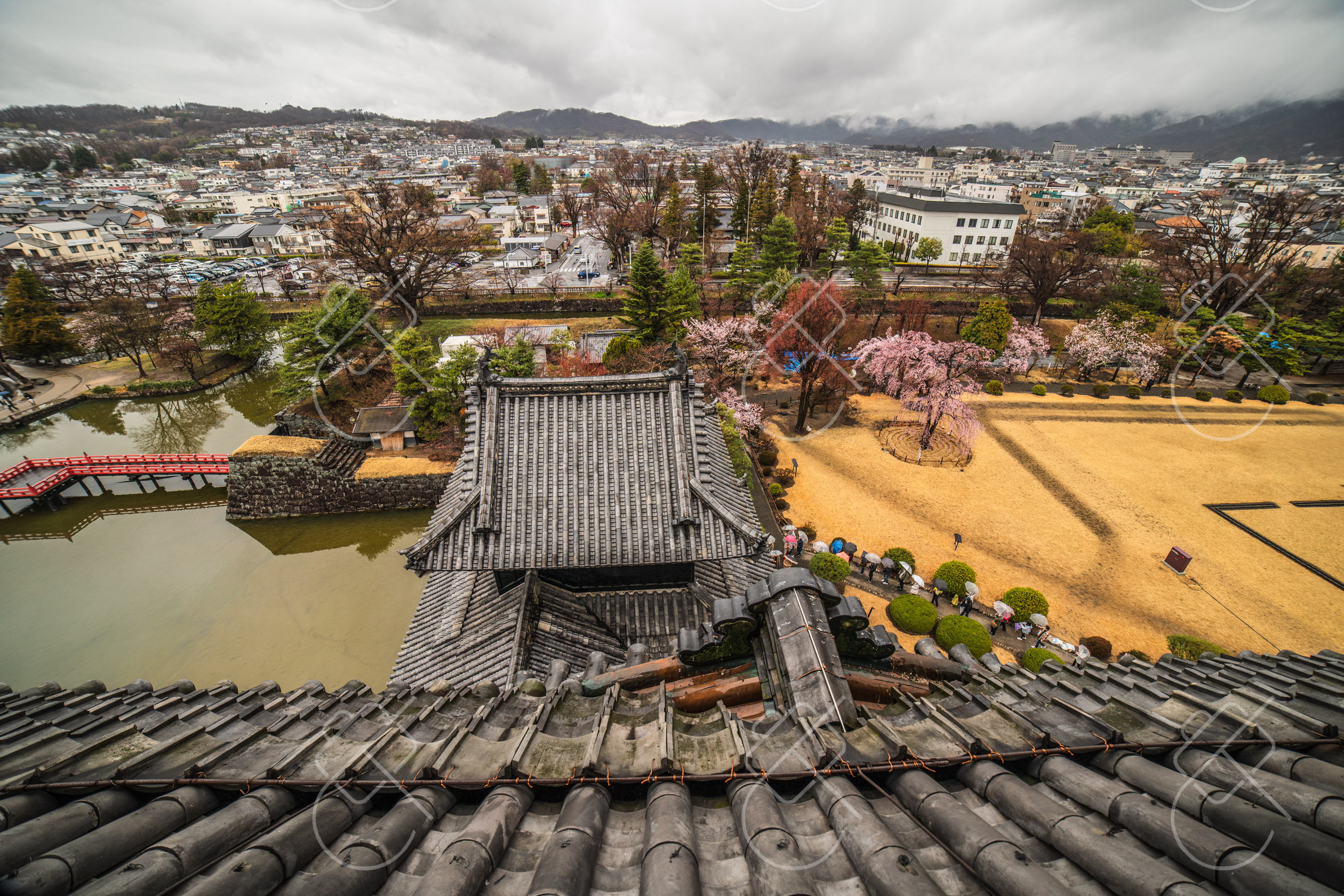 Destinations & Itineraries
By Clever Tourists · Published
One night for the town, two if you add Kamikochi. We spent 2 days in Matsumoto, from 24 to 26 March 2023, between Hakone and Takayama. The castle, one of only twelve original keeps left in Japan, takes two to three hours, and the old Nakamachi and Nawate-dori streets another afternoon, so the town itself fits in one full day. The second day is for the mountains: Kamikochi, the alpine valley an hour and a half away, open from mid-April to mid-November. In March, as we were, the valley is still closed, and the second day goes on museums and the slow side of town instead.
• Day trip from Tokyo: possible, with the JR Limited Express Azusa taking about 2.5 to 3 hours from Shinjuku each way. Long for one castle.
• 1 night: castle at opening, Nakamachi and Frog Street in the afternoon, onward the next morning. Enough for most routes.
• 2 nights: what we had. Add Kamikochi in season, or the Matsumoto City Museum of Art and the Japan Ukiyo-e Museum.
• 3 or more: only if you are hiking in the Northern Alps, with Matsumoto as the last town before the trailheads.
Our Matsumoto guide argues the town is better than its day-trip reputation, and our 33-day route lists it among the stops we would keep.
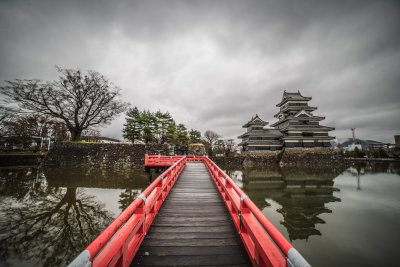
Day 1, Matsumoto Castle and the old town. The castle opens at 8:30am (last entry 4:30pm). Admission is ¥1,200 (≈ $7.6) with a timed e-ticket or ¥1,300 (≈ $8.2) at the gate. Go up the keep first: the wooden stairs are steep and single-file, pitched near 60 degrees in places, and by mid-morning the queue moves a floor at a time. Look for the red-railed Tsukimi Yagura, the moon-viewing turret, and the reflection of the black keep from the red bridge over the moat.
In the afternoon, walk south to Nawate-dori, Frog Street, a riverside row of about fifty small shops along the Metoba River, then one street over to Nakamachi, where white-walled kura storehouses with black lattice now hold craft shops and coffee. For dinner, Matsumoto's specialties are basashi, raw horse sashimi, and sanzoku-yaki fried chicken.
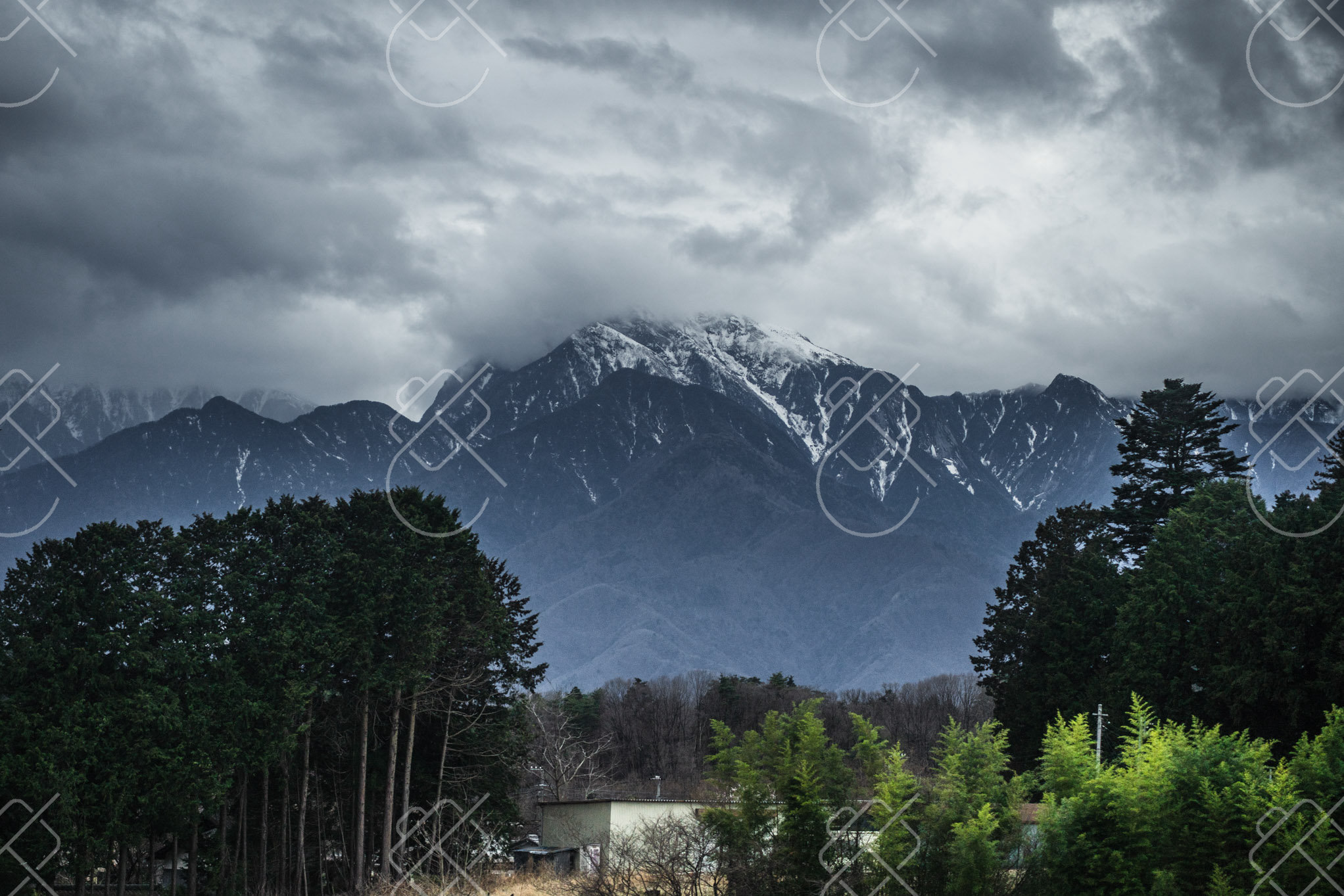
Day 2, Kamikochi or the museums. In season, ride the Alpico Kamikochi Line to Shin-Shimashima (about 30 minutes) and the bus up the valley (about 60 minutes); private cars are banned, and all bus seats now need advance reservation. Walk the flat riverside trail from the bus terminal past Kappa-bashi bridge toward Myojin, under the Hotaka peaks. Out of season, visit Yayoi Kusama's work at the Matsumoto City Museum of Art (she was born here in 1929) and the Japan Ukiyo-e Museum.
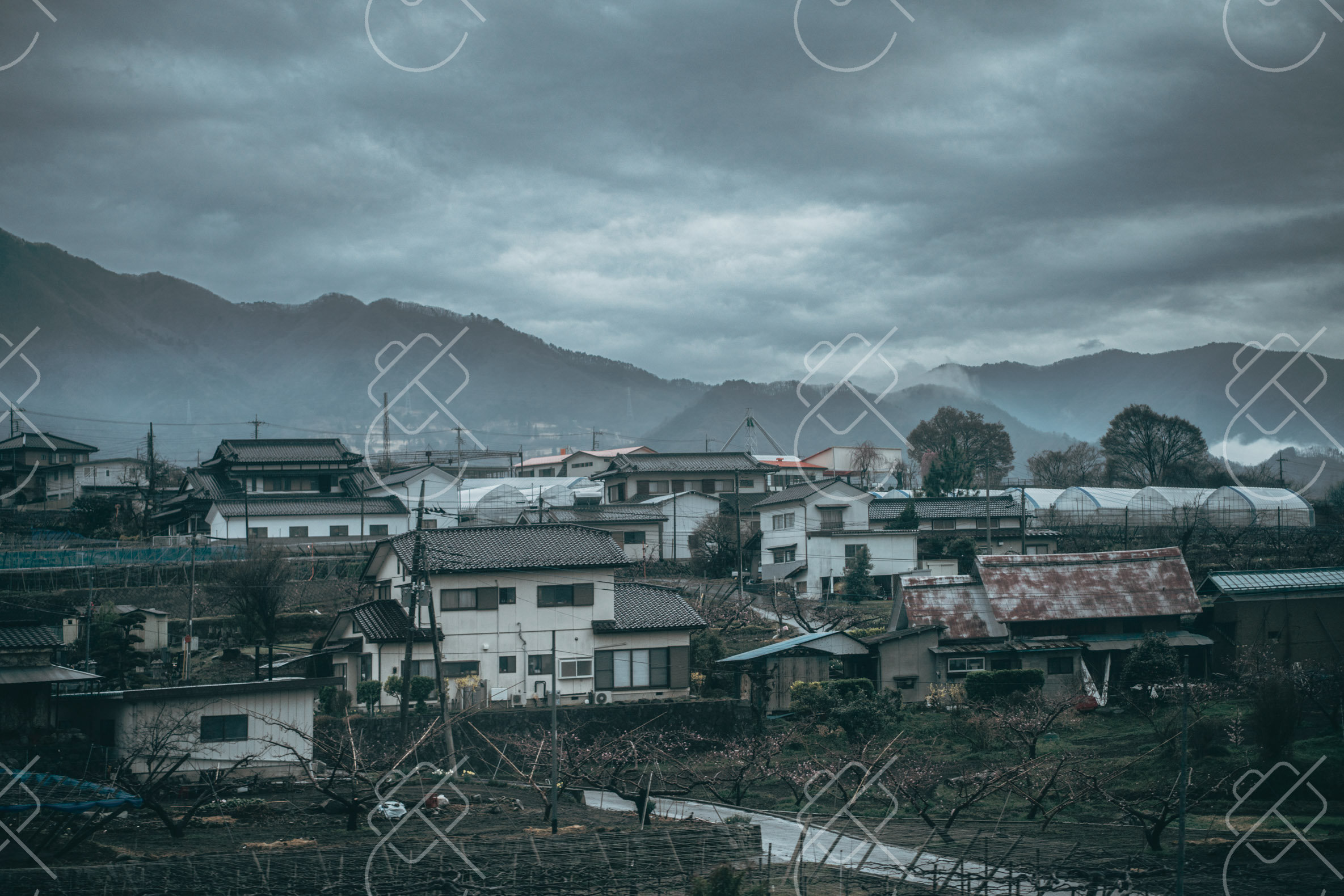
Matsumoto is the gateway to the Japan Alps from Tokyo. On our route it came after Hakone (2 days); there is no direct link between the two, so the usual way is back toward Shinjuku and the Azusa, which takes most of a day. After Matsumoto came Takayama (3 days), on the Alpico / Nohi highway bus over the mountains, about 2 hours 20 minutes to 2.5 hours for ¥4,400 (≈ $28), reservation required. The train alternative goes the long way round via Nagoya.
Our 10-day Japan itinerary uses Takayama as its single Alps stop; with 12 days or more, adding one night in Matsumoto before it costs little. Forward large bags ahead with luggage forwarding, because the Takayama bus has limited hold space.
Stay between the station and the castle, near Nakamachi, which keeps the old town, the river and the Kamikochi train within a short walk.
Matsumoto Castle is a hirajiro, a castle on flat ground, so there is no hill to climb to reach it: it is about a 15 to 20 minute walk from the station through Nakamachi. The visit itself is the keep, six floors of original wooden interiors from 1593 and 1594, with steep ladder-like stairs between them.
Allow about 1.5 hours for the keep and the grounds, more if the queue is long. The top floor's slit windows frame the Alps on a clear day. Shoes come off at the entrance and you carry them in a bag, so wear something easy to slip on and off.
• E-tickets: timed entry, ¥1,200 (≈ $7.6), bought online for a set slot.
• Paper tickets: ¥1,300 (≈ $8.2) at the gate on the day.
• Last entry: 30 minutes before closing, so 4:30pm on a normal day.
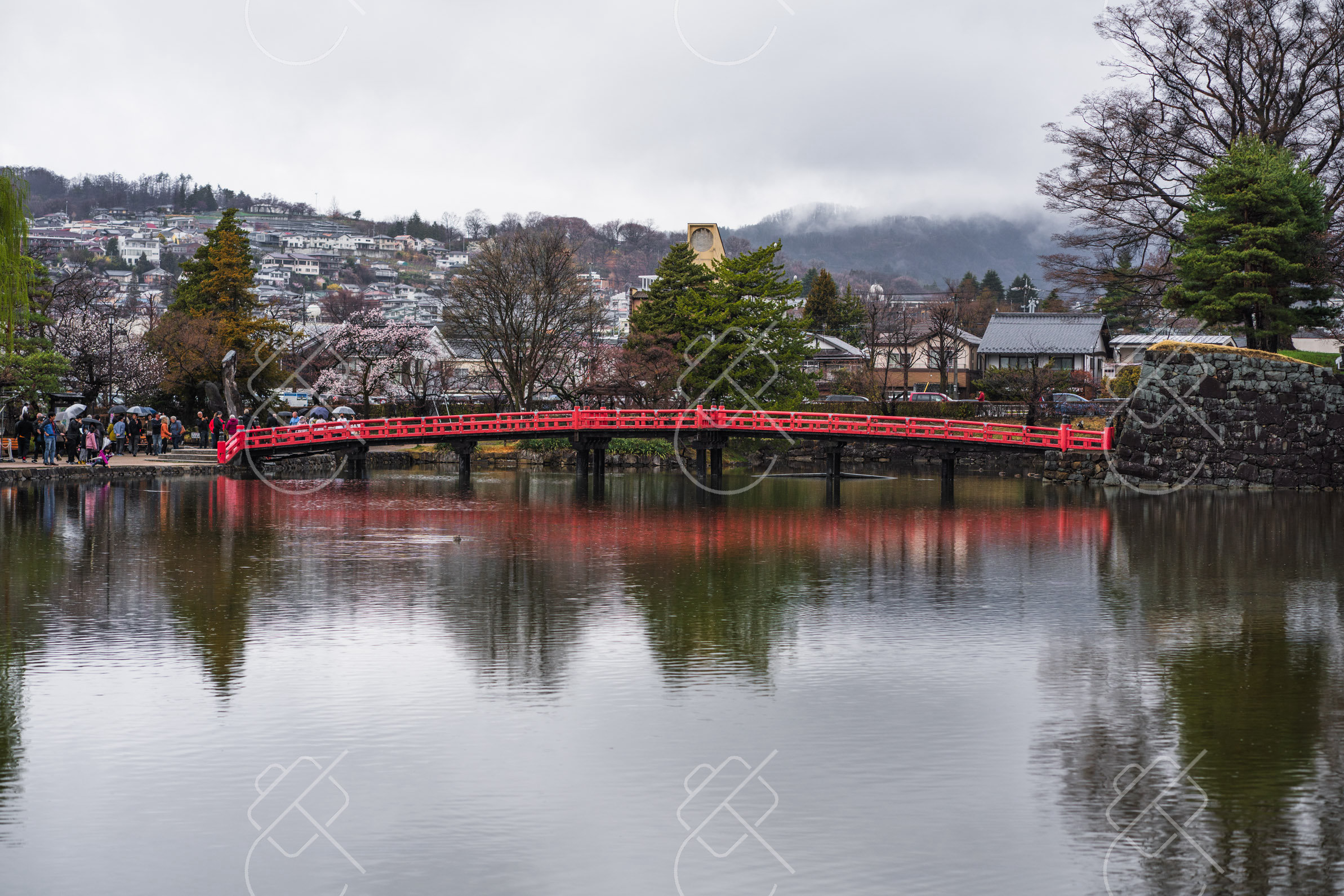
After the keep, walk the moat to the red Uzumi bridge and the outer garden for the classic view of the black keep reflected in the water.
Early to mid-April brings cherry blossom to the castle grounds, a week or two behind Tokyo, with snow still on the Alps behind the keep. We were there in late March and caught the first blossom with very few people. Kamikochi's 2026 season runs from 17 April to 15 November; from late September into October the valley turns gold, and the buses are busiest.
The castle opens longer hours around Golden Week and Obon (8am to 6pm), and winter is cold and quiet, with the Alps clearest on dry mornings.
• Getting to the castle at 11am. The internal stairs are the bottleneck; arrive at 8:30.
• Planning Kamikochi outside the season. The road is closed from mid-November to mid-April.
• Turning up for the Kamikochi bus without a reservation. Bus seats need booking in advance; reservations open a month ahead.
• Booking the Takayama bus on the day. It is reservation-only and fills in autumn.
Yes, for the castle, Nawate-dori and Nakamachi. Stay a second day for Kamikochi between mid-April and mid-November, or for the art museums. We spent 2 days.
¥1,200 (≈ $7.6) for adults with a timed e-ticket or ¥1,300 (≈ $8.2) at the gate. It opens at 8:30am with last entry at 4:30pm.
Yes, in season. Take the train to Shin-Shimashima (about 30 minutes) and the bus up the valley (about 60 minutes). Private cars are not allowed and bus seats need advance reservation.
It is about 2.5 to 3 hours each way on the Azusa from Shinjuku, which makes a long day for one castle. An overnight on the way to Takayama is a better use of the trip.
Get our new Japan guides and practical tips by email: where to stay, what to eat, what things cost and the rules that catch travelers out.
Free. No spam, only new guides and tips.
Compare Japan hotels and get the best deals on Booking.com.