Home
About us
Destinations & Country Guides
Travel Guides
Recipes
Featured
Photos As Art
Abstract Prints
Locations
Travel Gear
Travel Resources
Favorites
Photo Framer
Explore Photos
Contact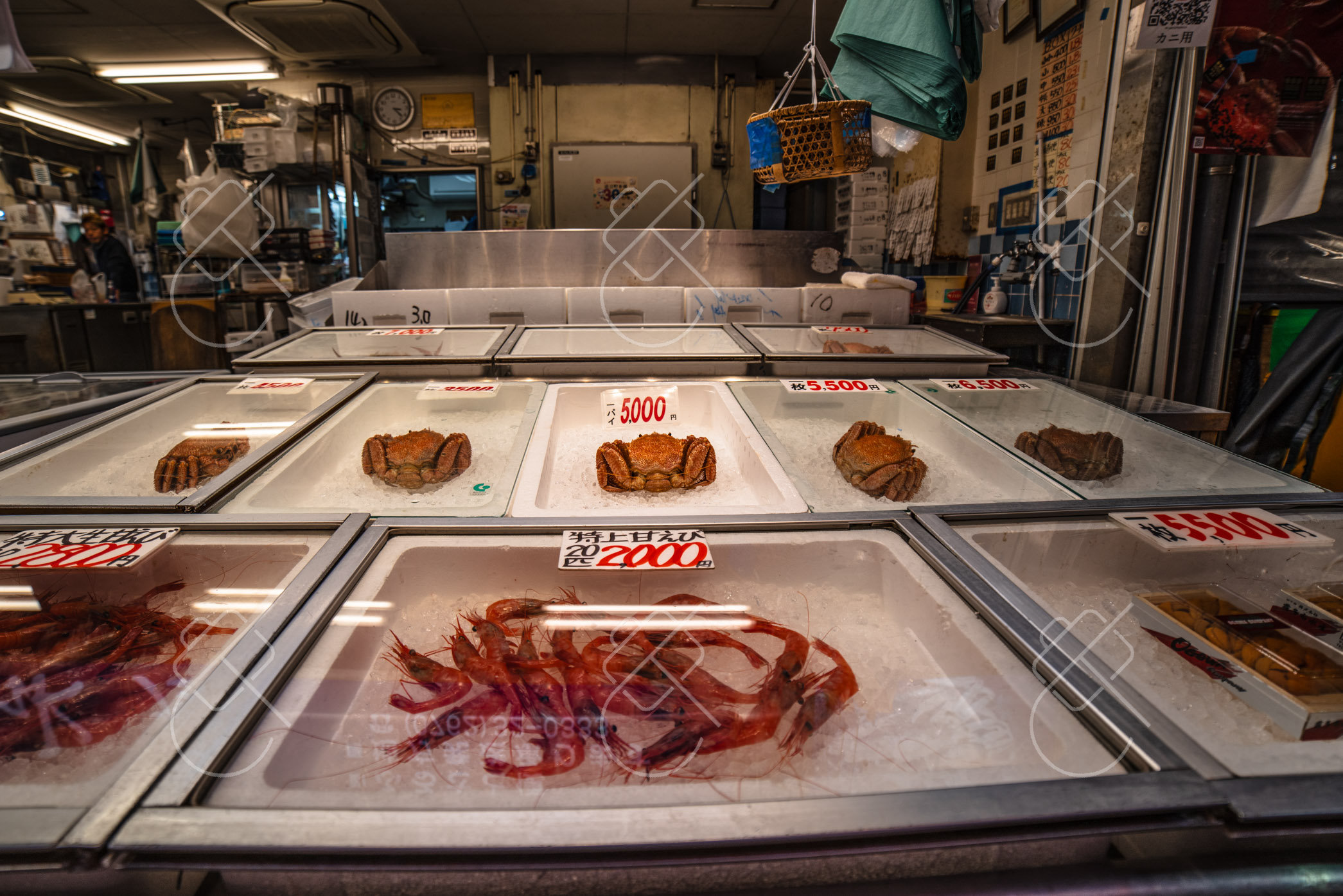 Food & culture
By Clever Tourists · Published
Sea of Japan seafood, jibuni and Kanazawa oden are the three things to eat in Kanazawa. The city sits on the Sea of Japan coast and was the seat of the wealthy Maeda lords for nearly three centuries, so it combines some of the best fish in the country with a refined castle-town food culture of sweets, tea and gold leaf. We spent 4 days in Kanazawa from late March into early April 2023, after Takayama and before Kyoto, with a day trip to Shirakawa-go. Seafood here is seasonal, and our dates fell at the end of crab season, so when you go changes what you should order.
Kaisendon. A bowl of rice heaped with raw seafood: sweet shrimp, tuna, salmon roe, sea urchin, crab and whatever came in that morning. This is the dish to eat at Omicho Market, where the restaurants inside the market display plastic models or photos of each bowl with the price. Lunchtime queues are long, so arrive before 11am or after 2pm. Pick a bowl with local fish (jizakana) rather than the tuna and salmon you can get anywhere.
Snow crab. The region's prize, sold as kano-gani (the large male) and kobako-gani (the small female, eaten with its roe). The season opens on 6 November. Kobako is only sold until about late December, and the male crab season ends in March, so a spring visit like ours comes at the very end of it. In winter, Omicho stalls boil crabs in the aisles and sell them whole or by the leg.
Amaebi and nodoguro. Sweet shrimp (amaebi) from the local coast are soft and sweet enough to eat raw at any sushi counter. Nodoguro, blackthroat seaperch, is the luxury fish of the Hokuriku coast: oily and rich, eaten grilled or as seared nigiri. If you splurge once in Kanazawa, splurge on this.
Kaiten sushi. Kanazawa's conveyor-belt sushi is unusually good because it uses the same local catch as the expensive counters. Shops in and near Kanazawa Station and around Omicho are popular with locals. Order from the screen or call out to the chef for anything that is not on the belt.
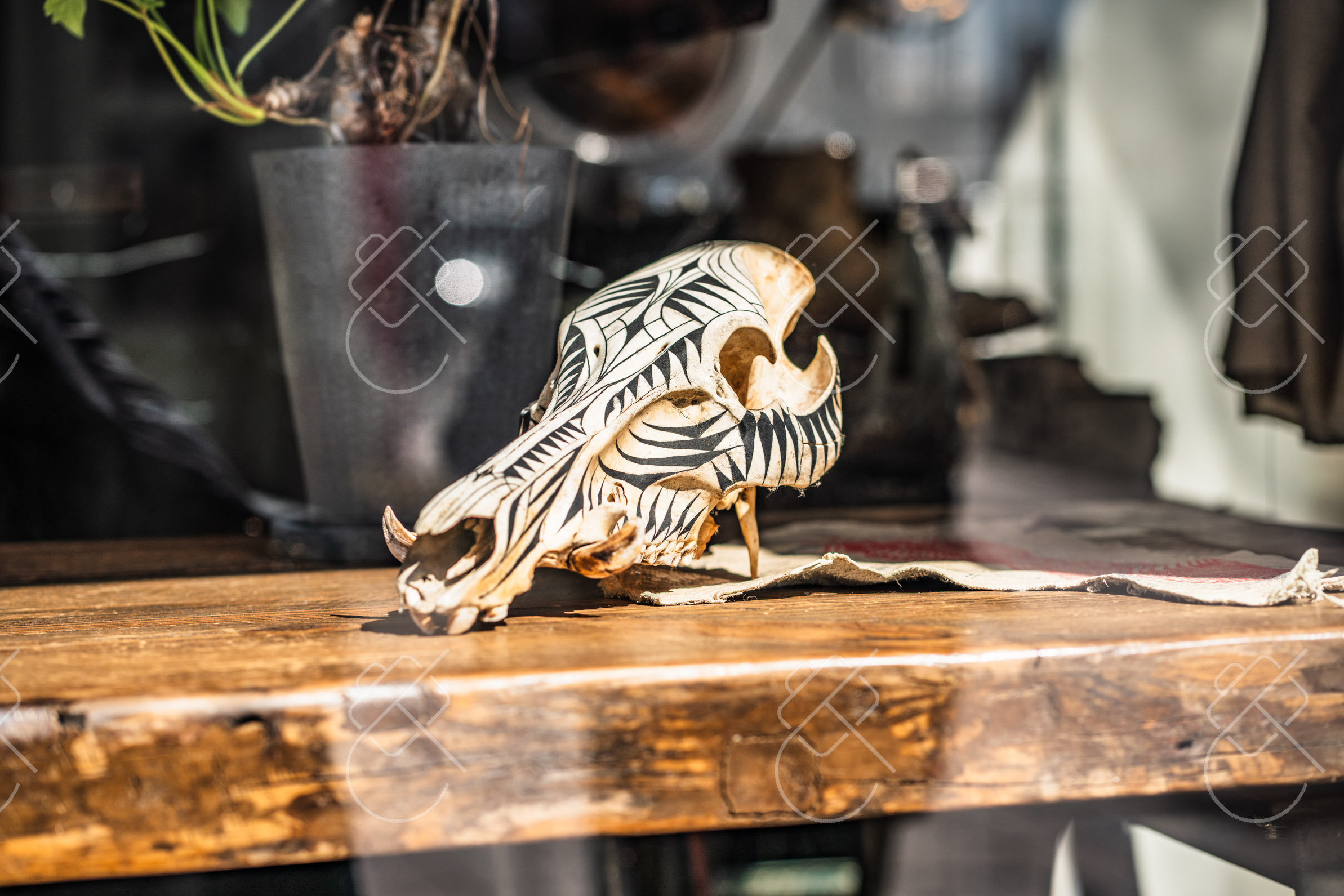
Jibuni. The city's signature dish: duck (or chicken) coated in flour and simmered in a thick, sweet soy dashi with wheat gluten, vegetables and a dab of wasabi. The flour seals the meat and thickens the broth. It appears in Kaga-style kaiseki and on set menus at traditional restaurants around the Higashi Chaya and Kazuemachi teahouse districts.
Kanazawa oden. Oden is eaten all over Japan in winter, but Kanazawa eats it year-round and has its own ingredients: kuruma-fu (a wheel of wheat gluten that soaks up the broth), bai-gai sea snails, and in winter kani-men, a whole female crab shell packed with meat and roe. Oden bars cluster near Katamachi and Kanazawa Station. Order a few pieces at a time and point at the pot.
Kanazawa curry. A thick, dark curry roux poured over rice, topped with a pork cutlet and shredded cabbage, served on a stainless-steel plate and eaten with a fork. It is cheap, filling and nothing like the refined Kanazawa of the teahouses. Local chains serve it across the city.
Hanton rice. A Kanazawa diner dish: omelette rice topped with fried fish or shrimp, ketchup and tartar sauce. Order it at old-style Western diners (yoshoku restaurants) in Katamachi.
Gold leaf. Kanazawa produces almost all of Japan's gold leaf, and the shops of Higashi Chaya put it on everything edible. The famous one is soft-serve ice cream wrapped in a whole sheet of gold leaf. It tastes of nothing, which is the point, but it is the city's most photographed snack.
Wagashi. Kanazawa is one of Japan's great cities for traditional sweets, a legacy of the Maeda lords' tea ceremony. Try them in a teahouse in Higashi Chaya or at the Gyokusen'an teahouse in Gyokusen-inmaru Garden, next to the castle, where matcha is served with a seasonal sweet. Our Kanazawa guide covers both districts.
Kaga bo-hojicha. Roasted green tea made from the stems rather than the leaves, light and nutty with almost no bitterness. It is the local tea served with meals and sold in every souvenir shop. A bag of it is one of the best lightweight edible souvenirs from the city.
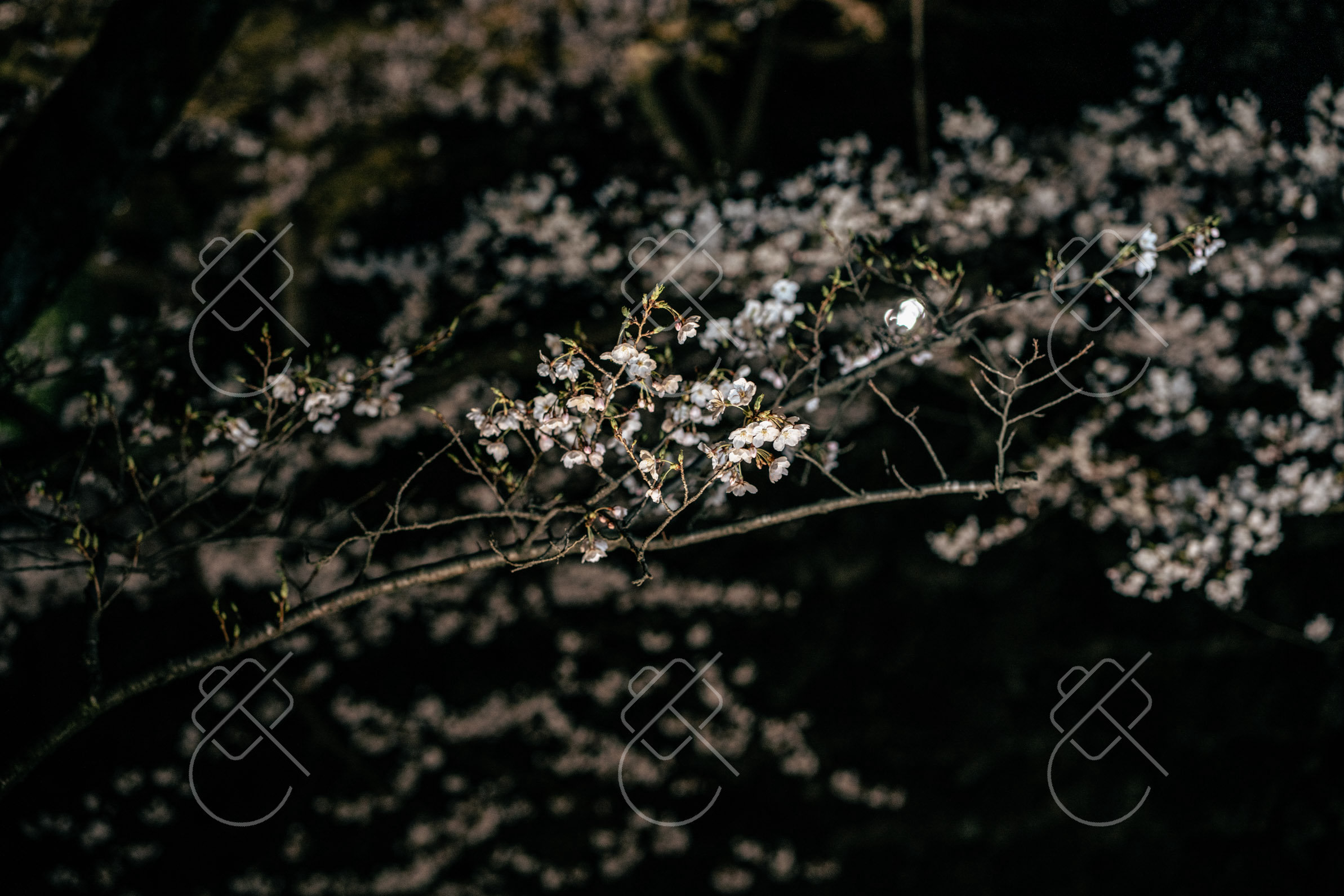
Omicho Market has been Kanazawa's kitchen since the Edo period: a covered market of fish stalls, greengrocers and small restaurants, a 15-minute walk or a short bus ride from Kanazawa Station. Shops roughly run from 9am to 5pm, but each sets its own hours. Many close on Wednesdays, when the central fish market is closed, and fewer stalls open on Sundays and holidays. Go in the morning for the full market; the restaurants are the busiest at lunch.
• Omicho: kaisendon, grilled shellfish, oysters, sushi.
• Katamachi and Kiguramachi: the nightlife district by the Saigawa river, for izakaya, oden bars and yoshoku diners.
• Higashi Chaya and Kazuemachi: teahouses, sweets, gold-leaf ice cream and more formal Kaga cooking.
• Kanazawa Station: the station complex has sushi, oden and souvenir sweets, useful for your last meal before the train.
There is no tipping in Kanazawa; see our tipping in Japan guide. Omicho stalls expect you to eat at the stall or in its seating, not while walking through the market. Many market restaurants and small oden bars are cash only. In the teahouses of Higashi Chaya, follow the staff's lead: eat the sweet first, then drink the tea. The general rules are in our list of Japan etiquette mistakes.
• Morning: Omicho Market at about 9am, then a kaisendon at an early lunch before the queues.
• Afternoon: matcha and a seasonal sweet in Higashi Chaya, and the gold-leaf soft serve if you must.
• Dinner: jibuni at a Kaga restaurant, or oden and nodoguro sushi around Katamachi.
Kanazawa sits between the Japan Alps and Kyoto on many routes, as it did on ours. If you are coming from Takayama or Shirakawa-go, see our Kanazawa to Takayama bus guide, and for trip length and bases see how many days in Kanazawa, where to stay in Kanazawa and day trips from Kanazawa. Our next stop was Kyoto; see what to eat in Kyoto.
Sea of Japan seafood, especially kaisendon at Omicho Market, snow crab, sweet shrimp and nodoguro, plus jibuni duck stew, year-round Kanazawa oden, Kanazawa curry and gold-leaf sweets.
It opens on 6 November. The small female kobako crab is sold only until about late December, and the large male crab season ends in March.
In the morning. Shops roughly run from 9am to 5pm, and the restaurants are busiest at lunch, so eat kaisendon before 11am or after 2pm. Many stalls close on Wednesdays, and fewer open on Sundays and holidays.
As a photo, yes. The gold leaf has no taste. Kanazawa produces almost all of Japan's gold leaf, so it is the city's signature snack, sold in Higashi Chaya.
Get our new Japan guides and practical tips by email: where to stay, what to eat, what things cost and the rules that catch travelers out.
Free. No spam, only new guides and tips.
Get the best deals on hotels in Japan with Booking.com.