Home
About us
Destinations & Country Guides
Travel Guides
Recipes
Featured
Photos As Art
Abstract Prints
Locations
Travel Gear
Travel Resources
Favorites
Photo Framer
Explore Photos
Contact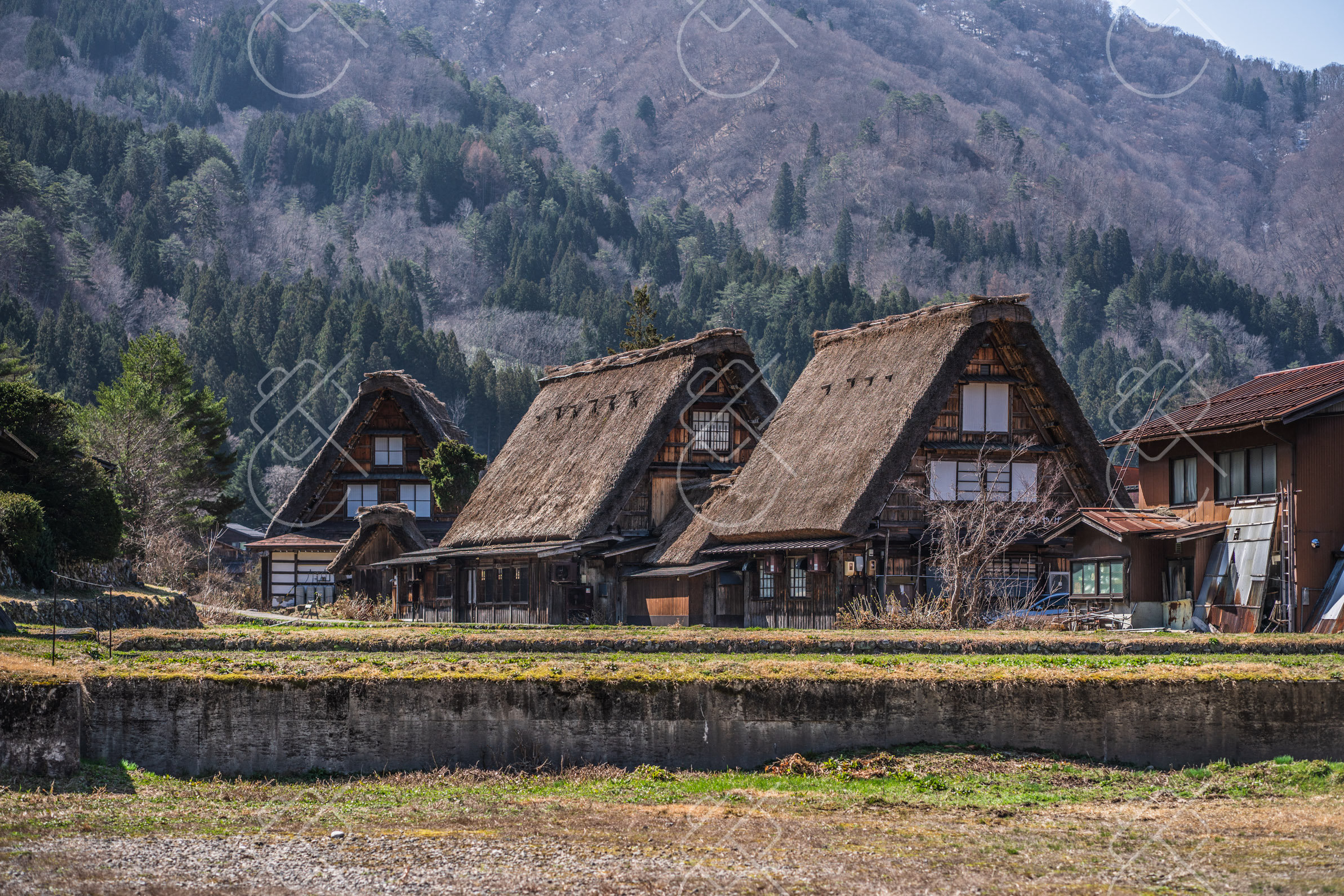 Attractions & day trips
By Clever Tourists · Published
Shirakawa-go is the best day trip from Kanazawa, followed by Eihei-ji temple and Gokayama. Shirakawa-go's thatched farmhouses are about 75 minutes away by highway bus; Eihei-ji, a working Zen monastery, is about an hour away since the Hokuriku Shinkansen reached Fukui in 2024; Gokayama is a quieter version of Shirakawa-go, reached via Shin-Takaoka and a sparse local bus. We spent 4 days in Kanazawa from 29 March to 2 April 2023, arriving from Takayama and going on to Kyoto, and Shirakawa-go was our day trip from here. The rest of the options below are ranked by how much you get for the travel time.
• Shirakawa-go: about 75 minutes by bus. The famous thatched village. Half a day to a full day.
• Eihei-ji: about 23 minutes by Shinkansen to Fukui, then about 30 minutes by bus. A Zen head temple in cedar forest.
• Gokayama: about 15 minutes by Shinkansen to Shin-Takaoka, then the World Heritage Bus. Smaller, quieter thatched villages.
• Kaga Onsen and Yamanaka Onsen: about 18 minutes by Shinkansen, then a local bus. Hot springs and a gorge walk.
• Takaoka: about 15 minutes by Shinkansen to Shin-Takaoka. A Zen temple that is a national treasure and a giant bronze Buddha.
• The Noto Peninsula: still recovering from the January 2024 earthquake. Check before you go.
Kanazawa itself needs 2 to 3 days for Kenroku-en, the castle, Higashi Chaya, Nagamachi and Omicho Market before you add a day trip; see how many days in Kanazawa.
Shirakawa-go is a UNESCO-listed village of gassho-zukuri farmhouses with steep thatched roofs, built that way to shed the heavy snow of this valley. The main village is Ogimachi: walk the lanes between the houses, go inside one of the open farmhouses such as Wada House, and climb to the Shiroyama viewpoint for the view over the roofs.
Getting there: the Hokutetsu and Nohi Bus highway bus from the Kanazawa Station West Exit takes about 75 minutes, at about ¥2,800 (≈ $17.7) one way. Most departures are reservation-only; book on Japan Bus Online, which opens about a month ahead. The Japan Rail Pass does not cover it. Our Kanazawa to Takayama bus guide has the timetable and fares.
How long: 2 to 3 hours in the village, so half a day, or a full day at a slower pace. Suits: everyone. Tip: if you are traveling between Kanazawa and Takayama anyway, as we did in the other direction, stop at Shirakawa-go on the way instead of making a return trip. Two bus tickets cost about ¥5,600 (≈ $35) against ¥4,200 (≈ $27) for the direct ride, and lockers at the bus terminal hold your bags.
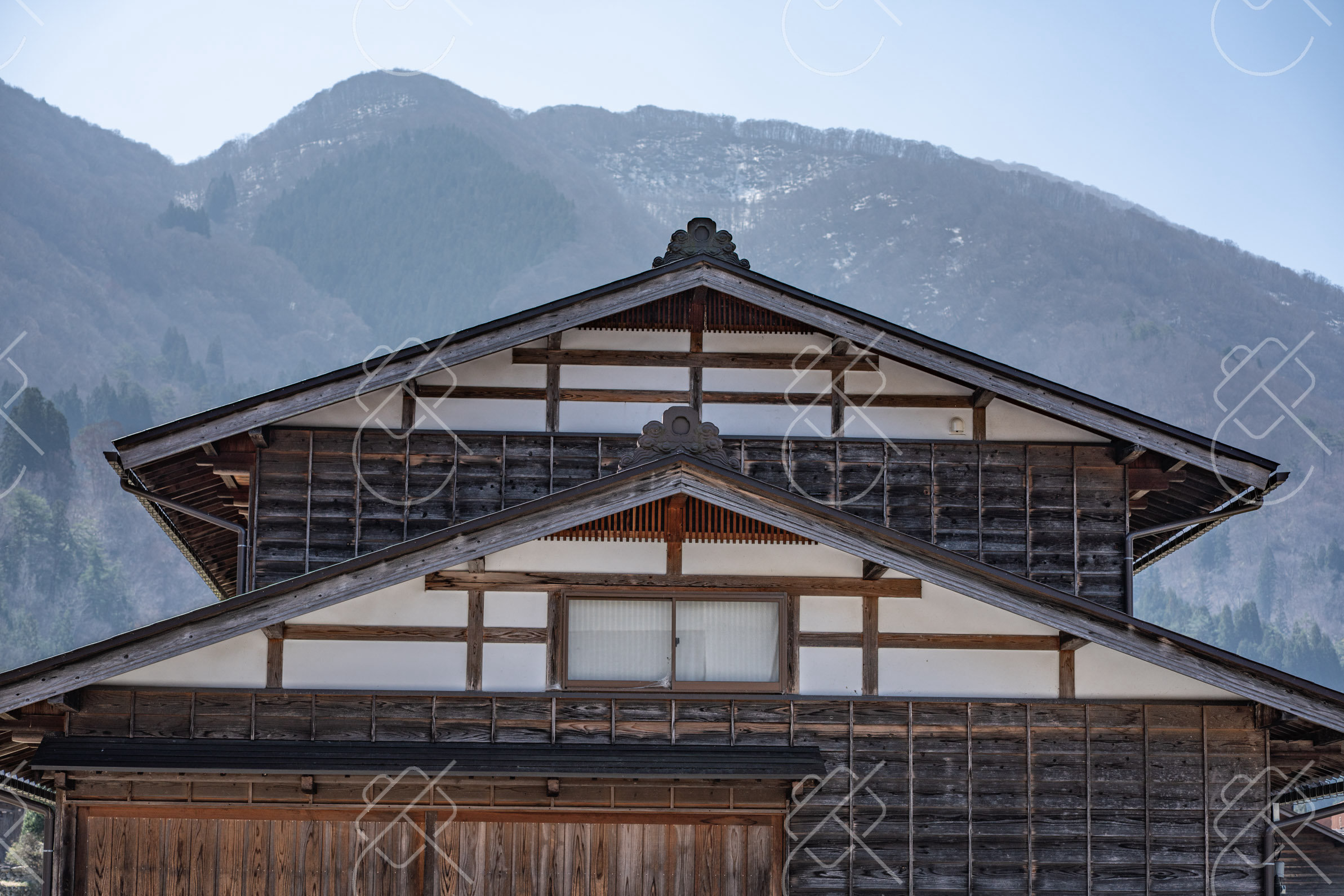
Eihei-ji, founded in 1244 by Dogen, is one of the two head temples of Soto Zen and is still a training monastery. You walk through a complex of halls linked by covered wooden corridors and stairways climbing a hillside of huge cedars, past monks going about their routine. It is quieter and less touristy than the big Kyoto temples.
Getting there: since the Hokuriku Shinkansen was extended in March 2024, Kanazawa to Fukui takes as little as 23 minutes. From Fukui Station's east exit, the Keifuku Eiheiji Liner bus takes about 30 minutes (¥1,000 (≈ $6.3) one way since 1 October 2026, about six departures a day, paid by IC card or contactless card).
How long: half a day. Suits: anyone interested in Zen Buddhism or architecture. Tip: check the bus times back before you go in, because departures are sparse. Fukui is also the base for the Fukui Prefectural Dinosaur Museum at Katsuyama, if you are traveling with children.
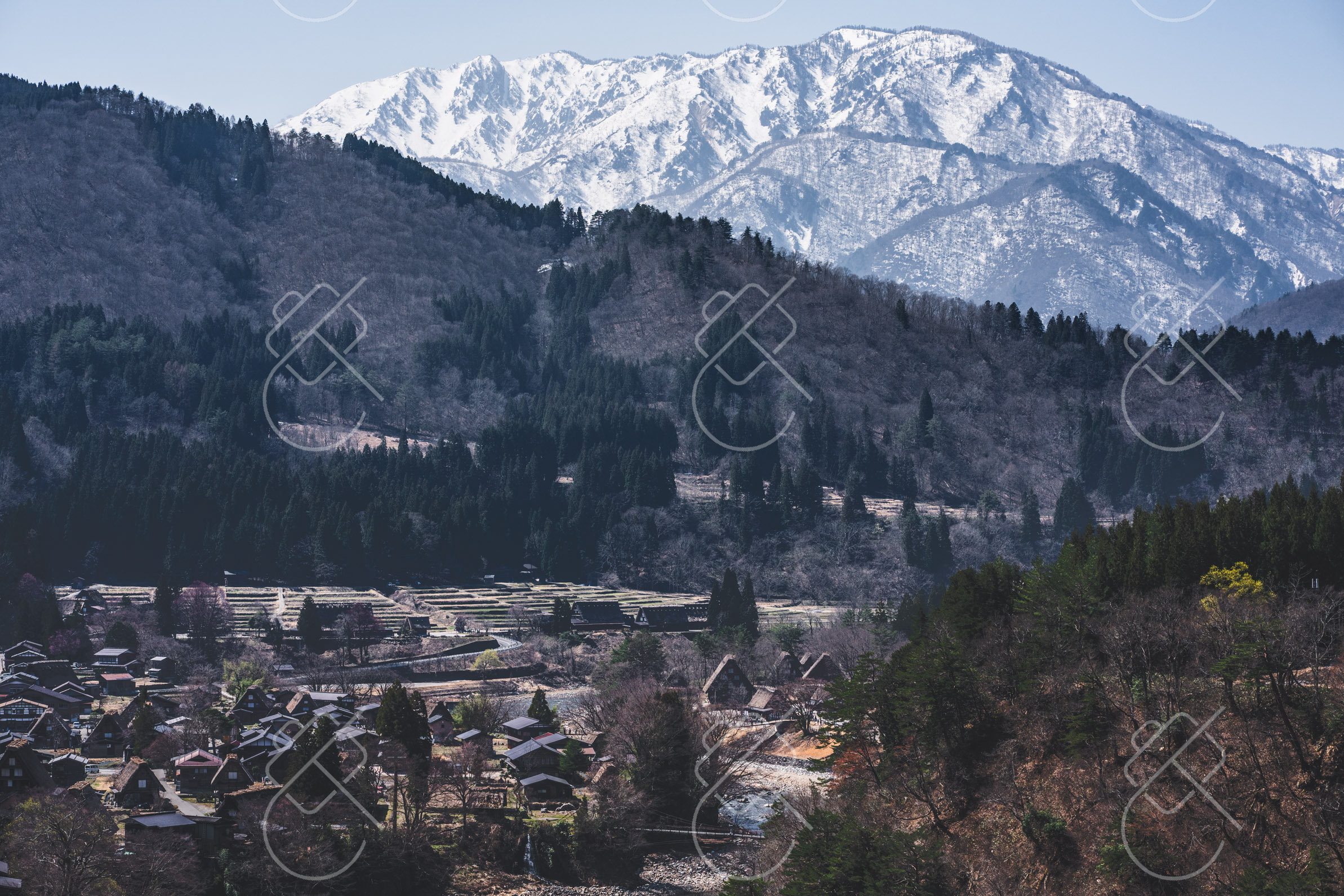
Gokayama is the other half of the same UNESCO listing: two smaller villages, Suganuma and Ainokura, with the same thatched houses and far fewer visitors. Ainokura is the larger and more lived-in of the two.
Getting there: take the Shinkansen to Shin-Takaoka (about 15 minutes), then the Kaetsuno World Heritage Bus, which runs from Takaoka and Shin-Takaoka stations through Ainokura and Suganuma to Shirakawa-go only a few times a day; reserved seats can be booked up to a month ahead. The Kanazawa to Shirakawa-go highway buses call at Suganuma from April to November, but only for passengers riding to or from the Shirakawa-go and Takayama side, so they do not work for a return trip from Kanazawa.
How long: half a day. Suits: photographers, and anyone who found Shirakawa-go too busy. Tip: plan around the bus timetable before anything else. The ride between Ainokura and Suganuma is only 15 minutes, but the next bus can be 2 hours away.
The Kaga hot-spring towns south-west of Kanazawa are the closest onsen escape. Yamanaka Onsen is the most attractive: a public bathhouse in the center and the Kakusenkei Gorge walk along the river, with the Korogi bridge. Yamashiro Onsen has a well-known public bath on its main square.
Getting there: the Hokuriku Shinkansen to Kaga Onsen Station takes about 18 minutes, then a local bus about 30 minutes to Yamanaka. Local buses there do not take Suica or Pasmo; carry cash or a contactless card.
How long: half a day, or an overnight in a ryokan. Suits: couples and anyone after a bath. Tip: read our onsen etiquette guide first, especially if you have tattoos.
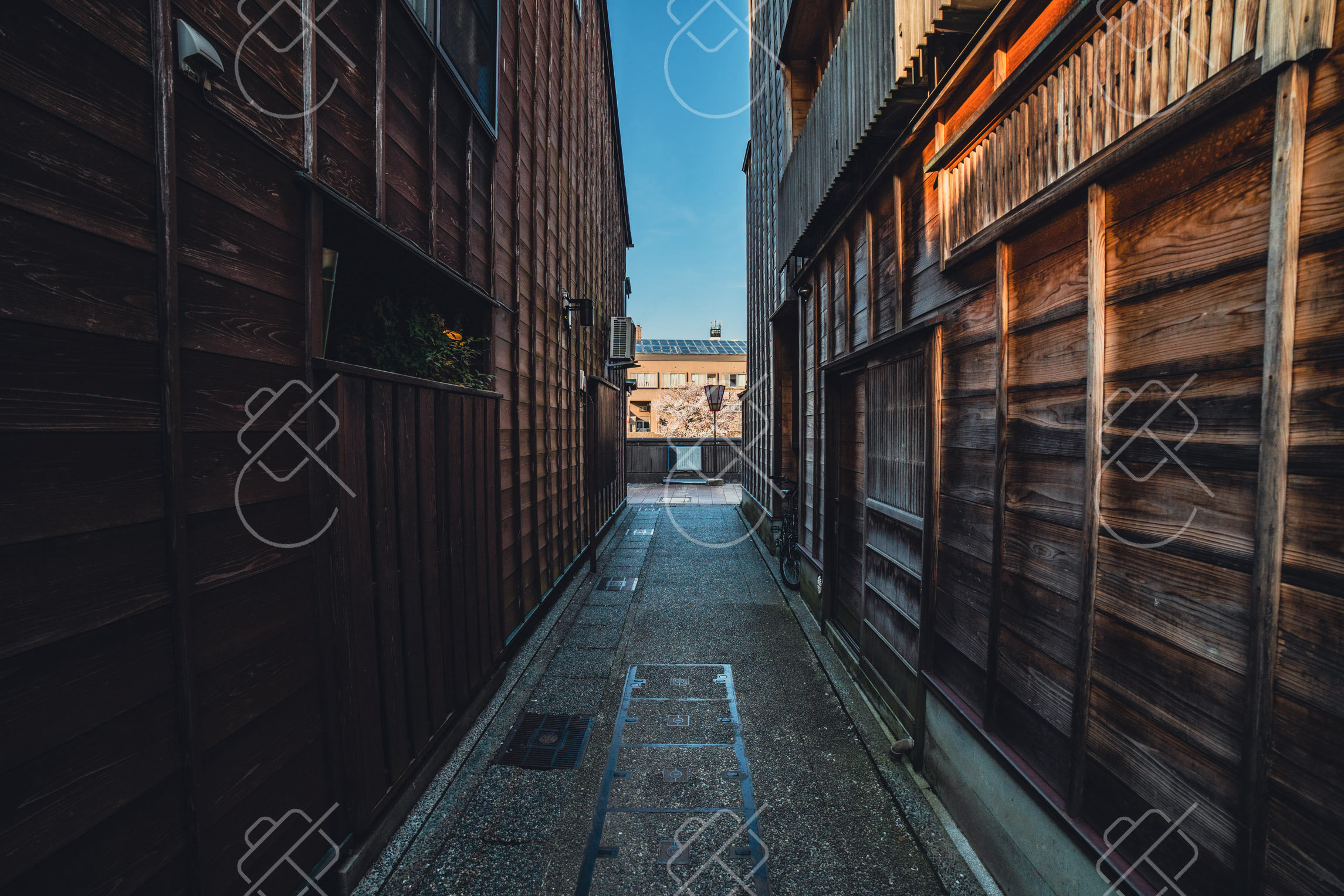
Takaoka was founded by the Maeda lords who also ruled Kanazawa. Zuiryu-ji, the Maeda family temple, is a national treasure with a fine gate, Buddha hall and cloister, and the Takaoka Daibutsu is counted locally as one of Japan's three great bronze Buddhas. The old merchant street of Yamacho-suji has earthen storehouses.
Getting there: about 15 minutes on the Hokuriku Shinkansen to Shin-Takaoka, or a little longer on the slower IR Ishikawa Railway to Takaoka Station.
How long: half a day. Suits: repeat visitors and temple fans. Tip: Takaoka is also where the World Heritage Bus to Ainokura starts, so you can combine it with Gokayama on one long day.
The Noto Peninsula north of Kanazawa, with Wajima's morning market and lacquerware, terraced rice fields on the sea and Wakura Onsen, was badly hit by the January 2024 earthquake and by floods later that year. Facilities have been reopening gradually, and the Wajima morning market has been trading from temporary premises while the town rebuilds.
It is a long day from Kanazawa even in normal times, about 2 hours or more each way by bus or car. If you go, check current road and facility status with Ishikawa's official tourism sites first, and consider staying a night, which puts money into the towns that are rebuilding.
• Winter: Shirakawa-go and Gokayama sit in one of Japan's snowiest valleys. Buses usually run, but build slack into the day. The famous Shirakawa-go winter light-up needs an advance reservation.
• JR Pass: covers the Shinkansen to Fukui, Kaga Onsen and Shin-Takaoka, but not the highway buses to Shirakawa-go and Gokayama.
• Base: staying near Kanazawa Station makes bus and Shinkansen departures easy; our where to stay in Kanazawa page compares that with Korinbo and Higashi Chaya.
• Before the bus: fill up at Omicho Market; our Kanazawa guide and what to eat in Kanazawa cover the seafood bowls. On our 33-day route Kanazawa sat between Takayama and Kyoto; see our full Japan itinerary.
Yes. The highway bus takes about 75 minutes and costs about ¥2,800 (≈ $17.7) each way, and 2 to 3 hours in the village is enough. Book the reservation-only buses ahead. It was our day trip from Kanazawa.
It is smaller and much quieter, with the same thatched houses. Shirakawa-go is easier to reach and has more to see; Gokayama suits people who want to avoid crowds and can plan around a sparse bus timetable.
Take the Hokuriku Shinkansen to Fukui, about 23 minutes, then the Eiheiji Liner bus from the east exit, about 30 minutes. Check the return bus times before you go in.
Partly. Facilities hit by the January 2024 earthquake are reopening gradually, and the Wajima morning market has been trading from temporary premises. Check current conditions with Ishikawa's official tourism sites before you go.
It covers the Shinkansen to Fukui, Kaga Onsen and Shin-Takaoka, but not the highway buses to Shirakawa-go and Gokayama.
Get our new Japan guides and practical tips by email: where to stay, what to eat, what things cost and the rules that catch travelers out.
Free. No spam, only new guides and tips.
Get the best deals on your Japan stay with Hotels.com.