Home
About us
Destinations & Country Guides
Travel Guides
Recipes
Featured
Photos As Art
Abstract Prints
Locations
Travel Gear
Travel Resources
Favorites
Photo Framer
Explore Photos
Contact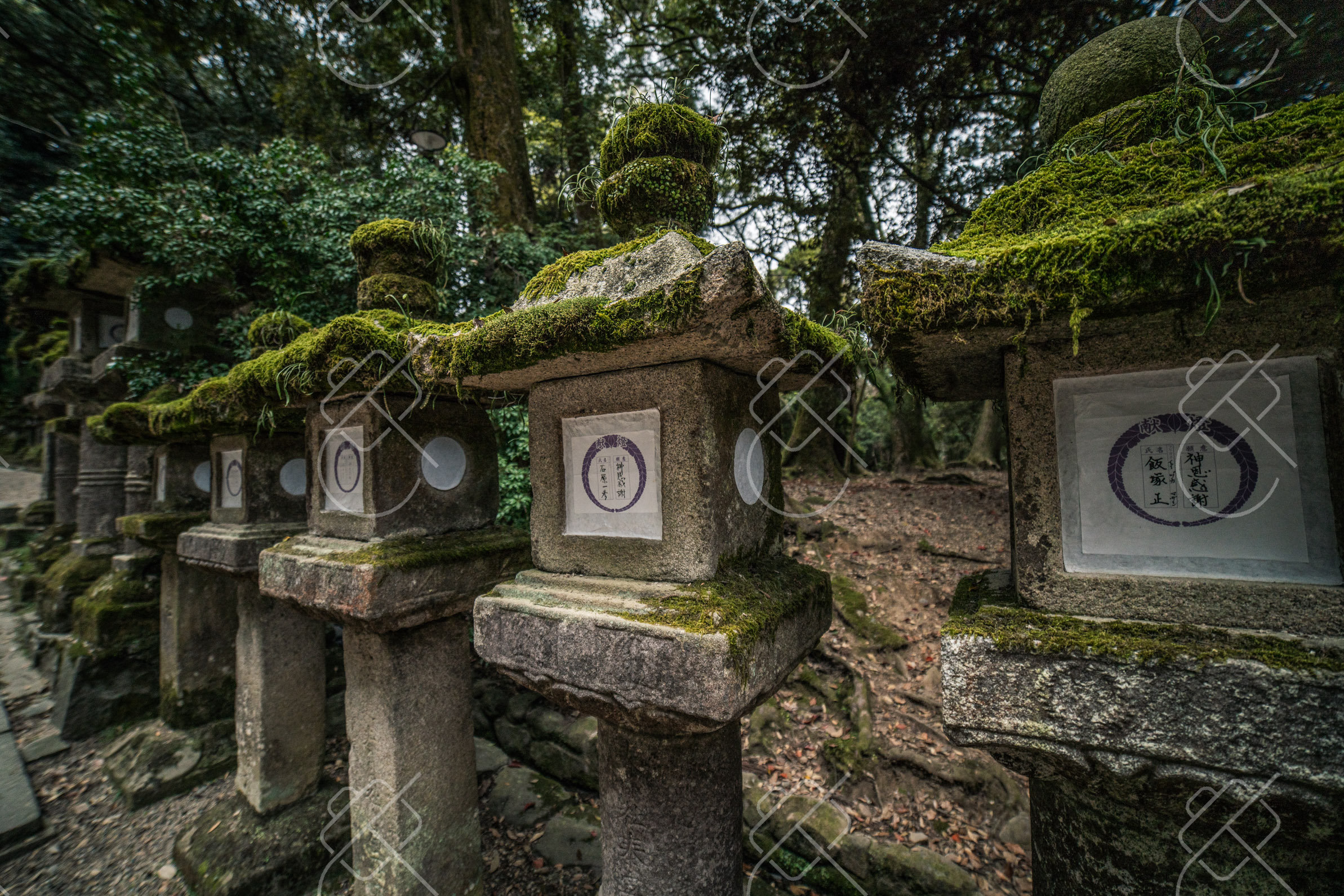 Destinations & Itineraries
By Clever Tourists · Published
One full day, or one night if you can spare it. We spent 2 days in Nara, from 6 to 8 April 2023, after 4 days in Kyoto and before 3 in Osaka. The main sights, Todai-ji's Great Buddha, the deer of Nara Park and the lantern path to Kasuga Taisha, all sit inside one walkable park, so a single well-planned day covers them. What a night adds is the park at 7am, before the tour groups arrive from Kyoto and Osaka, and an evening in the old Naramachi lanes. A second full day is for Horyu-ji and the temples outside the centre.
• Half a day: Todai-ji and the deer only. Common, and a shame.
• 1 full day: Todai-ji, Nigatsu-do, Kasuga Taisha and Naramachi. The right amount for most first trips.
• 1 night: the same sights, with the park at dawn and the old town in the evening. What we would recommend if Nara sits between Kyoto and Osaka on your route.
• 2 days: what we had. Add Horyu-ji, Japan's oldest surviving wooden temple complex, or the Nara National Museum.
From Kyoto the Kintetsu line takes about 35 to 50 minutes to Kintetsu-Nara, and from Osaka-Namba about 40 minutes, so a day trip is easy either way. Our Kyoto to Nara guide compares Kintetsu and JR.
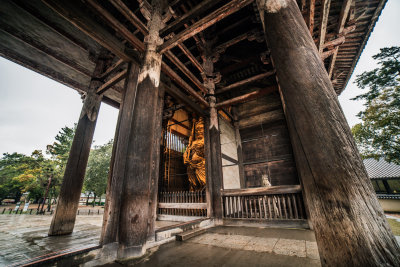
Morning, Todai-ji. Walk up through the park from Kintetsu-Nara station, about 15 minutes, through the Nandaimon gate to the Great Buddha Hall. It opens at 7:30am from April to October and 8am from November to March, and costs ¥800 (≈ $5.1) (¥1,200 (≈ $7.6) with the Todai-ji Museum). Arrive at opening and you share the 15-metre bronze Buddha with a handful of people.
Late morning, Nigatsu-do and the park. Climb behind the Great Buddha Hall to Nigatsu-do, a hillside hall with a view back over the rooftops, then cross the park. The deer are everywhere; buy shika senbei crackers only from the licensed stalls and read our Nara deer etiquette guide first, because they bite and butt when a bag runs empty.
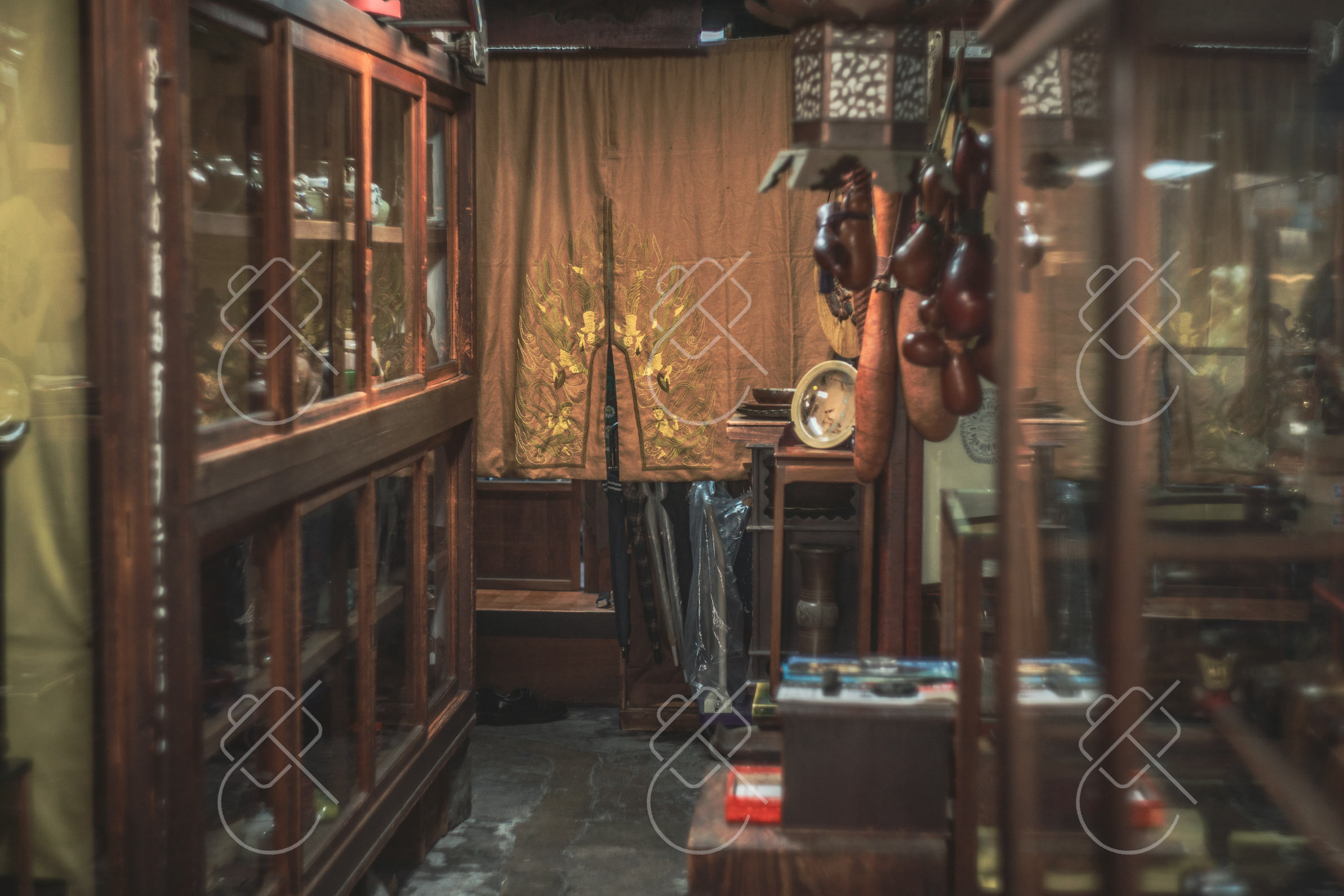
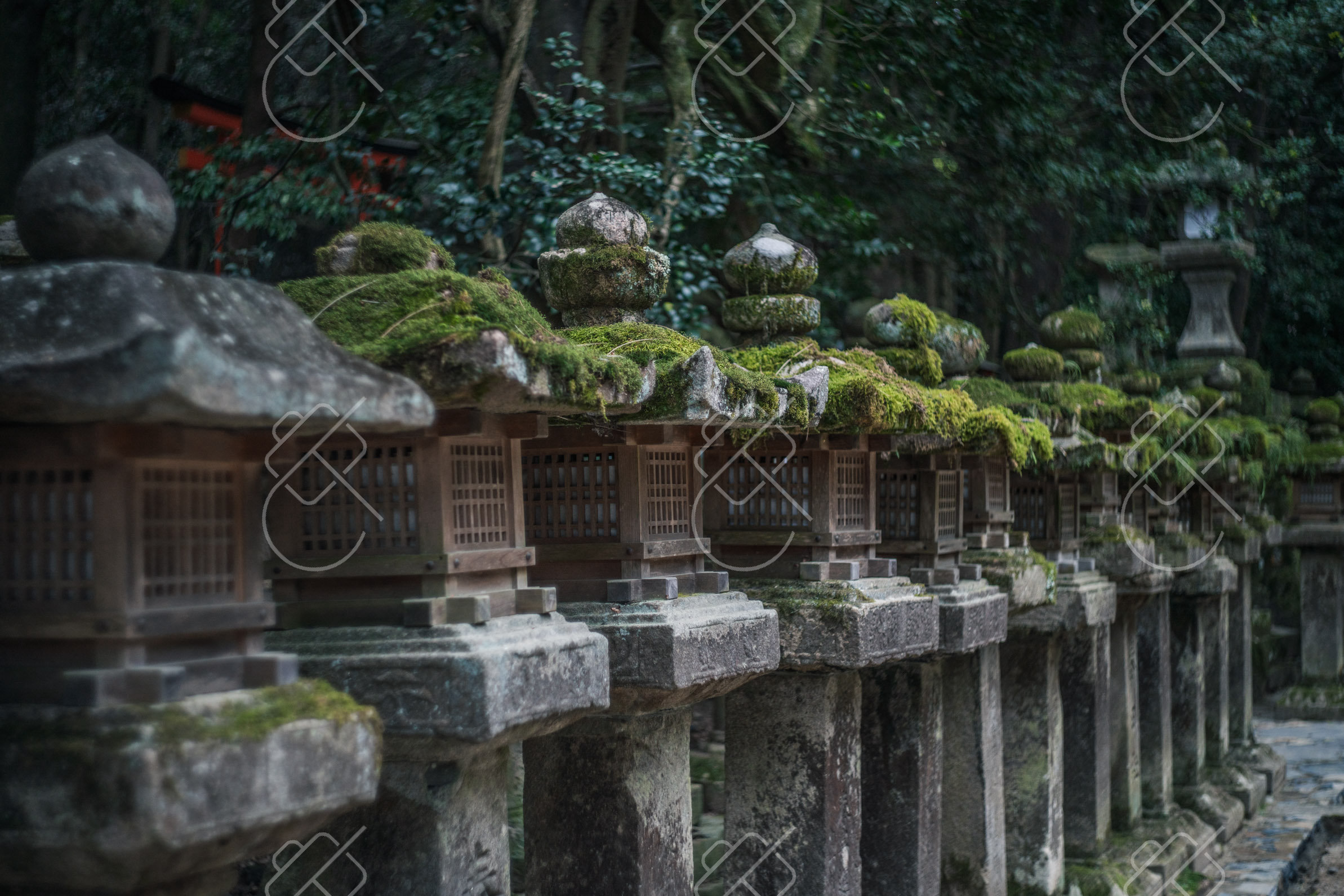
Afternoon, Kasuga Taisha. Walk the cedar-forest approach lined with moss-covered stone lanterns to the vermilion shrine. Then drop south into Naramachi, the merchant quarter of narrow wooden townhouses, for a late lunch of kakinoha-zushi, sushi wrapped in persimmon leaves.
Day 2, if you stay. Ride JR to Horyuji station for Horyu-ji, whose buildings are among the oldest wooden structures in the world, or spend the morning at the Nara National Museum on the edge of the park. Our Nara guide covers the history of each.
Nara sits in the triangle between Kyoto and Osaka, which is why most people do it as a day trip from one of them. On our 33-day route we stayed there instead, between Kyoto and Osaka, which costs no extra travel: Kyoto to Nara and Nara to Osaka-Namba are both under an hour on Kintetsu.
Our own verdict on that route is that Nara also works as a day trip from Kyoto and saves a hotel change. If you are choosing, stay the night if you want the park empty, and day-trip if you are short on nights. The Kyoto article explains where Nara fits in a Kyoto stay, and our day trips from Kyoto compares it with Uji, Himeji and the rest.
Stay near Nara Park or in Naramachi to walk to Todai-ji at dawn; Kintetsu-Nara station is closer to the park than JR Nara.
Most visitors give Nara half a day from Kyoto or Osaka, which is the reason it feels crowded between 10am and 3pm. The sights do not change; the hours do.
• Day trip from Kyoto: leave by 8am on Kintetsu and you reach Todai-ji before the groups. Allow a full day, back in the evening.
• Day trip from Osaka: about 40 minutes from Osaka-Namba to Kintetsu-Nara, so the same plan works.
• Overnight: the Great Buddha Hall opens at 7:30am from April to October, and the park around it is almost empty before then. In the evening the deer settle and Naramachi's lanes are quiet.
If Nara sits between Kyoto and Osaka on your route, as it did on ours, the overnight costs nothing in extra travel. If you are basing in one city for a week, a day trip is the efficient choice. Either way, keep the morning for Todai-ji and the afternoon for Kasuga Taisha and Naramachi.
Late March to early April brings cherry blossom to the park; we arrived on 6 April, around the end of the bloom. November is the other peak, with maples around Kasuga Taisha. Both are the busiest times, which makes the early start more important, not less.
Summer is hot in the open park, and the deer give birth in late spring and early summer, when mothers are protective; give fawns a wide berth. Kasuga Taisha's lanterns are lit only on a few festival dates each year, in February and August; outside those, you see them unlit in the forest light.
• Arriving at 11am. That is when the tour groups peak. Before 9am or after 3pm is a different place.
• Feeding the deer from a bag you keep holding. Hand out the crackers quickly and show empty hands.
• Only seeing Todai-ji. Nigatsu-do and the Kasuga lantern path are the quieter half of the visit and need only a couple of extra hours.
• Skipping the dress check. These are working temples and shrines; check dress expectations in our temple dress code guide.
Yes. Todai-ji, Nigatsu-do, the deer park, Kasuga Taisha and Naramachi fit in one full day if you start early. We spent 2 days, which added Horyu-ji and the park at dawn.
If it sits between Kyoto and Osaka on your route, yes: you see Todai-ji and the park at 7:30am, before the day-trip crowds. Otherwise a day trip works well.
¥800 (≈ $5.1) for the Great Buddha Hall, or ¥1,200 (≈ $7.6) with the Todai-ji Museum. It opens at 7:30am from April to October and 8am from November to March.
About 35 to 50 minutes on the Kintetsu line from Kyoto Station to Kintetsu-Nara, a few minutes' walk from the park. From Osaka-Namba it is about 40 minutes.
Get our new Japan guides and practical tips by email: where to stay, what to eat, what things cost and the rules that catch travelers out.
Free. No spam, only new guides and tips.
Get the best deals on flights to Japan with Kiwi.com.