Home
About us
Destinations & Country Guides
Travel Guides
Recipes
Featured
Photos As Art
Abstract Prints
Locations
Travel Gear
Travel Resources
Favorites
Photo Framer
Explore Photos
Contact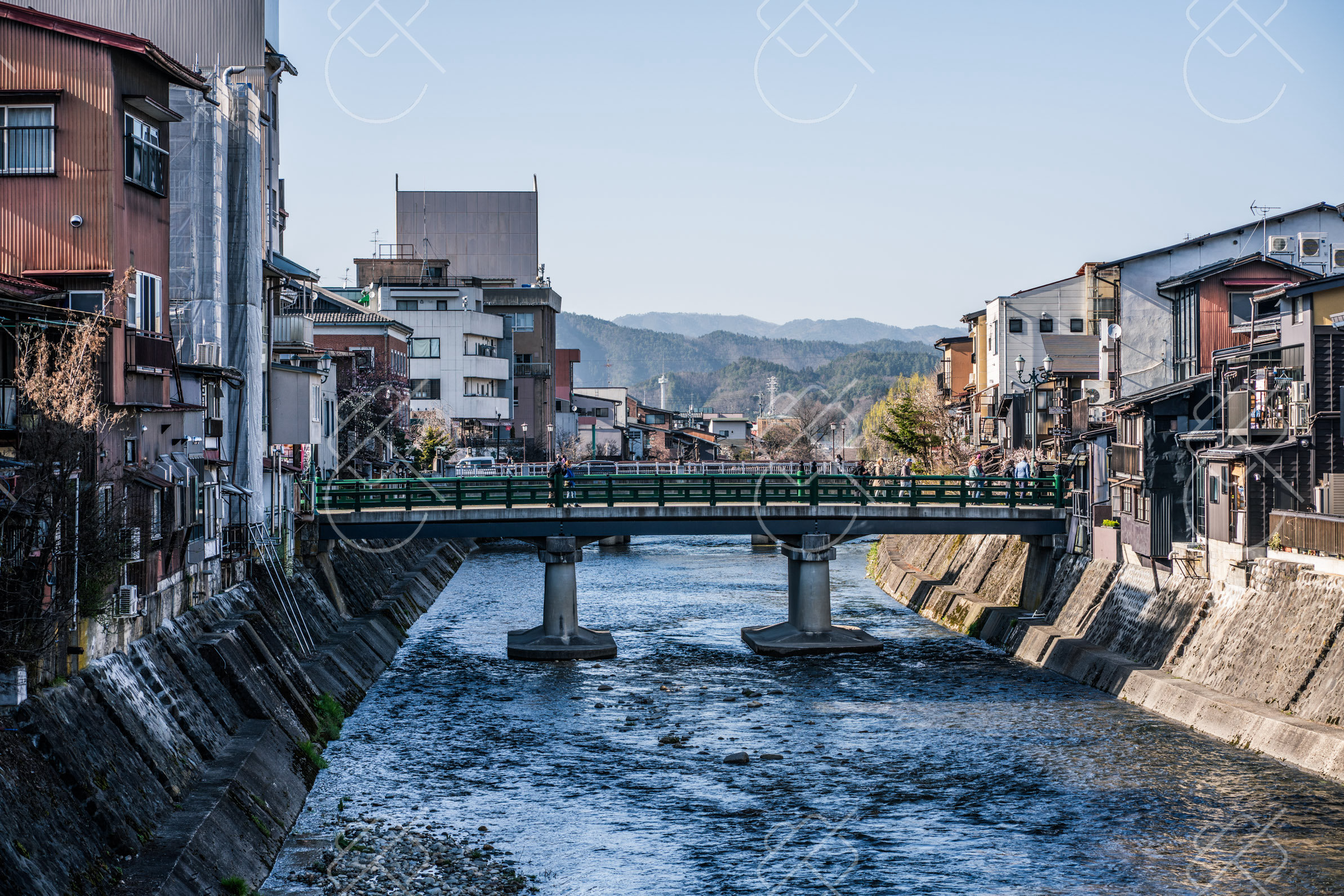 Destinations & Itineraries
By Clever Tourists · Published
Two nights. We spent 3 days in Takayama, from 26 to 29 March 2023, between Matsumoto and Kanazawa, and our own Takayama guide concludes that two nights is the better plan. The old town, both morning markets and Takayama Jinya fill one day on foot; the second goes on Hida Folk Village and either an onsen afternoon or Shirakawa-go, which is 50 minutes away by bus and works best as a stop on the way to Kanazawa. A third night suits a slower trip or festival dates in April and October.
• 1 night: arrive by lunch, Sanmachi in the afternoon, markets the next morning, then leave. Workable, but tight.
• 2 nights: the recommendation. One full day in town, one for Hida Folk Village and Shirakawa-go or the hills.
• 3 nights: what we had. Room for the Higashiyama temple walk, the heritage houses and an unhurried pace.
Everything in town is within about a 15-minute walk of JR Takayama Station. The constraint is the clock, not distance: the markets run from about 7am to noon, and most Sanmachi shops close by 5pm. Do sights in the morning and save evenings for Hida beef and the river.
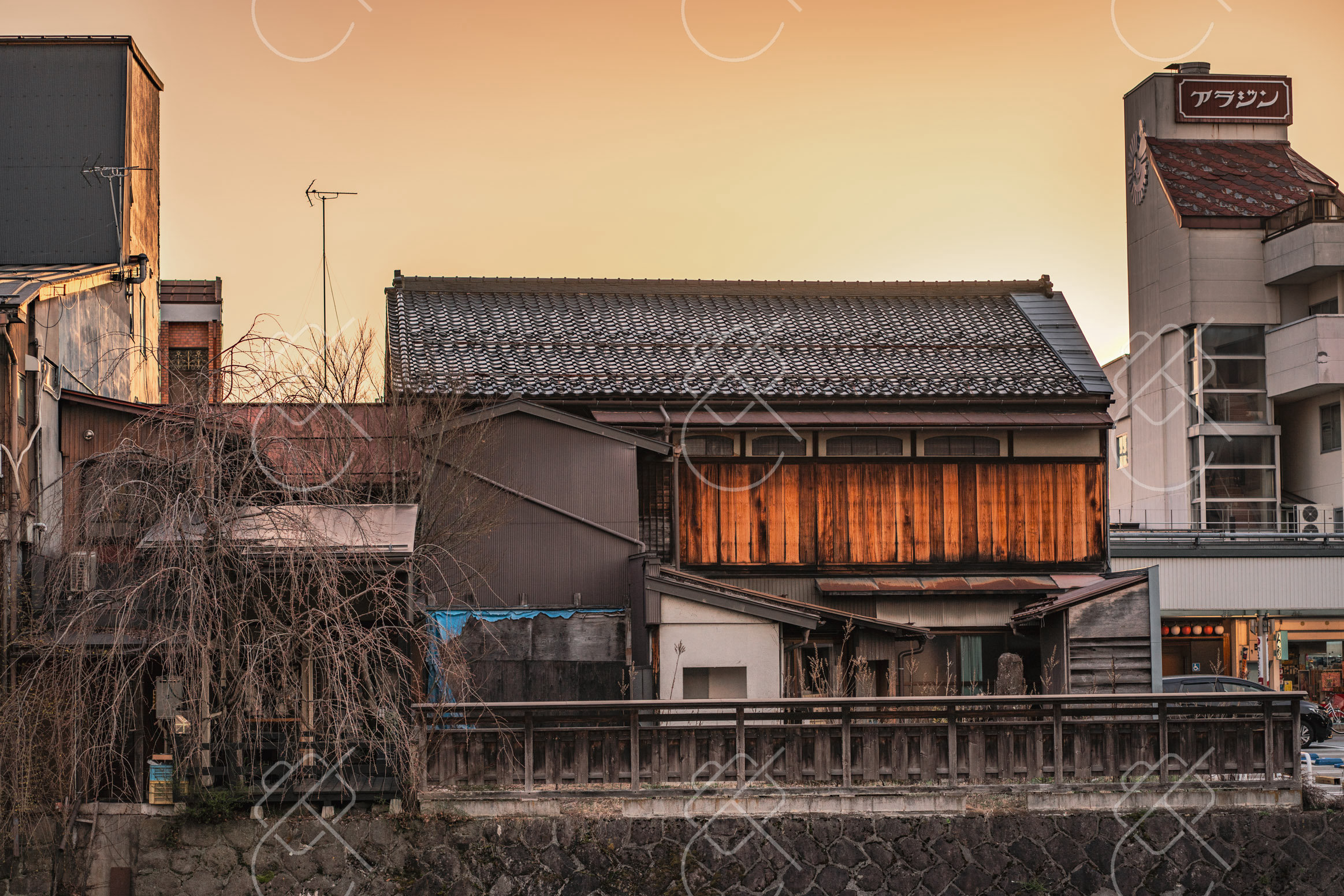
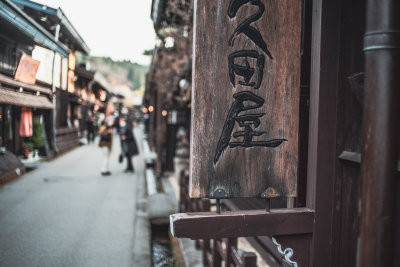
Day 1, markets, Jinya and Sanmachi. Start at the Miyagawa Morning Market along the east bank of the river, with pickles, miso, apples and crafts, then the smaller Jinya-mae market in front of Takayama Jinya, the Edo-era government office that is the only one of its kind left in Japan (about ¥440 (≈ $2.8)). Walk into Sanmachi Suji before the crowds: three lanes of dark latticed merchant houses, several of them sake breweries pouring tastings under hanging cedar balls. In the afternoon, take the roughly 3.5 km Higashiyama walking course past the hillside temples, or the Festival Floats Exhibition Hall by Sakurayama Hachimangu.
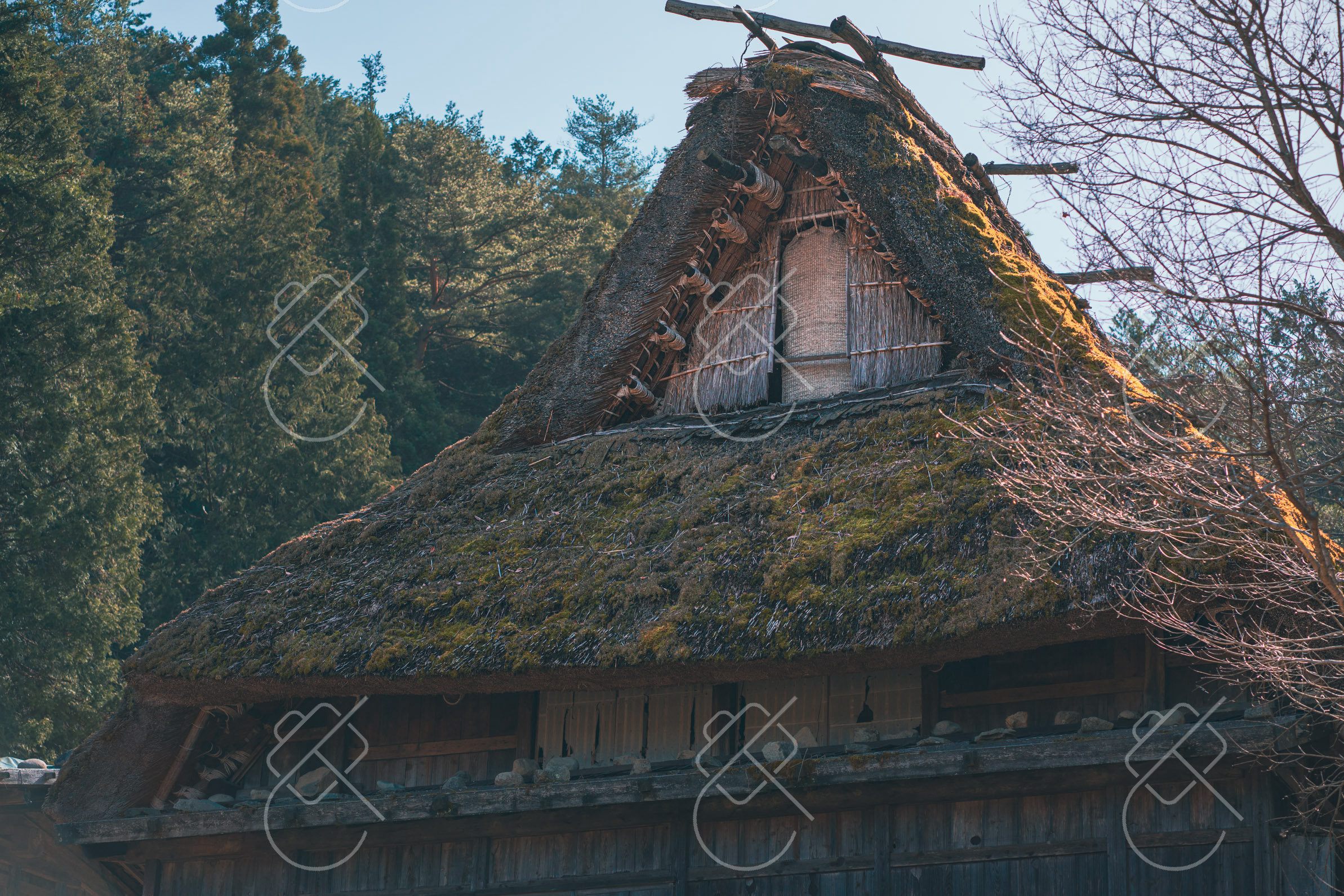
Day 2, Hida Folk Village and Shirakawa-go. Hida Folk Village is about 30 minutes' walk or a 10-minute bus ride west of the station: some 30 relocated farmhouses, many of them thatched gassho-zukuri houses, set around a pond. Then catch the Nohi Bus to Shirakawa-go (about 50 minutes) for the UNESCO-listed village of the same houses still lived in. If you are moving on to Kanazawa, do it as a stopover instead: the Kanazawa to Takayama bus guide explains the two-ticket trick (¥2,800 (≈ $17.7) per leg) and the lockers.
Eat Hida beef at least once. The cheapest way in is grilled Hida beef nigiri on a rice cracker from a Sanmachi street stall; the full version is a grilled set dinner.
Takayama is the middle of the Japan Alps arc. On our 33-day route it came after Matsumoto (2 days) and before Kanazawa (4 days). Matsumoto to Takayama is the Alpico / Nohi highway bus, about 2 hours 20 minutes to 2.5 hours for ¥4,400 (≈ $28), reservation required. Takayama to Kanazawa is the highway bus via Shirakawa-go, ¥4,200 (≈ $27) straight through.
From Nagoya, the Limited Express Hida takes about 2 hours 15 minutes to 2 hours 40 minutes, roughly hourly, which is the way in if you are coming from Kyoto or Osaka. Our 10-day Japan itinerary uses Takayama as its single Alps stop, with Shirakawa-go and Kanazawa on the way to Kyoto.
Bus legs and old-town lanes are hard with big suitcases; forward them with luggage forwarding and travel with a daypack.
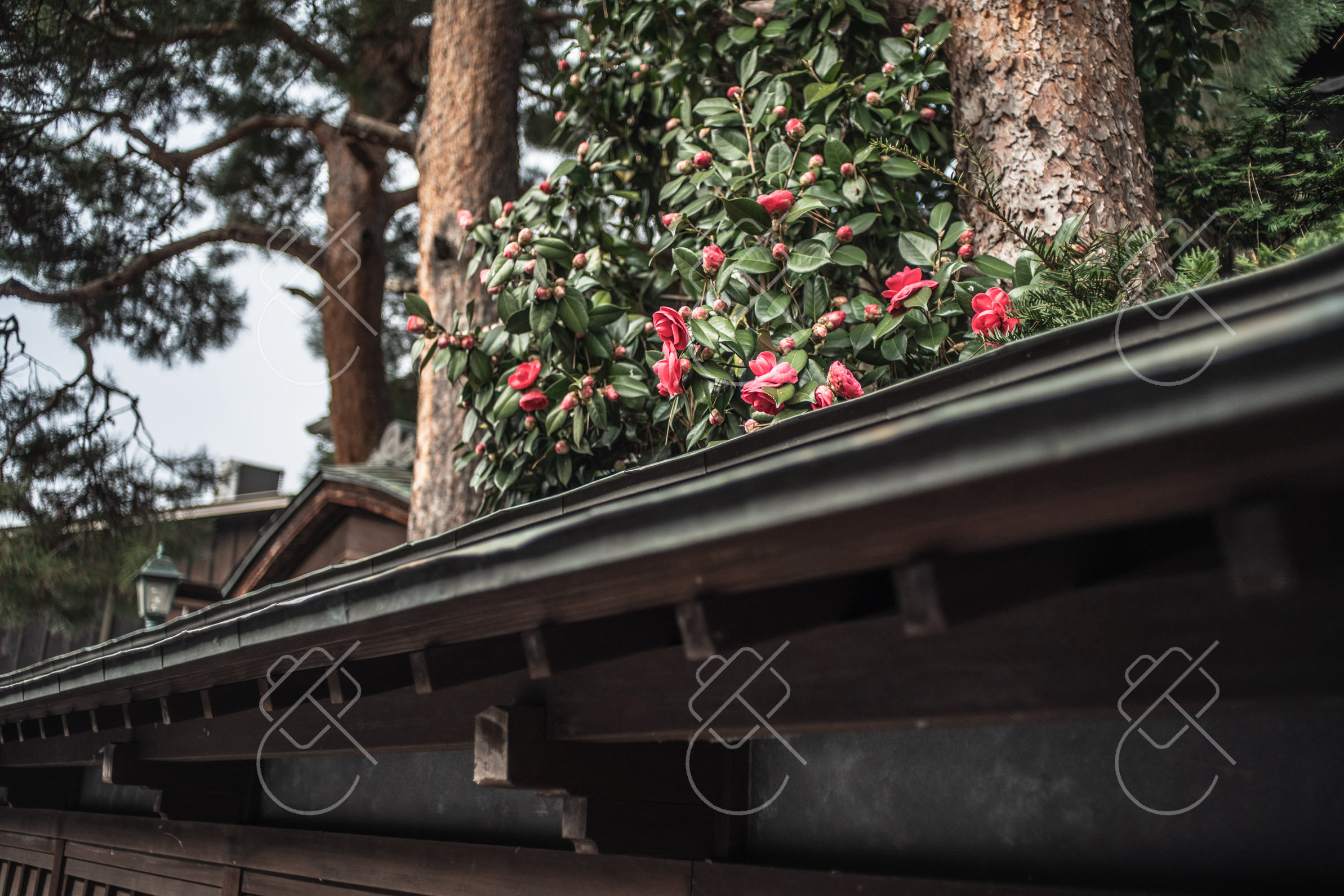
We had three nights, and the third went on the parts of Takayama that a two-night plan skips. None of them is essential, but each is specific to the town.
• The heritage houses. The Kusakabe and Yoshijima houses, neighbouring merchant mansions a short walk north of Sanmachi, have tall timber-beamed atriums lit by high windows.
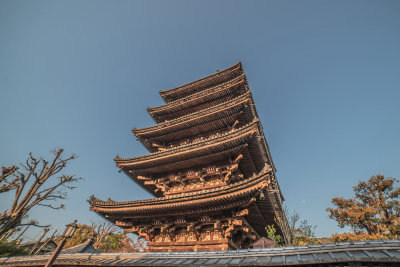
• Hida Kokubunji. The town's oldest temple, near the station, with a three-story pagoda and a ginkgo said to be over 1,200 years old.
• A second market morning. The Miyagawa market changes with the season, with mountain vegetables in spring and apples in autumn.
• A sake tasting route. The Sanmachi breweries pour small tastings for a few hundred yen each, marked by the cedar ball over the door.
With two nights, fold Hida Kokubunji into your arrival walk from the station and skip the rest. With one, see Sanmachi and one market and accept the gaps.
Evenings are short in Takayama whatever you choose. Most Sanmachi shops close by 5pm and the town is quiet by 9pm, so the third night is less about extra sightseeing and more about a long Hida beef dinner, a walk along the Miyagawa to the red Nakabashi bridge and an early night before the morning market.
The Takayama Festival runs twice a year: the Sanno Matsuri on 14 and 15 April and the Hachiman Matsuri on 9 and 10 October, when gilded floats are pulled through the streets and lit with lanterns at night. Rooms sell out months ahead for both. Spring reaches the Hida mountains late: on long-run averages Takayama blooms in mid-to-late April, so our late-March dates were still bare.
Winter brings snow to the old town and to Shirakawa-go, and the village's light-up evenings in January and February need an advance reservation through tour buses. Autumn colour peaks around late October and early November.
• Arriving after the markets close. If you reach town at noon, do Sanmachi that afternoon and the markets the next morning.
• Treating Shirakawa-go as a separate day trip when you are heading to Kanazawa anyway. The stopover saves a round trip.
• Booking the Matsumoto or Kanazawa bus on the day. Reservations are required and autumn weekends sell out.
• Planning dinner late. Takayama goes quiet early, and many restaurants take last orders in the early evening.
Yes. One day covers Sanmachi, both morning markets and Takayama Jinya; the second covers Hida Folk Village and Shirakawa-go. We spent 3 days, which allowed a slower pace.
It covers the old town and one morning market if you stay the night before or after. You will miss Hida Folk Village and Shirakawa-go.
About 50 minutes on the Nohi Bus. It works as a half-day trip, or as a stop on the bus to Kanazawa at ¥2,800 (≈ $17.7) per leg.
By the Alpico / Nohi highway bus, about 2 hours 20 minutes to 2.5 hours for ¥4,400 (≈ $28) one way. Reservations are required.
Get our new Japan guides and practical tips by email: where to stay, what to eat, what things cost and the rules that catch travelers out.
Free. No spam, only new guides and tips.
See the best deals on Japan hotels right now on Booking.com.