Home
About us
Destinations & Country Guides
Travel Guides
Recipes
Featured
Photos As Art
Abstract Prints
Locations
Travel Gear
Travel Resources
Favorites
Photo Framer
Explore Photos
Contact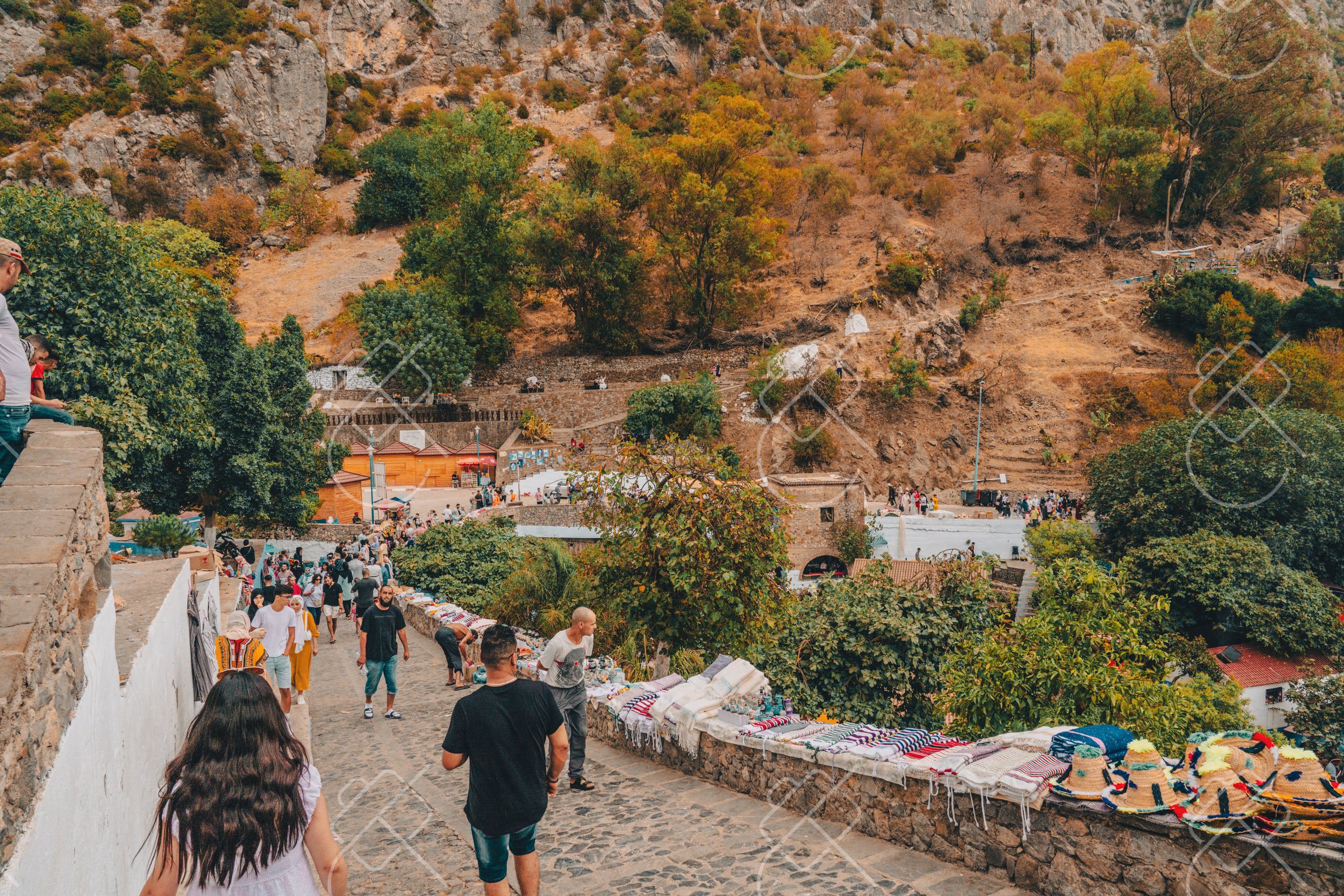 Trip planning
By Clever Tourists · Published · Last updated
Morocco is visa-free for most Western visitors, but it runs on cash in a currency you cannot buy properly abroad, and the medinas reward a bit of preparation: agree prices first, ignore unofficial guides, cover shoulders and knees, and do not expect to enter mosques. Two dates matter for 2026 and 2027: Morocco moved its clocks to GMT permanently on 20 September 2026, and Ramadan 2027 is expected from about 8 February to 9 March. We spent 24 days in Morocco in August and September 2022, in Tangier, Chefchaouen, Fes, Rabat, Casablanca, Essaouira, Marrakech, Ouarzazate, Zagora and Erg Chigaga. Rules below are from Moroccan government sources and reporting, checked in October 2026.
1. Most visitors need no visa. Citizens of the US, UK, EU, Canada and Australia can stay up to 90 days visa-free, according to Morocco's National Tourist Office. The office only requires a passport valid for your stay, but the US State Department recommends six months of validity, which is the safer rule. Details in do I need a visa for Morocco.
2. Morocco changed its clocks in September 2026. Morocco had kept GMT+1 since 2018, dropping to GMT only for Ramadan. A government decree moved the country to permanent GMT from 02:00 on 20 September 2026, so there is no Ramadan clock change in 2027. Older guides and some apps may still show the old offset; check your phone shows the same time as the station clock.
3. The dirham is a closed currency. You cannot buy it at a fair rate outside Morocco, and reports of Office des Changes rules put the limit on dirham banknotes carried in or out at 2,000 MAD (≈ $203). Use bank ATMs on arrival, keep receipts so you can change leftovers back, and decline any offer to charge you in your home currency. The full playbook: dirham, exchange and ATM guide.
4. Carry small notes. Hotels, bigger restaurants and train tickets take cards; medina stalls, petit taxis, cafés and tips are cash. Keep 20 and 50 MAD (≈ $5.1) notes and coins separate from your main money.
5. Tips are small and expected. Rounding up in cafés, about 10% in sit-down restaurants, and a few dirhams for porters and anyone who shows you the way. Drivers and desert guides on multi-day trips are tipped per day. See tipping in Morocco and tipping a private driver. Daily costs: about $30 to $50 on a budget, per our daily budget by country.
6. Agree every price before you start. In souks the first price is an opening offer. Decide what an item is worth to you, and walk away politely if you cannot agree. Our souk haggling guide has the etiquette.
7. Ignore the unofficial guides. The classic medina trick in Fes and Marrakech is a friendly stranger saying the road ahead is closed or the tannery is this way, then asking for money or steering you into a shop. Licensed guides carry an official badge; book one through your riad. More in is Morocco safe.
8. Download offline maps of the medina. Fes el-Bali in particular is a maze where phone GPS drifts. Save your riad's location and ask the riad to meet you at a gate on your first arrival.
9. Cover shoulders and knees. Morocco has no legal dress code for visitors, but long loose clothing draws less attention in medinas and rural areas, for men and women. The beach towns are more relaxed. See what to wear in Morocco.
10. Most mosques do not admit non-Muslims. Unlike Turkey, Morocco keeps its working mosques closed to non-Muslim visitors. The main exception is the Hassan II Mosque in Casablanca, on a paid guided tour; see our Hassan II Mosque guide and mosque dress code in Morocco.
11. Ask before photographing people. Many Moroccans do not want to be photographed, and performers in Marrakech's Jemaa el-Fnaa square expect payment for any photo. Eat and pass things with your right hand. Other faux pas are in what is considered rude in Morocco.
12. Ramadan changes the daily rhythm. Ramadan 2027 is expected from about 8 February to 9 March. Sights stay open, but many cafés close in daylight, eating in the street during the day is frowned on, and evenings come alive after iftar. Read visiting Morocco during Ramadan 2027.
13. Alcohol and some laws are different. Alcohol is sold in licensed hotels, bars and some supermarkets, not in most medina restaurants. Same-sex relations are a criminal offence under Article 489 of the penal code, so LGBTQ+ travellers should be discreet.
14. Trains link the main cities. ONCF's Al Boraq high-speed line runs Tangier to Casablanca in a little over 2 hours, and regular trains continue to Marrakech and Fes. CTM and Supratours buses cover places without rail, such as Chefchaouen and Essaouira. Route by route: Marrakech to Fes, Fes to Chefchaouen and Marrakech to Essaouira.
15. Taxis come in two kinds. Petit taxis work within a city; insist on the meter or agree a fare first. Grand taxis are shared cars between towns and leave when full. Self-driving is possible outside the cities: see driving in Morocco.
16. Leave the drone at home. Morocco's customs administration prohibits importing and using drones without prior authorisation, and undeclared ones are seized at the border.
17. Pick the season by region. Spring and autumn suit most routes. Summer is very hot inland and in the desert, while the coast at Essaouira stays mild; winter brings cold nights, snow in the Atlas and freezing desert nights. See Morocco in winter and, for the desert, Erg Chigaga vs Merzouga.
18. Plugs, water, language and emergencies. Sockets take European two-pin plugs (types C and E) at 220 V. Most visitors drink bottled or filtered water. Arabic and Amazigh are the official languages and French is widely used in shops, transport and hotels. For emergencies call 19 for police in cities and 15 for ambulance and fire. Packing list: what to pack for Morocco; route ideas: our 24-day Morocco itinerary, the 7-day itinerary and the Marrakech guide.
GMT (UTC+0), permanently, since 02:00 on 20 September 2026. Morocco previously used GMT+1 and dropped back to GMT only during Ramadan, so there is no Ramadan clock change in 2027.
Only a small amount: reports of Office des Changes rules put the limit at 2,000 MAD (≈ $203) in banknotes in or out. Bring euros, pounds or dollars or a card and get dirhams from ATMs on arrival.
Mostly no. Working mosques in Morocco do not admit non-Muslims. The main exception is the Hassan II Mosque in Casablanca, visited on a paid guided tour.
It is expected from about 8 February to 9 March 2027, subject to the moon sighting. Sights stay open but many cafés close during daylight.
Get our new Morocco guides and practical tips by email: where to stay, what to eat, what things cost and the rules that catch travelers out.
Free. No spam, only new guides and tips.
Search verified local fleets with low security deposits and exact model delivery on Localrent.
Best deals on Morocco hotels this week — check Booking.com.