Home
About us
Destinations & Country Guides
Travel Guides
Recipes
Featured
Photos As Art
Abstract Prints
Locations
Travel Gear
Travel Resources
Favorites
Photo Framer
Explore Photos
Contact Gear & packing
By Clever Tourists · Published · Last updated
Pack a European two-pin plug adapter, euros or a fee-free card rather than dirhams, tissues and hand sanitiser for the medina, a warm layer and a headtorch for any night in the Sahara, and leave your drone at home. Morocco's customs authority says drones cannot be brought in without prior authorisation, and dirhams are a closed currency with a 2,000 MAD (≈ $203) limit on what you can carry in or out, so both catch travellers who don't check first. We spent 24 days in Morocco in August and September 2022, from Tangier and Chefchaouen through Fes, Rabat, Casablanca and Essaouira to Marrakech, Ouarzazate and the dunes of Erg Chigaga, so this list covers the cities and the desert. Clothing has its own guide: what to wear in Morocco.
• Plug adapter for Type C/E (two round pins) if you're from the US, UK or Australia. Morocco runs at about 220-230V.
• A bank card without foreign fees, plus some euros, pounds or dollars in clean notes to exchange.
• Pocket tissues and hand sanitiser. Many public and café toilets have no paper and no soap.
• A warm fleece or light down jacket and a headtorch for a desert camp.
• A scarf or buff for dust on desert roads and sun on the dunes.
• Sunglasses, sunscreen and a hat for the south.
• Comfortable closed shoes with grip for polished medina lanes and stairs.
• A small crossbody bag that zips for the souks.
Leave behind: drones, dirhams bought at home, and anything you'd hate to lose in a crowded souk.
The Moroccan dirham is a closed currency. Under Office des Changes rules, travellers may carry no more than 2,000 MAD (≈ $203) in banknotes into or out of the country, and most banks abroad don't sell dirhams at good rates anyway. Pack your home currency or euros instead, and get dirhams from bank ATMs or exchange desks on arrival. There's no limit on bringing foreign currency, but amounts equivalent to 100,000 MAD (≈ $10,152) or more must be declared.
Keep every exchange receipt and ATM slip, because you need them to change leftover dirhams back before you fly out. Decline any ATM offer to charge you in your home currency. Morocco is largely a cash country in the medinas, taxis, small riads and for tips, so carry 20 and 50 MAD (≈ $5.1) notes for small payments. The full detail is in our dirham and ATM guide, and tipping amounts are in tipping etiquette in Morocco.
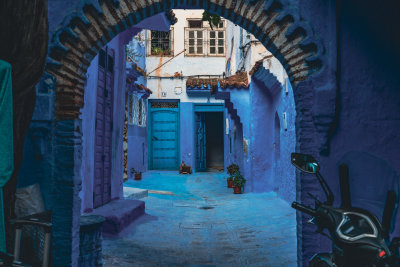
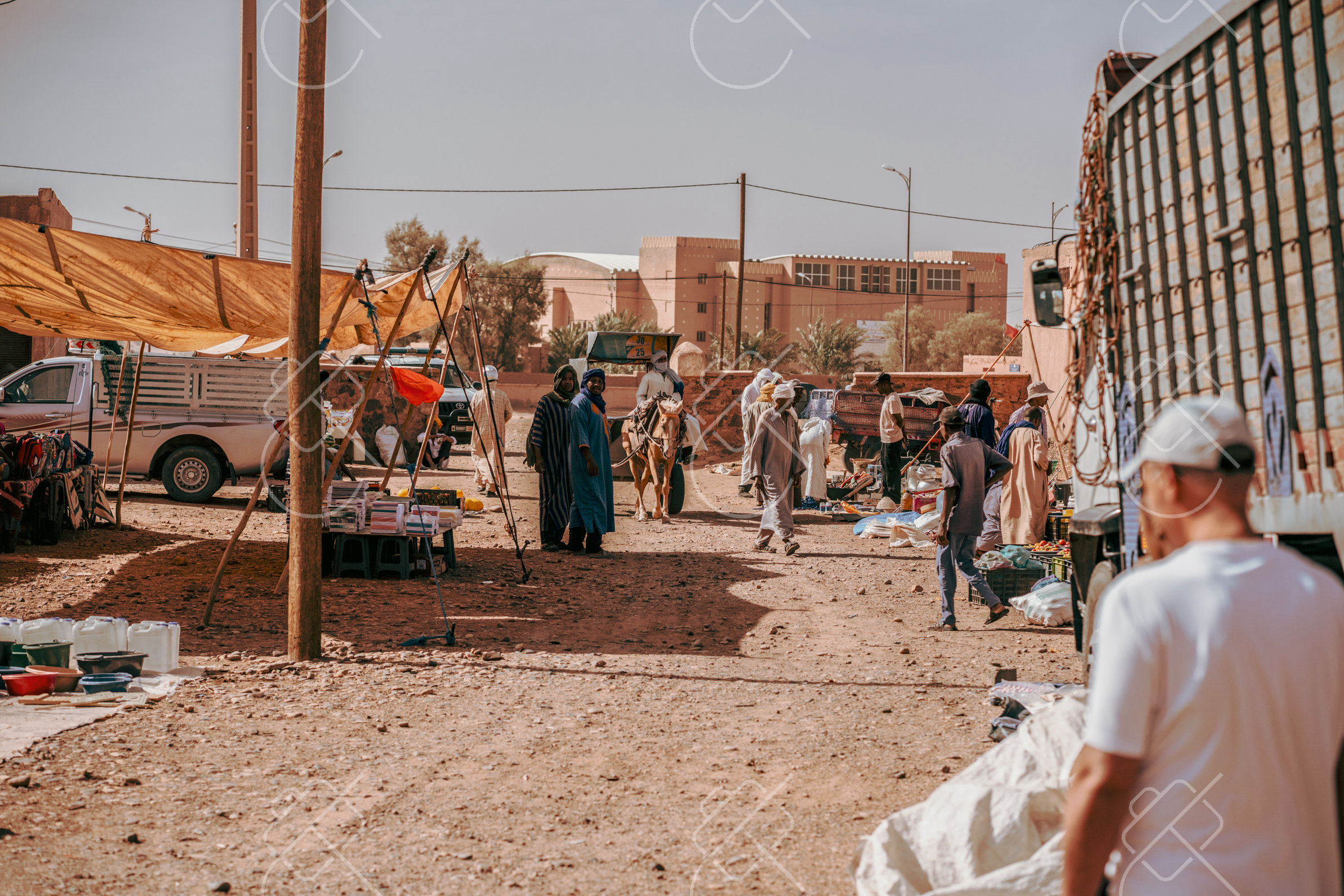
Medinas in Fes, Marrakech, Chefchaouen and Tetouan are mazes of narrow lanes, stairs and handcarts. A few small things make them much easier:
• Offline maps downloaded before you arrive, with your riad pinned. Phone signal is patchy deep in the Fes medina, and GPS drifts between high walls.
• Tissues, hand sanitiser and wet wipes. Toilets in cafés and stations often have no paper, and street food is eaten with your hands.
• Small change for toilets, tips and mint tea.
• A zipped bag worn in front. Pickpocketing is the main crime risk in crowded souks; see is Morocco safe for the common scams and how to deal with fake guides.
• A reusable shopping bag for souvenirs, which also makes you look less like you're about to buy more. Haggling is expected; our souk haggling guide explains how.
Shoes matter here: medina streets are uneven, often polished smooth, and many riads have steep stairs to the roof terrace. Grippy trainers or walking sandals beat flat fashion sandals.
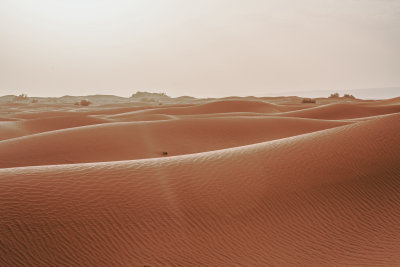
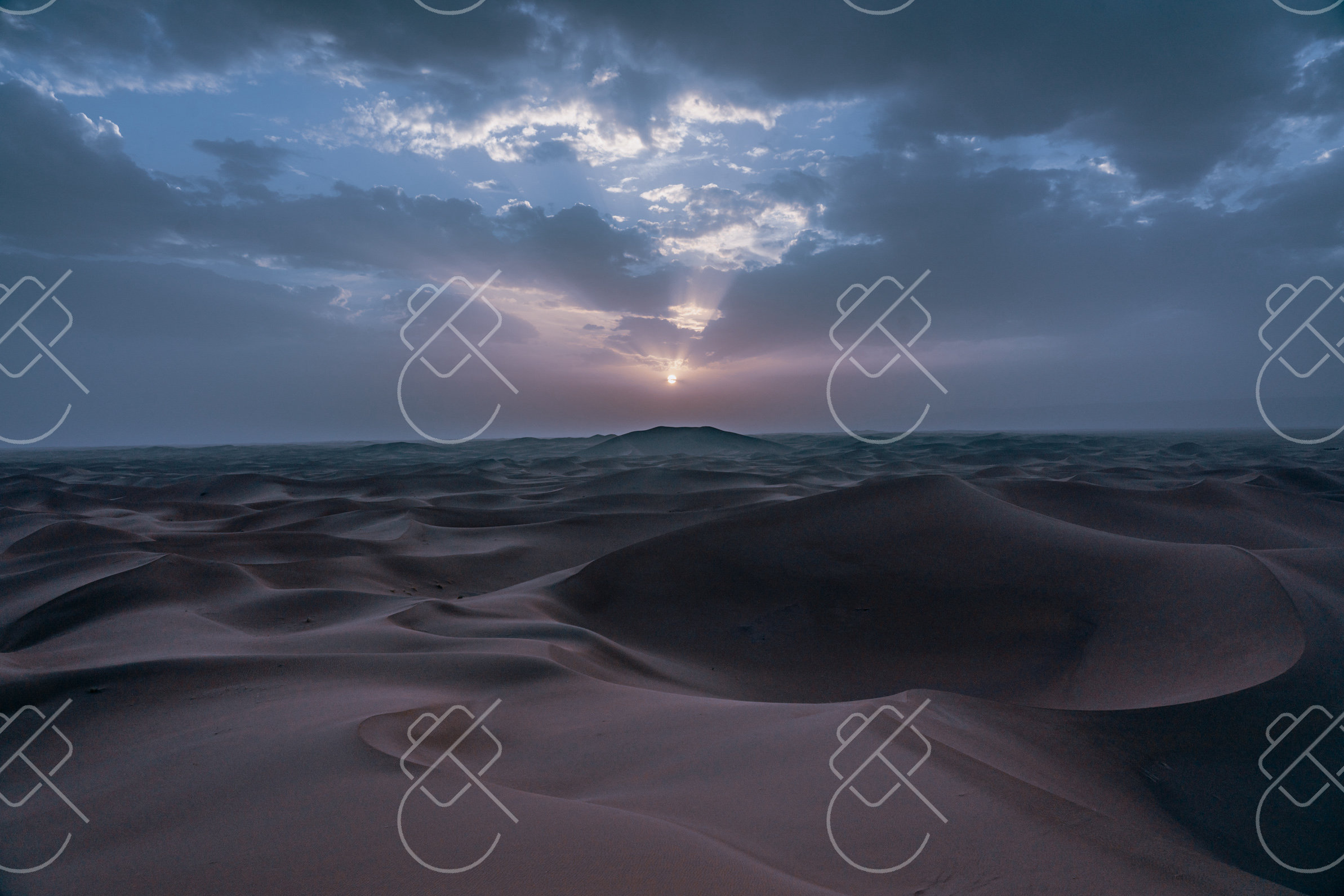
Desert camps at Erg Chigaga and Merzouga are hot by day and cool to cold at night, because the dry air loses heat fast after sunset. In the winter months nights can drop close to freezing; even in early autumn a fleece is welcome after dark. Camps provide blankets, but bring your own warm layer, long trousers, a hat and socks to sleep in.
Pack a small overnight bag rather than your main case: on most desert trips the vehicle or camel carries a limited load the last stretch, and sand gets into everything. Add a headtorch for walking between tents and toilets, a scarf or buff against wind-blown sand, lip balm, sunscreen, and ziplock bags for your phone and camera. Erg Chigaga involves a long off-road stretch from M'Hamid, so motion sickness tablets are worth having if you need them.
Which desert to choose, and how many days to allow, is in our Erg Chigaga vs Merzouga guide. For winter-specific detail, including the High Atlas passes and Ramadan, see Morocco in winter.
Drones: Morocco's customs administration states that importing and using drones is prohibited without prior authorisation, and asks travellers to declare any drone on arrival to avoid confiscation. In practice undeclared drones are seized at the airport or ferry port. Unless you have authorisation arranged in advance, don't pack one.
Power: Moroccan sockets are Type C and E (two round pins) at about 220-230V. Phone and laptop chargers marked 100-240V work with a plug adapter. Riads in old medina houses sometimes have few sockets, so a compact multi-port USB charger helps.
Medicine: bring prescription medicine in original packaging with a copy of the prescription. Pharmacies are easy to find in every town and pharmacists commonly speak French. Pack a basic stomach kit (oral rehydration salts, loperamide) and check vaccine advice in our vaccines and health prep guide.
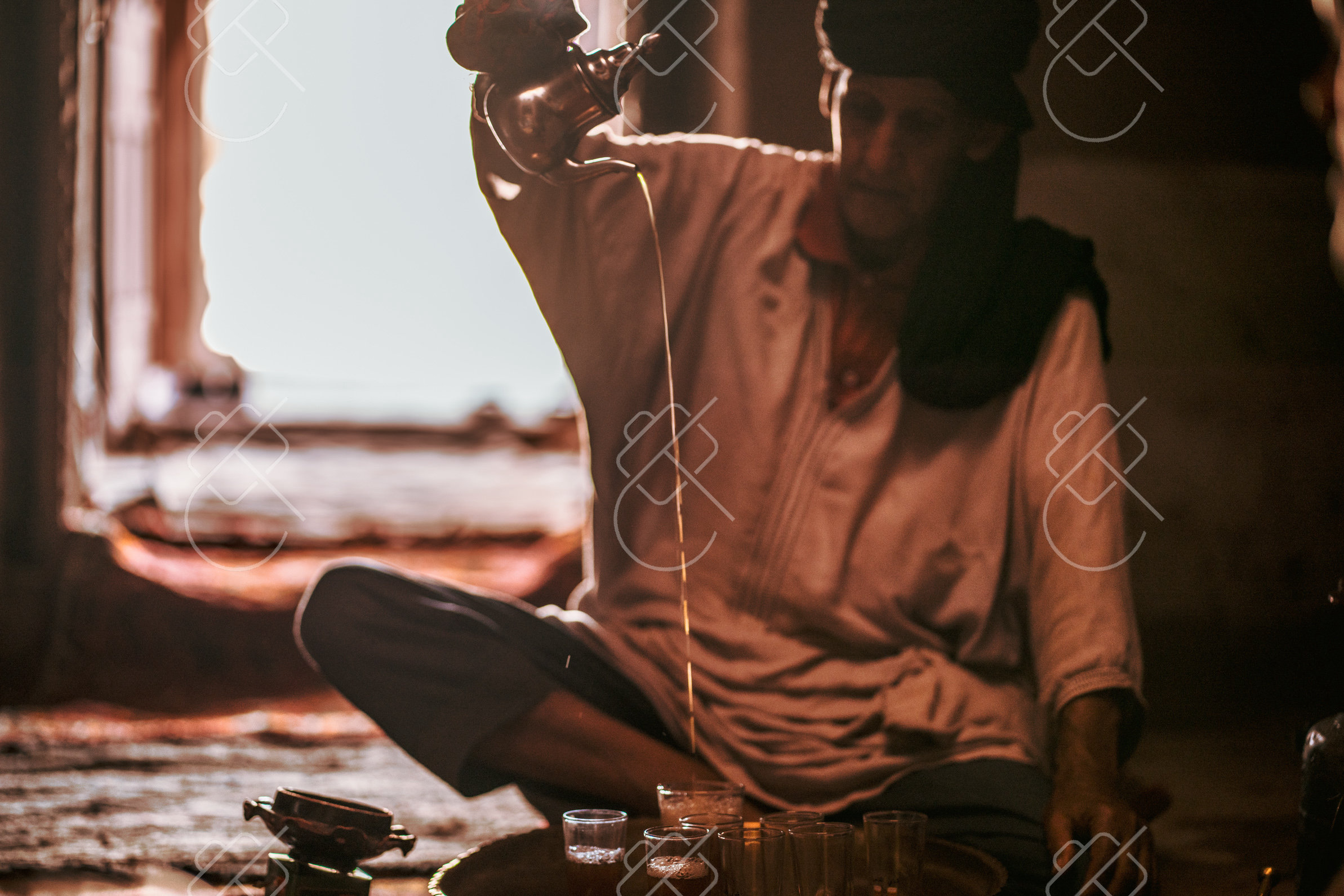
Scarves, light cotton shirts, babouche slippers, argan-based toiletries and a cheap djellaba for desert evenings are all sold in the souks, so arrive with space in your bag. Toiletries are easy to find in supermarkets in the new towns of every city.
For our own route, see the 24-day Morocco itinerary, the Fes guide and Marrakech and the Sahara. Mosque and religious-site dress is covered in the Morocco mosque dress code. The core kit for a longer trip is in our long-trip packing list.
Only up to 2,000 MAD (≈ $203) in banknotes, in or out. The dirham is a closed currency, so pack euros, pounds or dollars or a fee-free card and get dirhams from ATMs or exchange desks on arrival. Keep receipts to change leftovers back.
Not without prior authorisation. Morocco's customs administration says importing and using drones is prohibited without it and asks travellers to declare drones on arrival; undeclared drones are seized.
A warm fleece or light down jacket, long trousers, a hat and socks, a headtorch, a scarf against sand, lip balm, sunscreen and ziplock bags for electronics, all in a small overnight bag.
Type C and E, with two round pins, at about 220-230V. Chargers marked 100-240V work with an adapter.
Get our new Morocco guides and practical tips by email: where to stay, what to eat, what things cost and the rules that catch travelers out.
Free. No spam, only new guides and tips.
Search verified local fleets with low security deposits and exact model delivery on Localrent.
Looking for the best deals on Morocco hotels? Check Hotels.com.