Home
About us
Destinations & Country Guides
Travel Guides
Recipes
Featured
Photos As Art
Abstract Prints
Locations
Travel Gear
Travel Resources
Favorites
Photo Framer
Explore Photos
Contact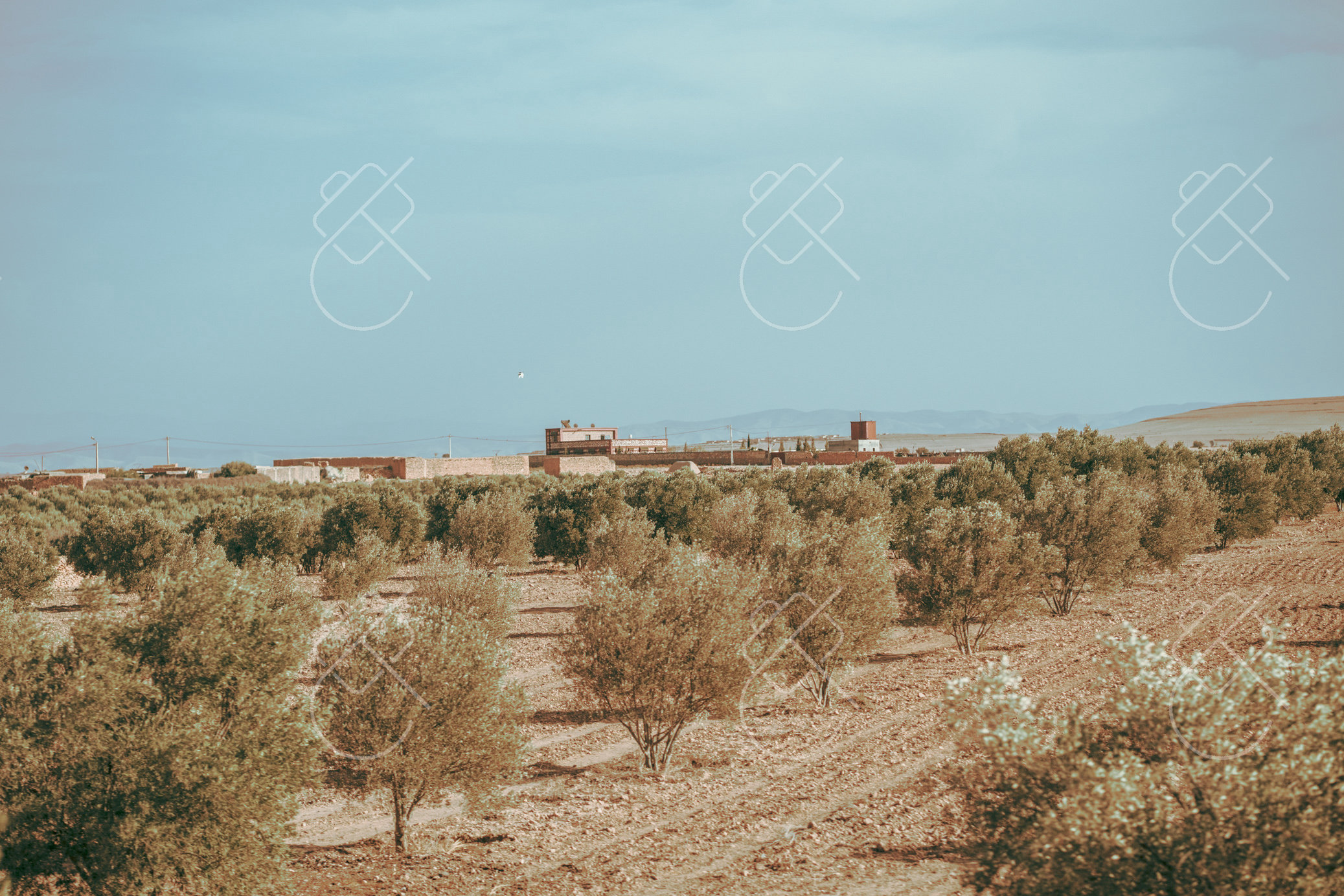 Food & culture
By Clever Tourists · Published
Morocco has two shopping worlds. Marjane, Carrefour and the discount chain BIM are where Moroccans buy their weekly shop, with fixed prices and air conditioning. The souk and the neighbourhood market are where the actual cooking ingredients live: spices ground in front of you, olives by the bowl, bread baked twice a day. Buy your spices in the souk and your water in the supermarket.
This is the practical rule that catches people out: the Moroccan dirham cannot be imported or exported. You cannot buy it before you arrive, and you cannot legally take it home.
In practice that means changing money on arrival, spending or converting what is left before you fly, and treating any leftover notes as a small loss rather than a souvenir.
Cards work in supermarkets, hotels and many restaurants. Souks, small shops and taxis are cash. Our Morocco tipping guide covers what to leave and to whom.
Ras el hanout is the blended spice mix, and every vendor has their own ratio of twenty-odd spices. Buy a small bag, smell it, and only buy more if it is fragrant rather than dusty.
Cumin, coriander, cinnamon and saffron are the individual spices worth buying. Saffron from Taliouine in the south is the real thing; threads should be deep red with no yellow styles.
Ground spices lose their aroma within months. Buy whole where you can and grind at home — it travels better and lasts longer.
Harissa is the chilli paste, and preserved lemons are sold in jars. Both are cheap and both are hard to find good versions of abroad.
Argan oil is the obvious one, and the most counterfeited. Culinary argan is roasted and has a nutty taste; cosmetic argan is unroasted and lighter. Buy from a cooperative rather than a stall at a tourist viewpoint, and check the bottle says food-grade if you intend to cook with it.
Amlou is ground almonds with argan oil and honey, eaten on bread at breakfast. It is heavy, so buy a small jar.
Olives are sold by the kilo in dozens of varieties, cured with lemon, chilli or herbs. Buy a small tub for the week rather than as a souvenir — they do not travel well.
Mint tea means gunpowder green tea and a lot of sugar. The tea itself is worth buying; the ceremony you will be offered in a shop is usually a prelude to a sales pitch, which is fine as long as you know.
Bread is bought fresh twice a day — khobz from the neighbourhood oven in the morning and again in the late afternoon. Buy it the same day you eat it.
Markets are busiest early. In smaller towns there is often a weekly market on a fixed day, and on that day the town effectively moves there.
Fridays are slower. Many shops close around midday prayer, and some stay shut for the afternoon.
Ramadan changes everything: opening hours shift, some shops close in the afternoon and food shopping peaks late in the day before iftar. We cover the travel effects in visiting Morocco during Ramadan.
No. The dirham is a closed currency, so it cannot be imported or exported. Change money on arrival and spend or convert any remainder before you leave.
In a souk or neighbourhood market, where they are ground to order and are far more fragrant than supermarket packets. Buy whole spices where possible.
Buy from a cooperative rather than a roadside stall, and check whether it is culinary (roasted, nutty) or cosmetic (unroasted). Food-grade bottles will say so.
Yes, but hours shift and many shops close in the afternoon, with food shopping peaking late in the day before iftar.
Get our new Morocco guides and practical tips by email: where to stay, what to eat, what things cost and the rules that catch travelers out.
Free. No spam, only new guides and tips.
Search verified local fleets with low security deposits and exact model delivery on Localrent.
Find the best deals on Morocco accommodation with Booking.com.