Home
About us
Destinations & Country Guides
Travel Guides
Recipes
Featured
Photos As Art
Abstract Prints
Locations
Travel Gear
Travel Resources
Favorites
Photo Framer
Explore Photos
Contact Etiquette & culture
By Clever Tourists · Published
Moroccan hospitality is generous to the point of pressure, and the etiquette is built around accepting it. Refusing mint tea, refusing a second helping, or refusing to enter a shop are the behaviours that read as rude — not the ones visitors worry about. The rules are about accepting graciously, not about formality.
Eat, give and receive with the right hand. The left is for hygiene. This matters most when eating from a shared dish or handing over money.
Bread is eaten with the right hand and used to scoop. Tearing it with both hands then eating with the right is normal.
Bread is not thrown away casually — it is treated with a degree of respect that surprises visitors. Don't bin a whole loaf in front of your host.
Salt has a hospitality significance; offering and accepting it frames a guest relationship. You will not need to do anything, but it explains the ceremony around a shared meal.
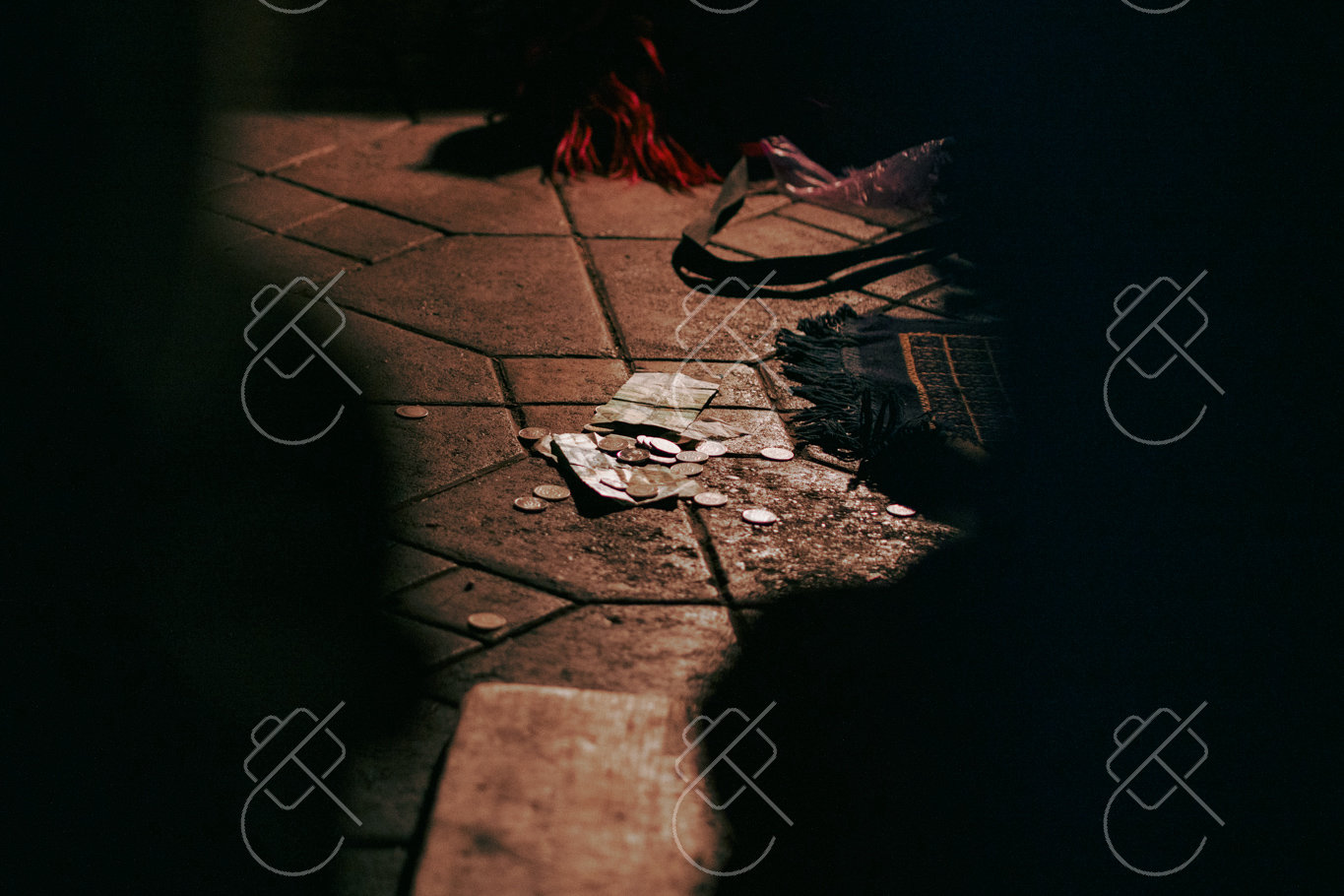
Refusing mint tea is genuinely rude, not merely impolite. It is the gesture of welcome, and declining it signals rejection of the hospitality rather than a preference for coffee.
Take at least one glass. You do not have to finish it, and you do not have to accept a third. The first is the one that matters.
Pouring from height is technique, not showing off — it aerates the tea. Complimenting it is a good way to move a conversation past a sales pitch.
Haggling is expected, and refusing to engage with the ritual is more awkward than haggling badly. The opening price is not the price.
Do not handle goods aggressively or point at people. Ask, and let the seller hand things to you.
Walking away is part of the negotiation, not an insult — though actually leaving without a word is.
Asking for a photo of a person is fine if you ask; photographing people without asking, particularly women, is not. See Morocco souk haggling and scams.
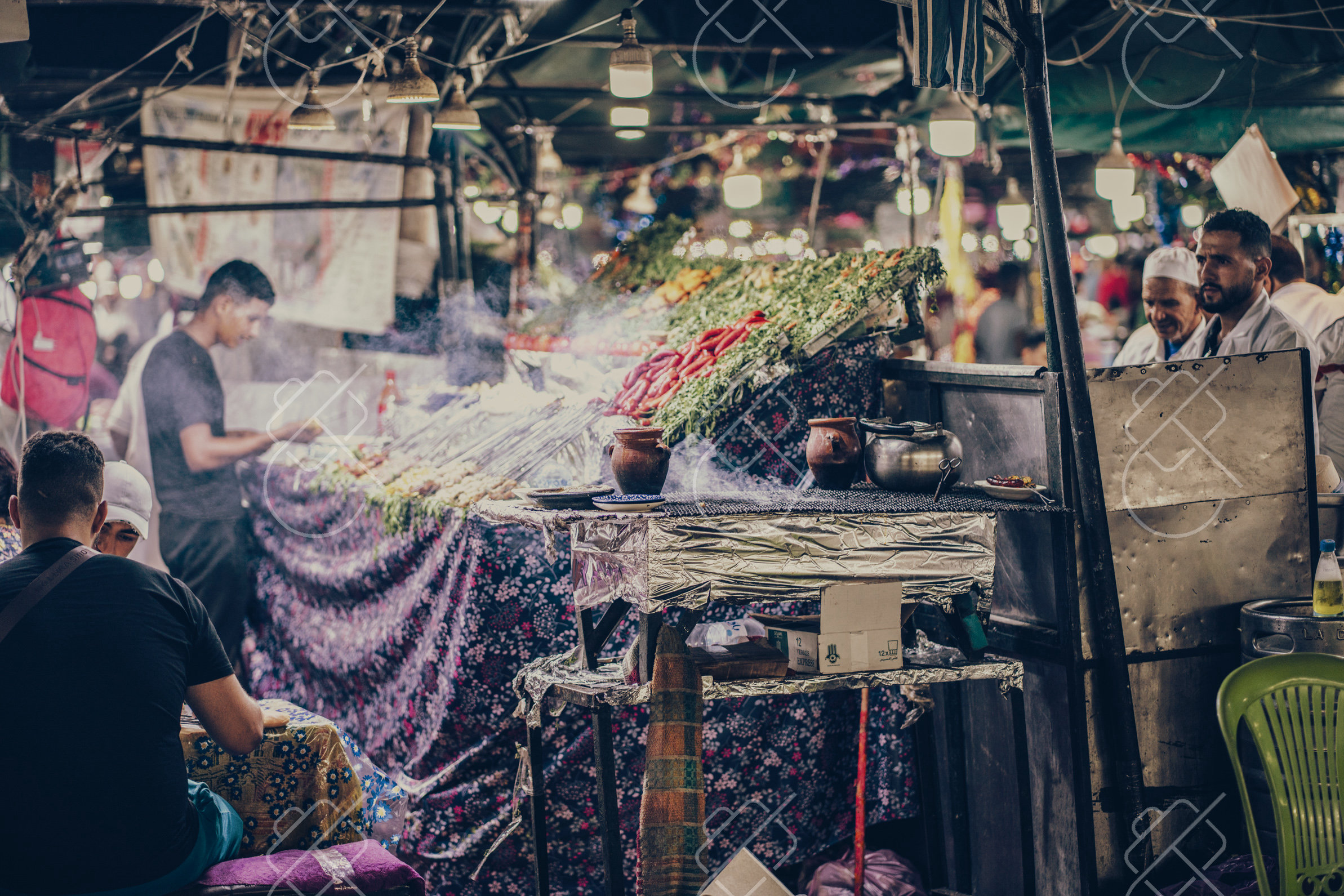
Most Moroccan mosques do not admit non-Muslims at all. Hassan II in Casablanca is the main exception and requires a paid guided tour. Turning up at a neighbourhood mosque and expecting to look inside is the mistake — see mosque dress code in Morocco.
Shoes come off at the door of a home. Follow your host.
Do not offer to shake a woman's hand unless she extends hers first. A hand on the heart with a slight nod is the safe greeting.
During Ramadan, do not eat, drink or smoke in public during daylight. Our Ramadan travel guide covers the practical side.
Yes, genuinely. It is the gesture of welcome, so declining reads as rejecting the hospitality. Take at least one glass.
Most functioning mosques do not admit non-Muslims. Hassan II Mosque in Casablanca is the main exception and requires a paid guided tour.
The right hand, for eating, giving and receiving. The left is considered unclean.
Not unless she offers her hand first. A hand on the heart with a slight nod is the safe greeting.
Get our new Morocco guides and practical tips by email: where to stay, what to eat, what things cost and the rules that catch travelers out.
Free. No spam, only new guides and tips.
Search verified local fleets with low security deposits and exact model delivery on Localrent.
Compare Morocco hotels and get the best deals on Booking.com.