Home
About us
Destinations & Country Guides
Travel Guides
Recipes
Featured
Photos As Art
Abstract Prints
Locations
Travel Gear
Travel Resources
Favorites
Photo Framer
Explore Photos
Contact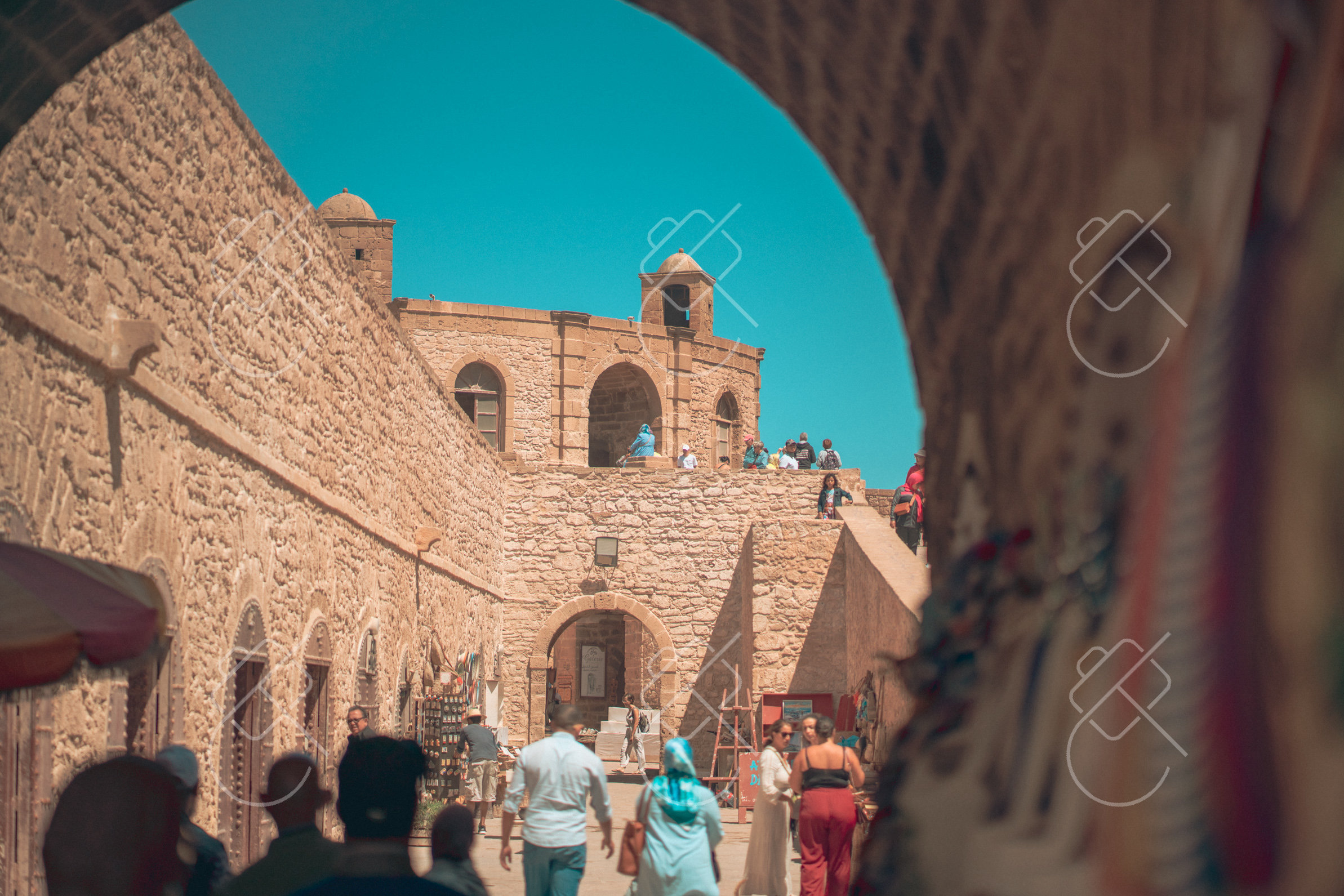 Destinations & Itineraries
By Clever Tourists · Published
Two nights. We spent 2 days in Essaouira, from 7 to 9 September 2022, between a night in Casablanca and the start of our Marrakech and Sahara leg. One full day covers the medina, the Mellah and the Skala de la Ville ramparts at sunset; the second goes to the port at 8am, the fish grills, and the long beach south toward Diabat. A day trip from Marrakech is possible, but the bus takes about 2.5 to 3 hours each way, which leaves roughly six hours in town and no sunset. A third night is for Sidi Kaouki, kitesurfing, or simply a slower pace.
• Day trip from Marrakech: about 6 hours on the ground. Enough for the medina, the Skala and a fish lunch at the port, not for the evening, when the town is at its best.
• 1 night: arrive by lunch, ramparts at sunset, port the next morning. It works, just.
• 2 nights: the right length, and what we had. One day for the walled town, one for the port and the beach, as in our Essaouira guide.
• 3 nights: add Sidi Kaouki, about 25 km south, a kitesurf lesson, or a ride through the argan country inland.
• 4 or more: a beach-and-rest stop on a long Morocco trip. The town itself does not need it.
The medina is a near-grid, small enough to walk end to end in about 15 minutes, so you do not need days for sightseeing. What you need time for is the rhythm: the morning catch, the afternoon wind, and sunset on the walls.
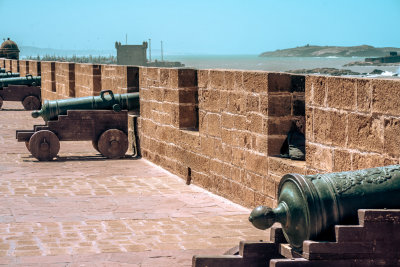
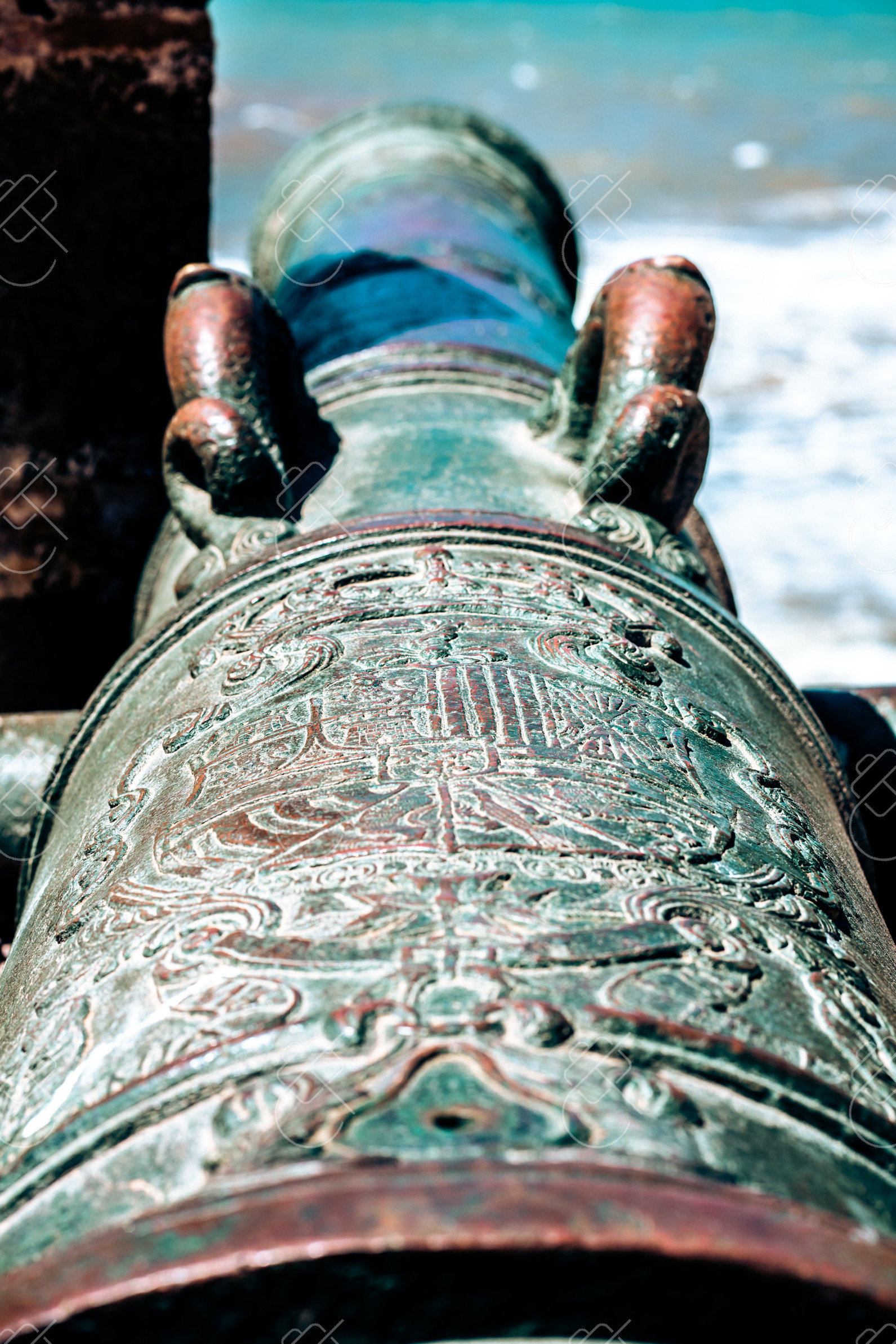
Day 1, the medina, the Mellah and the Skala de la Ville. Enter at Bab Doukkala and walk Avenue Mohammed Zerktouni into the souks around the clock tower. Turn into the Mellah, the former Jewish quarter in the north of the medina, for the restored Slat Lkahal synagogue. In the afternoon, visit the thuya woodworkers in the arches beneath the ramparts, then climb onto the Skala de la Ville, the 18th-century gun platform lined with bronze cannon, and stay until sunset, when the walls turn orange and the wind drops.
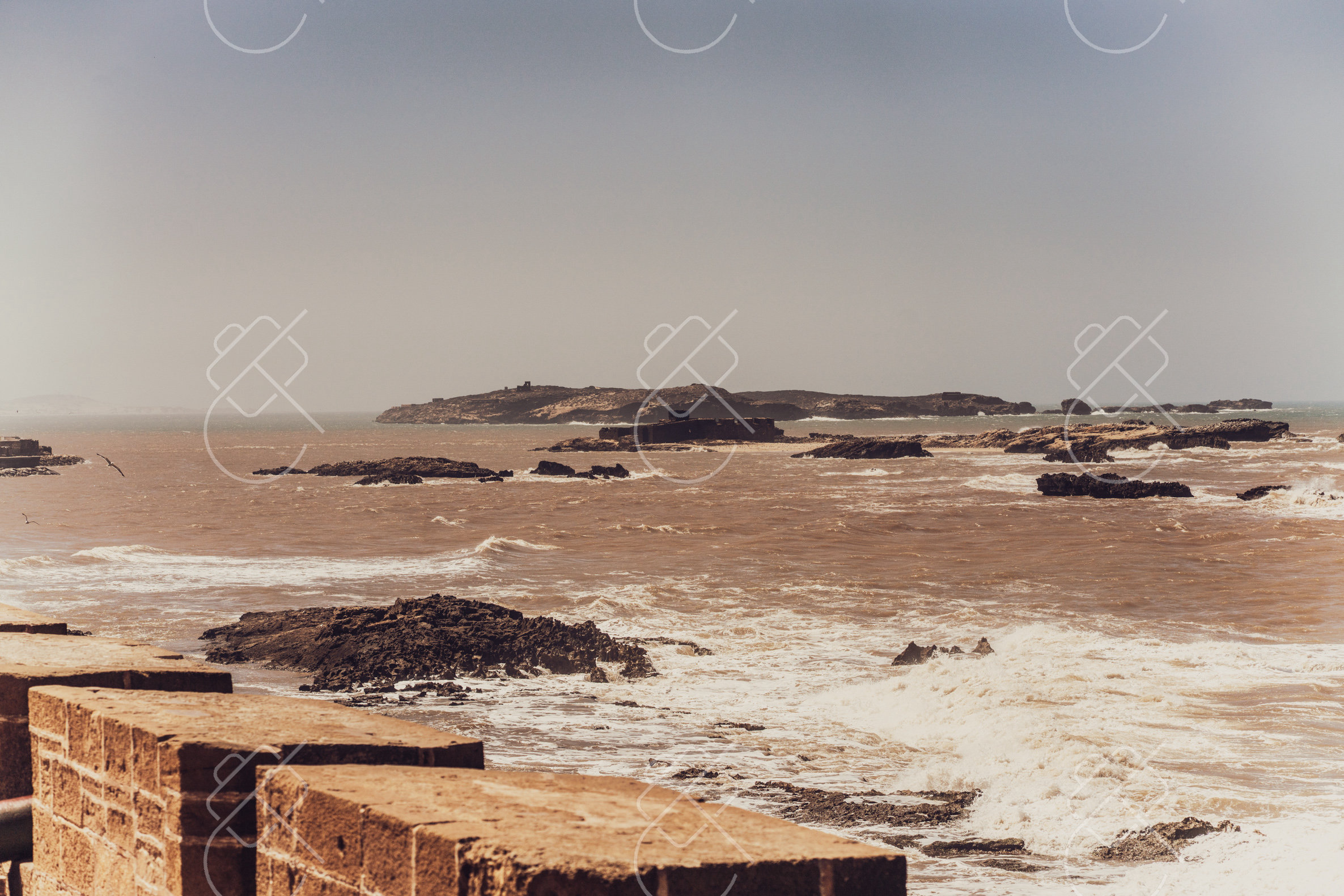
Day 2, the port and the beach. Be at the port by 8am, when the blue boats unload and the catch is auctioned, then pay the small fee to climb the Skala du Port for the view back across the medina walls. Pick lunch from the fish stalls by Place Moulay Hassan and agree the per-kilo price before they cook. In the afternoon, walk south along the beach toward Diabat and the ruined Bordj El Berod fort, which is easiest at low tide; check the tide before you set out.
Day 3, if you have it. Sidi Kaouki, about 25 km south, has a quieter surf beach and a whitewashed marabout shrine on the shore. Or stay in town for a kitesurf lesson: from roughly April to September the steady trade wind makes Essaouira one of Morocco's main kitesurfing spots.
Bargaining in the souks is gentler than in Marrakech, but the same rules apply; our souk haggling guide has starting points for thuya boxes and rugs.
For two nights, stay inside the medina walls. Riads there put the Skala, the souks and the port within a few minutes' walk, and the medina is car-free, so taxis drop you at Bab Marrakech or by the port and you walk the last stretch. The newer hotels along the beachfront south of the medina are quieter and suit a longer beach or kitesurf stay, but every evening on the ramparts then means a walk back along the seafront.
No railway reaches Essaouira, so it is a bus or road stop. On our route it came between Casablanca, where one night was enough for the Hassan II Mosque, and Marrakech. Direct CTM and Supratours buses from Casablanca take about 6 to 6.5 hours; a common alternative is the train to Marrakech and a bus from there. Our 24-day Morocco itinerary has the whole route.
From Marrakech, CTM and Supratours buses take about 2.5 to 3 hours. On a one-week trip, Essaouira is the alternative to the desert: our 7-day Morocco itinerary suggests swapping the long drives to Erg Chigaga for two nights on the coast if you would rather not spend two days on the road. How many days in Marrakech and day trips from Marrakech cover the other end.
The Atlantic keeps temperatures in a narrow band, roughly 18°C in winter to the mid-20s in summer. April to June and September to October are the best months. In July and August the trade wind is strongest and the town fills with Moroccan holidaymakers, but at around 22 to 25°C it is far cooler than Marrakech. That is why it suits a late-summer route like ours, early September, between the hot interior cities.
The Gnaoua World Music Festival usually takes over the town in late June; book well ahead or avoid those dates. Winter is quiet and mild, with occasional Atlantic storms, and riad rates drop.
• Expecting a lazy swimming beach. The wind that makes Essaouira cool also makes the beach blustery in the afternoons. It is a walking and kitesurfing beach first.
• Doing it as a day trip and missing sunset. The Skala de la Ville at dusk is the reason to stay the night.
• Not confirming prices at the fish grills. Agree the price per kilo and the grilling charge before anything goes on the fire.
• Forgetting cash. The dirham is a closed currency and many medina stalls take cash only; see our dirham guide and Morocco tipping guide.
Yes. Two nights covers the medina, the Mellah and the Skala de la Ville at sunset on one day, and the port, the fish grills and the beach toward Diabat on the other.
It is possible, but the bus takes about 2.5 to 3 hours each way, which leaves roughly six hours in town and no sunset on the ramparts. Stay at least one night if you can.
Two days, from 7 to 9 September 2022, after a night in Casablanca and before Marrakech and the Sahara.
By CTM or Supratours bus, about 2.5 to 3 hours. There is no railway to Essaouira.
April to June and September to October. July and August are windiest and busiest but stay around 22 to 25°C, far cooler than Marrakech.
Get our new Morocco guides and practical tips by email: where to stay, what to eat, what things cost and the rules that catch travelers out.
Free. No spam, only new guides and tips.
Search verified local fleets with low security deposits and exact model delivery on Localrent.
Get the best deals on a hotel in Morocco before you book elsewhere — Booking.com.