Home
About us
Destinations & Country Guides
Travel Guides
Recipes
Featured
Photos As Art
Abstract Prints
Locations
Travel Gear
Travel Resources
Favorites
Photo Framer
Explore Photos
Contact Seasonal travel
By Clever Tourists · Published
Pick Niseko for the most reliable deep powder and an English-speaking resort town on one connected mountain; pick Hakuba for bigger, steeper terrain spread across ten resorts, cheaper lift passes and an easy add-on to a Tokyo trip. The trade-off is simple: Niseko is a Hokkaido detour with peak prices to match, while Hakuba sits about three hours from Tokyo by Shinkansen and bus but needs shuttle buses to move between areas. We have not skied either. We spent 2 days in Matsumoto in March 2023, the castle town in the same Nagano Alps that Hakuba sits in, and this comparison uses the resorts' own 2026-27 prices and dates.
• First-timers and families: Niseko. Grand Hirafu has a resort village at the base, ski schools that teach in English and one lift pass covering four linked areas, so you do not need buses.
• Strong skiers who want variety: Hakuba. The Hakuba Valley pass covers ten resorts, from Happo-one's long runs to Cortina's tree skiing, and the Northern Alps give more vertical and alpine scenery.
• On a tighter budget: Hakuba. A 1-day valley pass is ¥11,100 (≈ $70) against Niseko's ¥13,500 (≈ $86) peak price, and town accommodation is usually less inflated than Hirafu's.
• Combining skiing with Tokyo, Kyoto or the Alps route: Hakuba. It is a day's travel from Tokyo by land and fits a loop through Matsumoto and Takayama.
• Nightlife and après in English: Niseko, specifically Hirafu, which is the most international ski town in Japan. Hakuba has bars in Echoland and Wadano but is more spread out.
Niseko United All Mountain pass (Annupuri, Niseko Village, Grand Hirafu and Hanazono), adult prices from the official Niseko United site: 1 day ¥13,500 (≈ $86), 3 days ¥39,500 (≈ $250), 5 days ¥65,500 (≈ $415), 7 days ¥91,500 (≈ $580) in peak season, which runs 24 December 2026 to 28 February 2027. Regular season (12 to 23 December 2026 and 1 to 22 March 2027) is about 7% cheaper: 1 day ¥12,600 (≈ $80), 5 days ¥61,000 (≈ $386). Early and spring prices drop to ¥8,800 (≈ $56) a day. Day tickets also cover night skiing on the last day, and night skiing runs 12 December 2026 to 22 March 2027.
Niseko season dates: all four areas plan to open on 28 November 2026. Niseko Village closes 4 April and Hanazono 11 April 2027; Annupuri and Grand Hirafu run to 5 May 2027. The adult season pass is ¥184,400 (≈ $1,168) plus a ¥1,000 (≈ $6.3) card deposit, and Niseko United is an Ikon Pass partner.
Hakuba Valley Day Pass, adult prices from the official Hakuba Valley site: 1 day ¥11,100 (≈ $70), 3 days ¥32,200 (≈ $204) (valid 6 days from first use), 5 days ¥53,400 (≈ $338) (valid 10 days). It covers Jigatake, Kashimayari, Sanosaka, ABLE Hakuba Goryu, Hakuba47, Happo-one, Iwatake, Tsugaike, Norikura and Cortina, and includes the Hakuba Valley shuttle bus on days you ski. Night skiing and the night shuttle are not included. Passes go on sale on the official webshop around November. Hakuba Valley is an Epic Pass partner rather than Ikon.
Hakuba season dates are set resort by resort and had not been announced for 2026-27 when we checked; the official site says they depend on snow. Most Hakuba resorts typically open in early to mid December, with Happo-one and Tsugaike usually among the last to close in spring.
On a 5-day trip, the lift pass alone is about ¥12,000 (≈ $76) cheaper in Hakuba at peak. That is the clearest number in this comparison; accommodation varies far more by date than by resort.
Niseko: fly to New Chitose Airport outside Sapporo, then take an airport bus to Hirafu, about 2.5 to 3 hours. Winter timetables for 2026-27 were not yet published in late October; the Hokkaido Resort Liner and Chuo Bus run the main services. Allow at least 90 minutes after an international landing before your bus. There is no Shinkansen to Niseko yet, so from Tokyo you fly to Sapporo first.
Hakuba: take the Hokuriku Shinkansen from Tokyo to Nagano, then the Alpico express bus to Hakuba, about 70 to 100 minutes depending on the stop. Fares on that bus run roughly ¥2,900 to ¥3,800 (≈ $18.4–24), and from 2026-27 Alpico splits services into reserved and unreserved buses. Direct buses from Shinjuku take about 5 hours. Our Shinkansen and JR Pass guide covers the Tokyo to Nagano leg, and is the Japan Rail Pass worth it helps if you are also travelling elsewhere.
Ski bags are easiest sent ahead: luggage forwarding from Tokyo or the airport reaches Hakuba or Niseko lodgings in a day or two.
Niseko faces cold air off the Sea of Japan and is known for light, dry snow that falls almost daily in January. The terrain is moderate: wide groomers plus gate-access backcountry from the summit, which the resort controls under the Niseko Rules. Lift lines and Hirafu restaurants are busiest over Christmas to New Year and Chinese New Year (6 February 2027).
Hakuba's peaks are higher and steeper, with more varied terrain spread across the valley. Snow is heavy most winters but wetter at the lower resorts, and some base areas get rain in December and March. Because skiers spread across ten resorts, single-resort crowds are usually lighter than Hirafu at peak, except on weekends when Japanese skiers drive up from Tokyo and Nagoya.
Best months for both: mid-January to mid-February for the deepest, driest snow; early March for longer days, lower prices and still-good cover. December is a gamble on base depth.
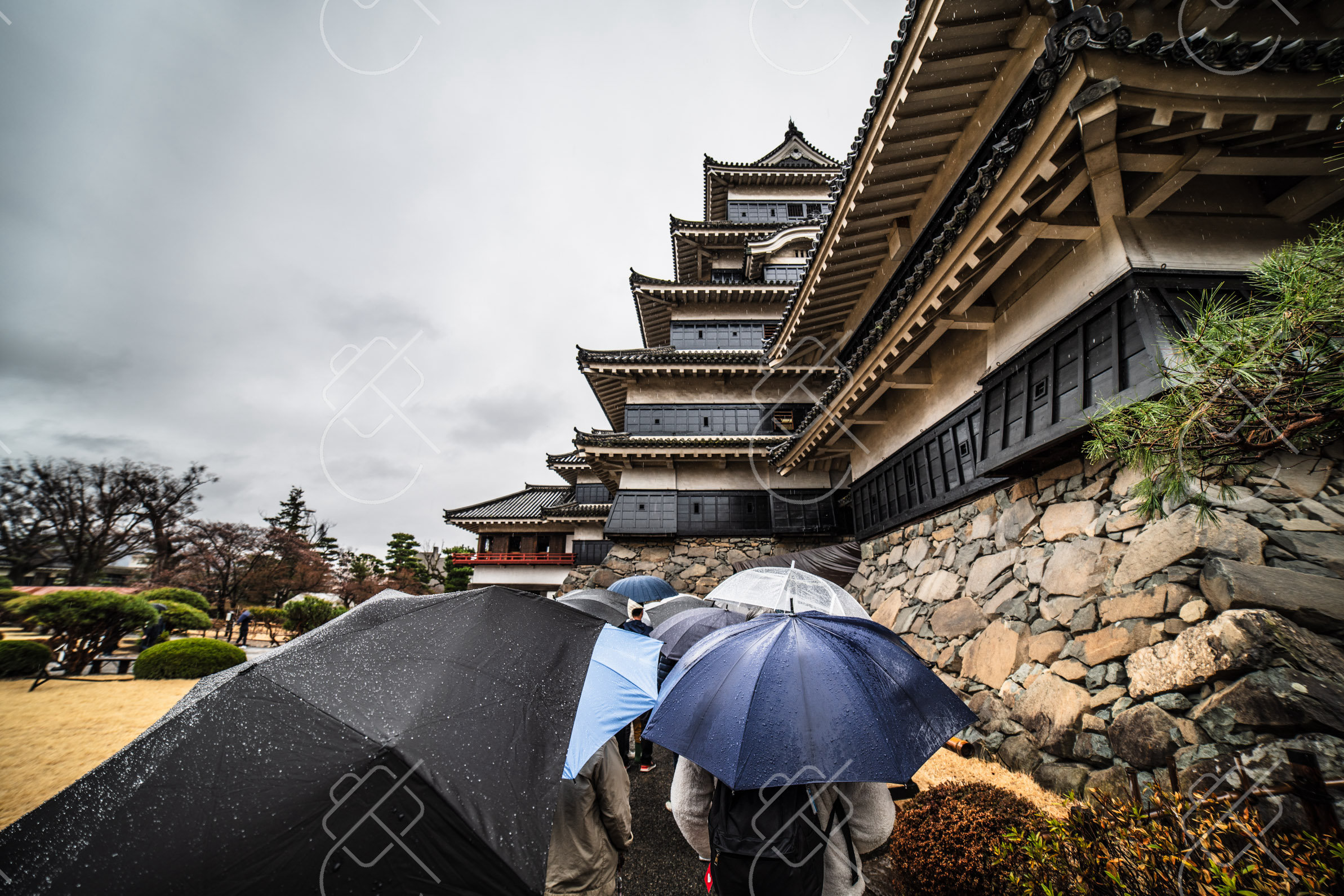
Both areas have onsen. Most public baths still restrict visible tattoos; read our onsen etiquette guide before you go. Niseko pairs with Sapporo (Snow Festival in early February) and Otaru. Hakuba pairs with the snow monkeys at Jigokudani near Nagano, and with the Alps towns: Matsumoto Castle is about 1.5 hours south by train, and Takayama and Kanazawa continue the route west to Kyoto.
For cold-weather clothing, temperatures and what else is open in January, see Japan in winter and what to wear in Japan. Our Japan trip cost guide shows where the money goes on the non-ski days.
Christmas, New Year and Chinese New Year weeks in Hirafu book out months ahead; book accommodation for those dates by late summer if you can. Lift passes can wait: Niseko sells multi-day passes online for a small discount, and Hakuba Valley passes go on sale around November. Ski school places for children in peak weeks are the other item that sells out, in both resorts.
If you are on an Ikon or Epic pass, that decides it for many people: Ikon includes Niseko United, Epic includes Hakuba Valley. Check your pass's day allocation and blackout dates before booking flights.
Hakuba. A 1-day Hakuba Valley pass is ¥11,100 (≈ $70) against ¥13,500 (≈ $86) at Niseko in peak season, and a 5-day pass is about ¥12,000 (≈ $76) cheaper.
Niseko United plans to open all four areas on 28 November 2026. Hakuba's resorts set their own dates, typically early to mid December.
Niseko, mainly because one pass covers four linked areas with no buses, and Grand Hirafu has English-speaking ski schools at the base.
Shinkansen to Nagano, then the Alpico express bus, about 70 to 100 minutes and roughly ¥2,900 to ¥3,800 (≈ $18.4–24). Direct buses from Shinjuku take about 5 hours.
Niseko United is an Ikon Pass partner and Hakuba Valley is an Epic Pass partner. Check day allocations and blackout dates for your pass.
Get our new Japan guides and practical tips by email: where to stay, what to eat, what things cost and the rules that catch travelers out.
Free. No spam, only new guides and tips.
Get the best deals on Japan hotels on Booking.com before prices climb.