Home
About us
Destinations & Country Guides
Travel Guides
Recipes
Featured
Photos As Art
Abstract Prints
Locations
Travel Gear
Travel Resources
Favorites
Photo Framer
Explore Photos
Contact Seasonal travel
By Clever Tourists · Published
Golden Week 2027 in Japan runs from Thursday 29 April to Wednesday 5 May. The national holidays are Shōwa Day on 29 April and Constitution Day, Greenery Day and Children's Day on Monday 3 to Wednesday 5 May; Friday 30 April is a normal working day and 1 to 2 May is the weekend. Many people take the Friday off and get seven days in a row, so treat the whole week as busy, with the heaviest crowds from about 1 to 5 May. Golden Week does not close Japan: shops, restaurants and sights stay open. The problem is that trains, hotels and the famous sights are full of domestic travellers and prices rise. If your dates are flexible, the two weeks before 29 April or after 6 May are calmer. Our own Japan trip ran from 18 March to 20 April 2023, ending a week before Golden Week began.
• Thursday 29 April: Shōwa Day, a national holiday. Some people start their trips the evening before
• Friday 30 April: a normal working day, but many workers take it off to bridge the gap. Expect busy trains out of the big cities
• Saturday 1 and Sunday 2 May: weekend; popular sights and day-trip spots get very crowded
• Monday 3 May: Constitution Memorial Day
• Tuesday 4 May: Greenery Day
• Wednesday 5 May: Children's Day. This and the day before are typically the big return days into Tokyo, Osaka and Nagoya
• Thursday 6 May: back to work for most people; trains and sights quieten quickly
These dates come from Japan's national holiday law and the 2027 calendar published by the Cabinet Office. Because 30 April is a working day, 2027's Golden Week is two blocks: a single Thursday holiday and a five-day block from Saturday 1 to Wednesday 5 May. The five-day block is when most domestic travel happens.
Shinkansen and limited express trains are the first thing to sell out. Unreserved cars on the Tokaido Shinkansen between Tokyo, Kyoto and Osaka can be standing room only on peak days. Reserved seats go on sale one month before the travel date, at 10:00 Japan time, so seats for 1 May 2027 open on 1 April. Book the moment they open if you must travel on the peak days. Our Shinkansen and JR Pass guide explains reservations, and the JR Pass worth-it page covers whether a pass still makes sense.
Hotels in Kyoto, Tokyo, Osaka, Hakone and other weekend-break areas fill up and prices for 1 to 4 May jump well above an ordinary spring weekend. Book as early as possible with free cancellation. See where to stay in Kyoto and where to stay in Tokyo for areas.
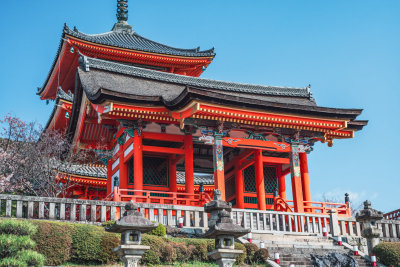
The famous sights: Fushimi Inari, Arashiyama and Kiyomizu-dera in Kyoto, Nara Park, Hakone, Kamakura and Mount Fuji's Fuji Five Lakes all get crowded. Arrive at opening or go late. Highway traffic jams on the expressways are a national news story every year, so do not plan a self-drive day trip on 3 to 5 May.
What is calmer: central Tokyo business districts on the holiday days, because many residents leave town. Department stores, shops and restaurants mostly stay open; a few small family restaurants close for a day or two. Golden Week is very different from the New Year break at the end of December, when closures are much wider.
Avoid it if this is your first trip to Japan, you plan to move between cities every two or three days, or you are on a tight budget. Moving on peak days, paying peak hotel rates and queuing at every sight is the worst version of Japan.
It is workable if you book hotels and train seats early, base yourself in one or two places, and plan your city moves for 29 April, 30 April or after 6 May rather than 1 to 5 May. A week in Tokyo during Golden Week can feel fine, because so many Tokyo residents leave, while Kyoto feels its fullest.
Go around it if you can. The weeks just before 29 April are late spring: the cherry blossom has finished in Tokyo and Kyoto, but it is mild and green. Mid-May, after Golden Week, is one of the quietest and most pleasant times of year before the June rainy season. See our best time to visit Tokyo guide and, for the earlier window, our cherry blossom 2027 forecast.

• Arrive before 29 April and do your long-distance moves in the last week of April, then spend 1 to 5 May in one city
• Or arrive on 6 May or later and you miss the rush entirely; prices fall back within days
• Use the Thursday-Friday gap: 29 and 30 April are busier than an ordinary week but much easier than 1 to 5 May
• Choose less obvious day trips: instead of Arashiyama or Kamakura on 3 May, pick a smaller town or a museum day
• Book Shinkansen seats at 10:00 exactly one month before if you must travel on a peak day, and consider the less busy early-morning departures
• Ship your luggage with a luggage-forwarding service so you are not fighting with suitcases on full trains; see our luggage forwarding guide
If you are building a longer route, our 33-day Japan itinerary and 10-day itinerary show the stops; just shift the city moves off the peak days.
Children's Day on 5 May is marked by carp streamers (koinobori) flying outside homes, along rivers and at some temples, which is the main visual sign of the holiday. In Fukuoka, the Hakata Dontaku parade is held on 3 and 4 May each year and draws very large crowds.
Kyoto's Aoi Matsuri parade on 15 May comes after Golden Week, so a trip timed for mid-May gets both a quieter city and one of Kyoto's three big festivals. Other local events vary by year; check the city tourism site before building a trip around one.
Golden Week also falls in the same week as holidays elsewhere in Asia. Korea's Children's Day is also 5 May, Vietnam's Reunification Day and Labour Day are 30 April and 1 May, and China's May Day holiday usually lands in the same window, so flights from those countries to Japan are busy too. Our Asia festival and holiday calendar 2027 lists the dates.
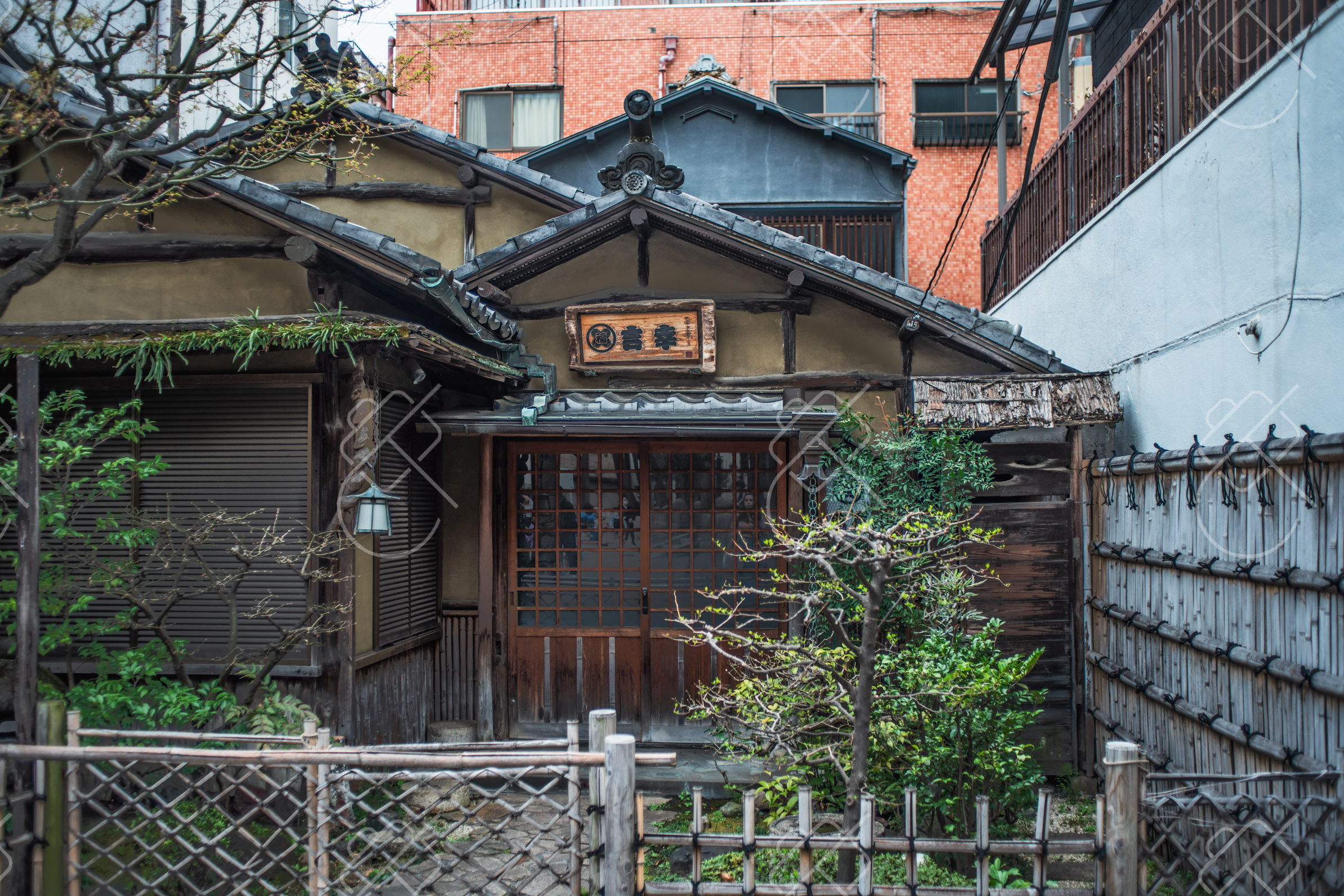
We were in Japan from 18 March to 20 April 2023: Tokyo, Hakone, Matsumoto, Takayama, Kanazawa, Kyoto, Nara, Osaka, Kobe, Himeji and Hiroshima, then back to Tokyo. That route is the classic cherry-blossom window, and we left the country a week before Golden Week started, which is roughly the plan we would recommend to anyone with a choice.
Golden Week is one of three peak travel periods in Japan. The others are Obon in mid-August, when Mountain Day falls on 11 August in 2027, and the New Year break from about 29 December to 3 January, when many businesses close. Plan around all three the same way: book early, travel on the shoulder days and stay put during the peak.
Thursday 29 April to Wednesday 5 May 2027. Friday 30 April is a working day, so the main block is Saturday 1 to Wednesday 5 May.
Expect the busiest travel days around 1 to 5 May, with heavy return traffic into the cities on 4 and 5 May. Trains and sights quieten from Thursday 6 May.
It is a hard time for a first trip with lots of city moves, because trains, hotels and sights are full and prices rise. Most shops and sights stay open, so it is workable if you book early and stay in one place during 1 to 5 May.
Reserved seats go on sale one month before the travel date at 10:00 Japan time, so seats for 1 May 2027 open on 1 April 2027.
No. Department stores, shops, restaurants and sights mostly stay open; a few small family restaurants close for a day or two. Wider closures happen at New Year, not Golden Week.
Get our new Japan guides and practical tips by email: where to stay, what to eat, what things cost and the rules that catch travelers out.
Free. No spam, only new guides and tips.
Compare Japan hotels and get the best deals on Booking.com.