Home
About us
Destinations & Country Guides
Travel Guides
Recipes
Featured
Photos As Art
Abstract Prints
Locations
Travel Gear
Travel Resources
Favorites
Photo Framer
Explore Photos
Contact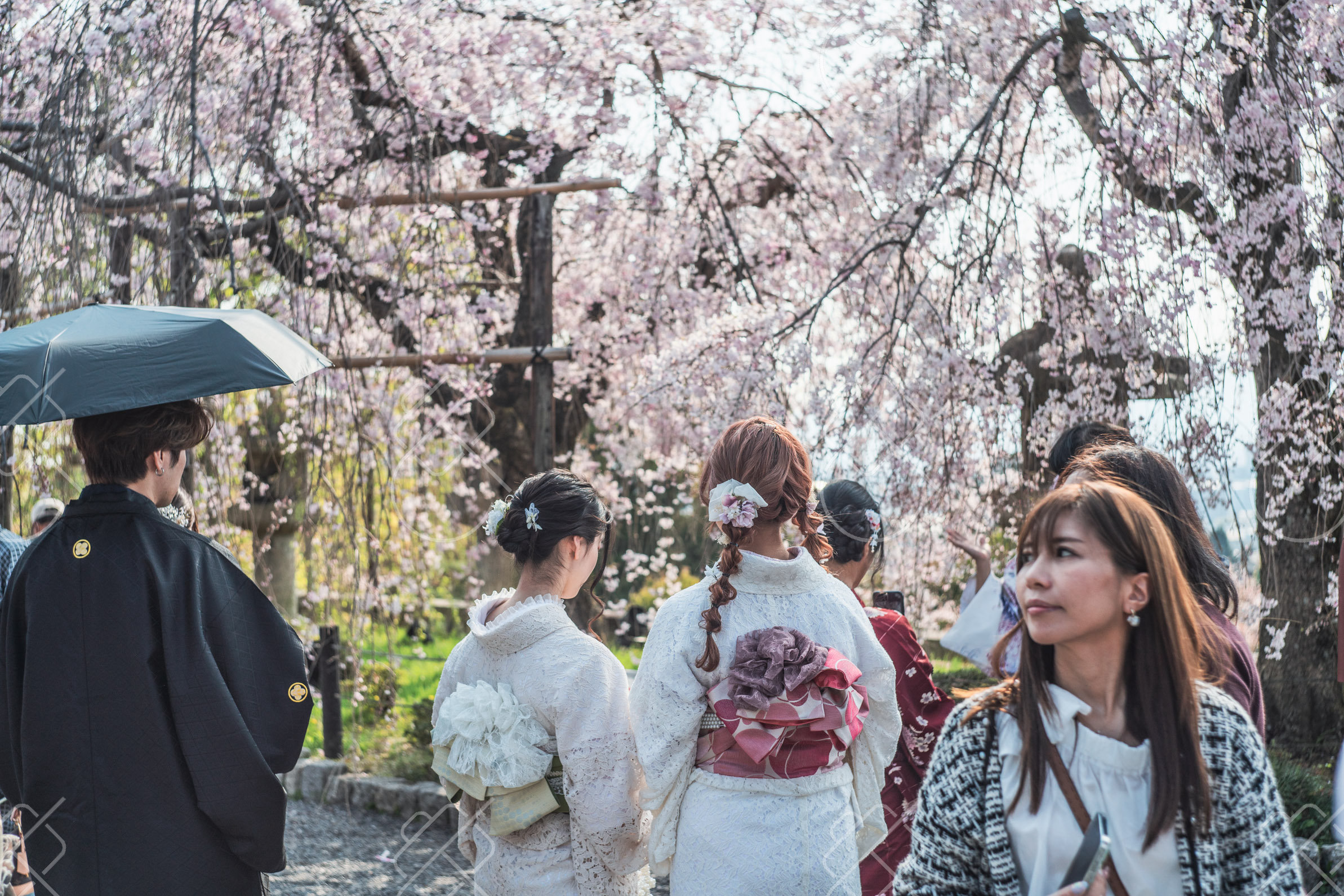 Culture & etiquette
By Clever Tourists · Published · Last updated
Wear layers in spring and autumn, the lightest breathable clothes you own in summer, and a proper warm coat from December to February. Japan has no enforced dress code for tourists, temples and shrines included, so comfort and shoes you can take off quickly matter more than modesty. Tokyo averages 14°C by day in March and 31°C in August (Japan Meteorological Agency normals), and Kyoto is hotter still in summer. What actually trips visitors up is footwear (shoes come off in temple halls, ryokan and some restaurants), socks (bare feet on tatami are frowned on) and the onsen, where you wear nothing at all. We travelled Japan from 18 March to 20 April 2023, from Tokyo through the Alps to Kyoto and Hiroshima, so we saw the spring conditions first-hand; the other seasons are built from JMA averages.
The table gives central Tokyo's average daily high and low and the month's rainfall, from the Japan Meteorological Agency's 1991–2020 normals. Kyoto runs about 2°C hotter than Tokyo from July to September, with an average high of 34°C in August, and has slightly colder winter mornings. The mountain towns are colder all year: Takayama averages 10°C by day and −2°C at night in March.
The two rainiest stretches are the June to July tsuyu rainy season and September to October, when typhoons pass; in Tokyo, September and October are the wettest months of the year. Winter on the Pacific side (Tokyo, Kyoto, Osaka) is cold but dry and bright. Our Japan in winter guide covers the snowy Japan Sea coast and the Alps.
| Month | Tokyo high / low | Rain | What to wear |
|---|---|---|---|
| January | 10 / 1°C (50 / 34°F) | 60 mm | Warm coat, sweater, scarf and gloves. Dry and sunny, so no heavy rain gear. |
| February | 11 / 2°C (52 / 36°F) | 57 mm | As January. The coldest mornings of the year in Kyoto. |
| March | 14 / 5°C (58 / 41°F) | 116 mm | A light down or wool coat over layers. Nights are still near 5°C when the first blossoms open. |
| April | 19 / 10°C (67 / 50°F) | 134 mm | Light jacket or trench coat, long sleeves and a sweater for evenings. Cherry blossom season. |
| May | 24 / 15°C (74 / 58°F) | 140 mm | T-shirts and light trousers, plus a thin layer for evenings and air-conditioned trains. |
| June | 26 / 19°C (79 / 65°F) | 168 mm | Breathable clothes and an umbrella. The humid tsuyu rainy season. |
| July | 30 / 22°C (86 / 72°F) | 156 mm | The lightest fabrics you own, a sun hat and spare shirts. The rainy season usually ends in the second half of the month. |
| August | 31 / 24°C (88 / 74°F) | 155 mm | Linen or quick-dry clothes, sunscreen and a small towel for sweat. The hottest month. |
| September | 28 / 20°C (82 / 69°F) | 225 mm | Summer clothes plus rain gear. Typhoon season. |
| October | 22 / 15°C (72 / 59°F) | 235 mm | Long sleeves, with a light jacket by the end of the month. Pack an umbrella. |
| November | 17 / 9°C (62 / 48°F) | 96 mm | Sweater and a mid-weight jacket. Autumn leaves peak in Kyoto late in the month. |
| December | 12 / 4°C (54 / 39°F) | 58 mm | Winter coat, layers and a hat. Bright days, cold after dark. |
There are no rules for either. Shorts, short skirts, sleeveless tops and sandals are all legal and common in summer. Japanese everyday style tends to be neat and layered, and covers the chest and shoulders more often than the legs, so a short skirt draws less attention than a low-cut top. Adult men in shorts are rarer in central Tokyo offices than in tourist areas, but nobody will comment.
Two practical points matter more than style. Wear shoes you can take off and put back on in seconds, because you will do it many times a day at temples, ryokan, some restaurants and fitting rooms. And carry clean socks without holes: walking barefoot on tatami is considered unhygienic, which is why sandals need a pair of socks in your bag.
Renting a kimono or summer yukata for a day is popular in Kyoto's Gion and Higashiyama and in Asakusa, and is welcomed at temples and shrines. If you wear one, wrap the left side over the right; right over left is how the dead are dressed.
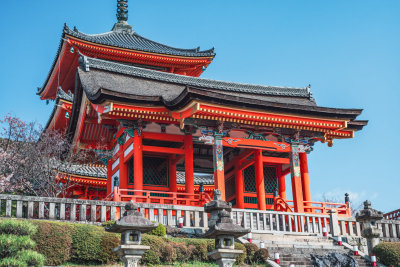
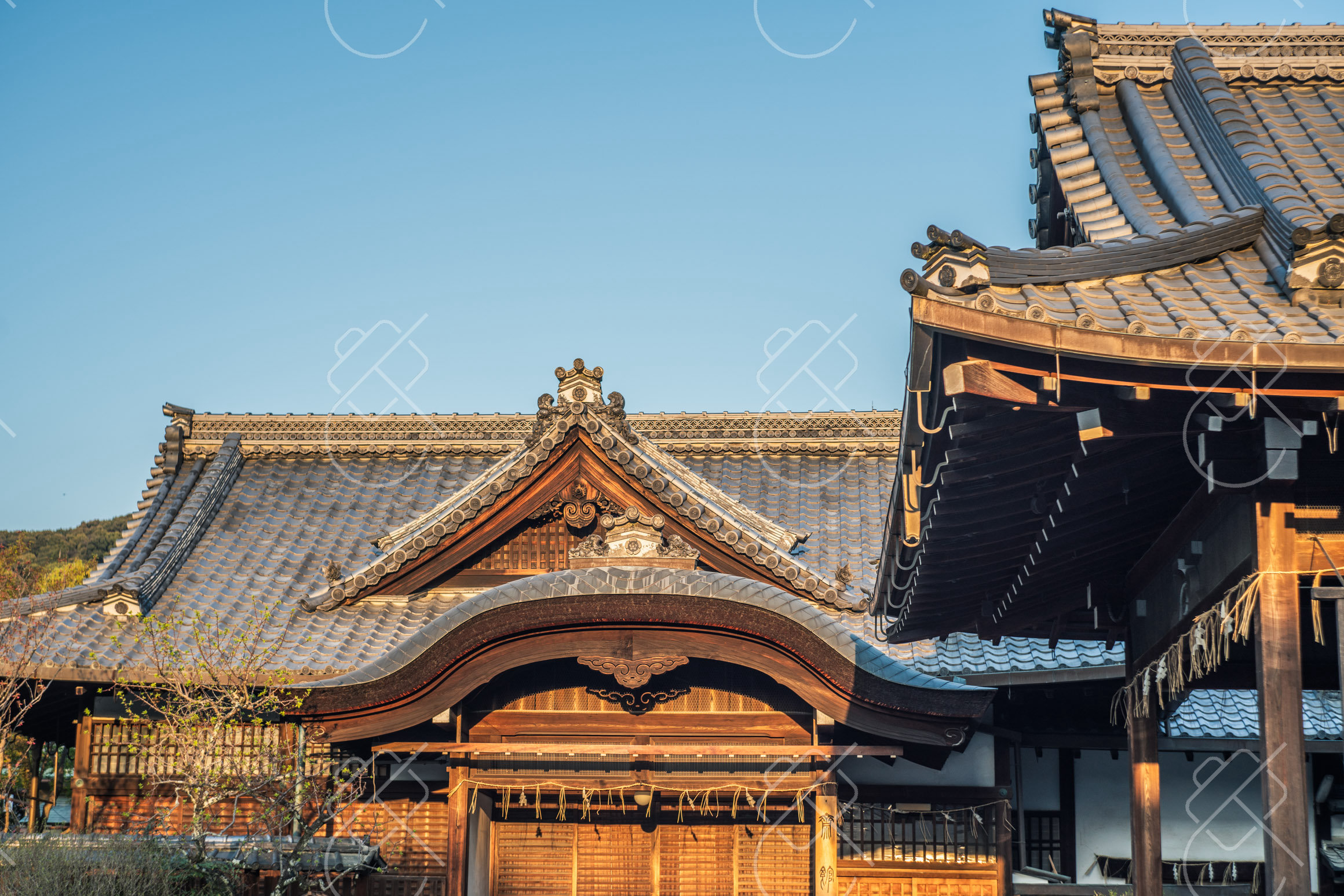
Temples and shrines have no enforced dress code, including Fushimi Inari, Sensō-ji and Kiyomizu-dera. Covered shoulders and knees are a courtesy, not a rule. What is expected: hats and sunglasses off inside halls, shoes off where you see a step up or shoe shelves, and socks on. The full breakdown is in our Japan and South Korea temple and shrine dress code guide, with site guides for Fushimi Inari, Sensō-ji and Kiyomizu-dera and Kinkaku-ji.
Ryokan: you are given a cotton yukata to wear in the building, to dinner and to the baths, with slippers for the corridors. Slippers come off before you step onto tatami, and the separate toilet slippers stay in the toilet.
Onsen and sento: you bathe naked, after washing at the shower stations, and the small towel never goes in the water. Swimsuits are not worn in traditional single-sex baths. Many baths still restrict visible tattoos; our onsen etiquette guide covers the workarounds.
• Shoes: one comfortable pair you can walk 20,000 steps in and slip off without unlacing. Slip-on shoes or loosely laced trainers save a lot of time at temple doors.
• Socks: more pairs than you think, all without holes.
• Layers: a T-shirt, a long-sleeved top and a light jacket cover spring and autumn; add a warm coat, hat and gloves for winter.
• Summer: quick-dry shirts, a sun hat, sunscreen and a small hand towel; Japanese stores sell cooling towels and handheld fans.
• Rain: a compact umbrella, or buy one at any convenience store when you need it.
• Space to spare: Japan is easy to shop for basics if you forget something, and our tax-free shopping guide explains how to claim back the consumption tax.
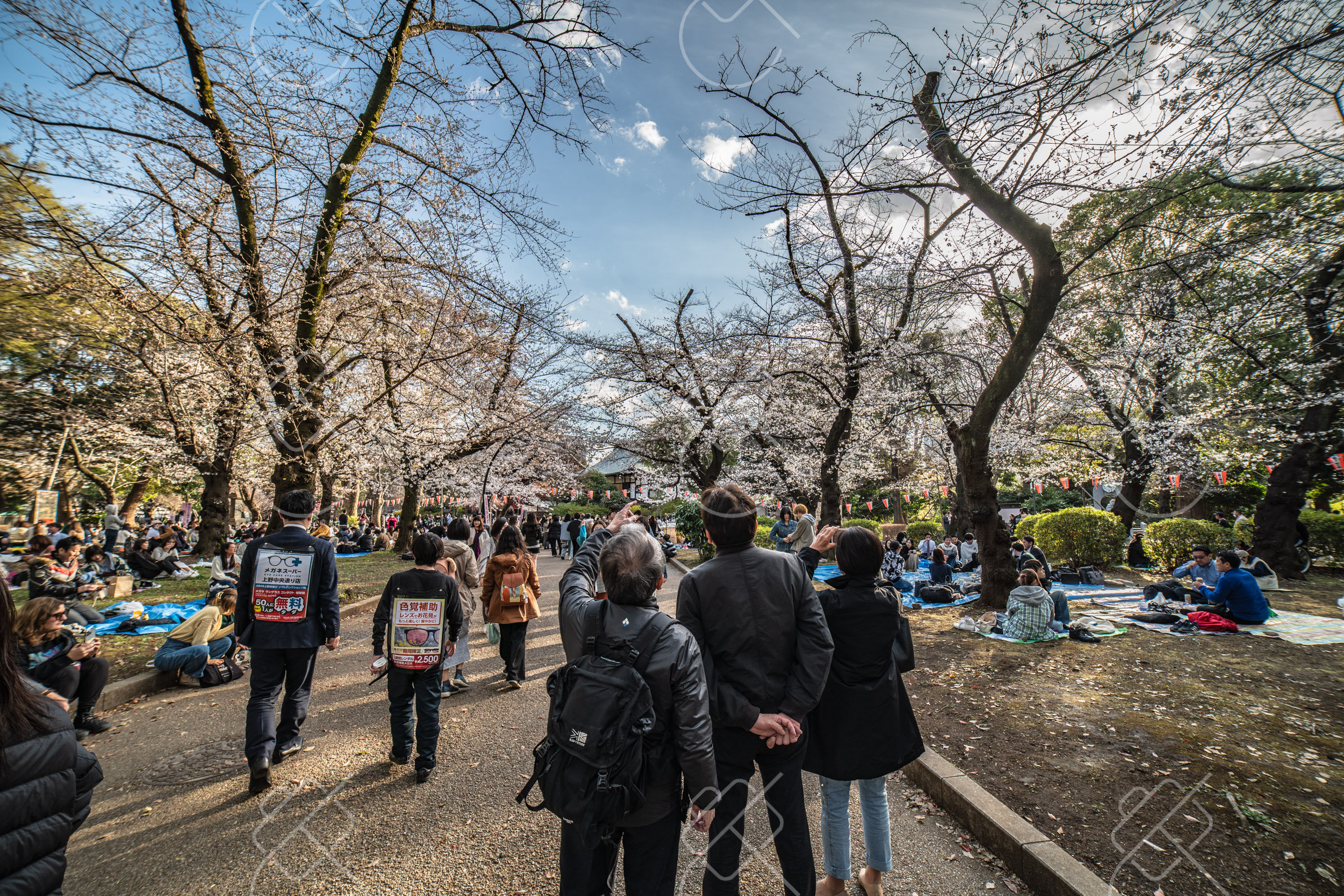
Our route ran from Tokyo (from 18 March 2023) through Hakone, Matsumoto, Takayama and Kanazawa to Kyoto, Nara, Osaka, Himeji and Hiroshima, and back to Tokyo until 20 April; the full route is in our 33-day Japan itinerary. That is cherry blossom season, and our photos from the blossom crowds in Tokyo in late March show coats and jackets rather than spring dresses: the trees bloom while nights are still around 5°C.
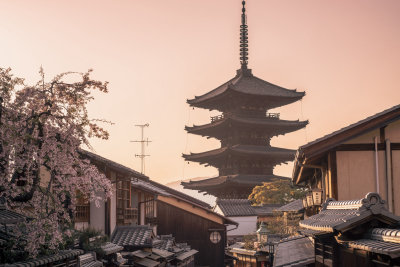
By early April in Kyoto, the kimono-rental crowd was out under the weeping cherries, which is where our cover photo was taken. Takayama, in the Alps at the end of March, sits close to freezing at night on average, so a warm layer earns its space even on a spring trip. If you are planning around the blossoms, see our 2027 cherry blossom forecast.
No. There is no enforced dress code on the street or at temples and shrines. What is expected is taking shoes off where indicated, wearing clean socks on tatami, and removing hats inside temple halls.
Layers: long sleeves, a sweater and a light jacket or trench coat. Tokyo averages 19°C by day and 10°C at night in April, and cherry blossom evenings are cool.
Long sleeves and a light jacket, with an umbrella. Tokyo averages 22°C by day and 15°C at night, and October is one of its two wettest months.
Yes, including at temples and shrines. Shorts are common in summer. Japanese everyday style is generally more covered at the chest and shoulders than at the legs.
Nothing. You wash at the shower stations first, bathe naked, and keep the small towel out of the water. Swimsuits are not worn in traditional single-sex baths.
Left side over right. Right over left is how the dead are dressed.
Get our new Japan guides and practical tips by email: where to stay, what to eat, what things cost and the rules that catch travelers out.
Free. No spam, only new guides and tips.
Get the best rates and deals on Japan hotels through Booking.com.