Home
About us
Destinations & Country Guides
Travel Guides
Recipes
Featured
Photos As Art
Abstract Prints
Locations
Travel Gear
Travel Resources
Favorites
Photo Framer
Explore Photos
Contact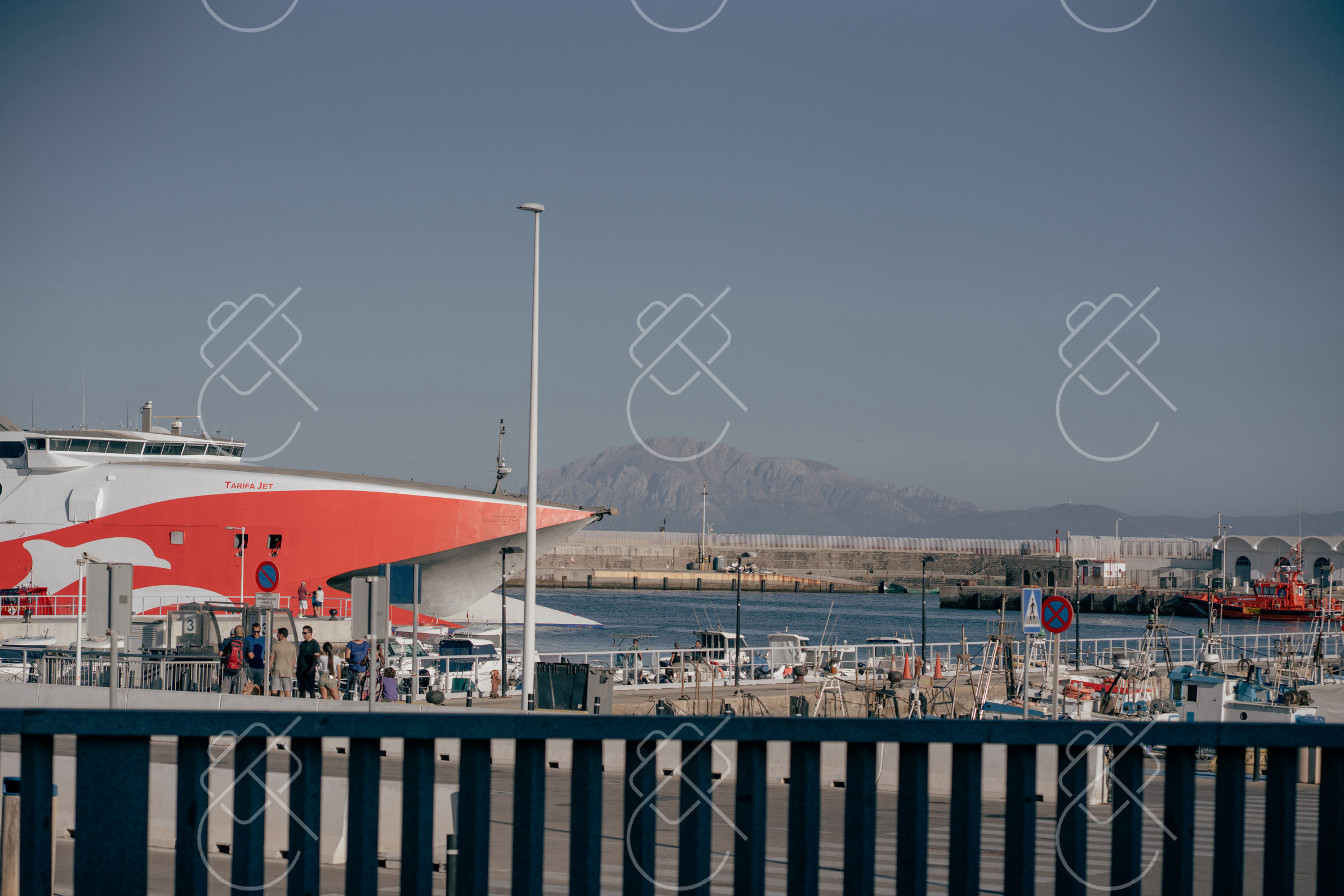 Gear & packing
By Clever Tourists · Published · Last updated
If your Spain trip includes Andalusia in summer, pack for heat first: Seville and Córdoba regularly pass 40°C in July and August, so a hat, a refillable bottle, sunscreen and a plan to rest in the afternoon matter more than anything else. After that, Spain needs a type C or F adapter, a bag that resists pickpockets in Barcelona and Madrid, and a light rain layer if you also go north. We spent June to early September 2022 in Spain: Madrid in June, the north coast and Barcelona and Valencia in July, then in August Murcia, Granada (4 days), Córdoba (2), Seville (5), Cádiz (2) and Tarifa.
Seville and Córdoba sit in the Guadalquivir valley, one of the hottest places in Europe. Average July and August highs are in the mid-30s °C, and heatwaves push past 40°C; nights often stay above 20°C. Granada is a little cooler at night because of its altitude, but days are just as hot.
• A wide-brimmed hat that packs flat. We carried a Selke oilskin hat (on our gear page).
• A large refillable bottle, at least a litre. Tap water is safe across Spain.
• High-factor sunscreen and sunglasses. Both are easy to buy in any farmacia or Mercadona if you run out.
• A small fan or a cooling towel for queues outside the Alhambra, the Mezquita and the Real Alcázar.
• Electrolyte sachets, sold in pharmacies.
Plan like a local: sights early, a long lunch and rest from about 2pm to 6pm, and out again in the evening when the streets fill up. Many smaller shops close in the afternoon, so carry snacks.
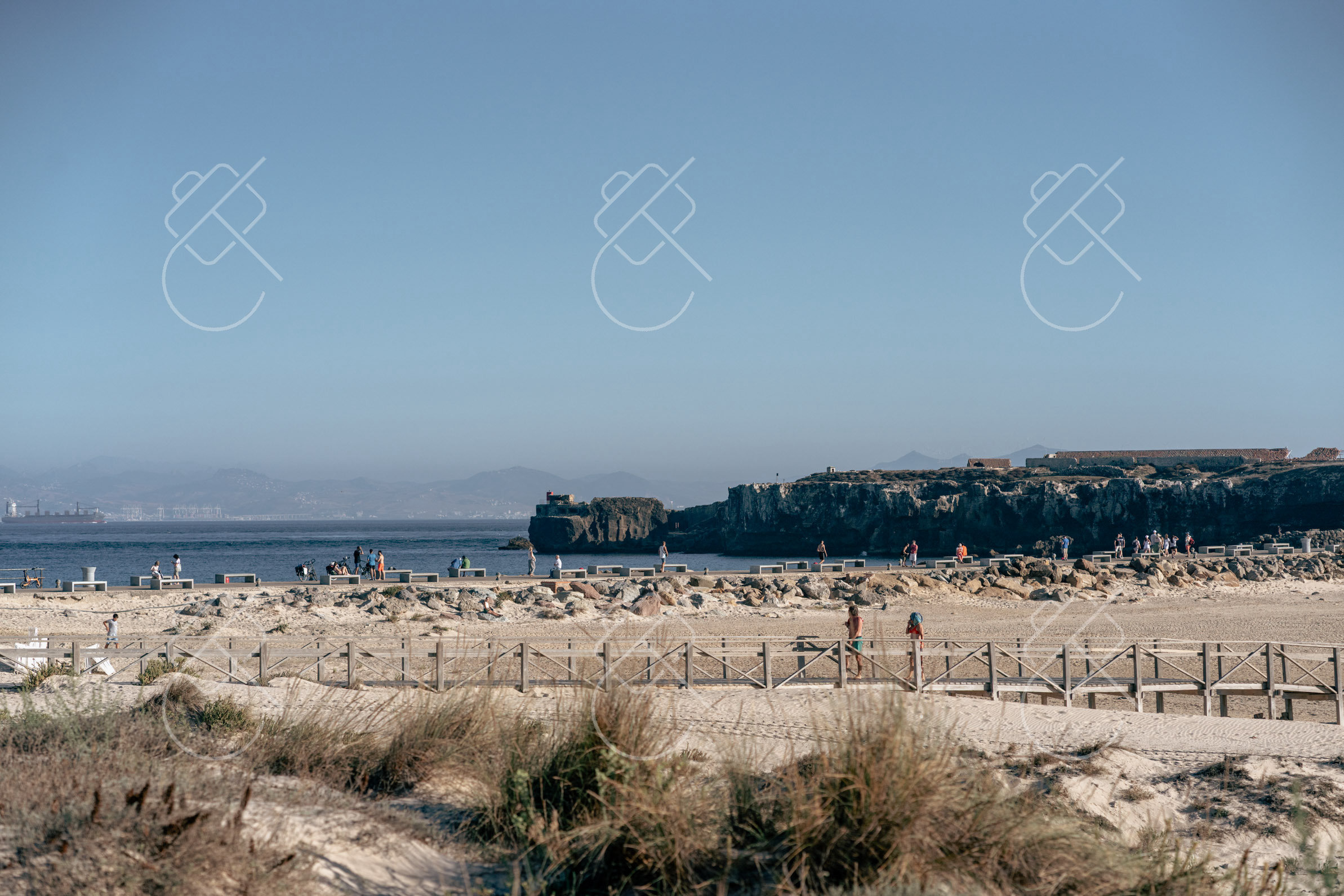
Spain uses 230 V, 50 Hz with type C and F sockets (two round pins). US, UK and Australian visitors need an adapter; most phone and laptop chargers handle 230 V, but US hair tools usually do not.
• A power bank for long days using maps and e-tickets.
• Data: EU visitors roam at home rates; others should read our Spain eSIM guide.
• Tickets on your phone: the Alhambra's Nasrid Palaces are timed and sell out weeks ahead in summer, and the Sagrada Família, Real Alcázar and Mezquita also sell timed entry. Bring the passport or ID you booked with: the Alhambra checks names.
Pickpocketing is the main crime risk for visitors in Spain, especially in Barcelona (La Rambla, the metro, the beach at Barceloneta) and Madrid (Sol, Gran Vía, the metro).
• A cross-body bag with locking zips, worn in front. We used a Pacsafe CitySafe.
• Phone on a strap or in a zipped pocket, and never on a terrace table.
• Two cards, split, and some euro cash for tapas bars, markets and small shops; most places take contactless cards, including for small amounts.
On the beach, take only what you would not mind losing. For tipping, see tipping in Spain.
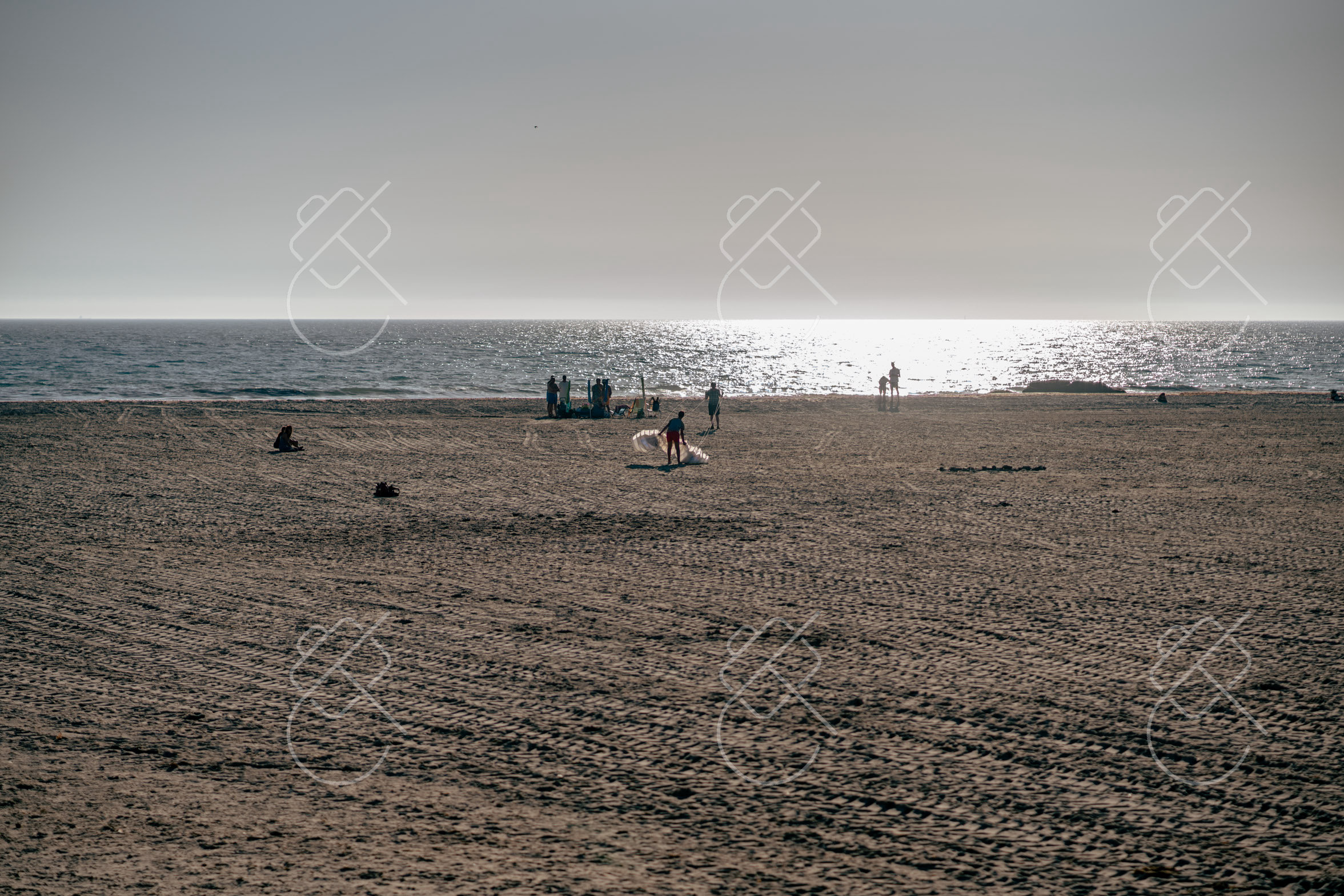
Spain is not one climate. The north coast, from Galicia through Asturias and Cantabria to the Basque Country, is green because it rains: even in July, expect cool, grey days and showers. We spent July 2022 between Oviedo, Gijón, the Picos de Europa, Santander, Bilbao and San Sebastián before heading south.
• North: a light rain jacket, a warm layer for evenings and walking shoes that can get wet. The Picos de Europa need proper hiking shoes.
• Centre (Madrid, Salamanca): hot, dry summers, cold winters.
• South (Andalusia): the heat kit above in summer; in winter, mild days but cold houses, as many homes have tiled floors and little heating.
For month-by-month detail, read the best time to visit Spain.
• Comfortable walking shoes. Old towns in Granada (the Albaicín), Cádiz and Toledo are hilly and cobbled, and the Alhambra visit alone is several kilometres of walking.
• Sandals and a swim kit for Cádiz, Tarifa and the Costa de la Luz, where beaches are long and sandy and the wind can be strong; Tarifa is one of Europe's windsurfing and kitesurfing centres.
• A bag you can carry onto trains and buses. Spain's high-speed trains have luggage racks, but city centres have narrow lanes. Our Andalusia itinerary by train and Seville to Granada bus or train guide cover the connections.
• Passport or ID carried day to day: Spain is in the Schengen area; see do I need a visa for Spain.
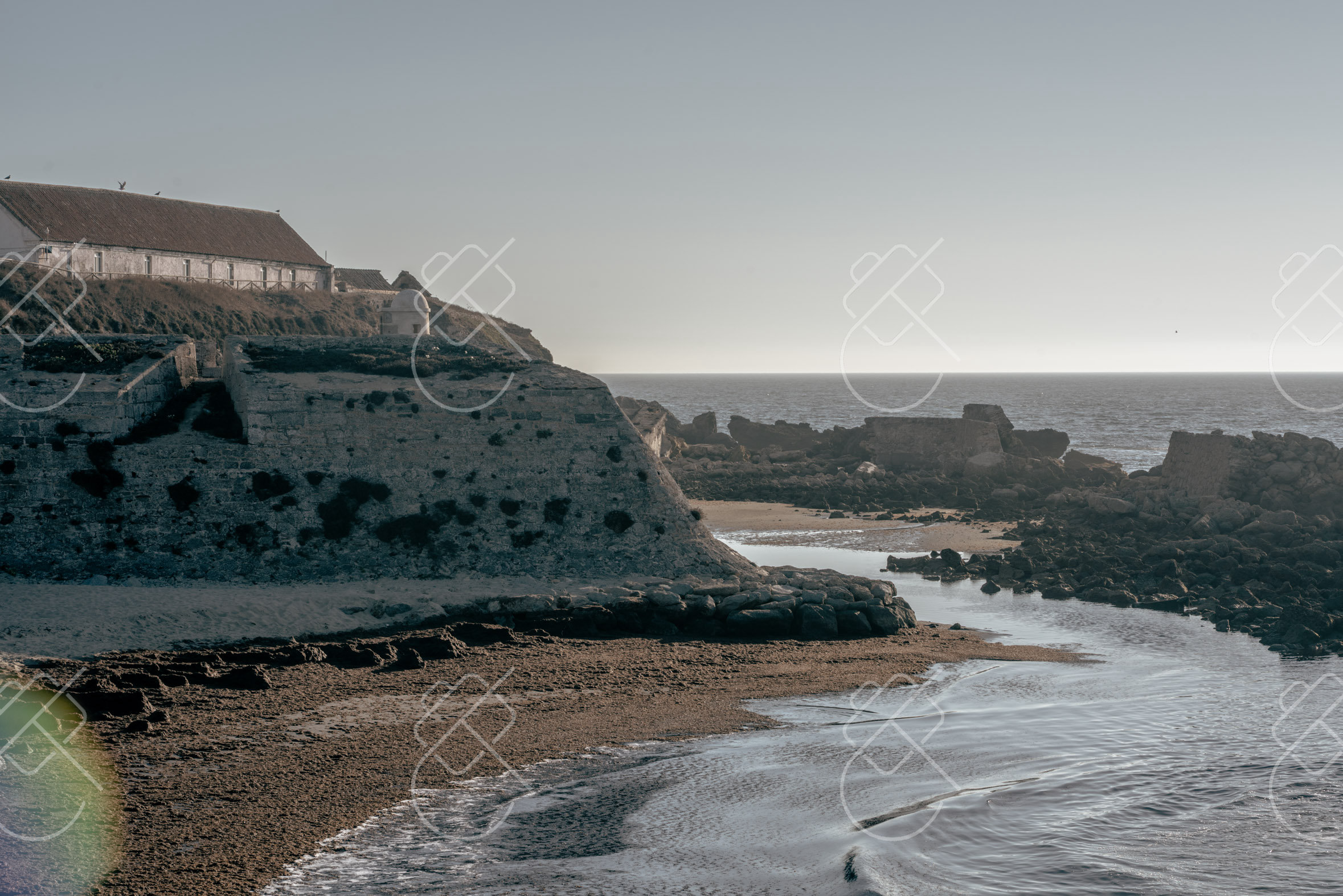
Sunscreen, toiletries, a fan (abanico) from any souvenir shop, espadrilles, a cheap beach towel and snacks are all easy to find. Mercadona, Carrefour, Dia and Lidl cover almost everything; our Spain grocery guide lists what is worth picking up. Pharmacies are plentiful and pharmacists advise on minor problems.
For the whole route, see our 60-day Spain itinerary or the shorter 2-week Spain itinerary, plus the Spain guide and Madrid guide. If your trip falls in Holy Week, read Semana Santa 2027. The core kit for a longer trip is in our long-trip packing list.
A wide-brimmed hat, a large refillable bottle, high-factor sunscreen, sunglasses and electrolyte sachets. Seville regularly passes 40°C in July and August, so plan sights early and rest in the afternoon.
Types C and F at 230 V, the two-round-pin European plug. US, UK and Australian visitors need an adapter.
Use a cross-body bag with locking zips worn in front, keep your phone on a strap or zipped away, and split your cards. The risk is highest on La Rambla, the Barcelona and Madrid metros, Sol and Barceloneta beach.
Only for the north. Galicia, Asturias, Cantabria and the Basque Country get showers and cool days even in July, while Andalusia is hot and dry.
Get our new Spain guides and practical tips by email: where to stay, what to eat, what things cost and the rules that catch travelers out.
Free. No spam, only new guides and tips.
Search verified local fleets with low security deposits and exact model delivery on Localrent.
Get the best deals on Spain hotels before they're gone — see Booking.com.