Home
About us
Destinations & Country Guides
Travel Guides
Recipes
Featured
Photos As Art
Abstract Prints
Locations
Travel Gear
Travel Resources
Favorites
Photo Framer
Explore Photos
Contact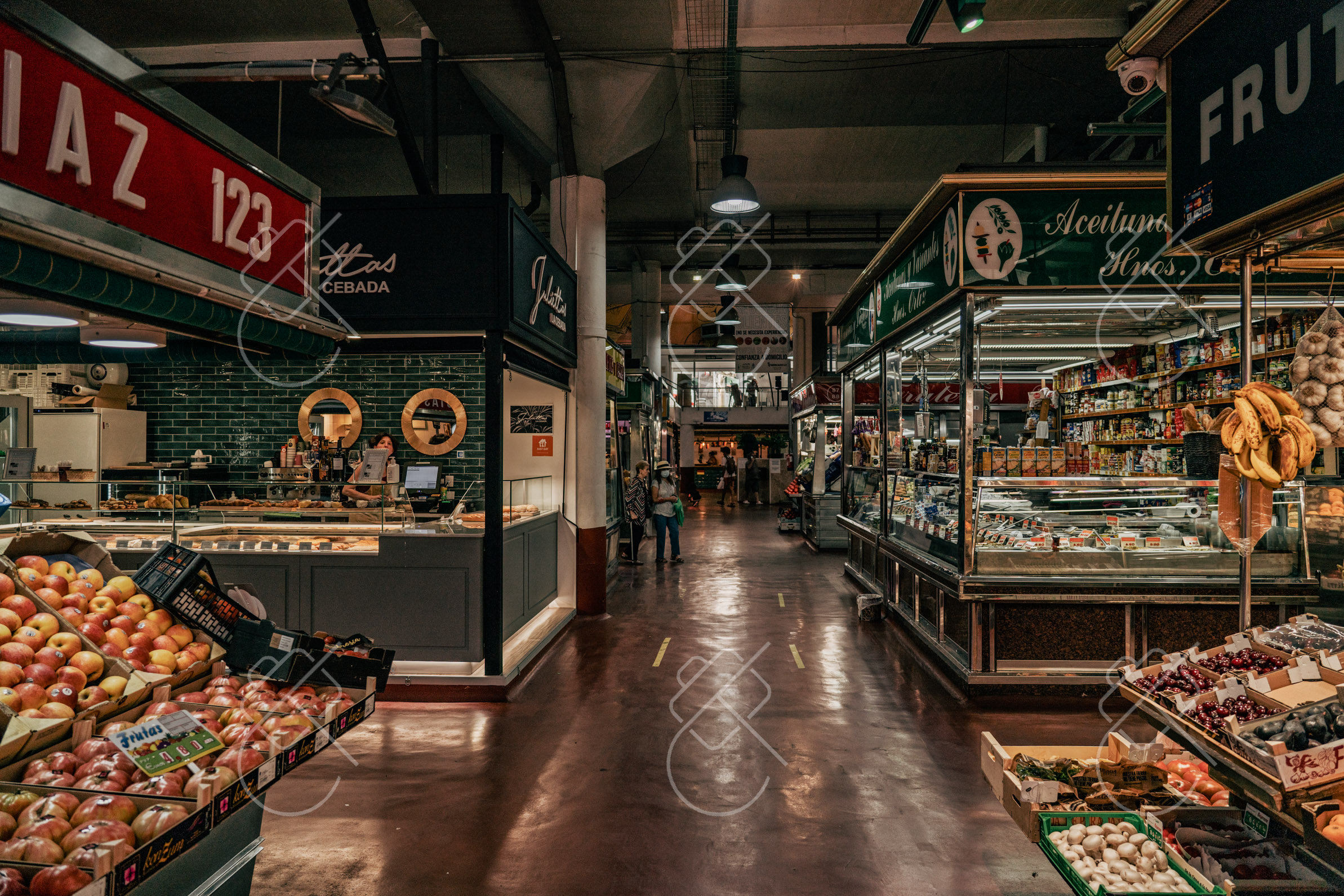 Food & culture
By Clever Tourists · Published
Cocido madrileño, the bocadillo de calamares and churros with chocolate are the three foods that define Madrid. Cocido is a chickpea and meat stew served in courses; the calamari sandwich is fried squid rings in a crusty roll, eaten around Plaza Mayor; and churros dipped in thick hot chocolate are the city's breakfast and its last stop after a late night. Madrid is inland, but it eats more seafood than you would expect, and its tapas run late. Madrid was the first stop of our whole 526-day trip: we spent about 4 days there at the end of June 2022 before heading north-west via Ávila to Salamanca. Below are 12 foods with where to find each and one ordering tip, then markets, tipping and a one-day plan.
• Cocido madrileño. A slow stew of chickpeas, beef, pork, chorizo, morcilla, chicken, cabbage and potatoes, traditionally served in stages: first the broth with fine noodles, then the chickpeas and vegetables, then the meats. Where: traditional restaurants in the centre, often as a lunch speciality on set days of the week. Tip: it is a lunch dish and a whole meal; order nothing else, and check which days the restaurant cooks it.
• Bocadillo de calamares. Battered squid rings stuffed into a crusty baguette-style roll, sometimes with a squeeze of lemon or a little mayonnaise. Where: the bars around Plaza Mayor and the arcaded streets leading off it. Tip: eat it standing at the bar; it is one of the cheapest lunches in central Madrid.
• Churros or porras con chocolate. Churros are thin, ridged fried dough; porras are the thicker Madrid version. Both are dipped in hot chocolate thick enough to coat a spoon. Where: chocolaterías in the centre, most famously Chocolatería San Ginés in a passage near Puerta del Sol, open from morning until very late. Tip: order one portion and one chocolate per person; the chocolate is for dipping, not for drinking on its own.
• Callos a la madrileña. Tripe stewed with chorizo, morcilla and paprika, served in a small clay dish. Where: traditional taverns in La Latina and the centre. Tip: order it as a ración to share; it is rich and sticky.
• Huevos rotos. Fried eggs broken over fried potatoes, often with jamón or chorizo. Where: tapas bars across the city. Tip: mix it at the table as soon as it arrives, so the yolk coats the potatoes.
• Patatas bravas. Fried potato chunks with a spicy sauce, or a mix of spicy sauce and aioli. Where: almost every bar. Tip: every bar has its own sauce, so try them in more than one place.
• Oreja a la plancha. Grilled pig's ear with garlic and paprika. Where: old-style bars around Plaza Mayor and in La Latina. Tip: order a small portion first; it is crisp outside and gelatinous inside.
• Jamón ibérico. Cured ham from black Iberian pigs, sliced thin by hand. Where: specialist ham shops and bars with legs hanging over the counter, as in our Spain food guide. Tip: 'bellota' on the label means acorn-fed and costs the most; ask for a small plate to compare grades.
• Tortilla española. Potato omelette, served by the slice. Where: bars at breakfast and as a tapa. Tip: ask whether it is made with onion (con cebolla); Spaniards argue about it, and you can choose.
• Soldaditos de Pavía. Strips of salt cod fried in batter, often with a strip of red pepper. Where: traditional bars and taverns. Tip: a good tapa with a cold caña (a small draught beer).
• Torrijas. Bread soaked in milk or wine, fried and coated in sugar or honey, made for Easter. Where: bakeries and pastry shops in Lent and Holy Week. Tip: in spring, buy them from a bakery rather than a restaurant.
• Vermut de grifo. Vermouth on tap, served with an olive and a slice of orange, the classic Sunday aperitif. Where: the bars of La Latina after the Sunday El Rastro flea market. Tip: order it around 1pm on a Sunday and stay for a few tapas; that is the Madrid ritual.
Madrid's covered markets are iron-and-glass halls that mix greengrocers and butchers with tapas counters. The Mercado de San Miguel, beside Plaza Mayor, is the most famous and the most expensive, more a tapas hall than a market. For a working market, try the Mercado de San Fernando in Lavapiés or the Mercado de Antón Martín near Huertas.
The best tapas streets are in La Latina, especially Cava Baja and the streets around Plaza de la Paja, and in Malasaña and the Barrio de las Letras, which our Madrid guide recommends. For self-catering, see what to buy at a Spanish supermarket.
Tipping is voluntary in Spain and modest: rounding up or leaving a few coins at a bar, and 5% to 10% at a sit-down restaurant for good service. Our Spain tipping guide has the details.
Timing matters more than tipping. Lunch runs from about 2pm to 4pm and dinner rarely starts before 9pm; arrive at 7pm and many restaurants are still closed. On weekdays, the menú del día, a fixed-price lunch of starter, main, dessert and a drink, is the best-value meal in the city. In July and August the heat is intense, and many locals leave; some traditional restaurants close for part of August.
Morning: churros and chocolate near Puerta del Sol, then a walk through a covered market.
Lunch: cocido madrileño at a traditional restaurant at about 2pm, or a menú del día.
Afternoon: the Prado or Retiro Park while the city rests, then a bocadillo de calamares near Plaza Mayor if you are hungry.
Evening: a tapas crawl down Cava Baja from about 9pm: callos, huevos rotos, oreja and patatas bravas, with cañas or a glass of vermut. For planning, see how many days in Madrid, where to stay in Madrid and our 60-day Spain itinerary, which starts here.
Cocido madrileño (chickpea and meat stew), the bocadillo de calamares (fried squid sandwich) and churros or porras with thick hot chocolate. Callos and huevos rotos are the classic tapas.
In the bars around Plaza Mayor and the arcaded streets leading off it. Eat it standing at the bar; it is one of the cheapest lunches in the centre.
Rarely before 9pm. Lunch runs from about 2pm to 4pm, and many restaurants are still closed at 7pm.
Tipping is voluntary and modest: round up at a bar, and leave 5% to 10% at a sit-down restaurant for good service.
Get our new Spain guides and practical tips by email: where to stay, what to eat, what things cost and the rules that catch travelers out.
Free. No spam, only new guides and tips.
Search verified local fleets with low security deposits and exact model delivery on Localrent.
Get the best deals on Spain hotels on Booking.com before prices climb.