Home
About us
Destinations & Country Guides
Travel Guides
Recipes
Featured
Photos As Art
Abstract Prints
Locations
Travel Gear
Travel Resources
Favorites
Photo Framer
Explore Photos
Contact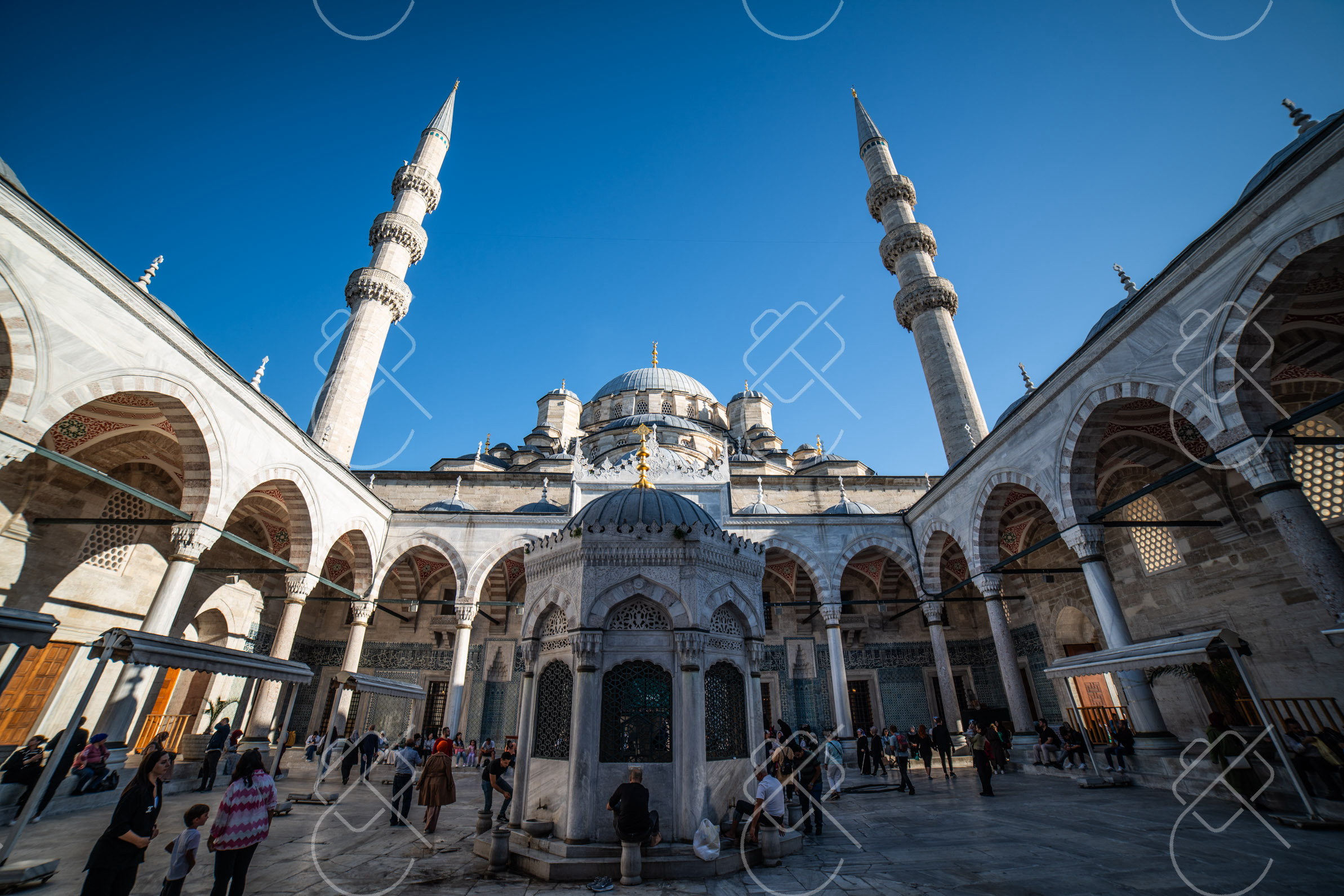 Culture & etiquette
By Clever Tourists · Published · Last updated
Dress in Istanbul as you would in any big European city, and carry a scarf and something that covers your knees for the mosques. Turkey has no dress code for visitors on the street, and in Istanbul you will see headscarves and crop tops on the same tram. Mosques are the exception: women cover their hair, shoulders and knees, men cover shoulders and knees, and everyone takes their shoes off. Istanbul averages 28°C by day in July and August and 9°C in January, with the wettest months from October to February, and Cappadocia is far colder at night. We spent 12 to 27 October 2023 in Istanbul, then went on to Ankara, Göreme, Pamukkale and Selçuk until mid-November, so the autumn advice is first-hand.
Average daily highs and lows for Istanbul, from the Turkish State Meteorological Service's 1991–2020 normals for the Kireçburnu station on the Bosphorus. The city is rarely extreme, but it is damp and windy from autumn to early spring, and the hills and cobbles get slippery in the rain.
Inland Turkey has a harsher climate. Göreme in Cappadocia sits at about 1,100 m, and Nevşehir averages below freezing at night from December to February; see Istanbul and Cappadocia in winter. The Aegean coast around Selçuk and Ephesus is warmer and drier than Istanbul in summer.
| Month | Istanbul high / low | Rain | What to wear |
|---|---|---|---|
| January | 9 / 4°C (48 / 38°F) | 96 mm | Warm waterproof coat, sweater, scarf, and shoes that grip on wet cobbles. |
| February | 9 / 4°C (49 / 38°F) | 88 mm | As January. Ramadan 2027 is expected to start around 8 February. |
| March | 12 / 5°C (54 / 41°F) | 70 mm | Warm jacket and layers. Still damp and changeable. |
| April | 16 / 8°C (61 / 47°F) | 45 mm | Light jacket and long sleeves. Tulip season in the parks. |
| May | 21 / 13°C (70 / 55°F) | 37 mm | T-shirts, with a layer for evenings and ferries. |
| June | 26 / 17°C (78 / 63°F) | 45 mm | Summer clothes, plus a scarf and long trousers or skirt for mosques. |
| July | 28 / 20°C (82 / 69°F) | 36 mm | Light breathable clothes and a sun hat, with the same mosque cover-ups. |
| August | 28 / 21°C (83 / 70°F) | 44 mm | As July. Evening ferries on the Bosphorus are breezy. |
| September | 25 / 17°C (76 / 63°F) | 81 mm | Summer clothes and a light layer. Rain returns late in the month. |
| October | 20 / 14°C (68 / 56°F) | 98 mm | Long sleeves, a light jacket and an umbrella. |
| November | 15 / 9°C (59 / 49°F) | 101 mm | Mid-weight waterproof jacket and a sweater. |
| December | 11 / 6°C (51 / 42°F) | 125 mm | Warm waterproof coat. The wettest month. |
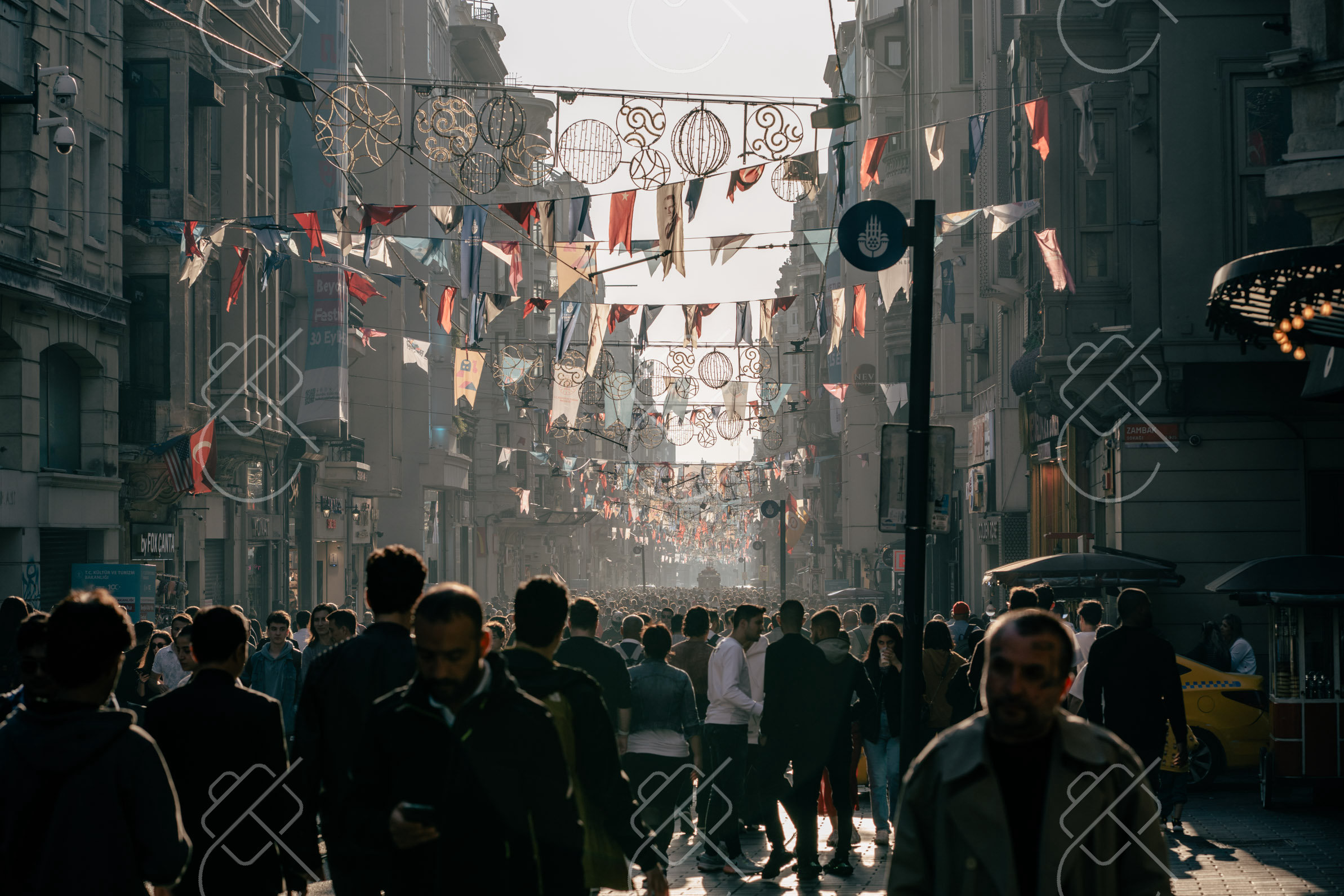
As a woman: there is no requirement to cover your hair or arms anywhere except inside mosques. Beyoğlu, Karaköy and Kadıköy feel like any European nightlife district, and jeans, dresses and T-shirts are normal across the city. More conservative neighbourhoods, such as parts of Fatih around Çarşamba, are where longer, looser clothing helps you blend in. A scarf in your bag means you can walk into any mosque you pass without planning. On the Aegean and Mediterranean coasts, swimwear is fine on the beach and by the pool, not in town.
As a man: shorts are common in summer in the city and on the coast. Pack at least one pair of long trousers for mosques, which turn away shorts above the knee.
See what is considered rude in Turkey for the behaviour side, which matters more than clothing.
The rules are the same at every working mosque: women cover their hair, shoulders and knees; men cover shoulders and knees; shoes come off and are carried in a bag or left on the racks. Mosques close to tourists during the five daily prayers, longest at Friday midday, so plan visits between prayer times.
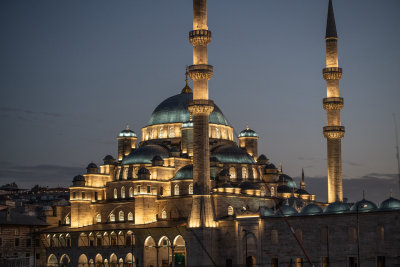
The Blue Mosque (Sultan Ahmed Mosque) is free to enter, and covering scarves and wraps are available at the visitor entrance if you arrive without them, though bringing your own is quicker. Hagia Sophia charges foreign visitors €25 (≈ $28) for the gallery route and requires the same covering; our Hagia Sophia tickets and dress code guide has the details. Süleymaniye, the New Mosque at Eminönü and the smaller Ottoman mosques follow the same rules, and our temples and mosques overview compares Turkey with the rest of our route.
One non-religious rule surprises people: at Pamukkale you walk the travertine terraces barefoot, so wear shoes that are easy to carry; see our Pamukkale guide.
• Comfortable shoes with grip: Istanbul is built on hills, and wet cobbles are slippery from October to March.
• A scarf and one long skirt or pair of long trousers for mosques, kept in your day bag.
• A light waterproof jacket from October to April, and an umbrella.
• Warm layers for Cappadocia: balloon launches and sunrise viewpoints mean standing outside before dawn, cold even in autumn; see what happens when balloons are cancelled.
• Hamam: tourist hamams give you a cotton wrap (peştemal) and slippers; you don't need to bring anything.
• Swimwear for the coast and the thermal pools at Pamukkale.
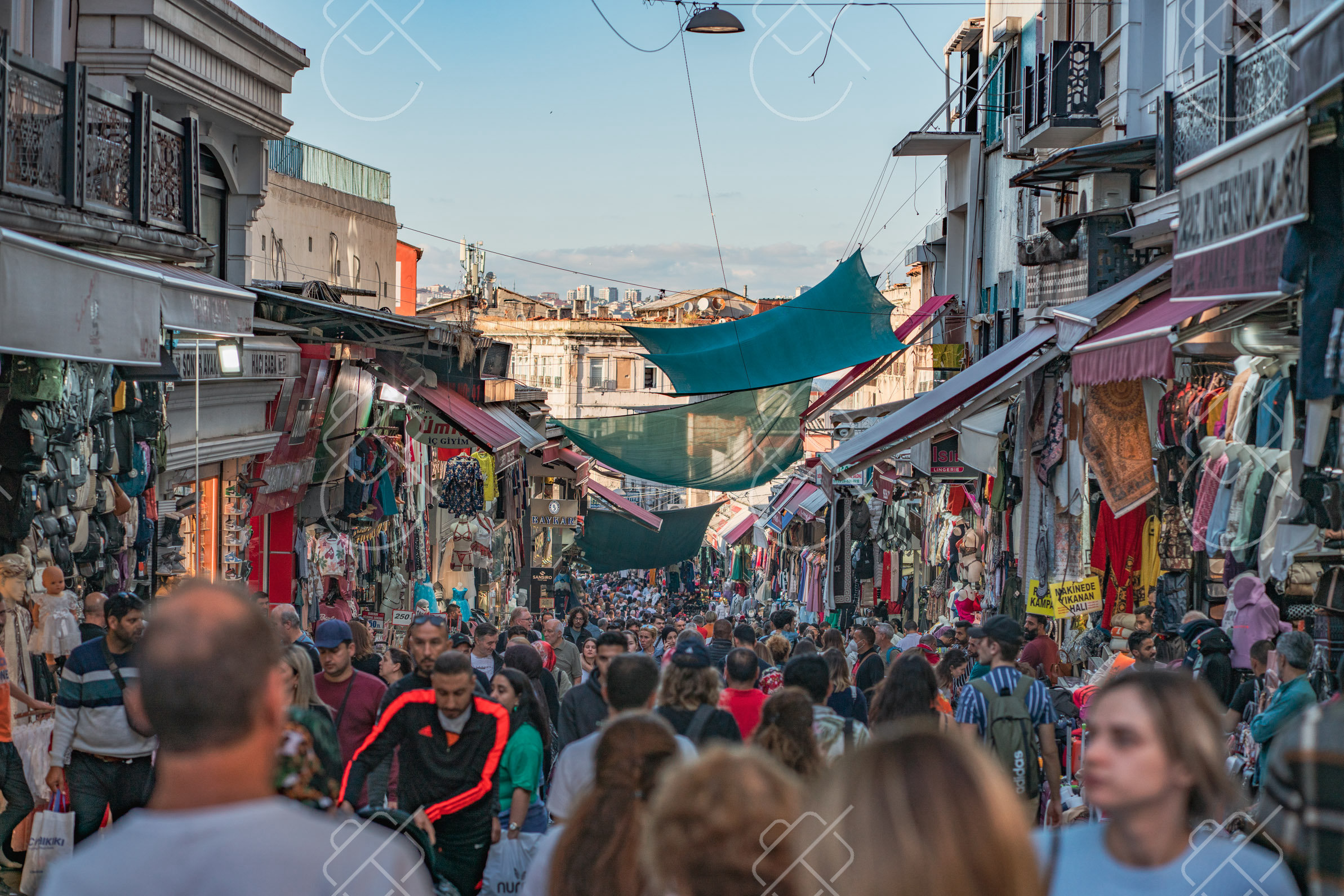
We were in Istanbul from 12 to 27 October 2023, then in Ankara, Göreme (31 October to 5 November), Pamukkale and Selçuk, with a last night in Istanbul on 13 November; the route is in our 33-day Turkey itinerary. Mid-October in the old city was T-shirt weather by day, and our photos from the bazaar streets show T-shirts and light jackets side by side.
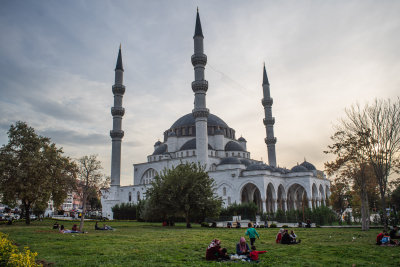
The mosque courtyard in our cover photo, taken the same week, is open to anyone in ordinary clothes; the covering rules start at the prayer-hall door. By the first week of November in Göreme, the 1,100 m altitude made pre-dawn balloon mornings the coldest part of the trip, which is the main reason to pack a warm layer for Turkey even in autumn.
Only inside mosques. Women cover their hair, shoulders and knees to enter a mosque; on the street there is no requirement to cover.
Women need covered hair, shoulders and knees; men need covered shoulders and knees, so no shorts above the knee. Shoes come off. Entry is free and cover-ups are available at the visitor entrance.
Yes, in the city they are common in summer. Carry long trousers or a long skirt if you plan to go into a mosque.
Long sleeves, a light jacket and an umbrella. Istanbul averages 20°C by day and 14°C at night in October, and rain becomes more frequent.
Warm layers. Göreme is at about 1,100 m, and pre-dawn balloon mornings are cold even in autumn; in winter Nevşehir averages below freezing at night.
Get our new Turkey guides and practical tips by email: where to stay, what to eat, what things cost and the rules that catch travelers out.
Free. No spam, only new guides and tips.
Search verified local fleets with low security deposits and exact model delivery on Localrent.
Find the best deals on Turkey accommodation with Booking.com.