Home
About us
Destinations & Country Guides
Travel Guides
Recipes
Featured
Photos As Art
Abstract Prints
Locations
Travel Gear
Travel Resources
Favorites
Photo Framer
Explore Photos
Contact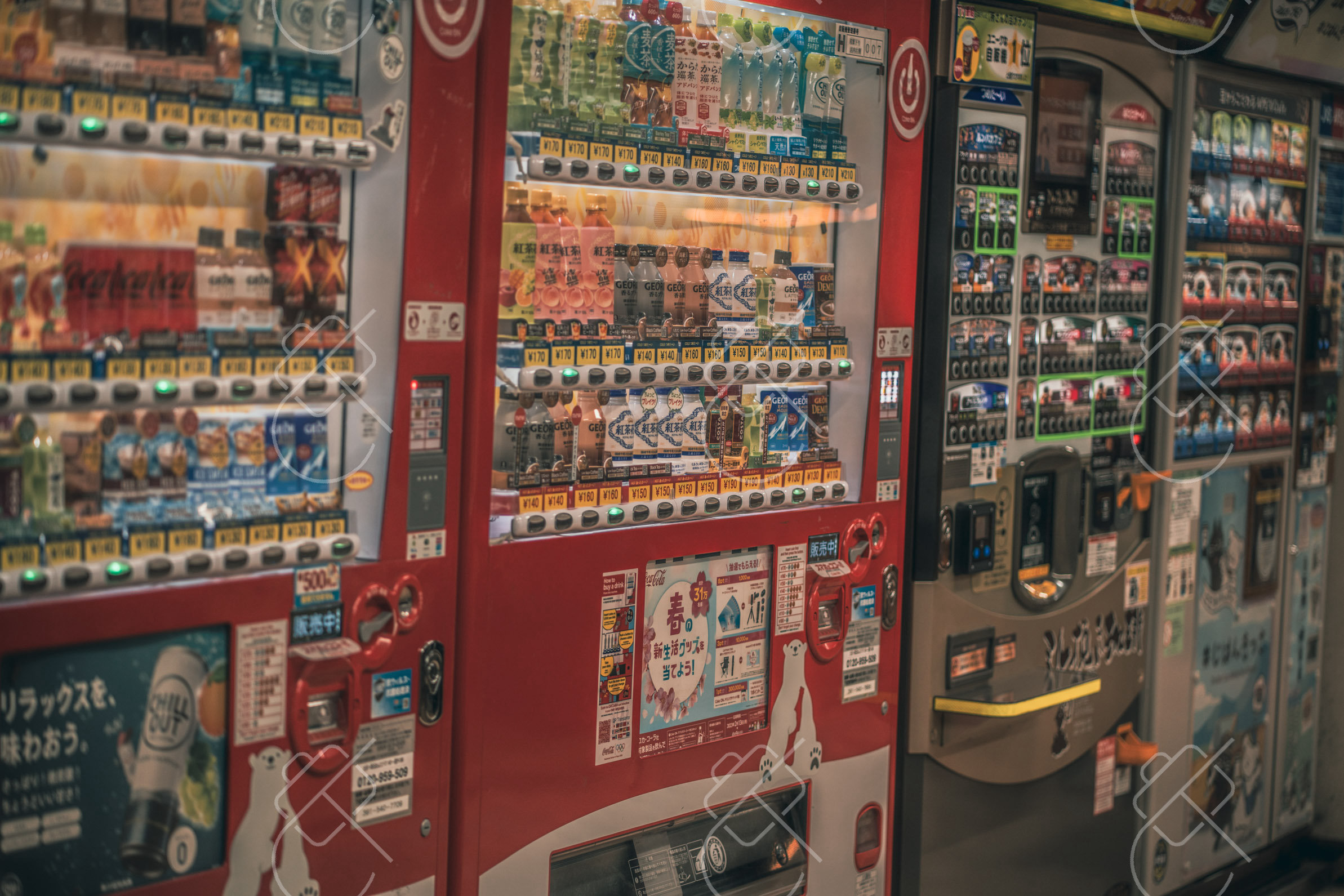 Etiquette & culture
By Clever Tourists · Published
Carry a small bag and take your trash back to your hotel. That is what most Japanese people do, and it is why the streets stay clean despite having almost no public bins. When you do find bins, they are at convenience stores, train stations and beside vending machines, and they are sorted by type, so a coffee cup in the bottle slot is the classic tourist mistake. In a Japan Tourism Agency survey at airports, the lack of bins was the single most common complaint from foreign visitors. Here is where the bins are, how to read the labels, and the newer rules in Shibuya.
Bins started disappearing from Tokyo's stations and streets after the 1995 sarin gas attack on the Tokyo subway, when bins were seen as places to hide something dangerous. Many never came back. Where station bins do exist, they are often transparent or have narrow slots for exactly that reason, and they can be sealed during major events.
The other reason is cultural and practical: households pay for and sort their own waste carefully, and people are expected to take their rubbish home rather than leave it for the city. Eating while walking is also frowned upon, which means less street rubbish to begin with; our Japan etiquette mistakes guide covers that habit.
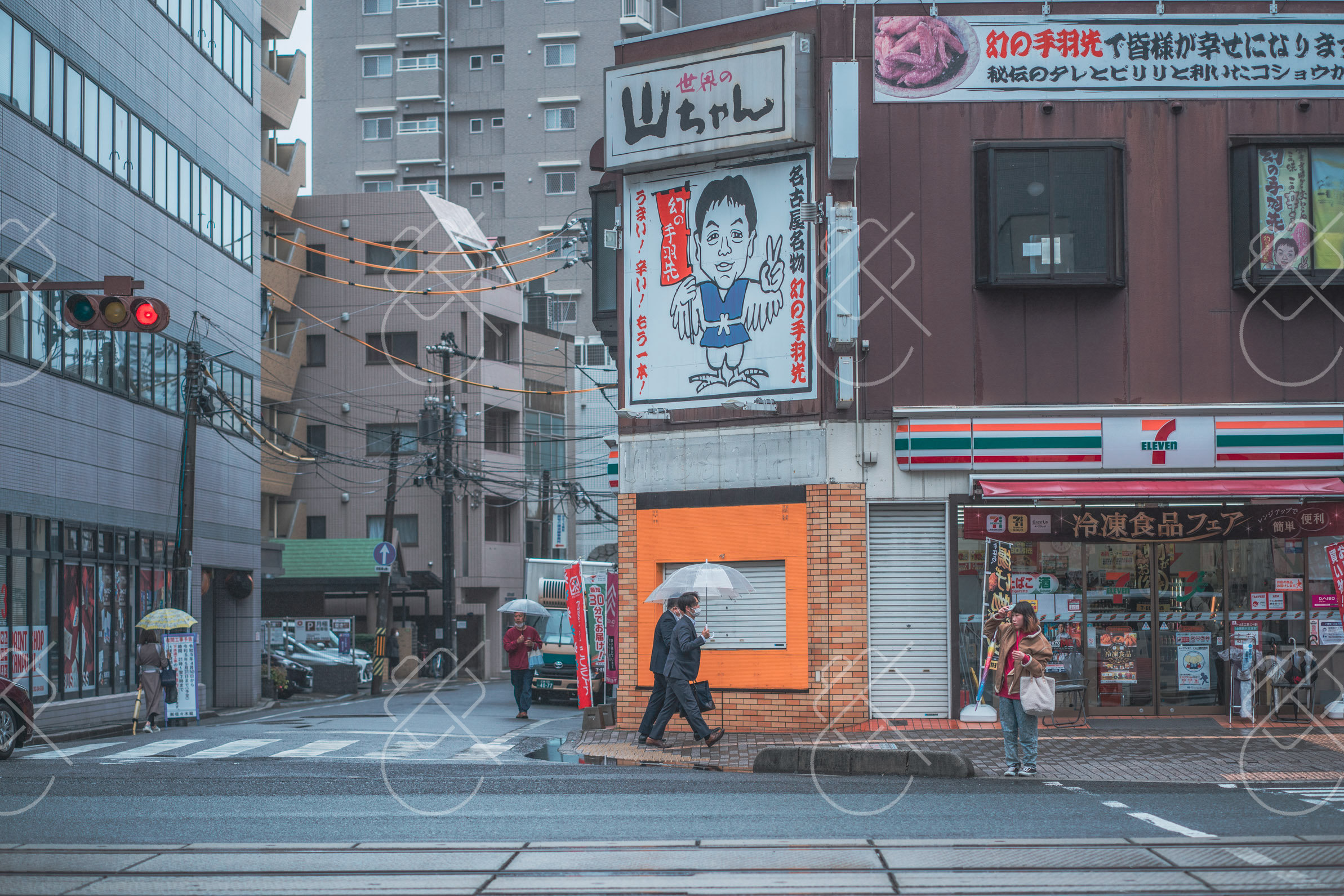
• Convenience stores. 7-Eleven, Lawson and FamilyMart usually have sorted bins by the entrance or just inside. They are meant for things bought there; dropping a packaged snack wrapper from that shop is fine, emptying a day's worth of bags is not.
• Beside vending machines. The boxes next to drink machines take cans and plastic bottles only. They are recycling boxes, not general bins, so don't push food wrappers or cups into them.
• Train stations. Platforms and concourses at larger stations often have bins split into bottles/cans, newspapers and other waste, and some Shinkansen platforms have them too. Smaller and subway stations may have none.
• Where you bought the food. Street food stalls, market vendors and festival stands usually take back skewers, cups and trays. Eat by the stall and hand them back.
• Your hotel room. The default destination for everything else. Bins in hotel rooms are often split into burnable and recyclables, and ryokan staff will sort them if you leave things tidily together.
Bins are labelled in Japanese, often with pictures, and sometimes English. The categories below cover nearly every public bin. Before dropping a plastic bottle, take off the cap and label if there is a separate slot for them.
| Label | Japanese | What goes in |
|---|---|---|
| Burnable | 燃えるゴミ (moeru gomi) | Food waste, paper cups, napkins, wrappers, chopsticks |
| Non-burnable | 燃えないゴミ (moenai gomi) | Small metal items, ceramics, broken umbrellas |
| Plastic bottles | ペットボトル (petto botoru) | Empty PET drink bottles; caps and labels often separate |
| Cans and bottles | 缶・びん (kan, bin) | Drink cans and glass bottles, emptied |
| Plastic packaging | プラ (pura) | Plastic food trays, bags and film, where a separate slot exists |

Shibuya. Tokyo's busiest nightlife ward tightened its rules in 2026: under the revised 'Clean Town Shibuya' ordinance, from April 2026 shops that sell takeout food and drink must provide bins, and the ward can fine people who litter. If you buy a drink at a stand, finish it there and use the stand's bin.
Apartment rentals. If you stay in an apartment or holiday rental, you will be given the building's sorting rules and collection days. Follow them exactly: bags put out on the wrong day or in the wrong category get left behind with a sticker, and your host hears about it.
Nara. The park's deer will eat plastic bags and wrappers, which can kill them. Keep rubbish zipped inside your bag around the deer; our Nara deer park guide covers the rest of the etiquette.
Trails and mountains. On hiking routes and around places like Mount Fuji, there are no bins at all. Carry everything out.

• Pack a small foldable bag or keep the plastic bag from your first konbini purchase (bags cost a few yen each). Put the day's rubbish in it.
• Drop cans and bottles in the boxes beside vending machines as you go.
• Eat at the stall or the konbini. Food bought to go is easiest to throw away right where you bought it; see our konbini food guide for what's worth buying.
• Empty the bag at your hotel in the evening.
Many public bins were removed after the 1995 sarin gas attack on the Tokyo subway and never returned. People are expected to take their rubbish home, which is why streets stay clean.
Most convenience stores have sorted bins by the entrance, intended for things bought there. A wrapper from that shop is fine; a bag of the day's rubbish is not.
Only empty cans and plastic bottles. They are recycling boxes, not general bins.
Moeru gomi means burnable waste: food scraps, paper cups, napkins, wrappers and disposable chopsticks.
Yes. Shibuya's revised ordinance, in force from April 2026, makes takeout shops provide bins and allows fines for littering. Leaving rubbish anywhere is also a serious breach of manners.
Get our new Japan guides and practical tips by email: where to stay, what to eat, what things cost and the rules that catch travelers out.
Free. No spam, only new guides and tips.
See the best deals on Japan hotels right now on Hotels.com.