Home
About us
Destinations & Country Guides
Travel Guides
Recipes
Featured
Photos As Art
Abstract Prints
Locations
Travel Gear
Travel Resources
Favorites
Photo Framer
Explore Photos
Contact Gear & packing
By Clever Tourists · Published · Last updated
Pack light, pack a plug adapter if you're not from North America, bring a coin purse and a small hand towel, wear shoes you can slip off in seconds, and check every medicine against Japan's rules before you fly. Almost everything else is easier to buy in Japan than to carry there: drugstores, convenience stores and 100-yen shops cover toiletries, umbrellas and snacks on every block. The one category you cannot fix on arrival is medicine, because some ordinary cold and ADHD medicines are illegal to bring in. We spent 33 days in Japan in March and April 2023, from Tokyo through Hakone, the Alps and Kanazawa to Kyoto, Osaka and Hiroshima, and this list is built around a route like that. Clothing is a separate topic: see what to wear in Japan.
• Plug adapter (Type A) if you're coming from the UK, Europe, Australia or New Zealand. Japan runs at 100 volts; chargers marked 100-240V are fine.
• A coin purse. Japan is still partly a cash country and you'll collect ¥1 (≈ $0.01), ¥5 (≈ $0.03), ¥10 (≈ $0.06), ¥50 (≈ $0.32), ¥100 (≈ $0.63) and ¥500 (≈ $3.2) coins fast.
• A small hand towel or handkerchief. Many public restrooms, including station and temple toilets, have no paper towels or dryers.
• Slip-on shoes you can remove and put back on standing up, plus socks without holes.
• Medicine in original packaging with a copy of the prescription, checked against the rules below.
• A small fold-up bag for rubbish, because public bins are scarce.
• A compact daypack for days when your main bag goes ahead by courier.
Everything here fits in a carry-on. That matters more in Japan than in most countries: trains have limited space for large cases, and on the Tokaido, Sanyo and Kyushu shinkansen a bag with total dimensions over 160 cm needs a reserved oversized-baggage seat. Our bullet train guide explains that rule.
Japan's Ministry of Health, Labour and Welfare (MHLW) lets visitors bring up to one month's supply of prescription medicine and up to two months' supply of over-the-counter medicine without paperwork. Above that you need an import certificate, the Yunyu Kakunin-sho, applied for online before you travel.
Two groups are a problem regardless of quantity. Stimulants, including ADHD medicines such as Adderall, cannot be brought in at all. Pseudoephedrine is treated as a stimulant raw material: the MHLW says medicine containing more than 10% pseudoephedrine cannot be brought in, and Japanese embassy guidance lists Sudafed, Actifed and Vicks inhalers among products to leave at home. Some prescription painkillers containing narcotics need a separate permit.
The practical answer for colds and allergies is to leave decongestants at home and buy a Japanese product at a drugstore after you land. Our medicine in Japan guide has the full table, the certificate process and what to ask for at the counter. If your medicine is unusual, email the MHLW's pharmaceutical inspectors well before your flight rather than relying on a forum answer.
Plugs: Japanese sockets are two flat pins (Type A). US and Canadian two-pin plugs fit; three-pin US plugs do not fit most sockets. A two- or three-port USB-C charger with one Type A plug is the simplest kit. Leave 230V hair dryers and straighteners at home; nearly every hotel and ryokan room has a dryer. Details are in our Japan plug and voltage guide, including the power bank restrictions on flights.
Phone: a travel eSIM or pocket Wi-Fi covers maps and train apps; our pocket Wi-Fi vs eSIM guide compares them.
Money: cards work in cities, but small restaurants, shrines, rural buses and coin lockers often want cash. Bring a card that doesn't charge foreign ATM fees and withdraw yen at 7-Eleven or post office ATMs. How much cash to bring to Japan gives daily amounts. A transit IC card (Suica, PASMO or ICOCA, physical or on your phone) pays for trains, buses, convenience stores and lockers; see our IC card guide. The coin purse is still worth it, because the change from cash payments adds up quickly.
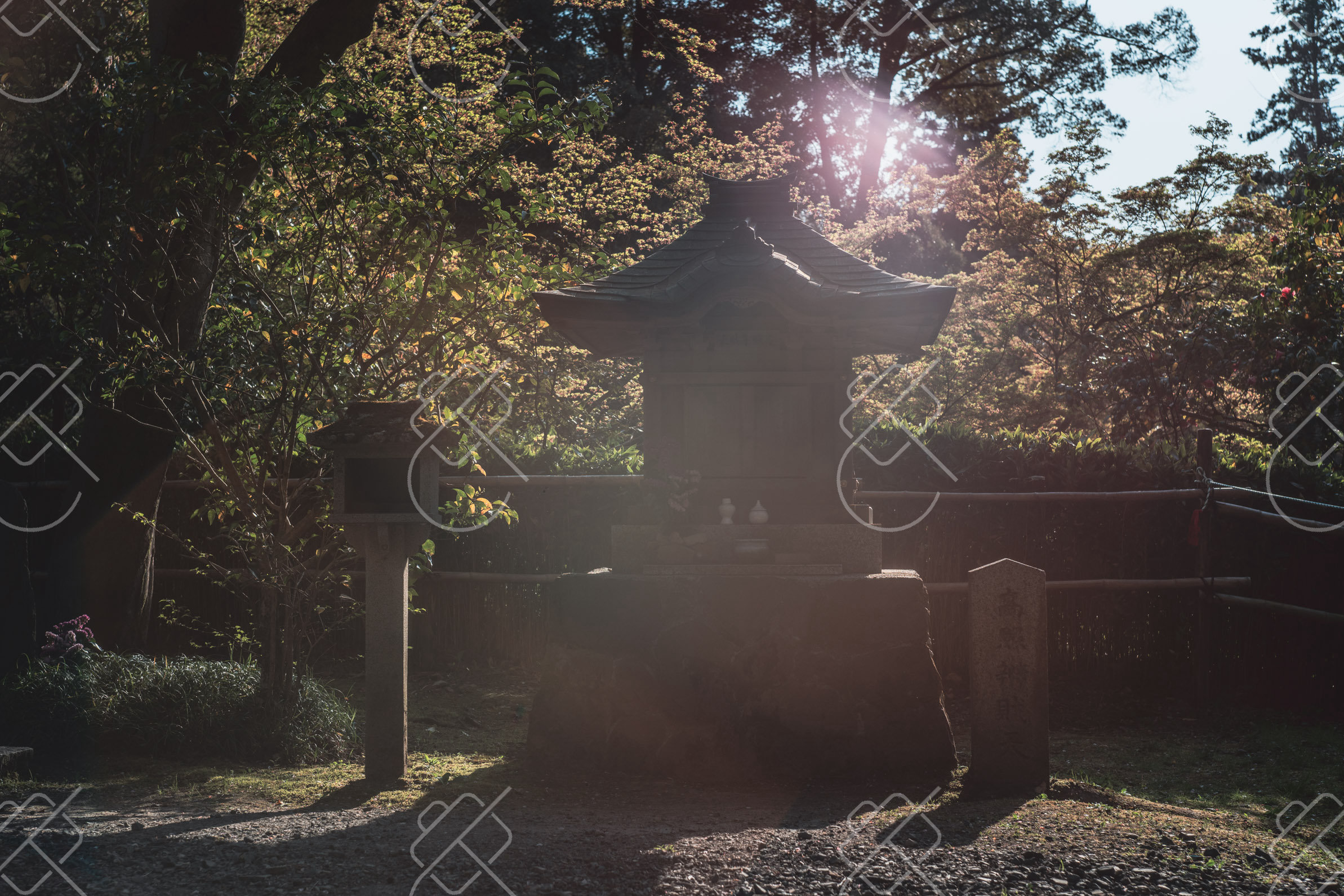
You take shoes off at ryokan, many temple halls, some restaurants with tatami seating, castle keeps such as Matsumoto and Himeji, and changing rooms in shops. Laces you have to untie ten times a day get old fast. Pack one pair of comfortable slip-ons or loose-laced trainers, and socks you don't mind being seen.
A small cotton hand towel (tenugui or a face cloth) solves the restroom problem and doubles as a sweat towel in summer. You can buy them cheaply in Japan, so one from home is enough.
Japan has very few public bins. Carry a small bag for wrappers and bottles and dispose of them at convenience stores or your hotel; where to throw away rubbish in Japan explains the sorting.
If you plan to visit an onsen, nothing special is needed: towels are usually supplied or rentable, and you bathe without a swimsuit. Tattoo rules vary by bath; see our onsen etiquette guide.
Japan's courier networks (takkyubin) will move a suitcase from hotel to hotel or to the airport, usually arriving the next day in most of Honshu. The trick is to pack so the big bag can travel separately: keep one or two nights of clothes, toiletries, chargers and medicine in a daypack, and send the rest ahead. This works especially well on routes with ryokan stays or mountain towns such as Takayama and Hakone, where stairs and small trains make big cases awkward.
Our luggage forwarding guide covers how to send a bag from a hotel or convenience store and how much time to allow. For the bag itself, see the best travel backpack if you'd rather skip a wheeled case.
Skip: full-size toiletries, a hair dryer, an umbrella (convenience stores sell clear umbrellas everywhere), snacks, laundry detergent (most hotels have coin laundries with detergent for sale), and spare clothes for every day. Coin laundries are common, so a week of clothing is plenty even for a month.
Buy there: sunscreen and skincare at drugstores, hand towels, socks, heat packs (kairo) in winter, cold and stomach medicine, and a cheap foldable bag for souvenirs. Visitors can shop tax-free on qualifying purchases with a passport, and the system changes on 1 November 2026: our tax-free shopping guide explains the new refund process.
Seasonal add-ons: winter in Hokkaido, the Alps and Tohoku needs proper cold-weather gear, which our Japan in winter guide covers. In June and July the rainy season makes quick-dry clothing and a compact umbrella worth packing, and summer heat makes a refillable bottle useful, though vending machines are on almost every corner.
For our own month-long route through Japan, see the 33-day Japan itinerary, or the Kyoto guide if Kyoto is your base. For a long trip that includes Japan as one stop, use our long-trip packing list for the core kit.
No. Japan treats ADHD stimulants such as Adderall as prohibited, and medicine containing more than 10% pseudoephedrine, such as Sudafed, cannot be brought in. Buy a Japanese cold medicine at a drugstore instead.
Visitors from the UK, Europe, Australia and New Zealand need a Type A adapter. US and Canadian two-pin plugs fit, but three-pin plugs often don't. Japan runs at 100 volts, so check chargers say 100-240V and leave 230V hair dryers at home.
Many public restrooms in Japan, including station and temple toilets, have no paper towels or hand dryers, so a small towel or handkerchief is the easy fix.
Up to one month's supply of prescription medicine and up to two months' supply of over-the-counter medicine, in original packaging with a copy of the prescription. More than that needs a Yunyu Kakunin-sho import certificate applied for before you travel.
Get our new Japan guides and practical tips by email: where to stay, what to eat, what things cost and the rules that catch travelers out.
Free. No spam, only new guides and tips.
Compare Japan hotels and get the best deals on Booking.com.