Home
About us
Destinations & Country Guides
Travel Guides
Recipes
Featured
Photos As Art
Abstract Prints
Locations
Travel Gear
Travel Resources
Favorites
Photo Framer
Explore Photos
Contact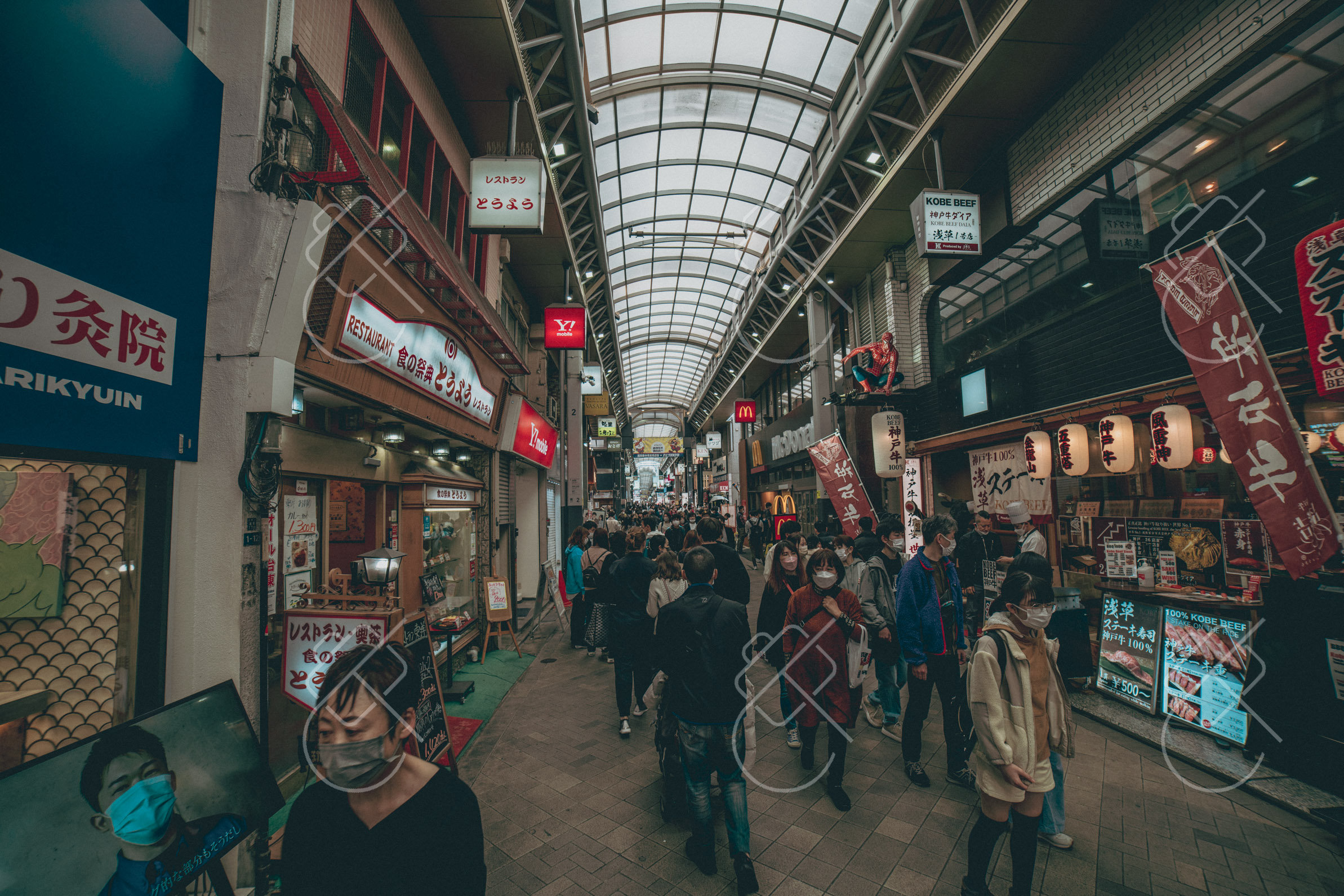 Health & safety
By Clever Tourists · Published
Bring up to one month of your prescription medicine and up to two months of ordinary over-the-counter medicine without paperwork, in original packaging, with a copy of the prescription. More than that needs an import certificate, the Yunyu Kakunin-sho, applied for online before you fly. Some common medicines are banned outright: ADHD stimulants such as Adderall, and cold remedies with pseudoephedrine like Sudafed. Once you're in Japan, drugstores are everywhere and sell effective cold, pain and stomach medicine; a few strong ones need a pharmacist on duty. Here's how both sides work.
For personal use, Japan's Ministry of Health, Labour and Welfare allows visitors to bring the following without an import certificate. Keep everything in its original labelled packaging and carry a copy of your prescription or a doctor's letter in English.
| Type | Allowed without a certificate | Over the limit |
|---|---|---|
| Prescription medicine | Up to 1 month's supply | Apply for a Yunyu Kakunin-sho |
| Over-the-counter medicine | Up to 2 months' supply | Apply for a Yunyu Kakunin-sho |
| Stimulants (Adderall, Dexedrine, amphetamines) | Prohibited | Cannot be brought in at all |
| Pseudoephedrine products above the limit (Sudafed, Actifed, Vicks inhaler) | Prohibited | Leave at home; buy a Japanese cold medicine |
| Narcotic painkillers (e.g. prescription codeine, oxycodone) | Separate narcotics permit needed | Apply to the Regional Bureau of Health and Welfare |

If you need more than the limits above, for a long trip or a chronic condition, apply for a Yunyu Kakunin-sho through the ministry's Application for Import Confirmation website, which has handled applications online since February 2023. You create an account, upload the prescription and product details, and the certificate arrives by email; show a copy at customs.
Apply at least two weeks before you fly, and allow up to four weeks to be safe. Brand names differ between countries, so list the active ingredient and strength, not just the brand.
The rules are strict and enforcement is real: people have been detained for carrying medicines that are routine at home. If an ingredient is a stimulant or a narcotic in Japan, the import certificate does not cover it.
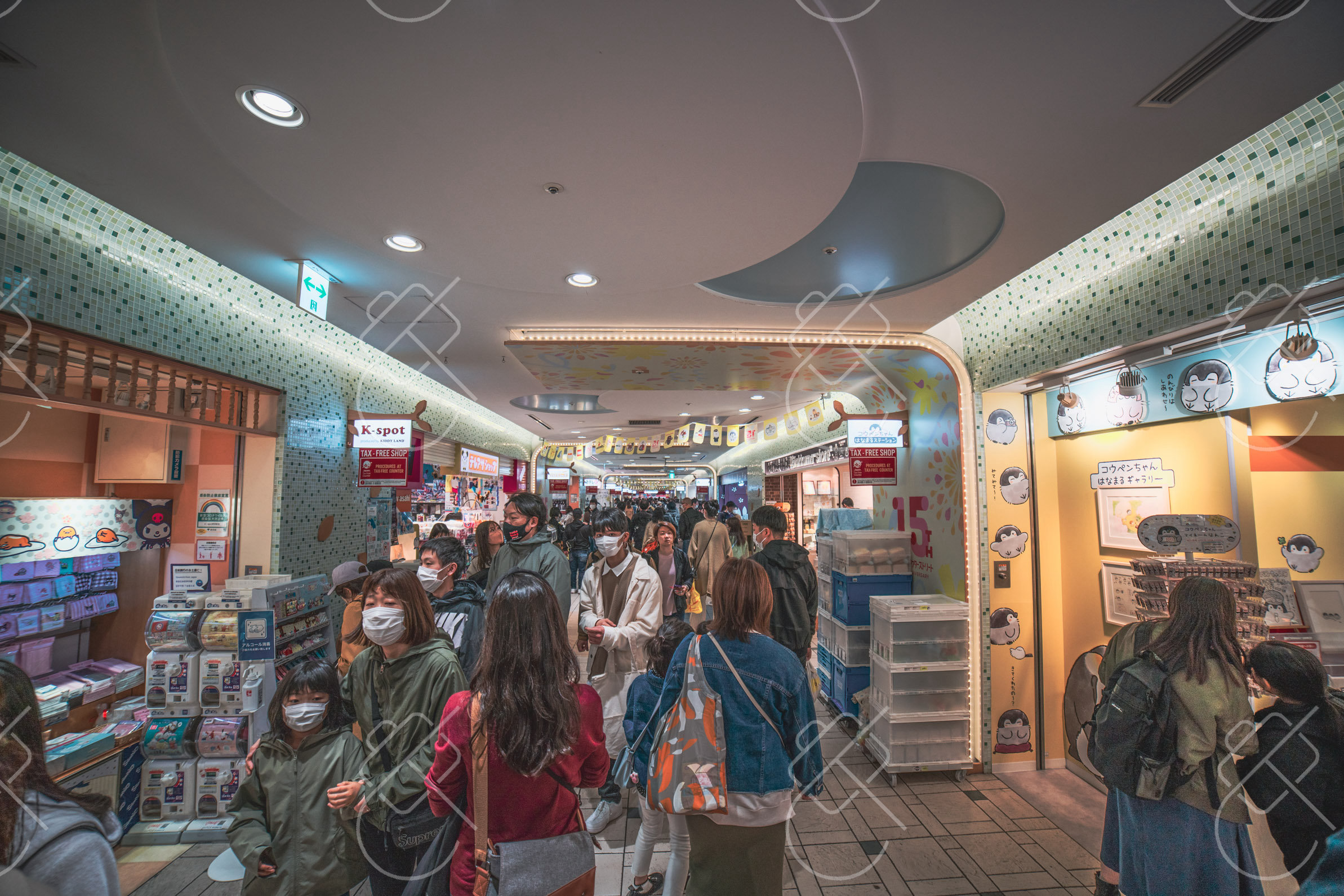
Drugstores (doraggu sutoa) such as Matsumoto Kiyoshi, Sundrug, Welcia, Tsuruha and Cocokara Fine are on almost every shopping street and in station malls. Medicine is grouped by symptom, packaging is in Japanese, and staff at big-city branches often speak some English or use a translation tablet.
Japanese over-the-counter medicine is graded. Class 1 (第1類医薬品) products, such as the painkiller Loxonin S, can only be sold when a pharmacist is on duty, and the shelf usually holds a card or empty box you take to the counter. Class 2 and 3 products you can pick up yourself. Doses are often lower than the same ingredient abroad, so follow the box, not your habit at home.
Big branches in tourist areas offer tax-free shopping, but under the refund system that starts on 1 November 2026, medicine you open and use during the trip loses its refund; only what you carry home unopened qualifies. Our tax-free shopping guide explains the new process.
Show the pharmacist the active ingredient you take at home on your phone; it works better than a brand name. These are the widely sold products travellers look for.
| Symptom | Common Japanese product | Active ingredient |
|---|---|---|
| Headache, pain, fever | EVE A | Ibuprofen |
| Headache, fever (gentler on the stomach) | Tylenol A | Acetaminophen (paracetamol) |
| Stronger pain (pharmacist sale) | Loxonin S | Loxoprofen |
| Cold and flu symptoms | Pabron Gold A | Combination cold remedy |
| Diarrhoea | Seirogan | Wood creosote |
| Indigestion, heartburn | Ohta's Isan | Antacid powder |
For an emergency, call 119 for an ambulance (110 is the police). For anything less urgent, the Japan Visitor Hotline on 050-3816-2787 answers 24 hours a day in English, Chinese and Korean, and JNTO's website lists clinics by language and specialty.
Visitors pay the full cost of treatment, and many clinics want payment on the day, sometimes in cash. Travel insurance that covers medical care is worth having for that reason alone. Our winter in Japan guide covers the flu season, when clinics get busiest.
No. Japan prohibits cold medicines with pseudoephedrine above its stimulant-ingredient limits, which in practice covers Sudafed, Actifed and Vicks inhalers. Buy a Japanese cold medicine at a drugstore instead.
No. Amphetamine-based ADHD medicines such as Adderall and Dexedrine are prohibited, and an import certificate does not cover them.
Up to one month's supply of prescription medicine and up to two months of over-the-counter medicine, in original packaging with a copy of the prescription. More needs a Yunyu Kakunin-sho.
Online through the Ministry of Health, Labour and Welfare's Application for Import Confirmation website. Apply at least two weeks before travel; the certificate is emailed to you.
EVE A is the most common ibuprofen painkiller at Japanese drugstores. Tylenol A contains acetaminophen, and Loxonin S is a stronger option sold only when a pharmacist is on duty.
Get our new Japan guides and practical tips by email: where to stay, what to eat, what things cost and the rules that catch travelers out.
Free. No spam, only new guides and tips.
Entry rules change, and they depend on your nationality — always confirm the current requirements on the official government site before you book or apply. Only use official government (.gov) portals; ignore look-alike agency sites.
See the best deals on Japan hotels right now on Booking.com.