Home
About us
Destinations & Country Guides
Travel Guides
Recipes
Featured
Photos As Art
Abstract Prints
Locations
Travel Gear
Travel Resources
Favorites
Photo Framer
Explore Photos
Contact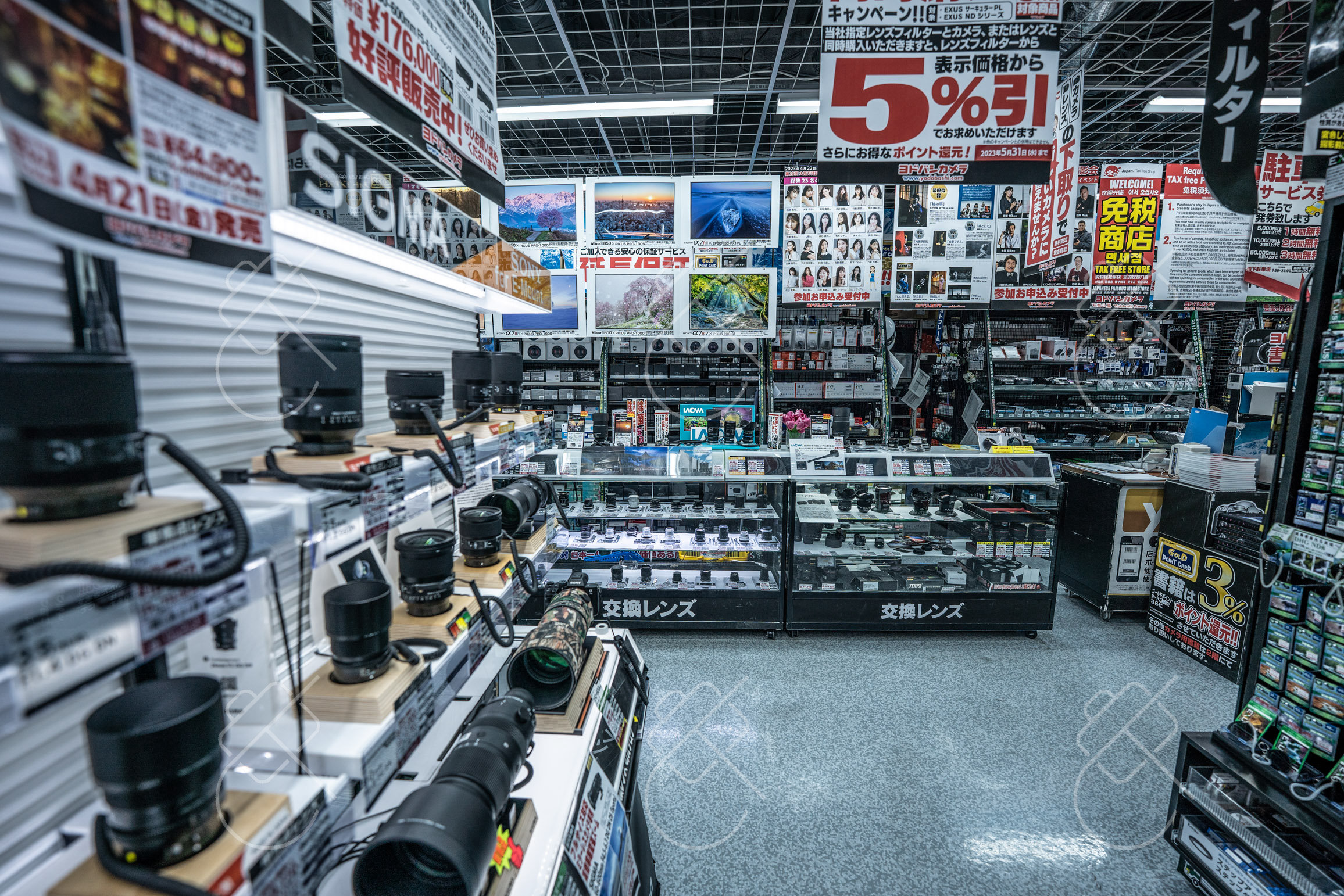 Gear & packing
By Clever Tourists · Published · Last updated
Japan uses Type A sockets (two flat pins) at 100 volts, 50Hz in eastern Japan including Tokyo and 60Hz in the west including Osaka and Kyoto. Visitors from the UK, Europe, Australia and New Zealand need a plug adapter; visitors from the US and Canada usually don't, unless the plug has a third round pin. Phone and laptop chargers marked 100-240V work fine. Hair straighteners and dryers built for 230V do not. And since 24 April 2026, flights to and from Japan restrict how you carry and use power banks.
Most Japanese sockets are unpolarised two-slot Type A. Some newer buildings and hotel rooms have Type B sockets with a third hole for a round earth pin, but you can't count on finding one by the bed.
| Coming from | Plug at home | Adapter needed? | Voltage check |
|---|---|---|---|
| USA, Canada | Type A / B | Usually no; yes for three-prong plugs | 120V devices run, slightly weaker |
| UK, Ireland | Type G | Yes | Check the label says 100-240V |
| Most of Europe | Type C / F | Yes | Check the label says 100-240V |
| Australia, New Zealand | Type I | Yes | Check the label says 100-240V |
| South Korea | Type C / F | Yes | Check the label says 100-240V |
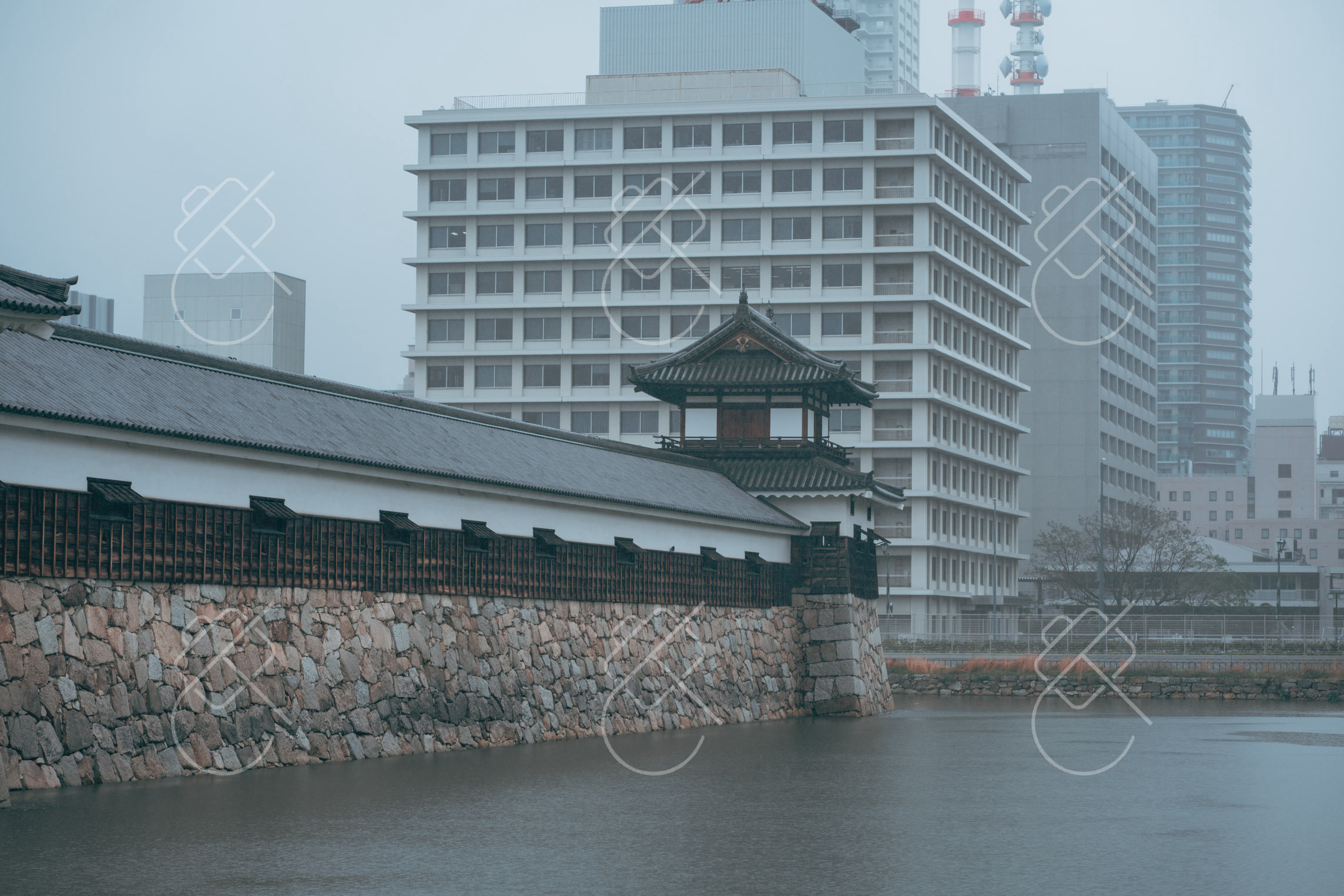
Phones, laptops, cameras, tablets, e-readers: their chargers are almost always rated 100-240V. Look for that range on the brick. With the right plug shape they work normally in Japan, and the 50Hz or 60Hz split doesn't matter to them.
Hair dryers, straighteners, curling irons: the problem devices. A 230V European or Australian appliance on 100V gets a fraction of its power and barely warms up; plugging a 230V-only device into an adapter won't fix that, because an adapter changes the plug shape, not the voltage. Leave it at home. Almost every Japanese hotel and ryokan room has a hair dryer.
US 120V devices run on 100V, a little slower and cooler. Most people never notice. Three-prong American plugs are the real issue: the earth pin won't fit a Type A socket, so carry a three-to-two adapter.
A USB-C charger with two or three ports is the simplest kit: one Type A plug, everything charges from it. Many hotel rooms now have USB sockets at the bedside too.
Electronics chains such as Bic Camera and Yodobashi Camera, and discount stores like Don Quijote, sell travel adapters, multi-port USB chargers and Japanese power strips near the main stations of every big city. Airport convenience stores often carry basic adapters, and some convenience stores in central Tokyo and Kyoto sell USB cables and chargers too.
Ask your hotel front desk first. Many keep a box of loan adapters for exactly this reason.
On the Tokaido Shinkansen, the newer N700S trains have a power outlet at every seat; on older sets they are at window seats and at the front of each car. Local trains and subways generally have none.
Power banks on flights changed in 2026. Under rules from Japan's transport ministry that took effect on 24 April 2026, applying to all flights to and from Japan: each passenger may carry no more than two power banks, each 160Wh or less; you may not use a power bank to charge devices on board; you may not charge the power bank from the seat outlet or USB port; and airlines ask you to keep it with you or at your seat rather than in the overhead bin. Power banks never go in checked luggage. A typical 10,000mAh bank is about 37Wh, well inside the limit.
Airlines have signalled the per-bank limit could drop to 100Wh from January 2027, so check your airline before you fly.
Type A, two flat pins, with some Type B sockets that add a round earth pin. The voltage is 100V.
Usually not, because US two-pin plugs fit Japanese sockets. Three-prong plugs need a simple three-to-two adapter, since most sockets have no earth hole.
Yes. UK Type G and Australian Type I plugs don't fit. Chargers rated 100-240V then work normally; 230V-only appliances such as hair straighteners won't.
A 230V dryer gets too little power on Japan's 100V supply, and an adapter doesn't change the voltage. Use the dryer your hotel provides; almost every room has one.
You can carry up to two, each 160Wh or less, in hand luggage and kept with you rather than in the overhead bin. Since 24 April 2026 you can't use them to charge devices on board or charge them from the seat outlet.
Get our new Japan guides and practical tips by email: where to stay, what to eat, what things cost and the rules that catch travelers out.
Free. No spam, only new guides and tips.
Compare Japan hotels and get the best deals on Booking.com.