 Seasonal travel
By Clever Tourists · Published
May is one of the two best months for Italy: days of about 22°C (72°F) to 25°C (77°F) across Venice, Florence and Rome, long light evenings, open-air dining and almost no summer heat. The catch is that everyone else knows it, so the big sights are busy, May is rainier in the north than most visitors expect (Venice averages about 80 mm), and the sea is still too cold for most swimmers. We were in Italy from 25 July to 3 August 2023 (Verona, Bologna and Venice), so we did not see May ourselves; the figures below are 1991 to 2020 climate normals as listed for each city, and the 2027 dates come from the organisers named in the text.
• Weather: warm by day, comfortable at night, with spring showers and occasional thunderstorms, mostly in the north.
• Crowds: high. May fills Venice, Florence, Rome and the Cinque Terre path with tour groups, with long weekends adding more.
• Prices: shoulder-to-high. Cheaper than July and August, dearer than March or November.
• Beaches: early. Sea temperature around Naples averages about 19°C (66°F) in May, so it suits wading, not swimming.
• 2027 extras: the Venice Architecture Biennale opens 8 May; the Giro d'Italia is reported to run 8 to 30 May.
• Skip May if: you want hot beach weather or hate queues. Late September is warmer for swimming.
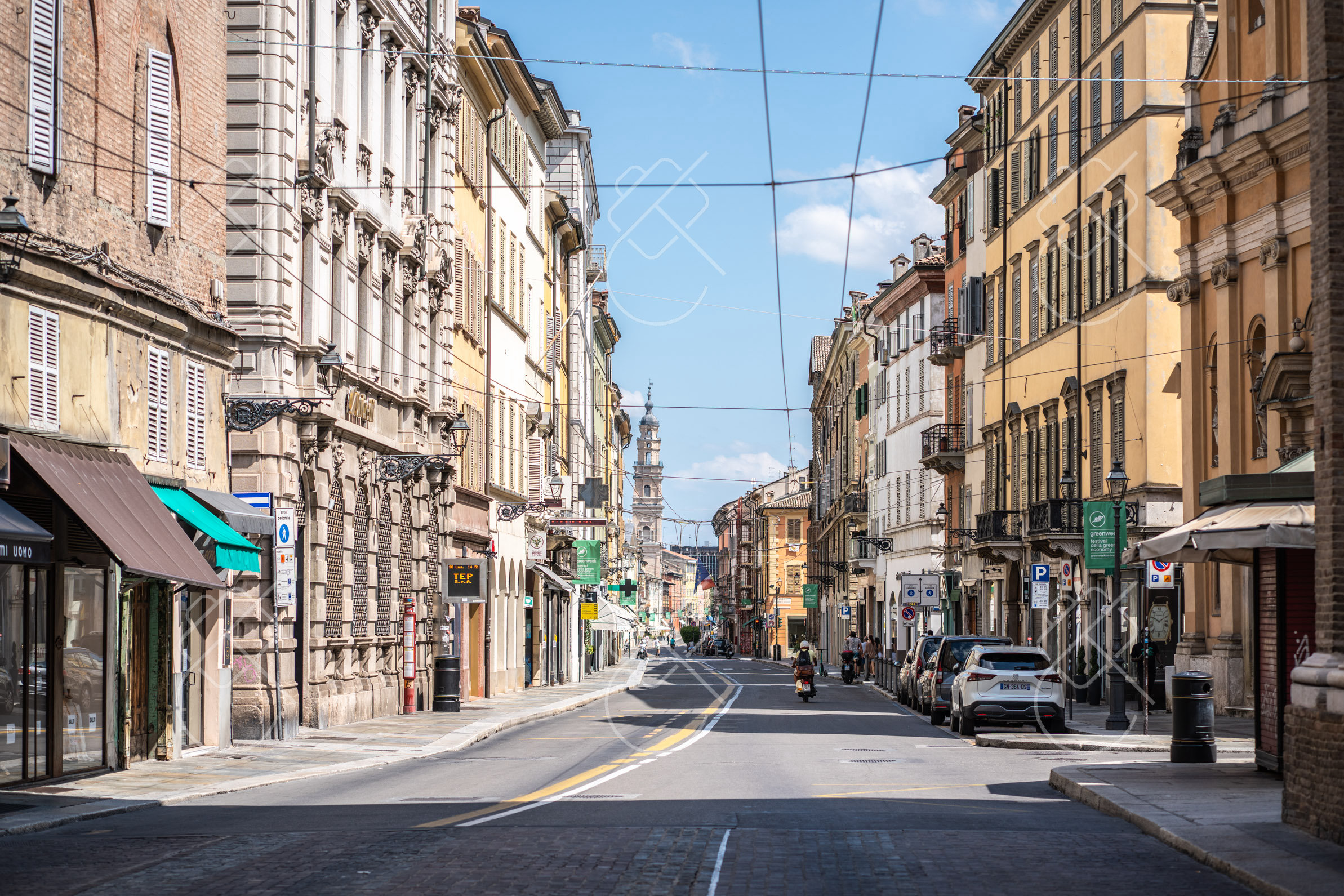
1991 to 2020 normals from the stations named in each city's climate table; individual days vary a lot in May.
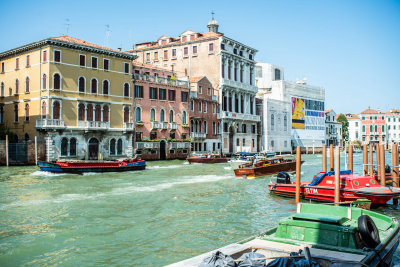
• Venice: highs 22°C (72°F), lows 13.5°C (56°F), about 80 mm of rain, the wettest of the four cities here. Pack for a wet afternoon.
• Florence: highs 24.3°C (76°F), lows 11.9°C (53°F), about 63 mm. Warm days, cool mornings.
• Rome: highs 24.8°C (77°F), lows 12.5°C (54°F), about 57 mm. Comfortable for the Forum and the Colosseum without summer heat.
• Naples and the south: highs 23.6°C (74°F), lows 14.3°C (58°F), about 59 mm, and the sea near 19°C (66°F). The Amalfi paths are pleasant, but the water is still cold.
Plan the northern leg for dry mornings and keep museums for the wettest afternoons. Mountain lakes and the Dolomites are a different climate and can still have snow on upper trails, so check lift and trail openings before you route there.
• 1 May (Saturday): Labour Day, a national holiday. Expect some shops and museums to close or shorten hours, and trains and beaches to fill.
• Venice Architecture Biennale: the 20th International Architecture Exhibition runs 8 May to 21 November 2027 according to La Biennale, so Venice is busier from the opening onwards.
• Giro d'Italia: reported to start on Saturday 8 May in Trieste and finish in Rome on Sunday 30 May. The full route is due to be presented on 3 November 2026, so treat stage towns as unconfirmed until then. Road closures on stage days affect buses and driving.
• Easter falls early in 2027 (28 March, with Easter Monday on 29 March), so May has no Easter crowds. 25 April (Liberation Day) is a Sunday and 2 June (Republic Day) a Wednesday, so the first long weekend after May starts around 2 June.
The Venice day-visitor fee has applied on selected days in spring and summer; the 2027 calendar is not published yet. See our Venice entry tax guide and the Italy tourist tax guide before you pick dates.
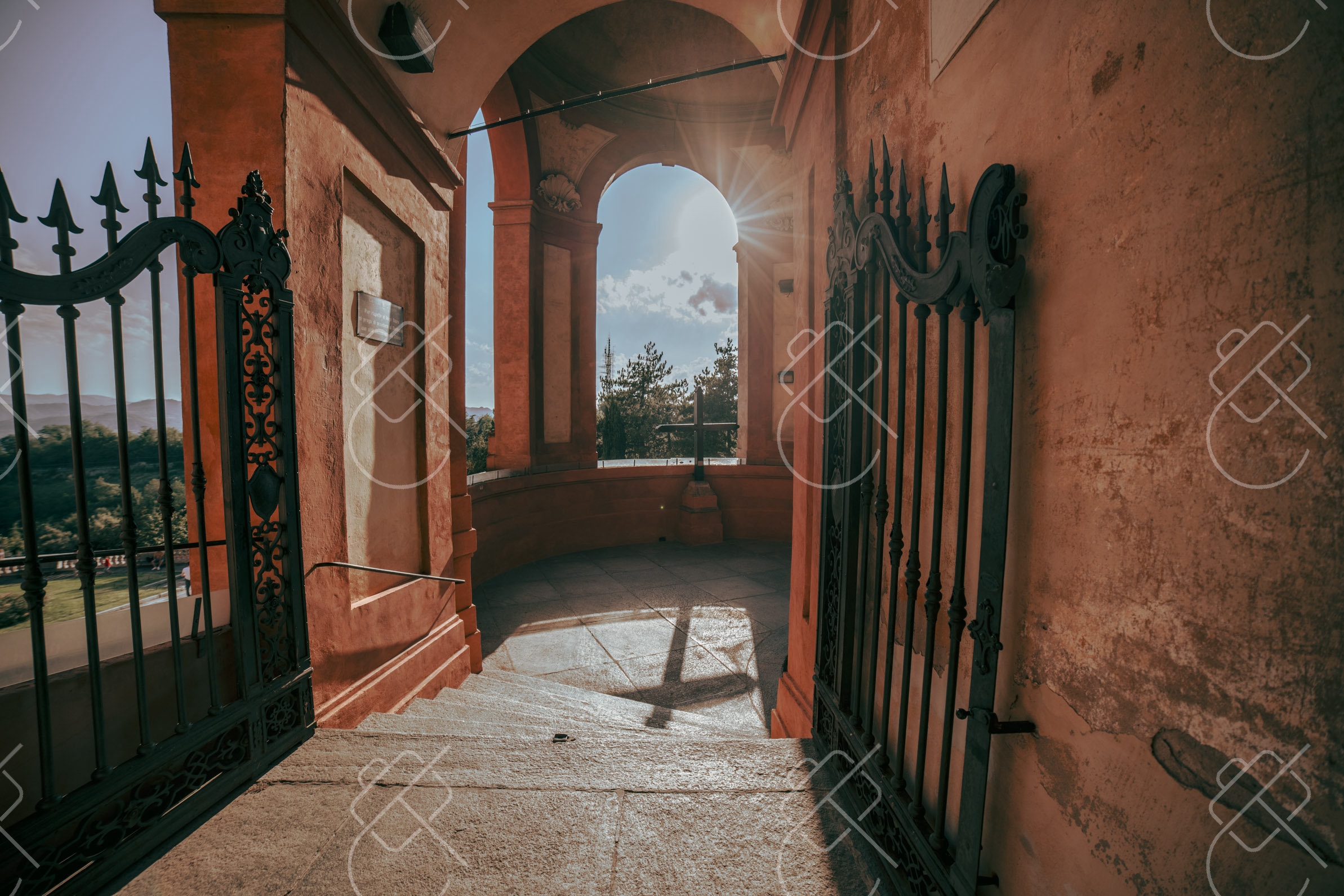
Our own Italy stay was a northern loop: 2 days in Verona, 4 in Bologna and 3 in Venice. In May that loop works well because the cities are walkable and the evenings are long.
• Venice: the best May city if you go on a weekday and start early. Our Venice guide and how many days in Venice cover the pacing, and day trips from Venice help when the main islands are packed.
• Verona: a one-day stop with the Arena and Juliet's courtyard; see the Verona one-day guide. The Arena also hosts evening opera in the warmer months; check its own programme for 2027.
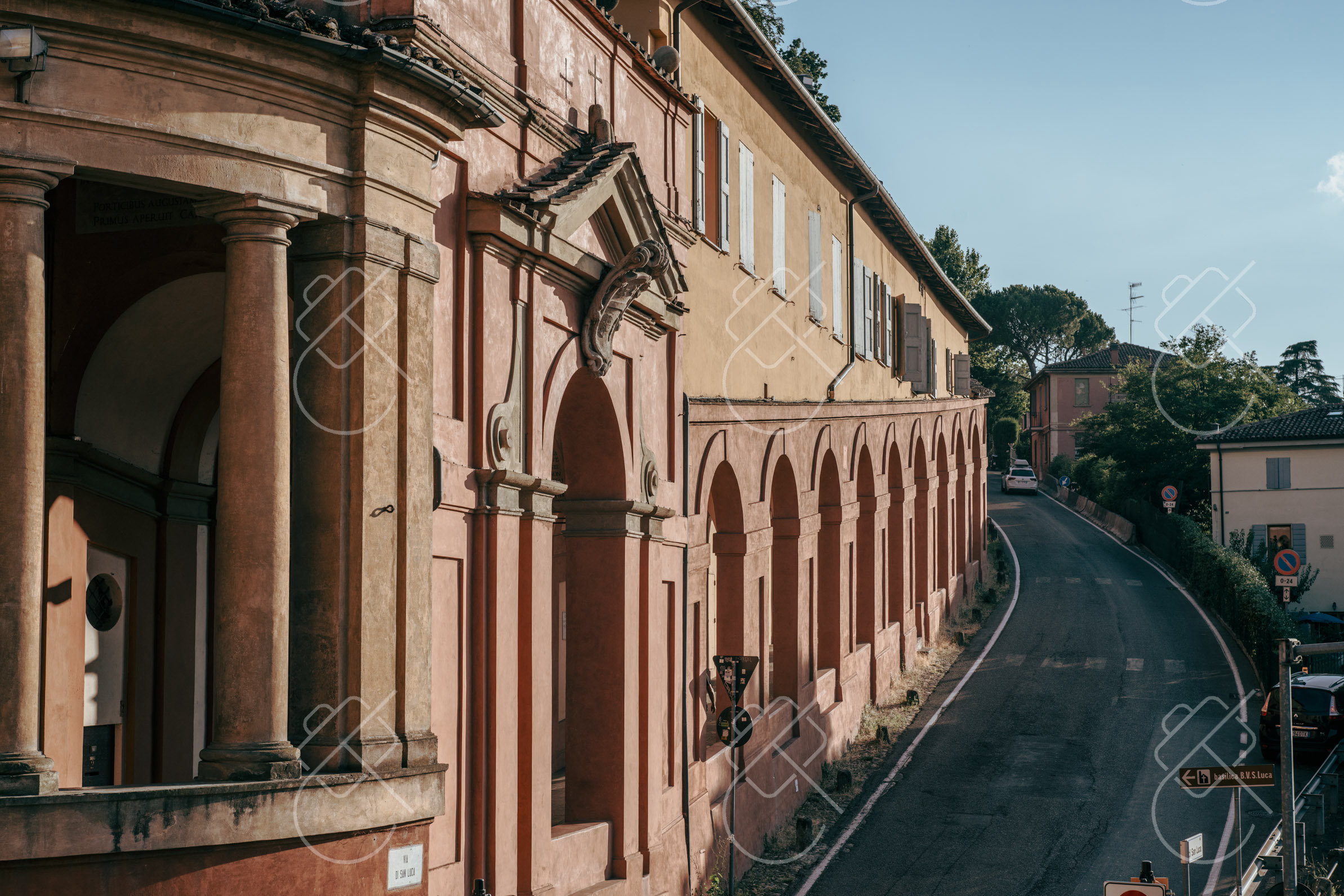
• Bologna: its long arcades give shade and rain cover, which matters in May. See how many days in Bologna and what to eat in Bologna.
Join them with the Venice, Verona and Bologna itinerary.
May is high demand for Venice, Florence, Rome and the Amalfi Coast. Reserve timed entries for the Colosseum, the Uffizi, the Vatican museums and the Last Supper well ahead, and book hotels when you fix dates. Saturdays and 1 May are the longest-queue days.
To save money, anchor the trip midweek, stay outside the historic centre in Venice (Mestre or the Lido) and use regional trains. Restaurant cover charges apply in many places; see the coperto guide. Total trip costs are in how much does a trip to Italy cost. Check entry rules in do I need a visa to visit Italy, and for connectivity see Italy eSIM for tourists.
A light rain jacket or compact umbrella, walking shoes that cope with wet cobbles, a layer for evenings, and sun protection. Churches expect covered shoulders and knees, so carry a scarf or light layer; see what to wear in Italy and the Italy packing list. For the other best month, see Italy in September, and for the full year best time to visit Italy.
Yes. Venice, Florence and Rome have daytime highs of about 22 to 25°C (72 to 77°F), evenings are long, and summer heat has not arrived. The trade-offs are crowds and some rain, especially in the north.
For most people, not yet. Sea temperature near Naples averages about 19°C (66°F) in May, so late June to September is better for swimming.
Moderately. Normals give about 80 mm in Venice, 63 mm in Florence, 59 mm in Naples and 57 mm in Rome, mostly as showers and thunderstorms.
Labour Day on 1 May, the Venice Architecture Biennale from 8 May to 21 November, and the Giro d'Italia, reported to run 8 to 30 May.
September is warmer for swimming, with a sea around 25°C (77°F) near Naples; May is greener and cooler for walking cities. Both are busy.
Get our new Italy guides and practical tips by email: where to stay, what to eat, what things cost and the rules that catch travelers out.
Free. No spam, only new guides and tips.
Search verified local fleets with low security deposits and exact model delivery on Localrent.
Get the best deals on a hotel in Italy before you book elsewhere — Booking.com.