
Home
About us
Destinations
Travel Guides
Recipes
Featured
Photos As Art
Abstract Prints
Locations
Travel Gear
Travel Resources
Favorites
Photo Framer
Explore Photos
ContactNorthern Italy concentrates an extraordinary density of art, architecture and engineering into a compact region between the Adriatic and the Apennines. Venice rises from a lagoon on wooden piles; Verona preserves a Roman amphitheater still in daily use; and Bologna runs nearly forty kilometers of covered arcades beneath its medieval brick. The cities are linked by fast rail, the light is clear and warm through the shoulder seasons, and each preserves a strong, distinct identity shaped by centuries as independent powers.
Published January 23, 2025
Tap any photo to open it full-screen and order a print.
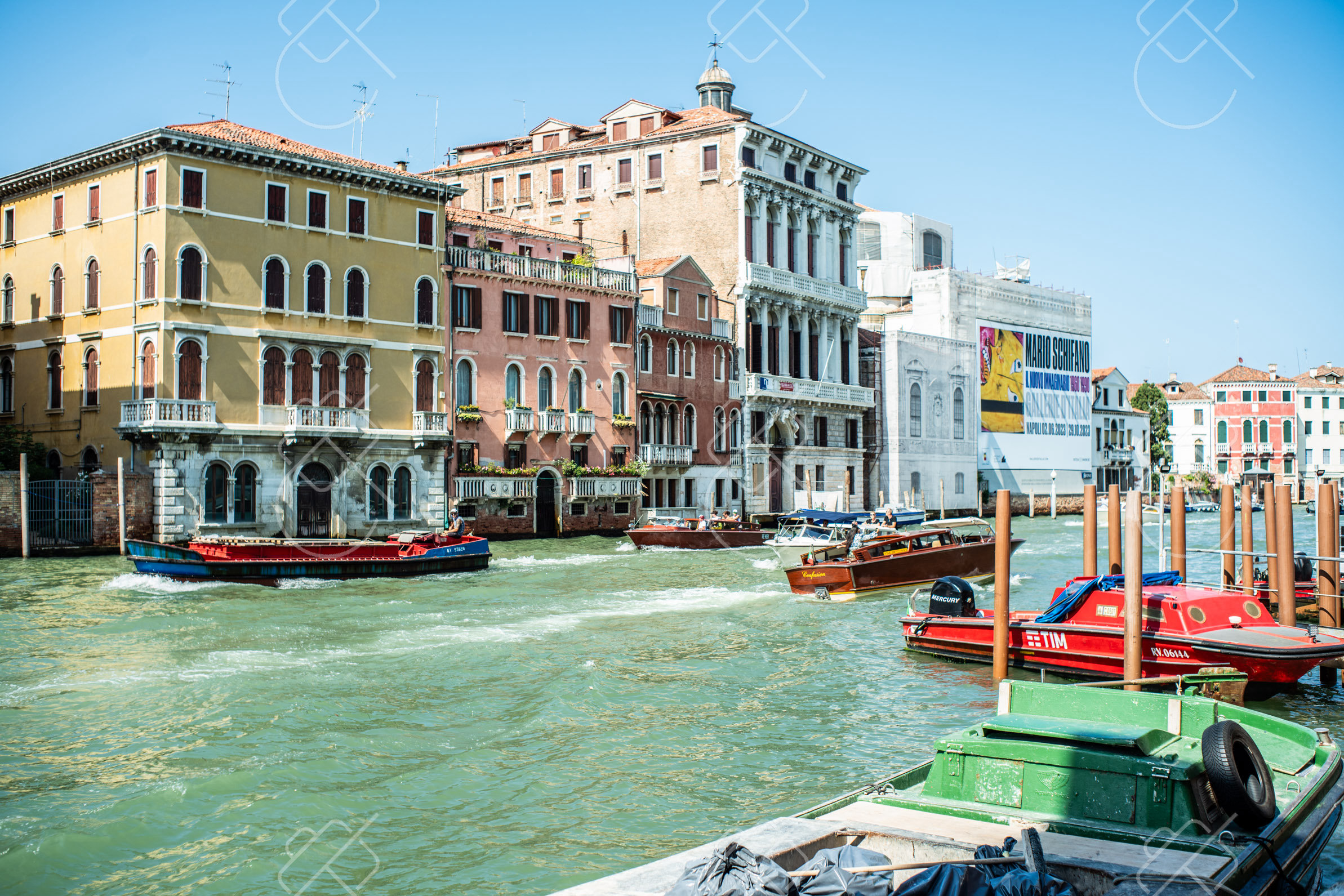
Venice is built across more than a hundred small islands in a shallow lagoon, with canals serving as streets and boats in place of cars. The historic center fans out from St. Mark's Square along the great S-curve of the Grand Canal, crossed by the marble Rialto Bridge.
The city's monumental heart is St. Mark's Square, dominated by the Byzantine domes and gold mosaics of St. Mark's Basilica, the Gothic Doge's Palace and the freestanding Campanile, whose top opens a panorama over the rooftops and lagoon. The Grand Canal winds past faded palazzos in Venetian Gothic and Renaissance styles, busiest with vaporetto and gondola traffic and best surveyed from the Rialto and Accademia bridges.
Beyond the main routes, Venice fragments into quiet residential districts threaded by narrow canals and stone bridges, where laundry strings between windows and small squares open unexpectedly. The lagoon also holds outlying islands: Murano known for glassmaking, Burano for its rows of brightly painted fishermen's houses, and Torcello for its early Byzantine cathedral.
April to June and September to October balance pleasant weather with thinner crowds; come in February for Carnival's masked spectacle, but avoid peak summer heat, tourist throngs, and the autumn-winter acqua alta flooding.
The central San Marco district to be steps from the landmarks, or the quieter Dorsoduro and Cannaregio areas for a more local atmosphere.
Cicchetti, small bar snacks eaten standing, sarde in saor, squid-ink pasta, and risotto made with lagoon seafood.
The main squares and bridges are nearly empty at first light, when the low sun warms the stone and the canals lie still — the best window for an unhurried wander.
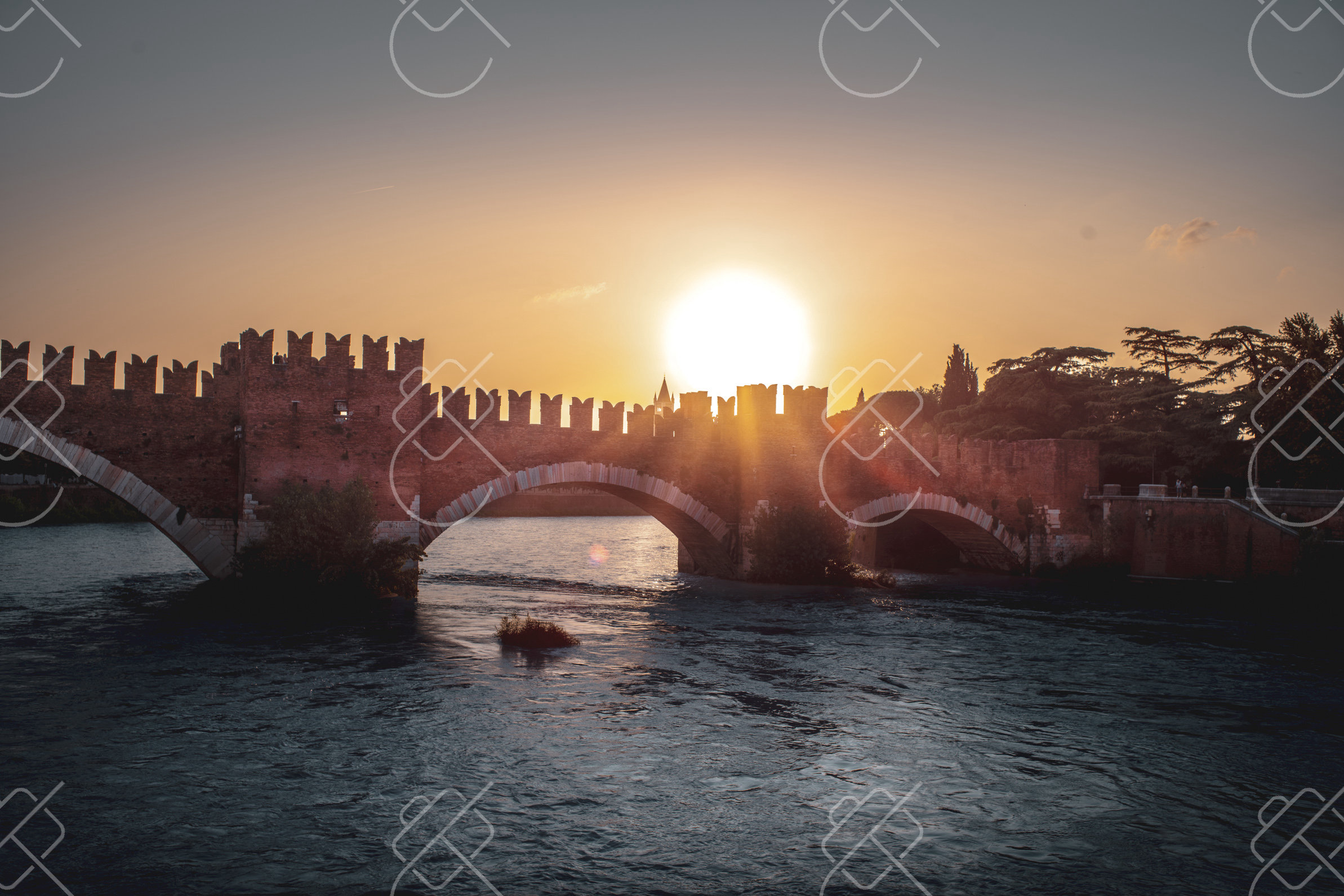
Verona sits on a bend of the Adige River in the Veneto, layered with Roman, medieval and Renaissance remains. Its centerpiece is the Arena, a 1st-century Roman amphitheater that still hosts large open-air opera performances each summer.
The Arena anchors the broad Piazza Bra and remains remarkably intact, its tiers of pink-and-white limestone seating tens of thousands. From there, marble streets lead to the Piazza delle Erbe, a former Roman forum lined with frescoed facades and market stalls, and to the medieval Scaliger family's tombs and battlemented bridges over the river.
The city is closely associated with Shakespeare's Romeo and Juliet, and a much-visited courtyard with a balcony draws crowds near the central streets. For wider views, the Castel San Pietro hill on the far bank looks back across the river to the rooftops, towers and the curve of the Adige, especially fine in the late afternoon.
Opera season at the Roman Arena runs late June through early September and is the city's signature draw; for milder weather and lighter crowds on foot, spring and early autumn are the better bet.
The historic center near Piazza Bra and the Arena for walkability, or across the river near the castle hill for quieter streets.
Risotto all'Amarone made with local red wine, pastissada de caval, and bigoli, a thick fresh pasta from the Veneto.
The terrace below Castel San Pietro gives the classic elevated view across the river and is best in the warm light of late afternoon.
Venice rises from a lagoon on wooden piles; Verona preserves a Roman amphitheater still in daily use; and Bologna runs nearly forty kilometers of covered arcades beneath its medieval brick.
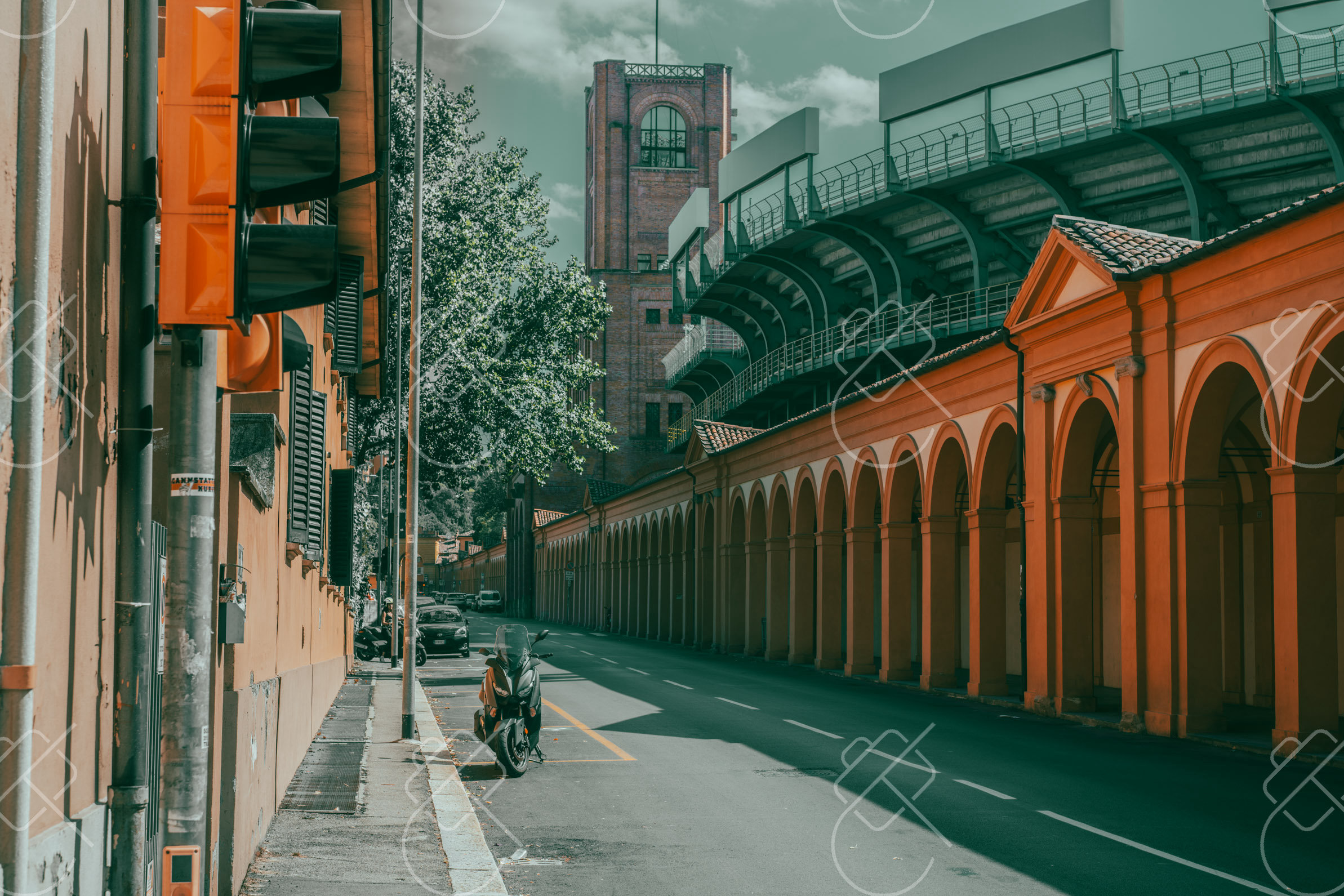
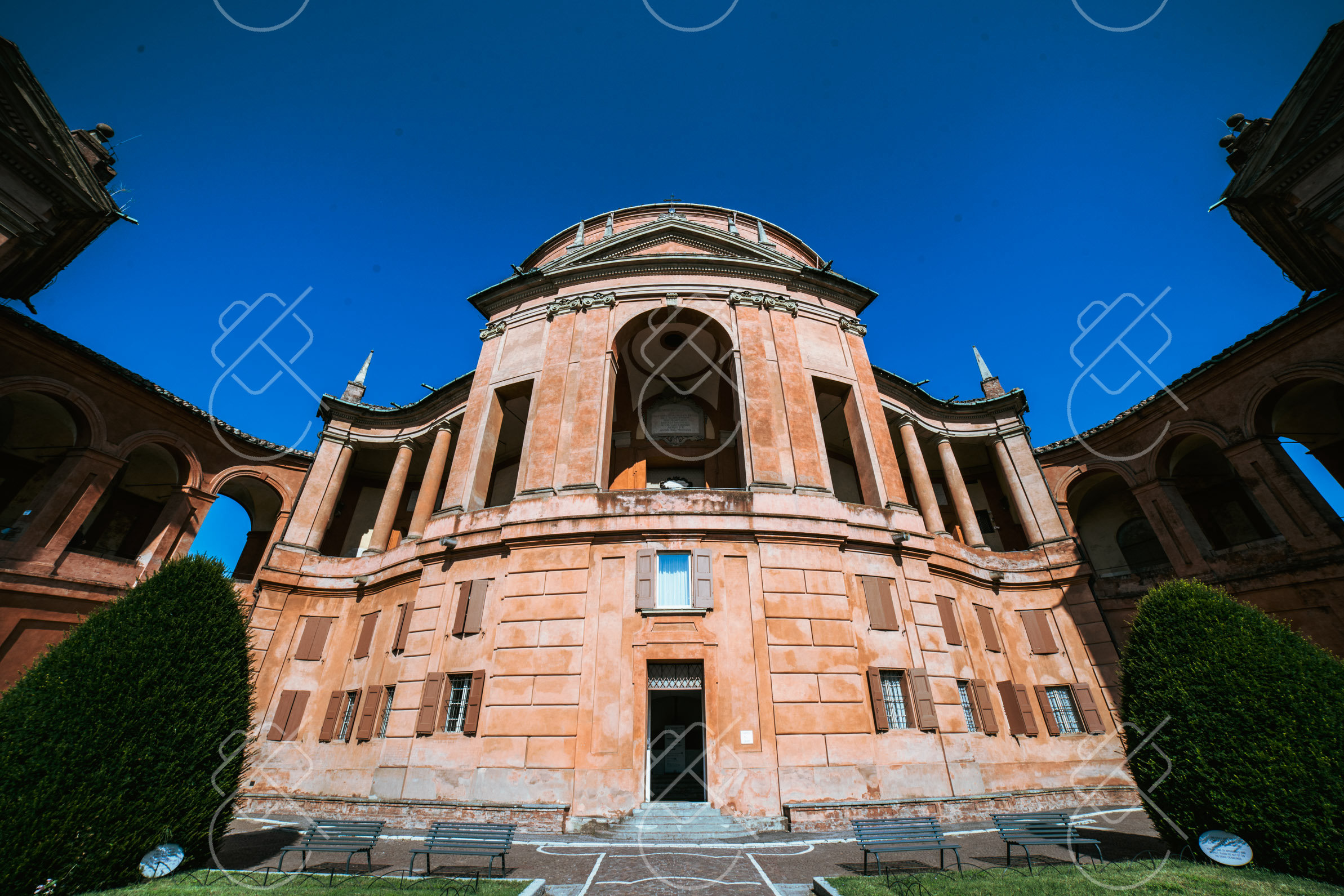
Bologna, the capital of Emilia-Romagna, is famed for its terracotta-toned medieval center, its leaning towers and nearly forty kilometers of covered porticoes that shelter its streets. Home to the oldest university in the continuous Western world, it has a youthful, working character alongside its history.
The city's porticoes, a UNESCO World Heritage feature, line street after street in brick and stone, including the long covered walkway that climbs to the hilltop Sanctuary of San Luca above the city. At the center, the vast Piazza Maggiore is framed by the unfinished facade of the Basilica of San Petronio, the Palazzo d'Accursio and the Fountain of Neptune.
Two medieval towers, the taller Asinelli and the leaning Garisenda, rise above the rooftops as the city's emblem, with a climb up the Asinelli rewarded by a view over a sea of red roofs. Bologna is also a recognized center of Italian cuisine, surrounded by the food-producing towns of the Emilian plain.
May to June and September to October bring comfortable temperatures ideal for the city's food scene and porticoed strolls; summers turn hot and many locals leave in August, while autumn ushers in truffle and harvest fare.
The university quarter and center near Piazza Maggiore for lively access, or quieter streets toward the porticoes for calm at night.
Tagliatelle al ragù, tortellini in broth, mortadella, and lasagne, all rooted in the surrounding Emilian food region.
For the broadest rooftop panorama, climb the Asinelli tower; for shelter and an unbroken walk through the center in any weather, stick to the arcaded streets instead.
Explore regional routes with verified local fleets, zero hidden charges, and transparent insurance on Localrent.
Get the best deals on flights, hotels, and stays for Italy — all on Expedia.
We're not the type to travel without coverage — World Nomads was our travel insurance for all 526 days, Italy included.
Transit cards, local customs, visa rules, and practical travel guides for this region.
See every destination from the 526-day journey:
Browse all destinationsCurious about the gear behind these photos? See the gear list.