Home
About us
Destinations & Country Guides
Travel Guides
Recipes
Featured
Photos As Art
Abstract Prints
Locations
Travel Gear
Travel Resources
Favorites
Photo Framer
Explore Photos
Contact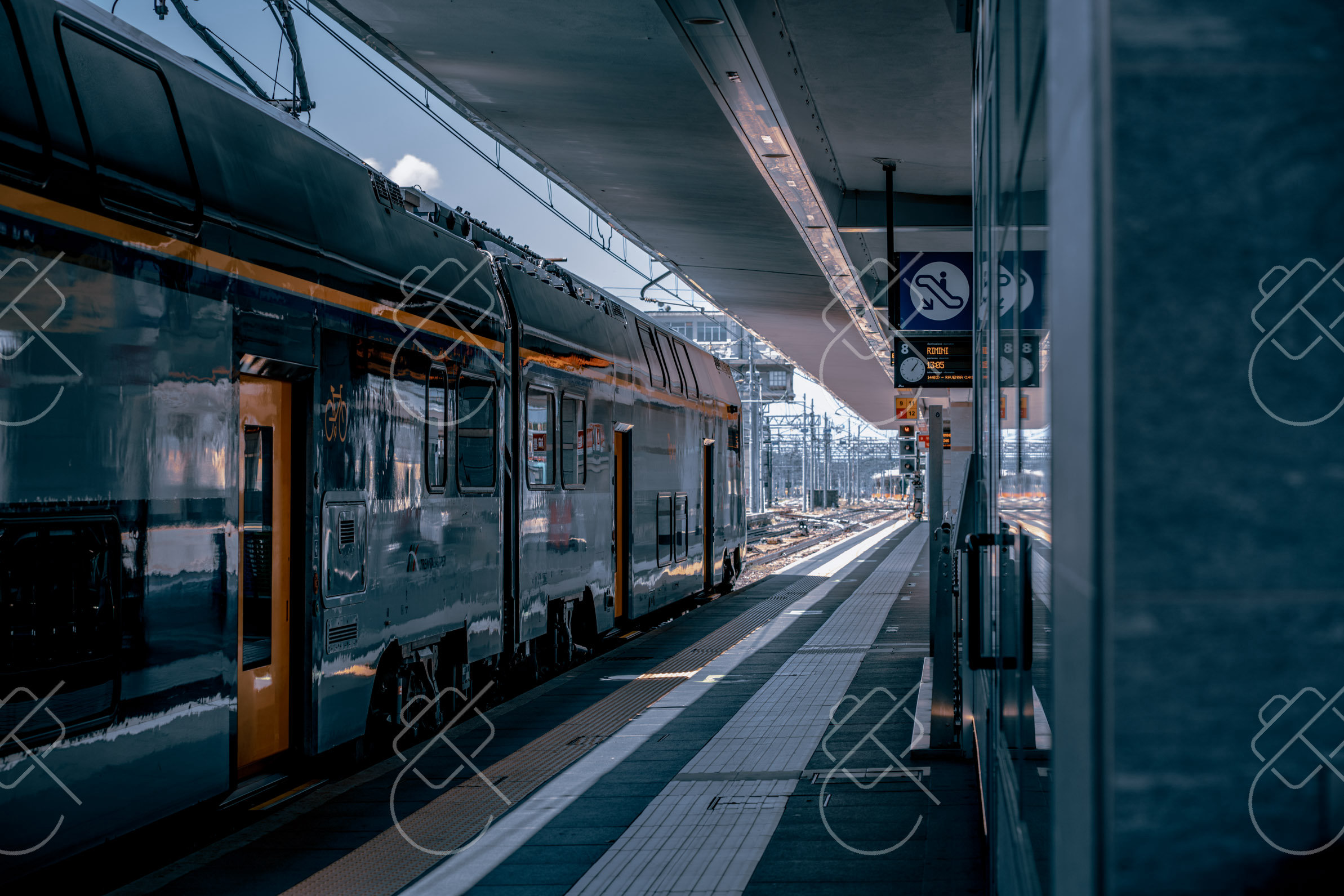 Attractions & day trips
By Clever Tourists · Published
The best day trips from Bologna are Modena, Ravenna and Parma. Modena is about 20 minutes away and gives you balsamic vinegar, a UNESCO-listed cathedral and the Ferrari museums; Ravenna, about an hour away, has the finest Byzantine mosaics in Europe; Parma is under an hour on fast trains and is the home of Parmigiano Reggiano and Prosciutto di Parma. Bologna is the best rail hub in northern Italy, so Ferrara and Florence are both well under an hour too. We spent 4 days in Bologna from 27 to 31 July 2023, between Verona and Venice, and the list below is ranked by what each trip gives you for the time on the train.
• 1. Modena: about 20 to 28 minutes by train. Half to full day.
• 2. Ravenna: about 1 hour by direct regional train. Full day.
• 3. Parma: about 46 to 50 minutes on fast trains, about 70 on regionals. Full day.
• 4. Ferrara: about 30 to 40 minutes on most regional trains. Half to full day.
• 5. Florence: about 35 to 40 minutes on Frecciarossa and Italo. A full day, but a thin slice of a city that needs 3.
• 6. Verona: about 50 minutes on the fastest trains. Full day, or the next stop on your route.
• 7. Venice: around an hour and a half on the fastest trains. Better as an overnight.
All of these leave from Bologna Centrale. Regional trains need no reservation and fares are fixed; high-speed tickets to Florence, Verona and Venice are cheaper booked ahead.
What it is: a compact, wealthy city with a Romanesque cathedral and the Ghirlandina tower, both UNESCO-listed with Piazza Grande; the covered Mercato Albinelli; and traditional balsamic vinegar producers in attics around town. The Enzo Ferrari museum is near the station, and the main Ferrari museum is in Maranello, about 20 km south.
Getting there: trains from Bologna Centrale take about 20 to 28 minutes, with many departures an hour.
How long: half a day for the centre and market, a full day with a vinegar tasting or Maranello.
Who it suits: food lovers, car fans, and anyone with only one spare day.
Tip: a shuttle runs from outside Modena station to both Ferrari museums, with tickets sold separately from museum entry; check the current departure times before you go. Visit the Mercato Albinelli in the morning, before stalls start closing around lunch.
What it is: the former capital of the Western Roman Empire and then of Byzantine Italy, with eight UNESCO-listed early Christian monuments. The Basilica of San Vitale and the Mausoleum of Galla Placidia, side by side, are the two not to miss; Sant'Apollinare Nuovo and the Neonian Baptistery are a short walk away.
Getting there: direct regional trains take about 1 hour; some connections are much longer, so pick a direct one.
How long: a full day. The main mosaic sites are walkable from the station.
Who it suits: anyone with an interest in art or history. Nothing else in Italy looks like this.
Tip: the mosaics are sold on combined tickets covering several sites, and at busy times the Mausoleum of Galla Placidia needs a booked slot. Book online, or buy at the Archbishop's Museum or Sant'Apollinare Nuovo, and start with San Vitale before the groups arrive.
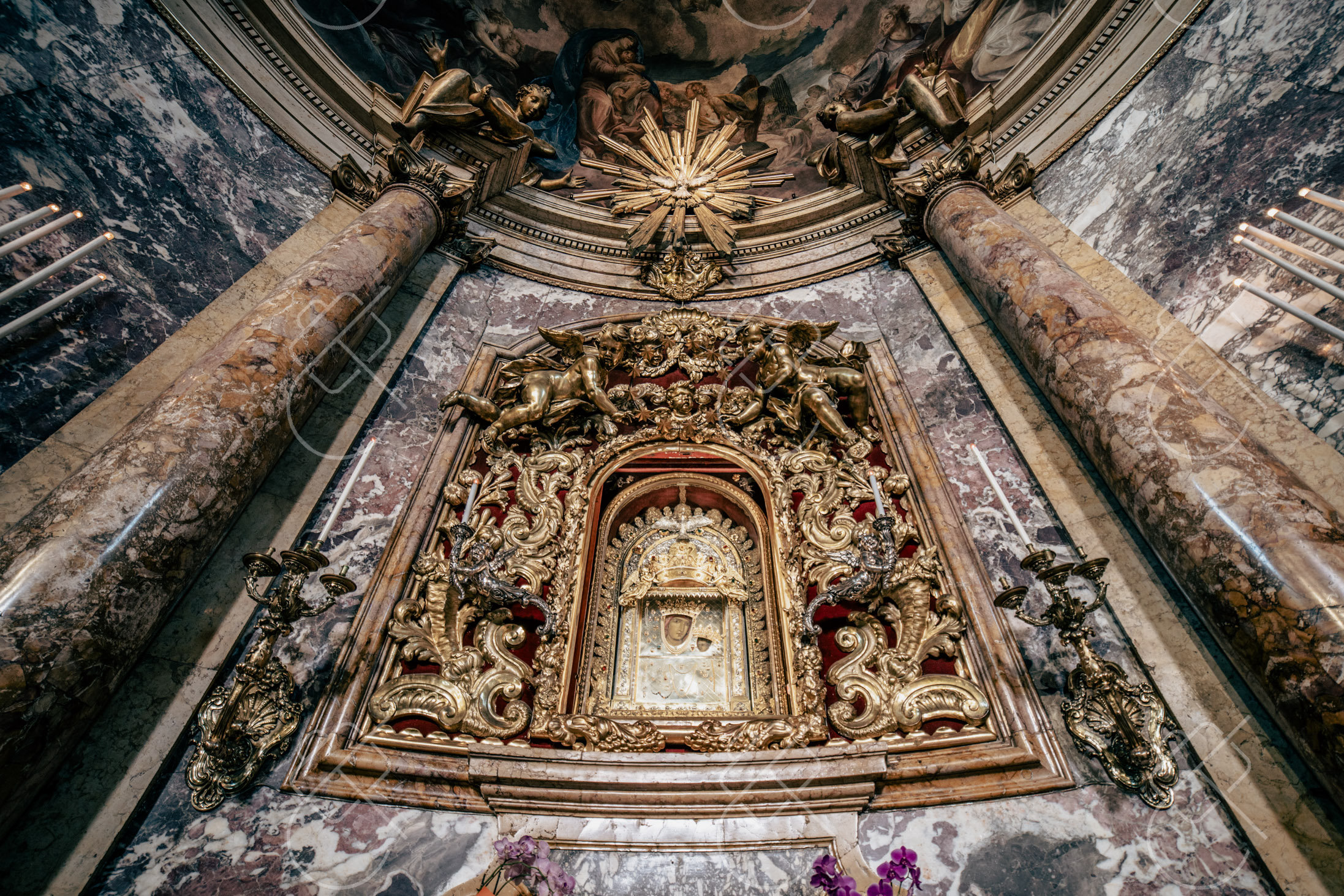
What it is: an elegant ducal city. The cathedral's dome is covered by Correggio's swirling Assumption, the pink marble octagonal baptistery stands next to it, and the Palazzo della Pilotta holds the Farnese theatre. Around the city, dairies make Parmigiano Reggiano and the hills to the south cure Prosciutto di Parma.
Getting there: the fastest trains take about 46 to 50 minutes; regional trains take about 70. There are many departures every hour.
How long: a full day, especially if you add a dairy visit outside town.
Who it suits: food-focused travellers and art lovers.
Tip: cheese dairies start work early and most visits are morning-only and by booking, so arrange one in advance and take an early train. On our route Parma was a day trip from Verona, where there is no direct train and it takes 2 to 3 hours each way; from Bologna it is far easier.
Ferrara is the flat, quiet city of the Este family: a moated castle in the middle of town, a Renaissance quarter laid out on a grid, and about 9 km of intact walls you can walk or cycle on top of. Direct regional trains take about 30 to 40 minutes, though some stopping services take closer to an hour. A half day covers the castle and cathedral; a full day lets you rent a bike and ride the walls. It suits anyone who liked Bologna's porticoes and wants an even calmer version.
Florence is only about 35 to 40 minutes away on Frecciarossa and Italo through the Apennine tunnels, the shortest high-speed hop in the country. One day gets you the Duomo, Piazza della Signoria and the Ponte Vecchio from the outside, but the Uffizi and the cathedral climbs need timed tickets booked in advance. Use it as a day trip only if Florence is not otherwise on your route; it deserves 3 days of its own. We did not go to Florence on this trip, and covered the north instead.
We came to Bologna from Verona and went on to Venice, so both work better as stops on a route than as day trips. If you are basing yourself in Bologna only, Verona is about 50 minutes on the fastest trains (about 1 hour 15 on average); see our one day in Verona guide and day trips from Verona.
Venice is around an hour and a half on the fastest trains, which makes a long day. Day-trippers arriving between 8:30 and 16:00 on fee days must pay the Venice access fee; see our Venice access fee guide. We stayed 3 days instead, and day trips from Venice covers what to see from there.
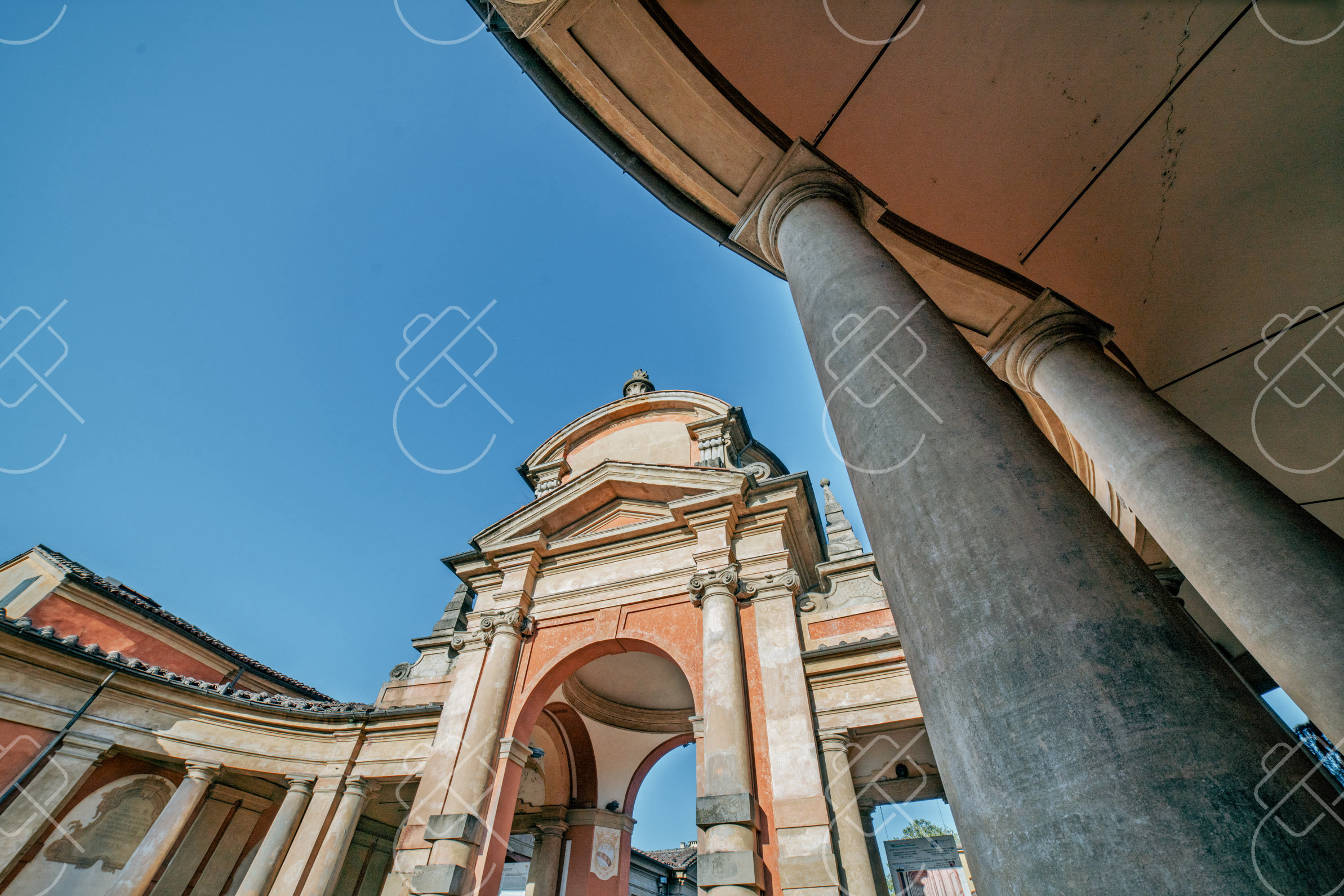
Give Bologna itself at least 2 full days: Piazza Maggiore and the Quadrilatero, the Two Towers, and the walk under the porticoes up to San Luca. Our Bologna guide covers the city, and how many days in Bologna explains how to split your time. With 4 days, as we had, two day trips fit: Modena and Ravenna make the best pair because they are completely different.
Stay within walking distance of Bologna Centrale or along Via dell'Indipendenza and the station is 10 minutes away. Many museums in the region close on Mondays, so use Monday for Modena's market and streets or a dairy visit.
Much of the reason to come here is the food: tortellini, mortadella, tagliatelle al ragù. Our what to eat in Bologna article and the Italian food guide go dish by dish. Most restaurants add a coperto; see our coperto and tipping guide. For the wider route, our Italy itinerary follows the Verona, Bologna and Venice order we travelled.
Modena, about 20 to 28 minutes by train, for its cathedral, the Mercato Albinelli, balsamic vinegar and the Ferrari museums. Ravenna, about an hour away, is the best for art.
Yes. Frecciarossa and Italo trains take about 35 to 40 minutes. Book Uffizi and Duomo climb tickets in advance, and give Florence more time if you can.
About 46 to 50 minutes on the fastest trains and about 70 on regional trains, with many departures every hour.
Take a direct regional train from Bologna Centrale, about 1 hour. The mosaic sites are sold on combined tickets; book ahead at busy times.
It is a long day at around an hour and a half each way on the fastest trains, plus the access fee on fee days. An overnight stay is better.
Get our new Italy guides and practical tips by email: where to stay, what to eat, what things cost and the rules that catch travelers out.
Free. No spam, only new guides and tips.
Search verified local fleets with low security deposits and exact model delivery on Localrent.
Get the best deals on your Italy stay with Booking.com.