Home
About us
Destinations & Country Guides
Travel Guides
Recipes
Featured
Photos As Art
Abstract Prints
Locations
Travel Gear
Travel Resources
Favorites
Photo Framer
Explore Photos
Contact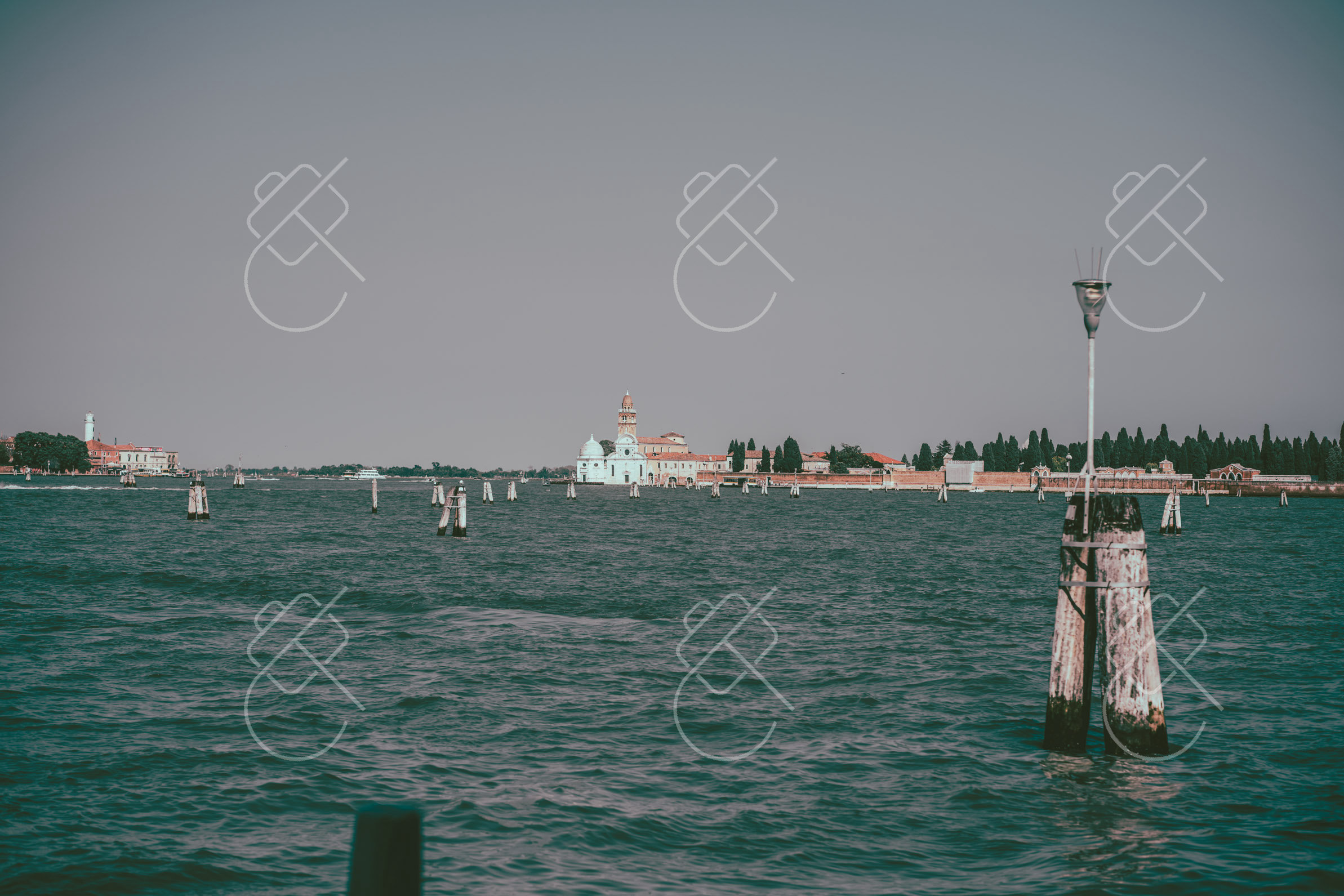 Attractions & day trips
By Clever Tourists · Published
The best day trips from Venice are the lagoon islands of Burano and Torcello, Padua, and Verona. Burano and Torcello need nothing but a vaporetto ticket and show you a Venice without the crowds; Padua is about 15 to 35 minutes away by train and holds Giotto's Scrovegni Chapel; Verona takes about 70 minutes on the fastest trains and is the best full-city day out. We spent 3 days in Venice from 31 July to 3 August 2023, after 4 days in Bologna and 2 in Verona, so the trips below are ranked by what each one gives you for the hours it costs.
• 1. Burano and Torcello: about 40 to 45 minutes by vaporetto line 12. Half to full day. Best payoff for the least effort.
• 2. Padua: about 15 to 35 minutes by train. Half to full day. Book the Scrovegni Chapel at least a day ahead.
• 3. Verona: about 70 minutes on the fastest trains. Full day, or better, a night.
• 4. Vicenza: about 45 minutes by train. Half day for Palladio's buildings. Closed-Monday trap for the Teatro Olimpico.
• 5. Treviso: about 30 to 40 minutes by train. Half day of canals and arcades with almost no tourists.
• 6. Murano: 10 to 25 minutes by vaporetto, depending on the stop. An hour or two, best folded into the Burano trip.
• 7. The Dolomites around Cortina d'Ampezzo: around 2.5 to 3 hours by bus each way. Do it as an overnight, not a day trip.
Everything here except the Dolomites is reachable on public transport without a tour. Trains leave from Venezia Santa Lucia, at the top of the Grand Canal, and the lagoon boats from Fondamente Nove on the north edge of Cannaregio.
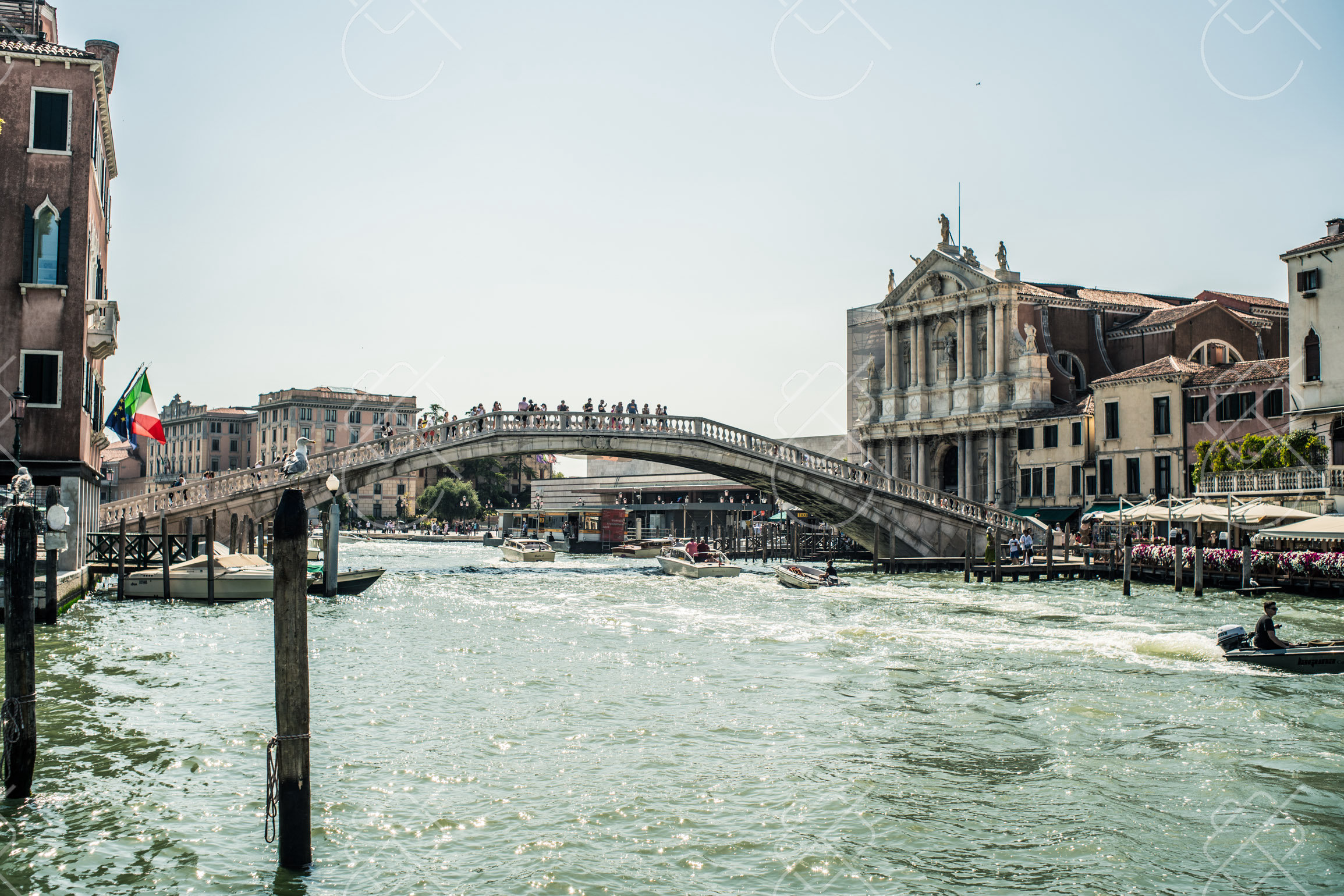
What it is: Burano is the fishing island of brightly painted houses along small canals; Torcello, one stop before it, is almost empty now but was settled before Venice itself, and its Byzantine cathedral of Santa Maria Assunta holds a vast mosaic of the Last Judgement.
Getting there: vaporetto line 12 from Fondamente Nove, about 40 to 45 minutes to Burano, with departures roughly every 20 to 30 minutes. The line stops at Murano and Mazzorbo first; only some runs call at Torcello, so check the timetable at the stop. A 24-hour or longer ACTV travel card makes sense here, because a single ticket costs about €9.50 (≈ $10.6) and you will take at least three boats.
How long: half a day for Burano alone, a full day if you add Torcello and Murano.
Who it suits: first-timers, photographers, anyone who wants a break from San Marco.
Tip: go to Torcello first, in the morning, then walk the bridge from Mazzorbo to Burano for lunch. Burano is busiest from late morning to mid-afternoon; the colours photograph best in the softer light late in the day.
What it is: a working city with the Scrovegni Chapel, whose frescoes by Giotto from the early 1300s are one of the key works of Western painting, plus the Basilica of Sant'Antonio, the Prato della Valle square and the market halls of the Palazzo della Ragione.
Getting there: the train from Santa Lucia to Padova takes about 15 to 35 minutes depending on the service, and regional fares start at a few euros. Trains run several times an hour.
How long: a full day if you want the chapel, the basilica and lunch in the market squares; a half day if you only come for Giotto.
Who it suits: art lovers, and anyone who wants an ordinary Italian city after the stage set of Venice.
Tip: the Scrovegni Chapel must be booked in advance, and same-day slots are often gone. Visits are timed and short, and latecomers lose their slot, so book a mid-morning entry and take an earlier train than you think you need.
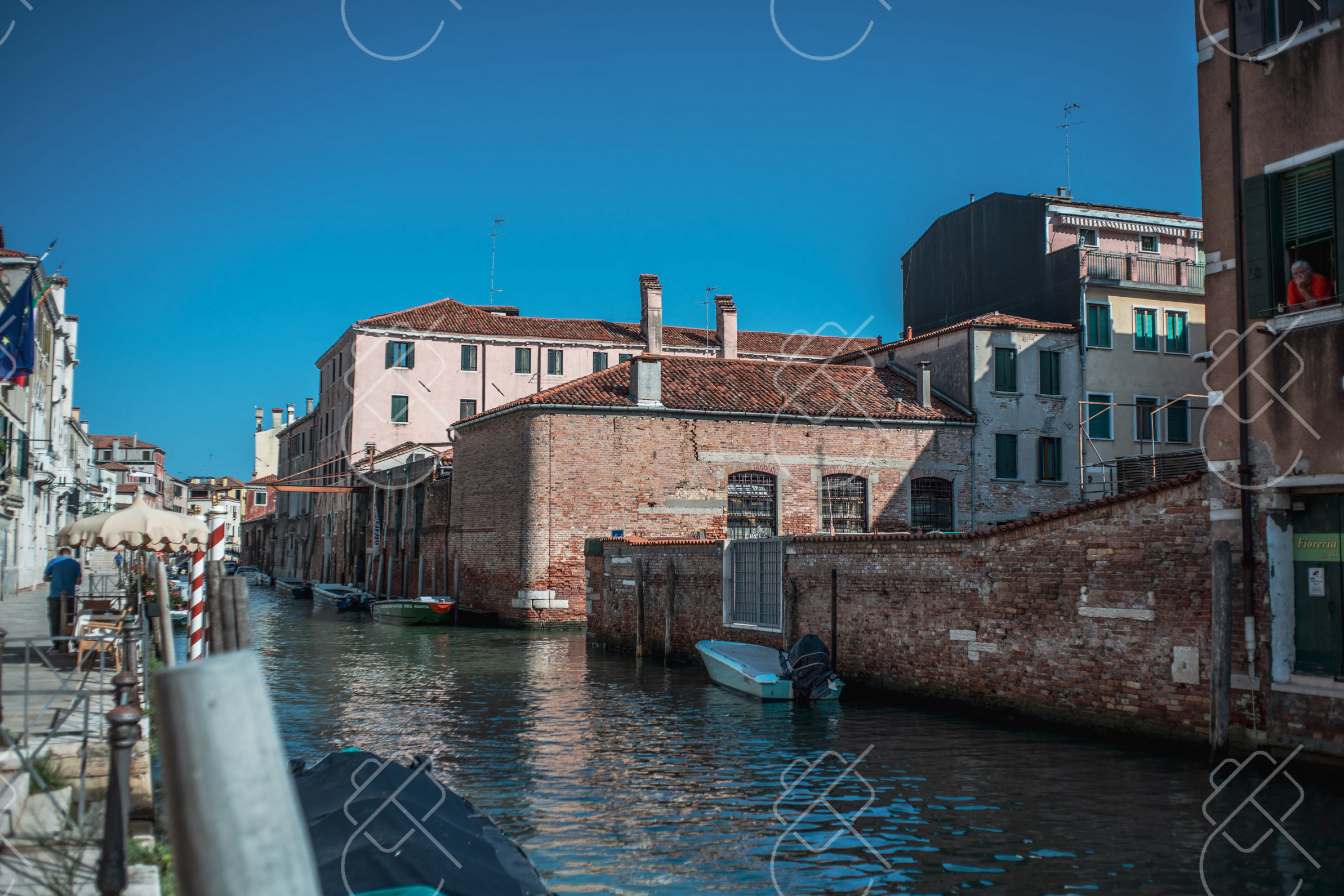
What it is: the Roman Arena on Piazza Bra, Piazza delle Erbe, the Scaliger tombs, the Roman Ponte Pietra and the view from Castel San Pietro. Our Verona in one day guide has the walking order.
Getting there: direct trains from Santa Lucia to Verona Porta Nuova take about 70 minutes on average; the fastest Frecciarossa and Italo services are a little quicker. Porta Nuova is about a 20-minute walk from the Arena.
How long: a full day at minimum. We spent 2 days in Verona before Bologna, and with the summer opera season at the Arena from roughly mid-June to early September, an overnight is the better plan.
Who it suits: travellers with 4 or more days in Venice who want a second city without moving hotels.
Tip: book a Casa di Giulietta ticket ahead if you want to go inside and out onto the balcony. For more ideas from there, see day trips from Verona.
Vicenza is Palladio's city: the Basilica Palladiana on Piazza dei Signori, the Teatro Olimpico with its painted wooden street-scene stage, and the Villa La Rotonda on the edge of town. Direct trains from Santa Lucia take about 45 minutes. The Teatro Olimpico is closed on Mondays and opens 9:00 to 17:00 for most of the year (10:00 to 18:00 in July and August), so plan this one for Tuesday to Sunday. A half day covers the centre; add the afternoon for La Rotonda.
Treviso is the quiet option: canals, frescoed arcades and the Pescheria, the fish market on an island in the Sile river. Trains take about 30 to 40 minutes and arrive at Treviso Centrale, a short walk from the old town. It suits repeat visitors and anyone flying out of Treviso airport. Go in the morning while the fish market is running.
Murano is the glass island, close enough by vaporetto that it is better as a stop on the way to Burano than a trip of its own. Watch a furnace demonstration and visit the glass museum, but treat free taxis to showrooms as the sales pitch they are.
Cortina d'Ampezzo and the peaks around it are the most dramatic landscape within reach of Venice, but it is a long way for one day. Buses from Piazzale Roma and Mestre take roughly 2.5 to 3 hours each way, which leaves very little time for walking once you subtract the cable cars and the bus home. If the mountains are the point, give them 2 nights.
The same logic applies to Bologna: the fastest trains take around an hour and a half, which works as a day trip on paper, but the city rewards an evening. We gave Bologna 4 days before Venice; see day trips from Bologna for what to add from there.
Most of these trips start and end at Santa Lucia, so a base in Cannaregio or near the station saves 20 minutes each way; our where to stay in Venice guide compares the areas. If you stay overnight in the city you do not pay the Venice access fee, but you still need the free exemption QR code on fee days; the rules are in our Venice access fee guide.
Count each day trip as a Venice day. With 3 days, as we had, one lagoon trip is the most we would add. With 4 or 5, add Padua or Verona. Our how many days in Venice article lays out the trade-off, and the Venice travel guide covers the city itself. If you are travelling on through the north, our Italy itinerary follows the same Verona, Bologna and Venice order we did, and from Venice we went on to Zagreb.
Lunch outside Venice is usually cheaper and less hurried. Expect a coperto (cover charge) on the bill in Padua and Verona as in Venice; see our coperto and tipping guide.
Burano and Torcello by vaporetto line 12 from Fondamente Nove, about 40 to 45 minutes each way. For a city, Padua is the best value at about 15 to 35 minutes by train.
Yes. Direct trains to Verona Porta Nuova take about 70 minutes on average. A full day covers the Arena, Piazza delle Erbe and Castel San Pietro, but in opera season an overnight is better.
Yes. Visits are timed and must be booked in advance, ideally a day or more ahead, and latecomers lose their slot.
It is possible but not worth it. Buses to Cortina d'Ampezzo take roughly 2.5 to 3 hours each way, so give the mountains 2 nights instead.
Take vaporetto line 12 from Fondamente Nove. It stops at Murano and Mazzorbo, and on some runs Torcello, before Burano, about 40 to 45 minutes in all.
Get our new Italy guides and practical tips by email: where to stay, what to eat, what things cost and the rules that catch travelers out.
Free. No spam, only new guides and tips.
Search verified local fleets with low security deposits and exact model delivery on Localrent.
Get the best deals on a hotel in Italy before you book elsewhere — Booking.com.