Home
About us
Destinations & Country Guides
Travel Guides
Recipes
Featured
Photos As Art
Abstract Prints
Locations
Travel Gear
Travel Resources
Favorites
Photo Framer
Explore Photos
Contact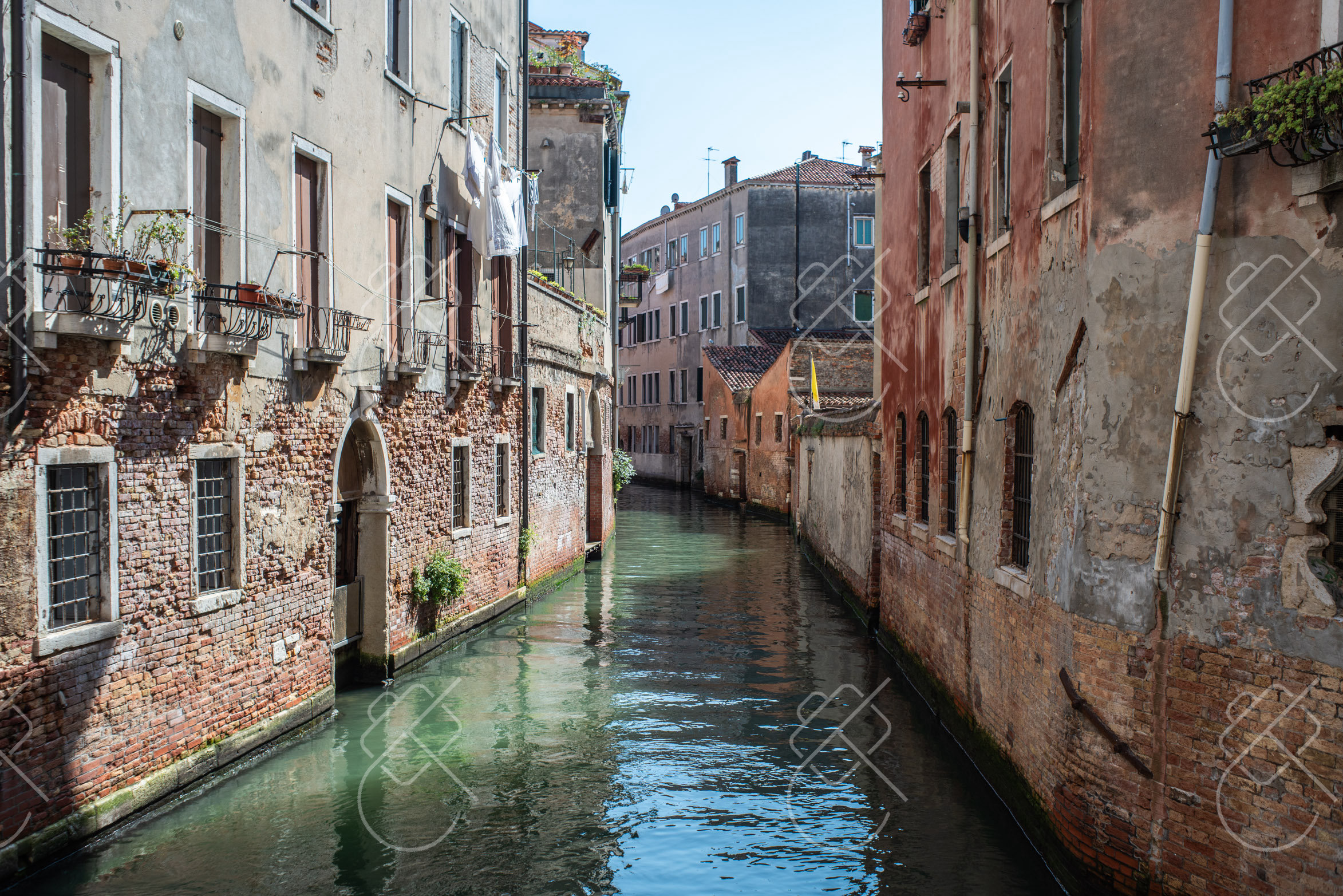 Gear & packing
By Clever Tourists · Published · Last updated
For Italy, the things worth getting right are a plug adapter that fits Italian sockets, a bag a pickpocket can't open, some cash, a refillable water bottle, shoes that survive cobbles and stairs, and luggage you can carry over a Venice bridge. Clothing, including the shoulders-and-knees rule for churches, is covered in what to wear in Italy; this page is everything else. We spent July and August 2023 in northern Italy: 2 days in Verona, 4 in Bologna (with a day in Parma) and 3 in Venice.
Italy runs at 230 V, 50 Hz and uses three plug types: type C (the two-pin Europlug), type F (Schuko) and type L, the Italian plug with three round pins in a line. Many sockets accept both C and L; older buildings may only have L sockets, and some wall sockets are the larger L variant.
• A universal adapter or a European C/F adapter plus a cheap C-to-L converter, sold in any Italian hardware or tobacco shop.
• A multi-port USB charger, because hotel rooms in old buildings often have one usable socket.
• Check voltage on hair tools from the US: most will not run on 230 V. Hotels nearly always have a dryer.
US, UK and Australian visitors all need an adapter.
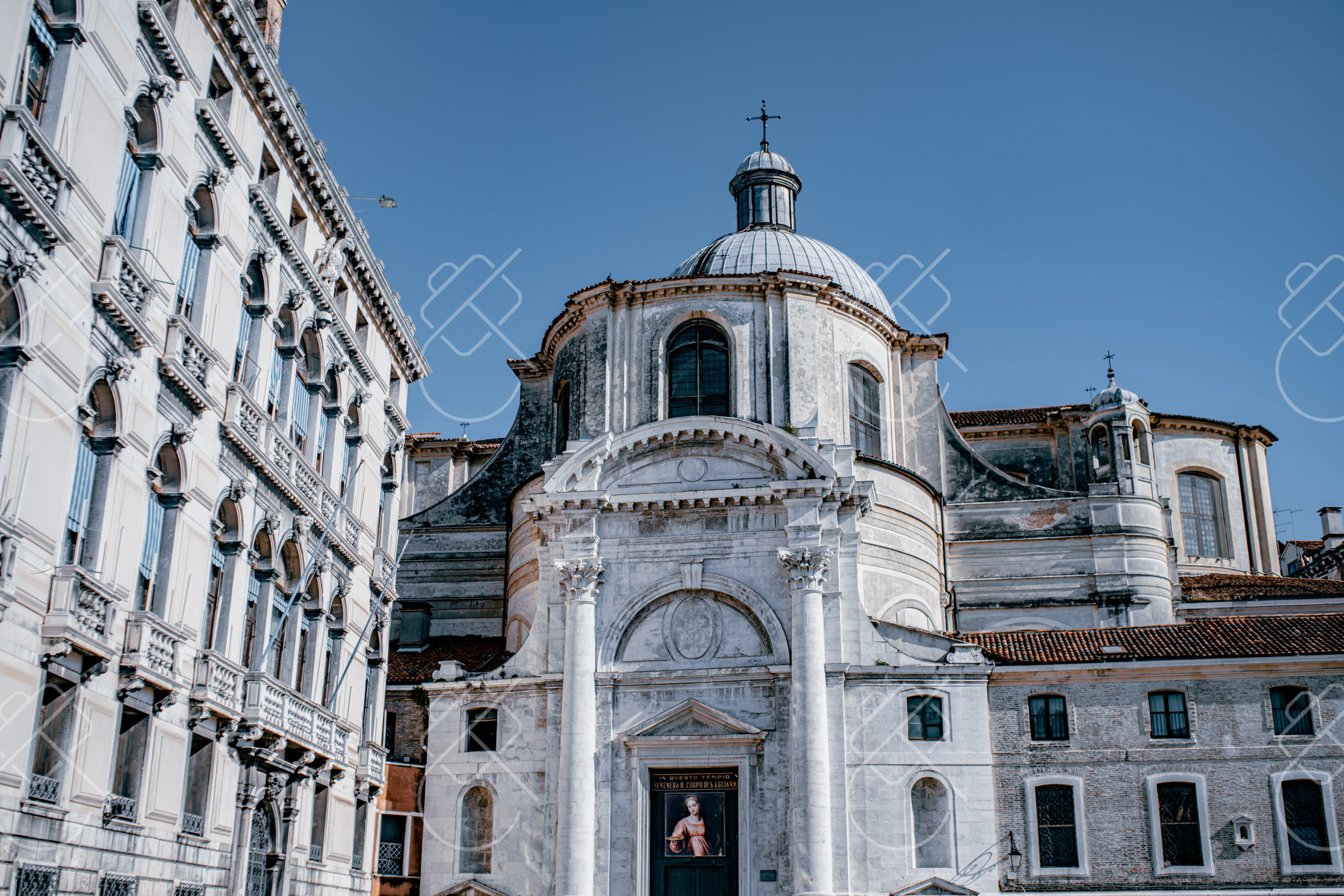
Pickpocketing is the crime most visitors to Italy meet, concentrated on crowded buses and metros, at major stations and around the big sights in Rome, Florence, Venice, Milan and Naples. It is opportunistic, so the fix is a bag that is slow to open.
• A cross-body bag with locking zips worn in front, or a slash-resistant one. We carried a Pacsafe CitySafe (on our gear page).
• Phone on a strap or in a front pocket, never on a café table.
• Two cards on different networks, in different places, and a small amount of euro cash. Cards are accepted almost everywhere, but small bars, markets, some taxis and the city tourist tax at smaller hotels may want cash.
Expect a coperto (cover charge) on many restaurant bills; it is legal and listed on the menu. See coperto and tipping in Italy. Many cities also charge a nightly tourist tax at your accommodation: Italy tourist tax by city.
• Passport. Italy is in the Schengen area; non-EU visitors are now registered under the EU's Entry/Exit System on arrival, and ETIAS is planned to follow. See do I need a visa for Italy.
• Timed tickets on your phone for the sights that sell out: the Last Supper in Milan, the Vatican Museums, the Uffizi, the Colosseum. Screenshots help where signal is weak in thick stone buildings.
• The Venice day-tripper fee QR code if you visit Venice as a day tripper on a charging day; overnight guests pay the city tax through their hotel instead. See the Venice entry fee guide.
• If you are driving: an International Driving Permit alongside a non-EU licence, and a plan for the ZTL limited-traffic zones that cover most historic centres; cameras fine cars that enter without a permit. Read driving in Italy and the ZTL before you collect the car.
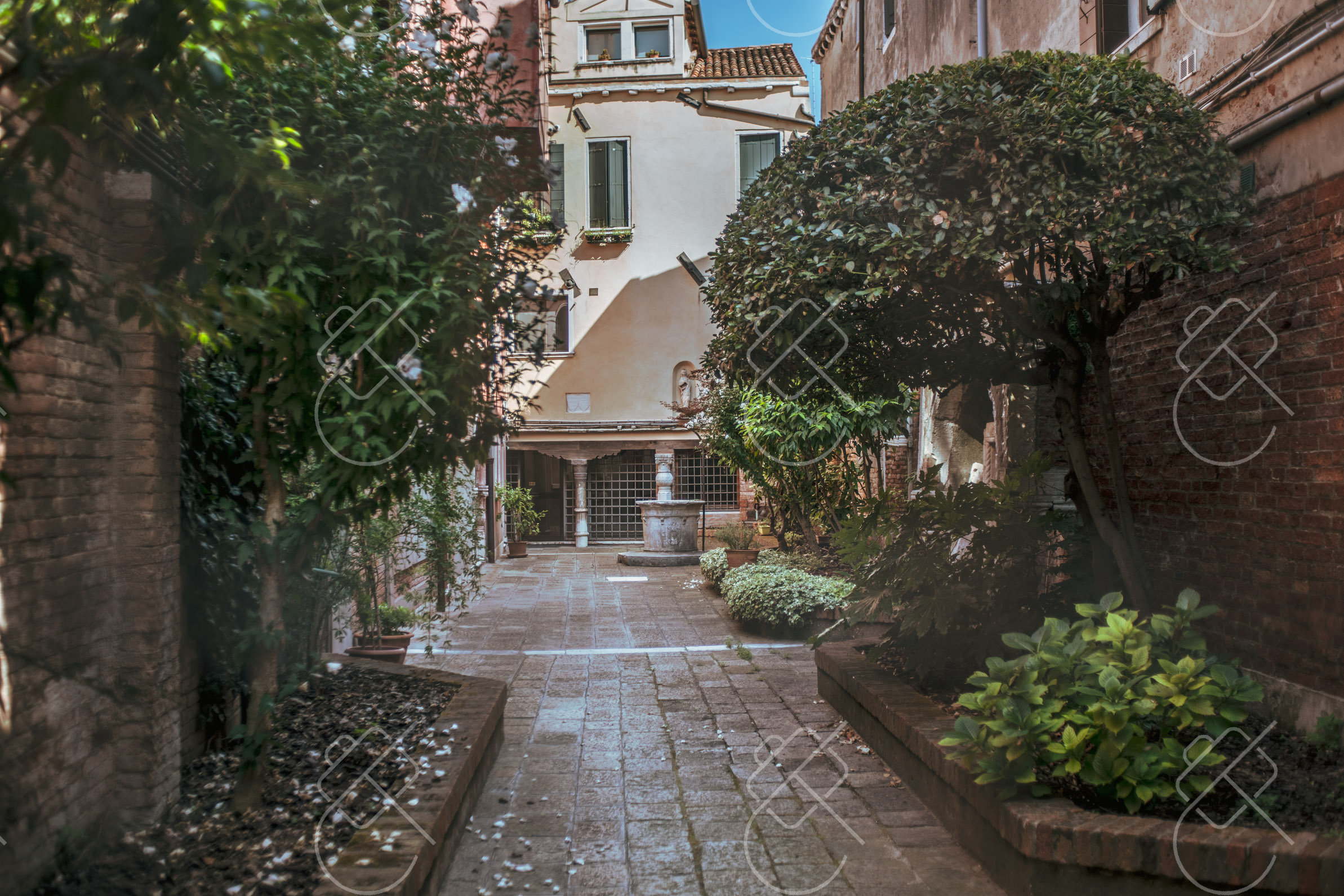
Italian old towns are cobbles, marble steps and hills. A comfortable pair of broken-in walking shoes matters more than anything else in your bag.
• Walking shoes with some cushioning, plus a lighter pair for evenings.
• A carry-on-sized bag you can lift. Venice has more than 400 bridges, almost all with steps, and wheeled cases are a misery on them; regional trains have high steps and little luggage space. A travel backpack such as the Osprey Porter 46 solves both.
• A light scarf or shawl in your day bag for churches, which ask for covered shoulders and knees; the details are in what to wear in Italy.
July and August in Rome, Florence, Bologna and the south often pass 35°C, and stone cities hold the heat into the night.
• A refillable water bottle. Tap water is safe, and public fountains are everywhere: Rome's nasoni, Venice's cast-iron wells-turned-fountains, and drinking fountains across Bologna and Florence.
• Sunscreen, a hat and sunglasses, all easily bought in pharmacies (farmacia, green cross) if you forget them.
• Mosquito repellent for summer evenings, especially in Venice and the Po valley around Bologna and Parma, where mosquitoes are a real nuisance after dark.
In August many family-run shops and restaurants close for the Ferragosto holiday around 15 August; book ahead.
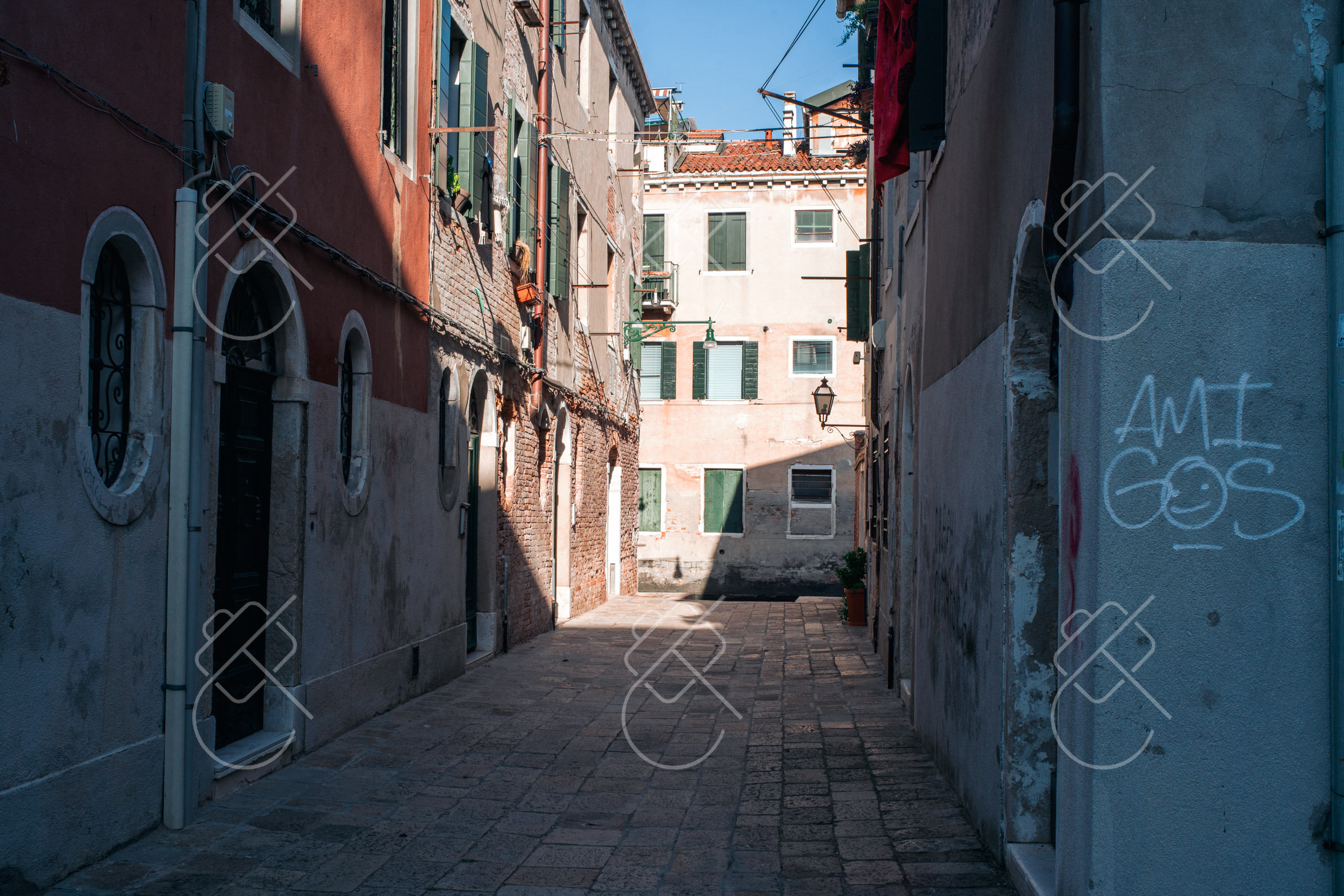
Toiletries, sunscreen, umbrellas (street sellers appear the moment it rains), a cheap shawl for churches, picnic supplies and medicine for minor problems are all easy to buy. Pharmacists can advise on most minor ailments. Supermarkets such as Coop, Conad and Esselunga are good for snacks and water for long train days; see our Italy grocery guide.
For data, EU visitors roam at home rates; others should read our Italy eSIM guide. For costs, see how much a trip to Italy costs. For the order of our northern route, read the Venice, Verona and Bologna itinerary, the Venice guide and the Bologna guide. The core kit is in our long-trip packing list.
Italy uses types C, F and L at 230 V. A universal adapter or a European C/F adapter works in most sockets; some older sockets take only the Italian type L, and C-to-L converters are sold cheaply in Italian shops.
Use a cross-body bag with locking zips worn in front, keep your phone on a strap or in a front pocket, and split cards between bags. Pickpocketing is concentrated on crowded transport, at main stations and around big sights.
A little. Cards work almost everywhere, but small bars, markets, some taxis and the city tourist tax at smaller hotels may want cash.
Yes. Tap water is safe, and public drinking fountains are common in Rome, Venice, Florence and Bologna, which matters in July and August heat.
Get our new Italy guides and practical tips by email: where to stay, what to eat, what things cost and the rules that catch travelers out.
Free. No spam, only new guides and tips.
Search verified local fleets with low security deposits and exact model delivery on Localrent.
Get the best deals on a hotel in Italy before you book elsewhere — Booking.com.