Home
About us
Destinations & Country Guides
Travel Guides
Recipes
Featured
Photos As Art
Abstract Prints
Locations
Travel Gear
Travel Resources
Favorites
Photo Framer
Explore Photos
Contact Attractions & day trips
By Clever Tourists · Published
One day is enough for Verona, because the historic centre is compact and entirely walkable: the Arena, Piazza delle Erbe, Juliet's House, the Scaliger tombs and Castelvecchio all sit within about 20 minutes of each other on foot. The two things that need planning are the Arena and Casa di Giulietta — the balcony courtyard is free to enter, but going inside the house and onto the balcony itself requires a timed ticket that sells out.
Casa di Giulietta. The brick courtyard with the statue is free and always busy. Stepping inside the house and out onto the balcony needs a booked slot, and walk-up queues can run to hours in season. Book on the municipal ticket platform before you travel.
Arena di Verona. For a daytime look at the amphitheatre, tickets are available on the day or online. If you are there between roughly mid-June and early September, the summer opera festival is the reason to be in Verona at all — book months ahead through the Fondazione Arena di Verona, and expect the unreserved stone-step seats (gradinata) to sell out first. Bring or rent a cushion; the steps are exactly as hard as they look.
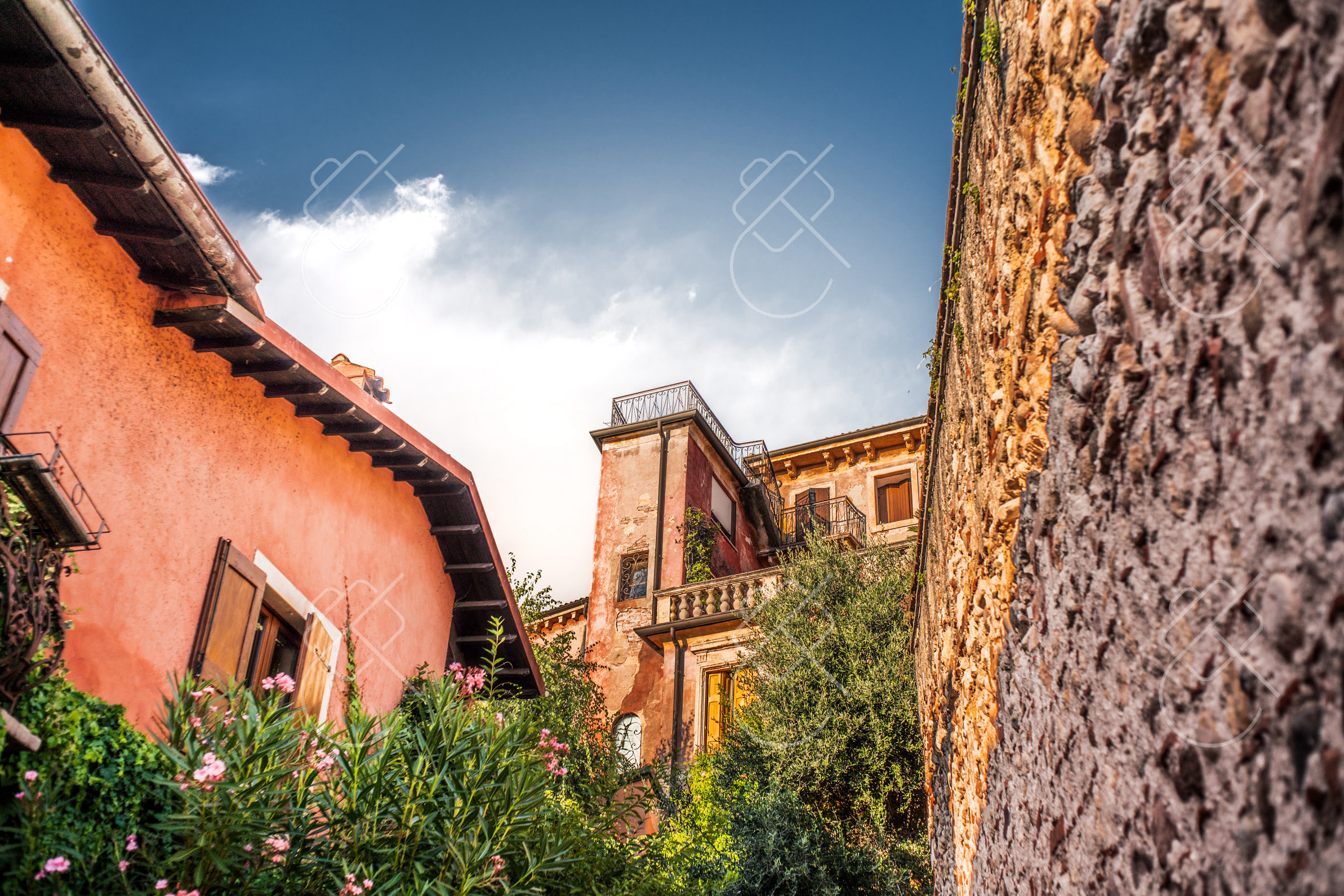
• Morning: start at Piazza Bra with the Arena. It is the best-preserved Roman amphitheatre in the world and still in use, which is the interesting part.
• Late morning: walk Via Mazzini to Piazza delle Erbe, the market square. Climb the Torre dei Lamberti for the rooftop view — there is a lift partway, which matters more than it sounds.
• Lunch: an osteria off Piazza delle Erbe. Verona is Spritz country; an Aperol or Campari Spritz before lunch is the local rhythm, not a tourist affectation.
• Afternoon: Casa di Giulietta on your booked slot, then Piazza dei Signori and the Scaliger Tombs a couple of minutes away.
• Late afternoon: cross the Ponte Scaligero at Castelvecchio for the river views.
• Sunset: up to Castel San Pietro behind the Roman theatre. This is the best view in the city and most day-trippers never get there.
This is the most useful thing to know before you queue. The balcony was added in the 1930s, when the city bought the building and leaned into the tourist trade; the house was a medieval inn with no particular Shakespearean connection. The famous wall of love notes and the statue are twentieth-century additions too.
That does not make it unpleasant. The courtyard is genuinely atmospheric, the queue is part of the experience, and the balcony view over the courtyard is exactly the photograph people come for. But if you are choosing how to spend a limited day, know that you are visiting a well-made piece of civic theatre rather than a Renaissance site.
Where Verona does deliver without any staging: the Arena, the Scaliger tombs, the Roman theatre across the river, and the medieval street plan. That is a lot of real history for one day.
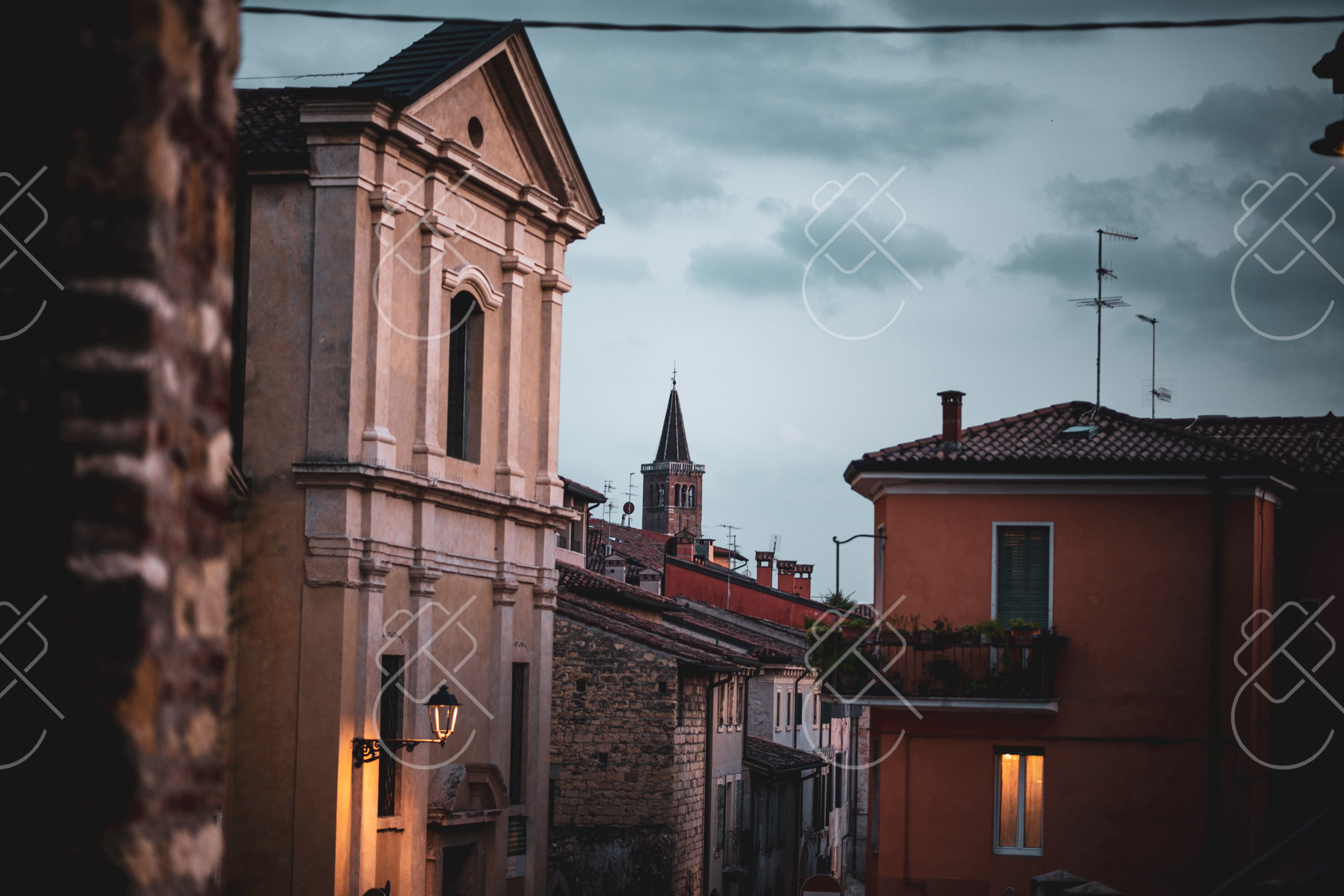
Verona sits on the main rail line between Venice and Milan, and we arrived from Munich and left for Bologna, so it works well as a stop on a longer Italian route rather than a dedicated trip. Verona Porta Nuova is about 1.5 km from the historic centre — a 20-minute walk or a short bus ride.
Two nights is the comfortable version: one full day for the centre, and a second for the Roman theatre, San Zeno and the river. With one night you can still see the core, but you will be moving fast and skipping the quieter churches.
Stay inside the old city, within the bend of the Adige, if you can. Verona's pleasure is wandering it in the evening after the day-trippers leave, and that only works if you are staying there.
Yes for the highlights. The Arena, Piazza delle Erbe, Juliet's House, the Scaliger tombs and Castelvecchio are all walkable within one day. Two nights gives a much more relaxed visit.
The courtyard and statue are free. Going inside the house and onto the balcony needs a timed ticket booked in advance, and slots sell out in season.
Roughly mid-June to early September. Book through the Fondazione Arena di Verona months ahead, and bring a cushion for the stone-step seats.
No. It was added in the 1930s when the city turned the building into a tourist attraction. The house was a medieval inn with no real connection to Shakespeare.
Get our new Italy guides and practical tips by email: where to stay, what to eat, what things cost and the rules that catch travelers out.
Free. No spam, only new guides and tips.
Entry rules change, and they depend on your nationality — always confirm the current requirements on the official government site before you book or apply. Only use official government (.gov) portals; ignore look-alike agency sites.
Search verified local fleets with low security deposits and exact model delivery on Localrent.
Get the best deals on Italy hotels before they're gone — see Booking.com.