Home
About us
Destinations & Country Guides
Travel Guides
Recipes
Featured
Photos As Art
Abstract Prints
Locations
Travel Gear
Travel Resources
Favorites
Photo Framer
Explore Photos
Contact Money & payments
By Clever Tourists · Published
Almost every Italian city charges a tourist tax, the imposta di soggiorno or contributo di soggiorno: a fee per adult, per night, that hotels and rentals often add at check-in or check-out instead of including it in the price you booked. In 2026 the top rates in a 5-star hotel are €12 (≈ $13.4) in Milan, €10 (≈ $11.1) in Rome, €8 (≈ $8.9) in Florence and €5 (≈ $5.6) in central Venice. A mid-range 3-star hotel costs €6 to €7 (≈ $6.7–7.8) per person per night in Rome, Florence and Milan, and €3.50 (≈ $3.9) in Venice. Each city sets its own rates, its own age limit for children and its own maximum number of nights, so the same week can cost very different amounts. The figures below come from each city council's published rate tables. In July 2023 we spent 2 nights in Verona, 4 in Bologna and 3 in Venice, all of which charge this tax.
Free toolConvert to your own currency at live rates →Live mid-market rates for all 17 currencies we used, so you can see what a price actually costs.Each city council decides whether to charge the tax and how much. National law sets only the outer limits. The tax is charged per person, per night, not per room, and it depends on the official category of the property (number of stars, B&B, holiday apartment). It doesn't depend on what you paid for the room.
The property collects it from you and pays it to the city. Many hotels show it as a separate "city tax" line and ask for it at the desk even if you prepaid the room online. Look in your booking confirmation for "city tax not included" or tassa di soggiorno esclusa. Some properties ask for cash; many take cards. Holiday-rental platforms often collect it in the checkout total.
Every city also caps the number of taxable nights and exempts children up to a certain age. Both vary, as shown below. Residents of the city never pay, but being Italian doesn't exempt you elsewhere: a Roman staying in Florence pays Florence's rate.
Rome's rates have applied since 1 October 2023 (Giunta Capitolina resolution 255/2023), per person per night:
• 5-star hotel: €10.00 (≈ $11.1) · 4-star: €7.50 (≈ $8.4) · 3-star: €6.00 (≈ $6.7) · 2-star: €5.00 (≈ $5.6) · 1-star: €4.00 (≈ $4.5)
• B&B, short-term rental, holiday apartment (category 1), agriturismo: €6.00 (≈ $6.7)
• Guest house / affittacamere: €5.00 to €7.00 (≈ $5.6–7.8) depending on category
• Hostel: €3.50 (≈ $3.9) · Campsite: €3.00 (≈ $3.3) (5-night cap)
Cap: 10 consecutive nights in the same property. Children under 10 are exempt under Rome's regulation. Two adults in a 4-star hotel for four nights: 2 × 4 × €7.50 (≈ $8.4) = €60 (≈ $67). Rome's tourist tax is separate from the €2 (≈ $2.2) Trevi Fountain ticket, and the hotel will not collect that.
Florence's current rates have applied since 1 February 2025 (Giunta resolution 535 of 10 December 2024), per person per night:
• 5-star hotel: €8.00 (≈ $8.9) · 4-star: €7.00 (≈ $7.8) · 3-star: €6.00 (≈ $6.7) · 2-star: €4.50 (≈ $5.0) · 1-star: €3.50 (≈ $3.9)
• Tourist rentals (Airbnb-type locazioni turistiche): €6.00 (≈ $6.7)
• Youth hostel: €4.00 (≈ $4.5)
Cap: 7 consecutive nights. Children up to age 12 are exempt, along with University of Florence students and patients' companions at local hospitals. Florence's regulation was revised again with effect from 1 November 2026. The child exemption and 7-night cap are unchanged in that text, but check your property's rate if you're travelling this winter. A family of two adults and a 10-year-old staying three nights in a 3-star hotel pays 2 × 3 × €6 (≈ $6.7) = €36 (≈ $40).

Milan raised its rates twice in 2026: first for the Milano Cortina Winter Olympics in January, then again from 1 April 2026. The City of Milan's current table, per person per night:
• 5-star hotel: €12.00 (≈ $13.4) · 4-star: €10.00 (≈ $11.1) · 3-star: €7.00 (≈ $7.8) · 2-star: €4.00 (≈ $4.5) · 1-star: €3.00 (≈ $3.3)
• B&B, holiday apartment, affittacamere, short-term rental: €9.50 (≈ $10.6)
• Youth hostel, campsite: €3.00 (≈ $3.3)
Milan is now the most expensive large Italian city for rentals: €9.50 (≈ $10.6) for an apartment compared with €6 (≈ $6.7) in Rome and Florence. Two adults spending three nights in an Airbnb-type rental pay €57 (≈ $64). Before booking, check Milan's night cap and child exemptions on the City of Milan's imposta di soggiorno page, because we couldn't access the current regulation text.
Venice's rates depend on the zone and the season. The city's rate sheet, valid from 1 April 2025, sets these full rates for hotels in the historic centre and Giudecca in high season (1 February to 31 December):
• 5-star hotel: €5.00 (≈ $5.6) · 4-star: €4.50 (≈ $5.0) · 3-star: €3.50 (≈ $3.9) · 2-star: €2.00 (≈ $2.2) · 1-star: €1.00 (≈ $1.1)
The Lido, Murano and Burano pay 20% less (10% less for 5-star hotels), and the mainland (Mestre, Marghera) pays 30% less. A 3-star hotel in Mestre is therefore €2.40 (≈ $2.7), against €3.50 (≈ $3.9) in the centre. January is low season with lower rates. Holiday rentals are charged by property category rather than zone.
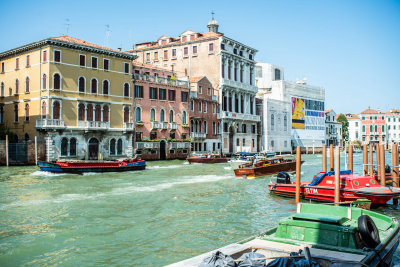
Paying this overnight tax is what exempts you from Venice's day-tripper access fee, but on fee days you still need to register for a free exemption QR code; see the Venice access fee guide. For choosing between the centre and Mestre, see where to stay in Venice. We stayed in Venice for 3 nights at the end of July 2023, coming from Bologna.

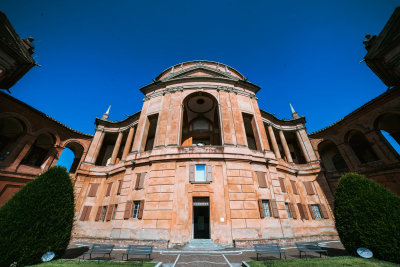
Smaller cities charge too, usually less. Bologna is unusual: it bases the rate on the room price instead of the star rating. Children under 14 are exempt, and only the first 5 consecutive nights are taxed. Bologna's 2026 rates were still being finalised in the council papers we found, so check the amount with your property. We spent 4 nights there in July 2023; see how many days in Bologna and day trips from Bologna.
Verona and most popular towns, from the Amalfi Coast to the lakes, set their own rates too. Check each one in your booking's price breakdown. On a multi-city trip the cost adds up: two adults spending 3 nights each in Rome, Florence and Venice in 4-star hotels pay about €45 (≈ $50) + €42 (≈ $47) + €27 (≈ $30) = €114 (≈ $127) in total. Our Italy trip cost guide includes this in the daily budgets.
• Read the small print: most booking sites show "city tax not included" in the price breakdown. Multiply the city's rate by guests over the exemption age and the nights up to the cap, and you know what to expect.
• Bring a little cash: many hotels take cards for the tax, but small B&Bs and guesthouses sometimes prefer cash. Keep €20 to €50 (≈ $22–56) in euros for the last morning.
• Children's passports: the exemption depends on age, so carry ID for children.
• Not a tip or service charge: the tax has nothing to do with the coperto bread-and-cover charge in restaurants; see coperto and tipping in Italy. For entry rules, read do I need a visa for Italy.
€4 to €10 (≈ $4.5–11.1) per person per night in hotels depending on stars (€6 (≈ $6.7) in a 3-star, €7.50 (≈ $8.4) in a 4-star, €10 (≈ $11.1) in a 5-star), and €6 (≈ $6.7) for B&Bs and short-term rentals. It is charged for up to 10 consecutive nights, and children under 10 are exempt.
€3.50 to €8 (≈ $3.9–8.9) per person per night in hotels (€6 (≈ $6.7) in a 3-star), €6 (≈ $6.7) in tourist rentals and €4 (≈ $4.5) in youth hostels, for a maximum of 7 consecutive nights. Children up to 12 are exempt.
Milan raised rates for the 2026 Winter Olympics and again from 1 April 2026. A 5-star hotel is now €12 (≈ $13.4), a 4-star €10 (≈ $11.1) and B&Bs or short-term rentals €9.50 (≈ $10.6) per person per night.
Often, but not always. The property collects it, usually at check-in or check-out, and many accept cards. Small B&Bs sometimes prefer cash, so keep some euros for the last day.
It depends on the city: children under 10 are exempt in Rome, children up to 12 in Florence, and under-14s in Bologna.
Get our new Italy guides and practical tips by email: where to stay, what to eat, what things cost and the rules that catch travelers out.
Free. No spam, only new guides and tips.
Search verified local fleets with low security deposits and exact model delivery on Localrent.
Get the best deals on Italy hotels before they're gone — see Booking.com.