Home
About us
Destinations & Country Guides
Travel Guides
Recipes
Featured
Photos As Art
Abstract Prints
Locations
Travel Gear
Travel Resources
Favorites
Photo Framer
Explore Photos
Contact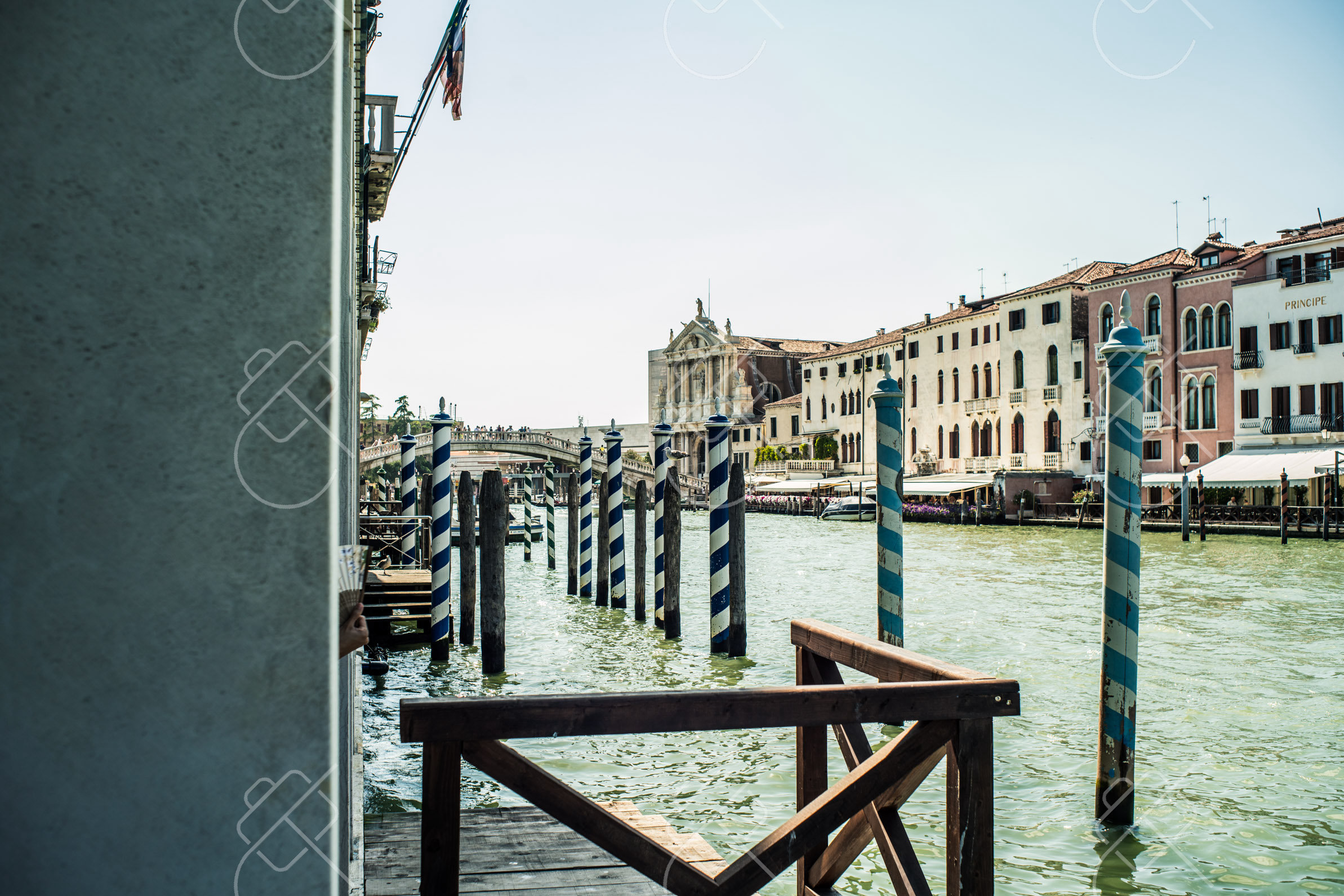 Connectivity & tech
By Clever Tourists · Published
If you live in the EU you need nothing; if you come from the US, UK (outside O2), Canada or Australia, a data eSIM installed before you fly is the least-hassle option for a trip under three weeks, and an Italian tourist SIM from WindTre, Vodafone or TIM is the cheapest per gigabyte if you stay longer. The catch with the local SIM is paperwork: Italy ties every SIM to an identity, so a shop will scan your passport and register you with a codice fiscale (tax code) before activation. We spent 9 days in Italy in July and August 2023 (Verona, Bologna, then Venice), arriving from Munich and leaving for Zagreb, which is exactly the kind of short, border-hopping leg where an eSIM saves an errand.
EU/EEA: you do not need anything. Roam Like at Home means your domestic allowance works here at no extra cost, subject to your operator's fair-use limit on cheap unlimited plans.
UK: post-Brexit, the four big networks no longer match. As of 2026 O2 still includes EU roaming at no daily charge (with a fair-use cap of about 25GB), while EE, Vodafone and Three charge a daily fee of roughly £2 to £2.75 (≈ $2.7–3.7) on most plans. Smarty, iD Mobile and Lebara include EU roaming. Check your own plan's roaming page before you go, because the fee depends on when you joined.
US and Canada: your home plan works, but usually through a paid daily pass. AT&T's International Day Pass is $12 a day for the first line (capped at 10 charges per bill), and Verizon's TravelPass is also $12 a day. On a two-week trip that is well over $100, which is the main reason Americans buy a travel eSIM.
Australia and New Zealand: home-carrier international day passes exist but are priced per day, so the same maths applies as for US travellers: anything over a few days is usually cheaper on a data eSIM or local SIM.
If you are crossing into Italy from Switzerland, note that Switzerland is outside EU roaming. EU and UK plans that include Italy free can charge heavily on a Swiss network, and Alpine border valleys such as the Val d'Ossola can pick up Swiss masts.
Italian law requires every SIM, prepaid included, to be registered to a named person. In practice that means:
• Bring your passport. Some shops accept an EU ID card; driving licences are often refused.
• The shop records a codice fiscale, Italy's tax code. Tourists do not have one, so staff generate it from your passport details at the counter. Short tourist packs usually go through on the passport alone; standard monthly plans more often stall without it, so say clearly that you want the tourist offer.
• Allow 15 to 30 minutes in a shop, longer in August at the Venice or Rome airport kiosks.
This is the real cost of the local SIM in Italy: not money but a queue and some forms. If your phone supports eSIM and you are staying under three weeks, skipping it is reasonable.

Italy has four networks. TIM has the widest rural coverage, including more of the Apennine and Alpine valleys. Vodafone is the other long-established network. WindTre is the third, and Iliad is the low-cost newcomer whose staffed shops are few, though it runs self-service Simbox kiosks in malls. Sub-brands such as ho. Mobile, Kena and Very Mobile resell these networks.
WindTre, Vodafone and TIM all sell short tourist bundles aimed at visitors, typically valid around 28 to 30 days with a large data allowance. They are cheap per gigabyte, give you an Italian number, and are sold in city-centre shops and some airports. Iliad plans are cheaper still but are designed for residents.
A travel eSIM (apps such as Airalo, Yesim or Saily) runs on one of those same networks, is data only, and is installed before you leave home. You trade a higher price per gigabyte for no shop visit and working maps the moment you land at Marco Polo or Fiumicino.
Your home carrier's day pass is the simplest of all and the most expensive beyond a few days. For the full trade-off across countries, see our eSIM or local SIM guide.
Realistic numbers for a phone used for maps, messaging, ticket QR codes and some photo uploads: about 0.5 to 1GB a day. Add 1 to 2GB a day if you video call home, stream music on long train rides or hotspot a laptop. A one-week trip is comfortably 5 to 10GB; two weeks, 10 to 20GB.
Unlimited plans are worth it only if you will hotspot a laptop or stream video daily. Note that many "unlimited" travel eSIMs slow you down after a daily threshold, so read the fair-use line before you pick one.
Italy-specific uses that eat data: Trenitalia and Italo e-tickets (download them on Wi-Fi), museum timed-entry QR codes for the Uffizi or the Last Supper, and Google Maps in Venice, where the alleys defeat GPS and you will refresh the map constantly. Download an offline map of Venice before you arrive.
Almost every travel eSIM is data only. For most visitors that is fine: restaurants in Italy take bookings by WhatsApp, and hotels message the same way.
An Italian number matters if you will book through apps that verify by Italian SMS, receive delivery or tour-guide calls, or stay a month and want local rates. Otherwise keep your home number alive on the physical SIM for bank texts and use the eSIM for data.
One Italy-specific note: Venice's day-tripper access fee and some city tourist-tax portals send QR confirmations by email, not SMS, so a local number is not needed for those. See our Venice entry fee guide.
• Your phone must be carrier-unlocked and eSIM-compatible. Most iPhones since the XS and recent Pixel and Galaxy models are; check Settings before you buy.
• Install the eSIM at home on Wi-Fi, but leave it off. Many plans start their validity clock on first connection, not on purchase.
• On landing, switch mobile data to the eSIM line, turn data roaming on for that line (travel eSIMs technically roam on a local network) and keep data roaming off on your home line so it cannot run up charges.
• Keep your home SIM active for calls and SMS so banking and two-factor texts still arrive. Turn on Wi-Fi Calling on the home line to take calls over hotel Wi-Fi without roaming charges.
Cities and the main rail corridors (Milan to Bologna, Florence, Rome and Naples on the high-speed line) have solid 4G and 5G. The gaps are terrain, not towns:
• Dolomites and high Alpine passes: valley floors are fine, high trails and some passes go dead. TIM tends to reach furthest.
• Cinque Terre and the Amalfi Coast: the coastal trains spend long stretches in tunnels, and cliffside paths have patchy signal.
• Rural Basilicata, inland Sardinia and Calabria: expect slow 4G or none between towns.
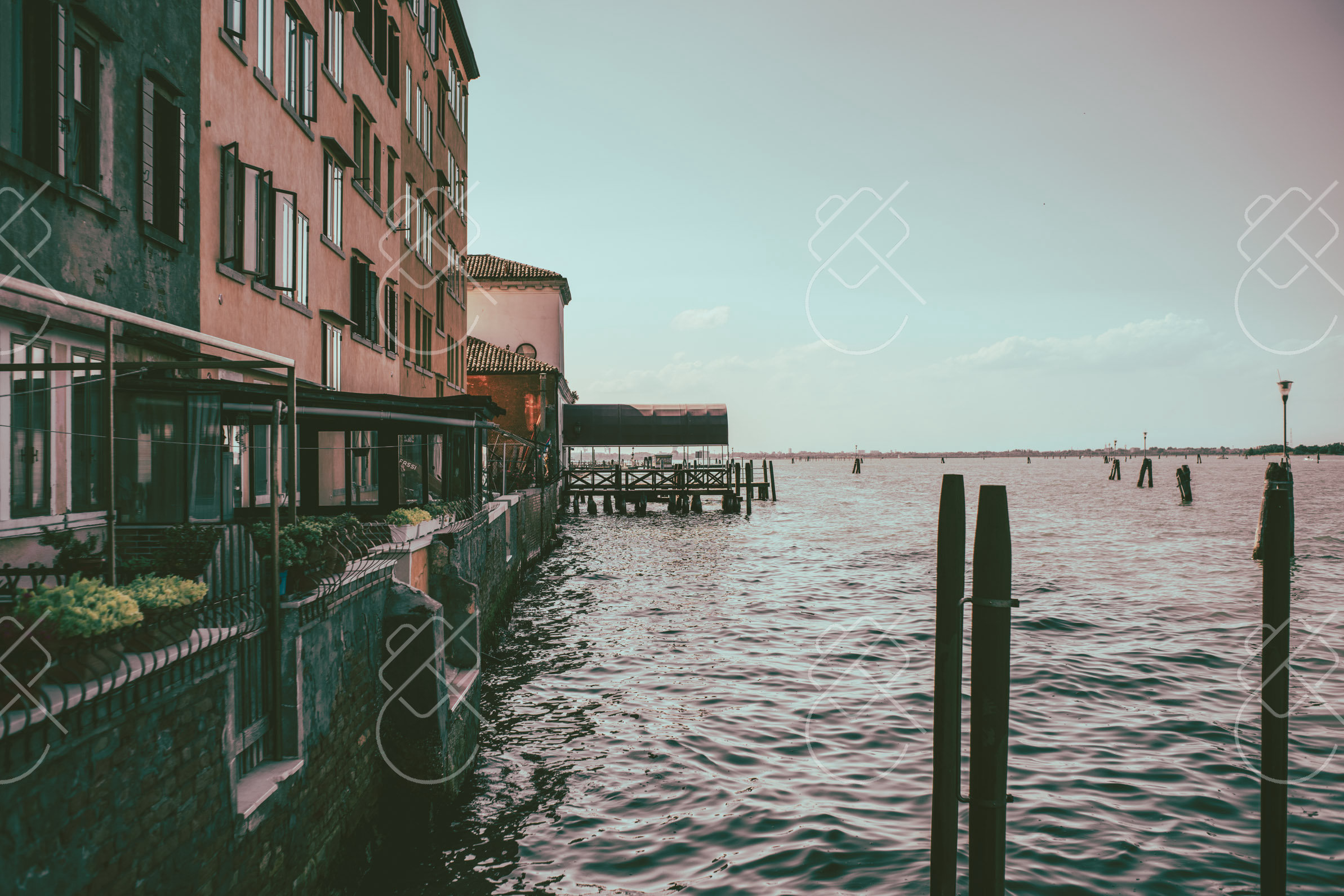
• Venice: signal is fine, but thick walls mean weak indoor reception in old palazzo hotels.
Free Wi-Fi is standard in hotels and common in cafés, though often slow. Do not rely on it for downloading train tickets the morning you travel. For route planning, our Italy itinerary and Italy guide cover the Verona, Bologna and Venice leg we did.
Not if you have an EU plan, which roams free under Roam Like at Home. US, Canadian, Australian and most UK visitors (except O2 customers) usually save money with a data eSIM or an Italian tourist SIM instead of a daily roaming pass.
Yes. WindTre, Vodafone and TIM sell tourist bundles in city shops and some airports. You must show a passport, and the shop registers you with a codice fiscale generated from your passport details.
The shop needs one to register the SIM, but tourists do not have to bring one: staff generate it from your passport. Short tourist packs usually activate on the passport alone.
TIM has the widest rural coverage, which matters in the Dolomites and the south. Vodafone and WindTre are close in cities. Iliad is cheapest but has few staffed shops.
Usually not. Most travel eSIMs are data only, so keep your home SIM active for calls and two-factor texts and use WhatsApp for restaurant bookings.
Get our new Italy guides and practical tips by email: where to stay, what to eat, what things cost and the rules that catch travelers out.
Free. No spam, only new guides and tips.
Search verified local fleets with low security deposits and exact model delivery on Localrent.
Compare Italy hotels and get the best deals on Booking.com.